20 Drought Tolerant Flowers That Survive on Almost No Water

- Low water
- Full sun
- Beginner friendly
- Pollinator garden
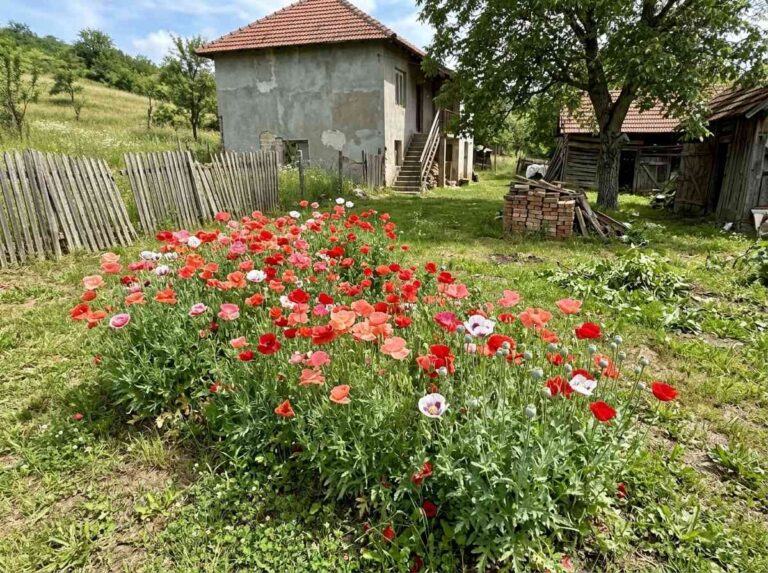
My grandmother never watered her garden. Not once, as far as I can remember. She’d plant things in spring, walk away, and somehow by July the whole front was covered in color. I asked her about it once and she just shrugged. “I pick the ones that don’t need me.”
It took me 20 years and a lot of dead plants to understand what she meant. These are the 20 flowers that don’t need you either.
Quick Summary
- All 20 handle drought once established (but they DO need water the first 1-2 years)
- Mix of perennials and a few annuals that reseed themselves
- Each includes zones, bloom time, and honest warnings where needed
- Includes the #1 mistake that kills drought tolerant plants (hint: it’s not underwatering)
- Best starter pick: Catmint. Blooms for months, survives total neglect, deer resistant.
1. Lavender
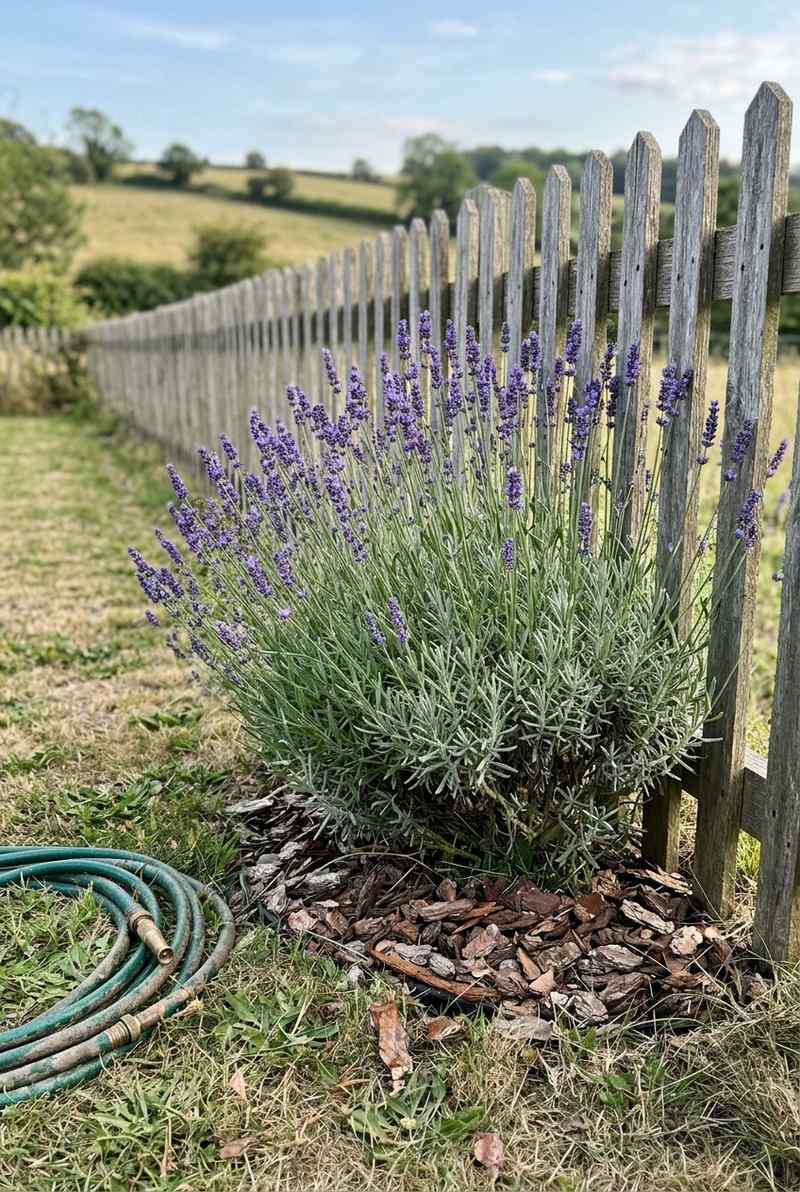
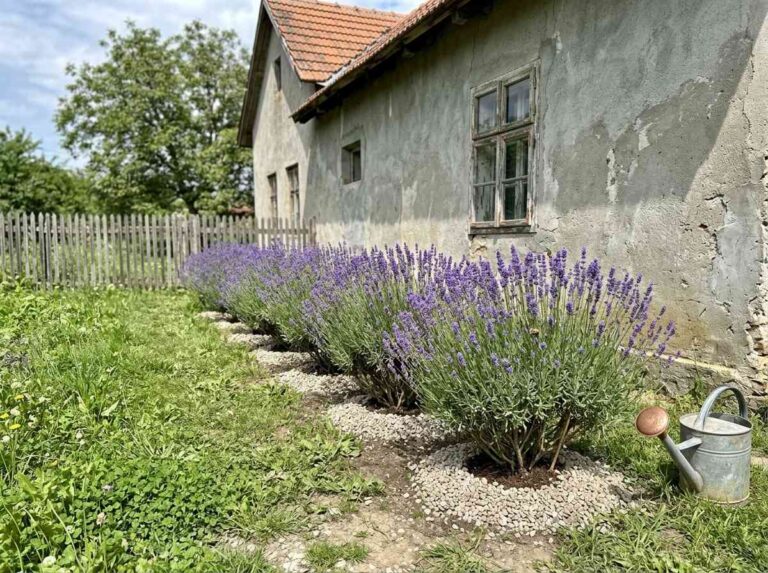
The poster child for drought tolerant gardens. Fragrant, silvery foliage that looks good year-round, and purple flower spikes that pollinators swarm. Perennial in zones 5-9.
Here’s the irony: lavender is one of the most commonly killed plants in gardens, and the cause is almost always overwatering. It’s a Mediterranean plant. It wants fast-draining soil and dry feet. Water it like a regular flower bed and the roots rot. Less is genuinely more.
2. Catmint (Nepeta)
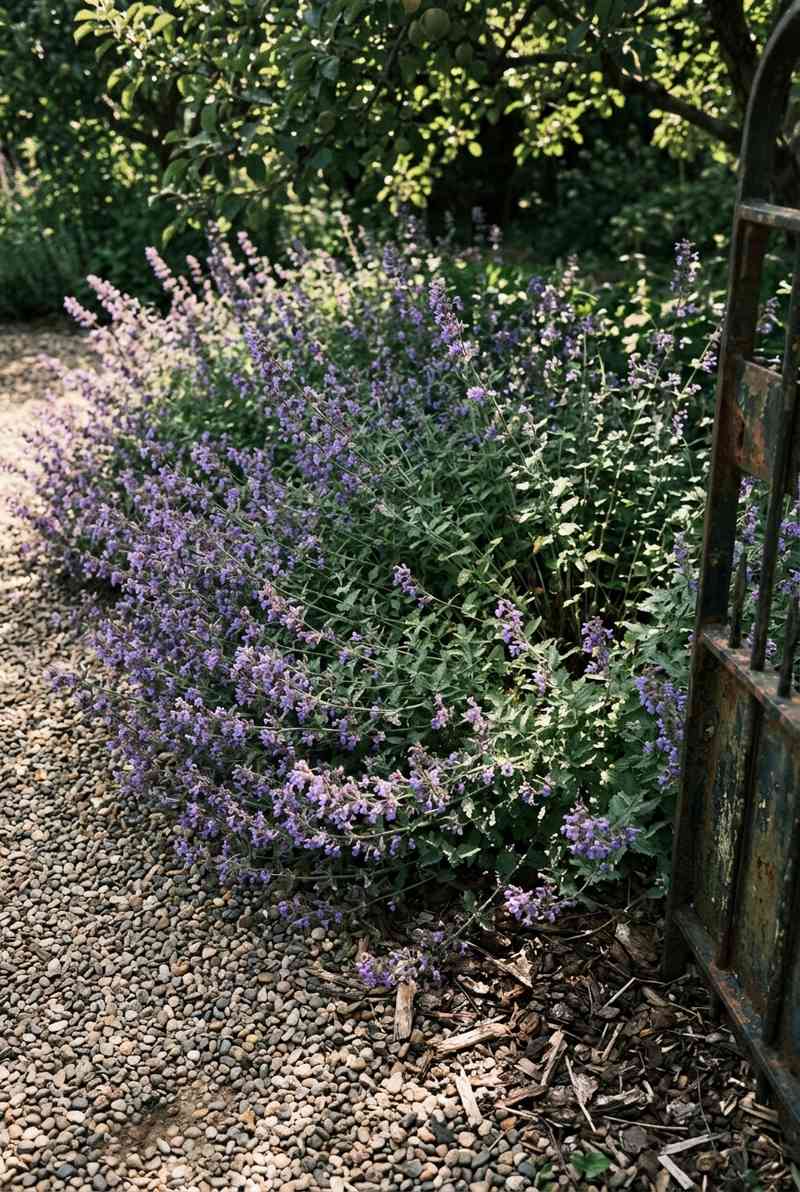
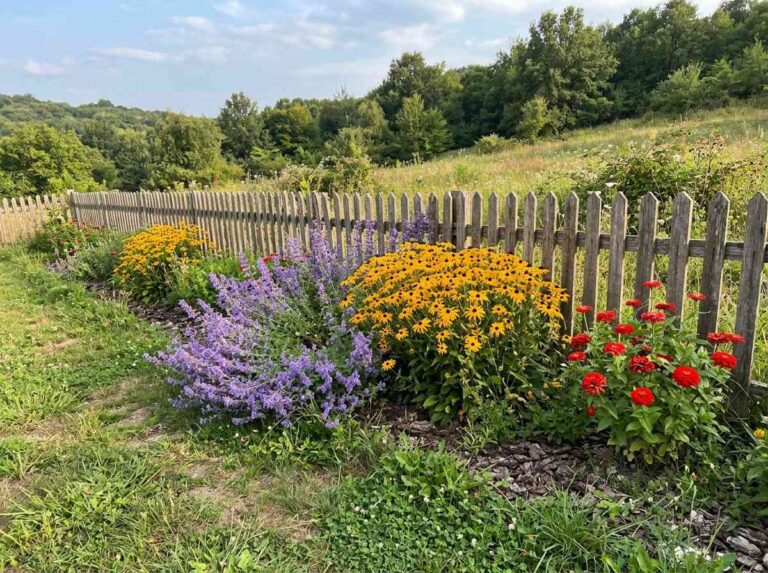
This is my pick if you can only plant one thing. Catmint blooms from May through October with almost zero attention. Shear it back when it looks tired and it bounces back with a second flush that lasts into fall. Deer resistant. Pollinator magnet. Zones 3-8.
I have it along the front path and it’s the one plant visitors always ask about. Not because it’s showy. Because it’s always blooming when everything else has given up.
3. Purple Coneflower (Echinacea)
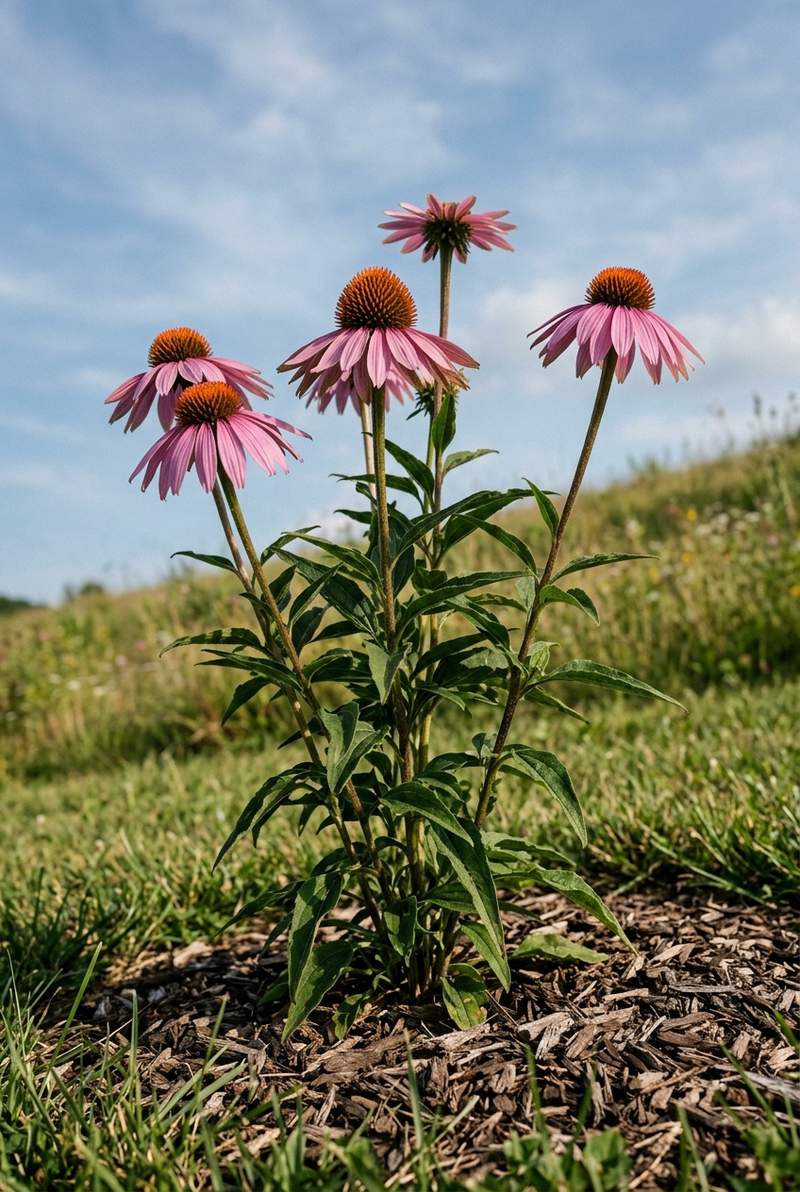
One of the most dependable perennials in a dry garden. Handles heat, handles drought, handles neglect. Leave the spent blooms in fall. Don’t deadhead. Birds eat the seeds through winter and the dried heads add structure to an otherwise empty garden. Zones 3-8.
Native to North America, which means it doesn’t need you to recreate foreign soil conditions. It’s already adapted to the climate you’re gardening in.
4. Black-Eyed Susan (Rudbeckia)
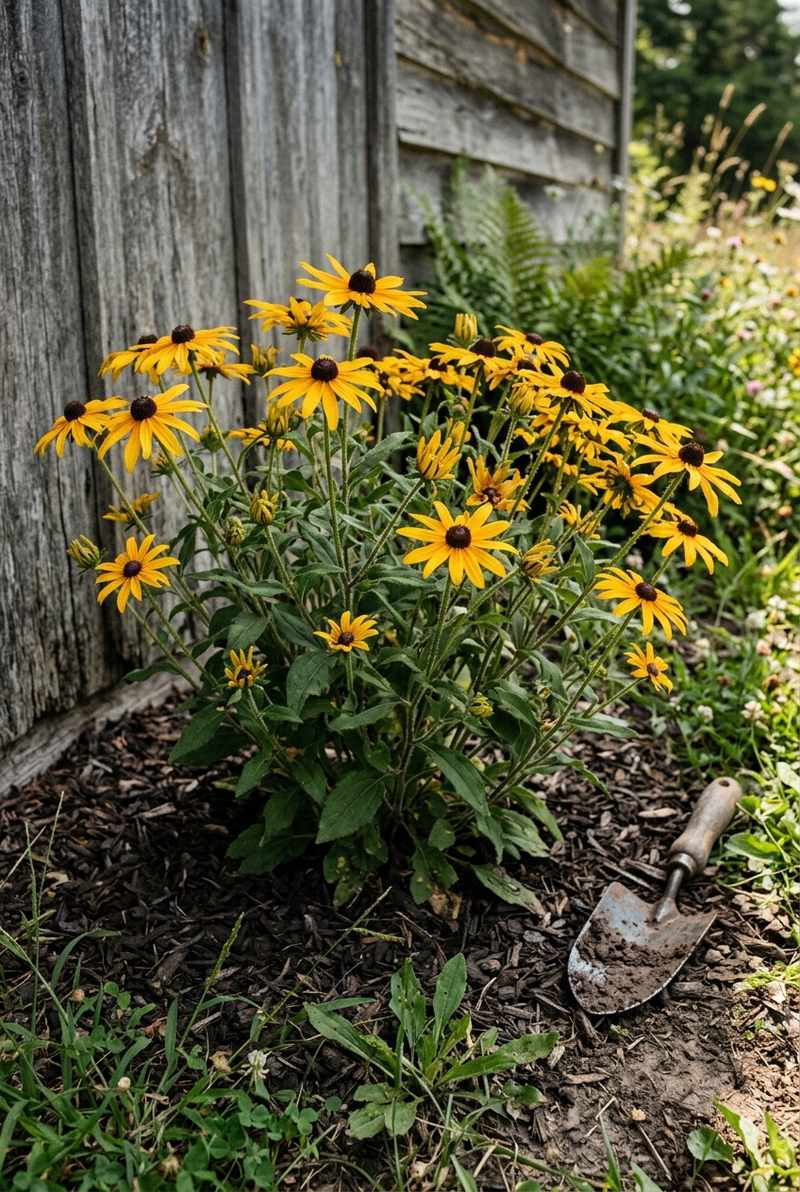
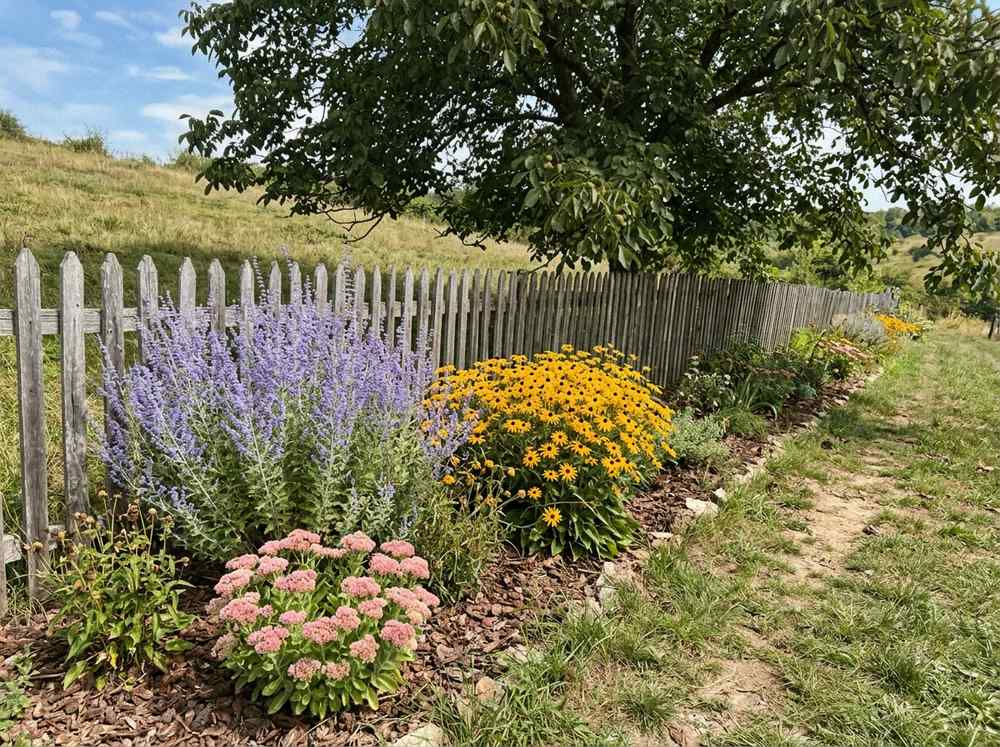
Golden daisies that light up late summer when everything else is winding down. Self-seeds freely, so you plant it once and it fills in on its own. A natural for hot, dry settings and one of the easiest native perennials to grow. Zones 3-9.
My grandmother had these in every corner. Now I understand why. Zero maintenance. Maximum impact.
5. Russian Sage (Salvia yangii)
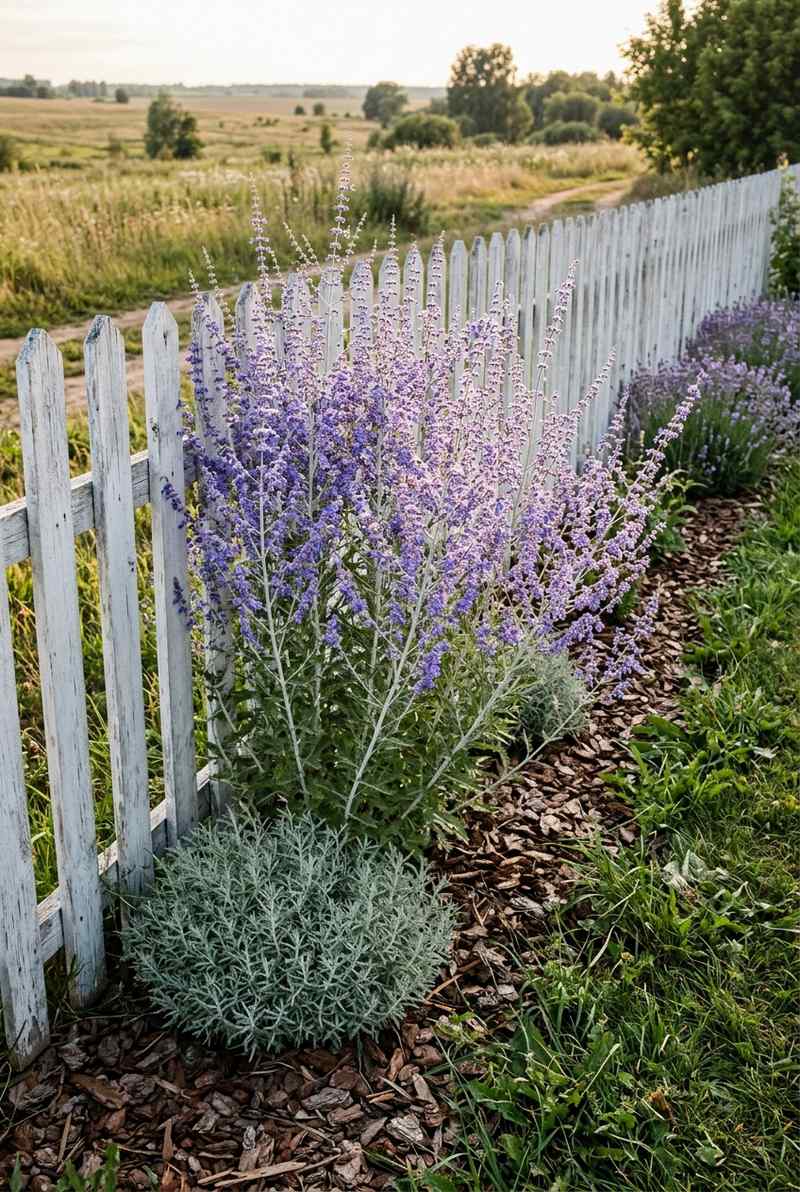
A cloud of lavender-blue flowers on silvery stems from midsummer into fall. Looks like lavender but grows twice the size and requires even less water. The silvery foliage is attractive even out of bloom. Zones 4-9.
Strong pollinator magnet. Can get slightly aggressive in good conditions but nothing a quick trim won’t control. Cut it back hard in early spring before new growth starts.
6. Blanket Flower (Gaillardia)
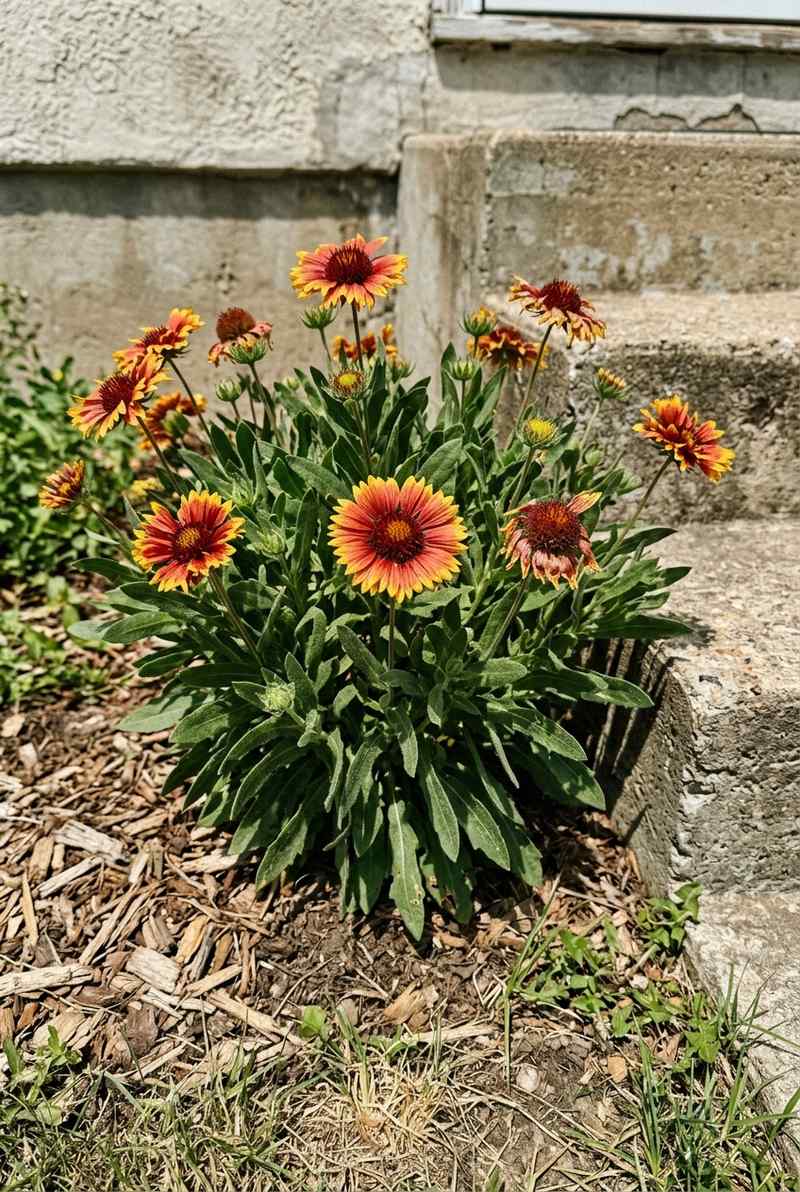
Bright red and yellow bicolor daisies that bloom from June until frost. One of the showiest drought tolerant flowers and it thrives on neglect. Lean soil, blazing sun, no fertilizer. Zones 3-10.
Honest note
Blanket flower is a short-lived perennial. Hybrids average 2-3 years before they exhaust themselves from nonstop blooming. Plan to let it self-seed or replant. It’s not a permanent fixture, but the show it puts on while it lasts is worth it.
7. Sedum (Stonecrop)
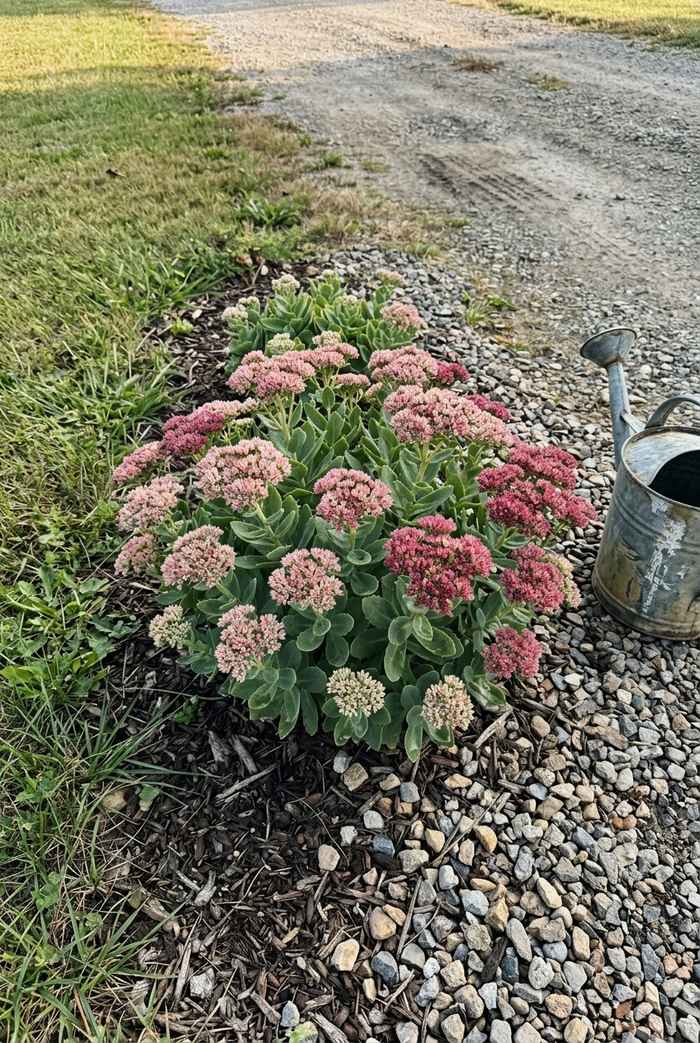
Succulent leaves that store water so you don’t have to provide it. ‘Autumn Joy’ is the classic pick with flat pink flower heads that age to russet in fall. Low-growing varieties like ‘Dragon’s Blood’ make excellent groundcovers. Zones 3-9.
Basically unkillable in well-drained soil. The only way to lose a sedum is to drown it.
8. Coreopsis (Tickseed)
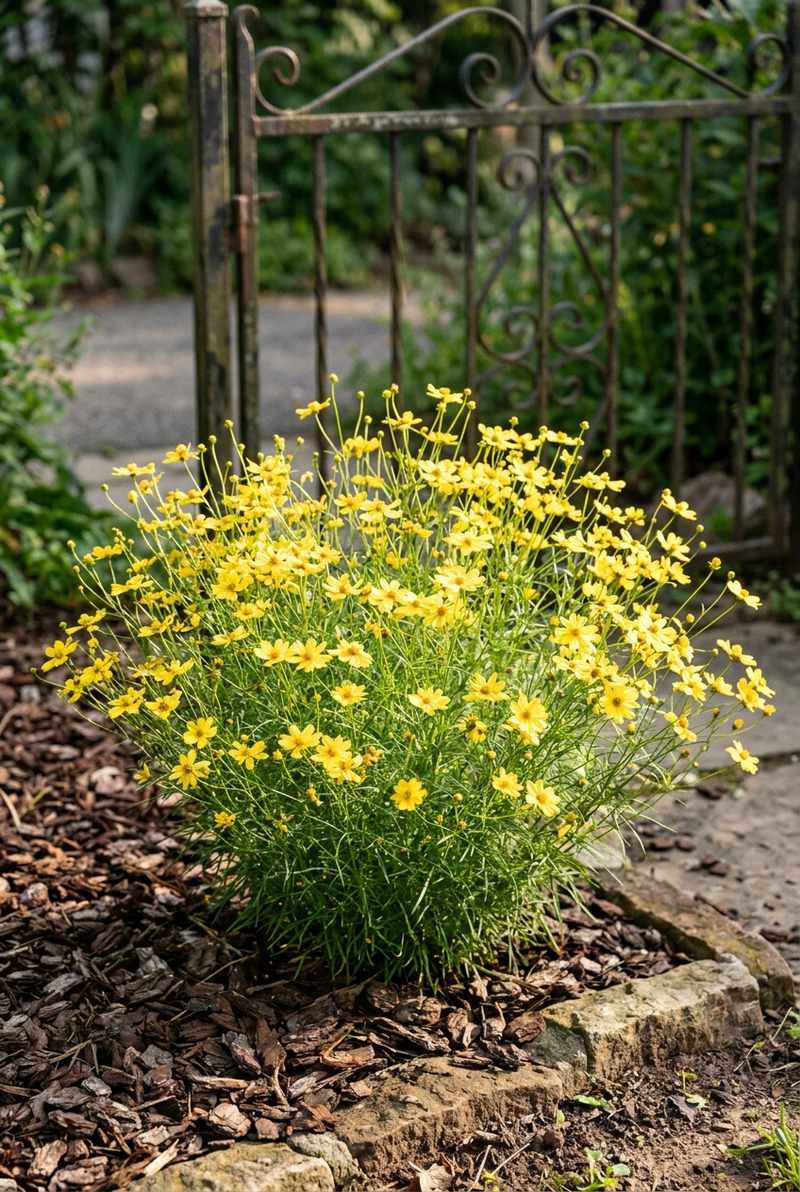
Cheerful yellow daisies from late spring through fall with minimal effort. Plant in clusters for maximum impact. Trim lightly after the first bloom flush and it pushes a second round that lasts into September. Zones 4-9.
Native, easy, and one of those flowers that makes a garden look full even when half of it is still being figured out (don’t ask how I know).
9. Yarrow (Achillea)
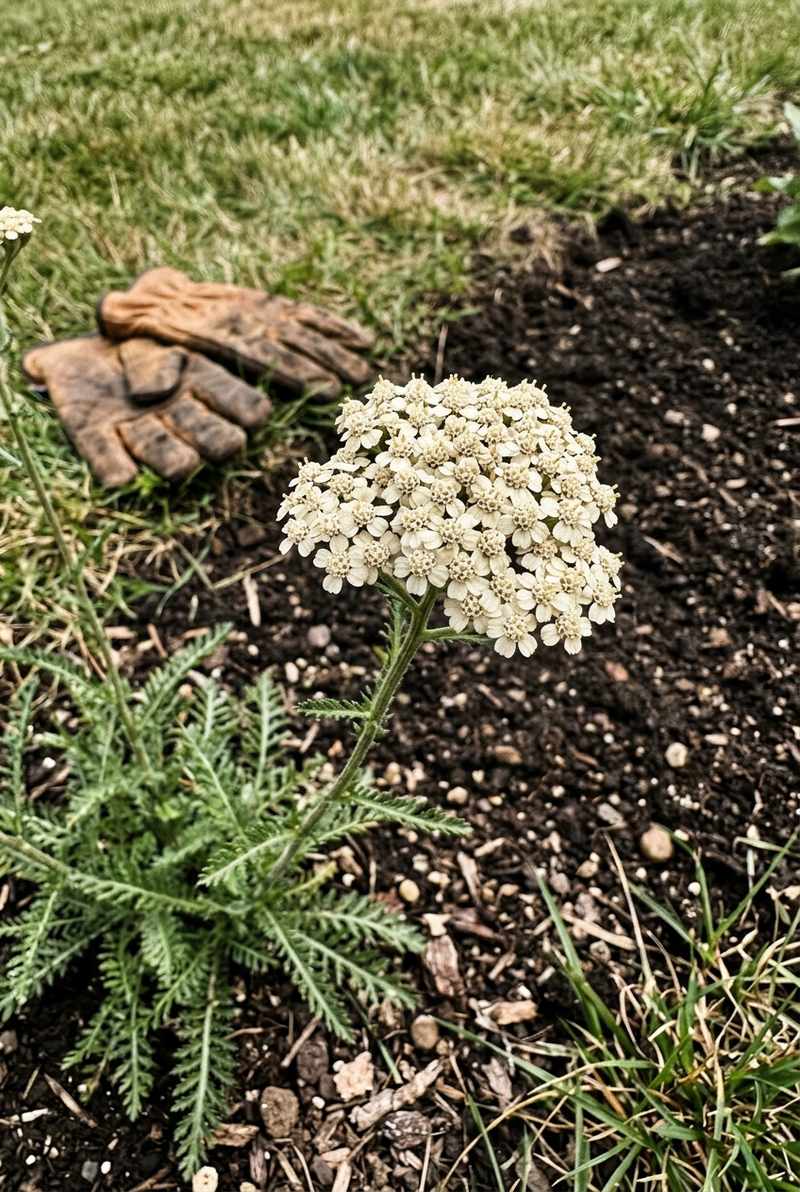
Flat-topped flower clusters in every warm color. Drought proof, deer resistant, and blooms for months. Available in white, yellow, pink, salmon, and deep red. Zones 3-9.
Important warning
Common yarrow (Achillea millefolium species) spreads aggressively through underground rhizomes and self-seeds thousands of seeds that stay viable for 9 years. Buy named cultivars only, not the wild species. It will take over your garden if you’re not careful. I speak from experience.
10. Portulaca (Moss Rose)
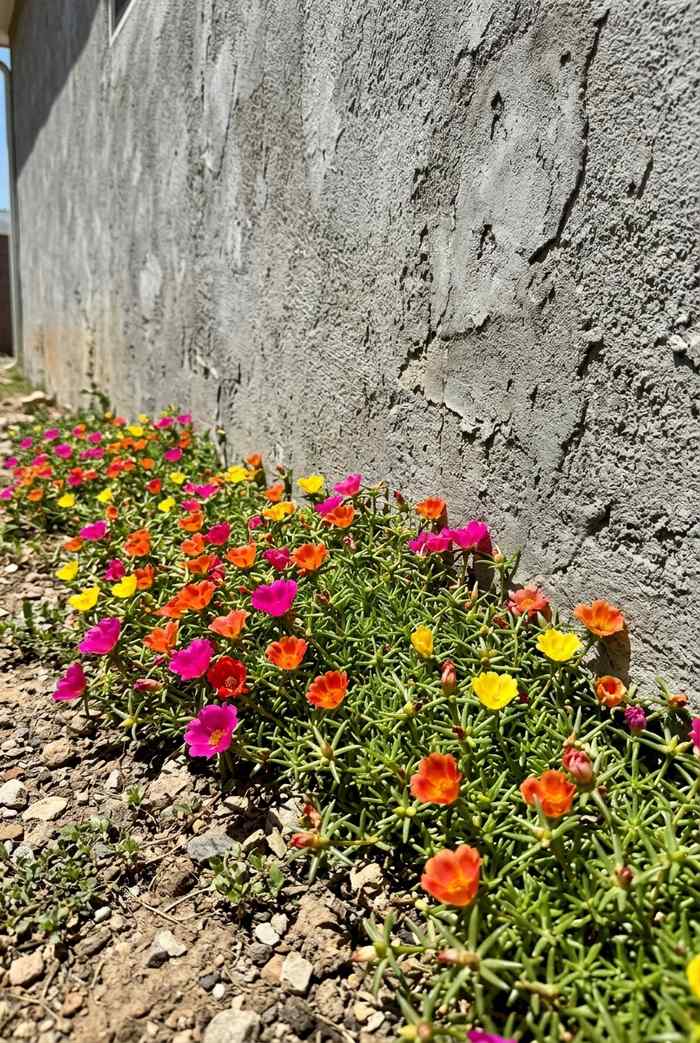
One of the most underrated flowers for hot, dry spots. Hugs the ground, loves sandy soil, and blooms nonstop through the worst summer heat when everything else gives up. Annual that reseeds in most climates.
Comes in practically every color. Perfect for edges, rock walls, and containers. Make sure you buy ornamental portulaca (large flowers), not the weedy kind with tiny flowers. They look similar at the nursery.
Save this to Pinterest11. Lantana
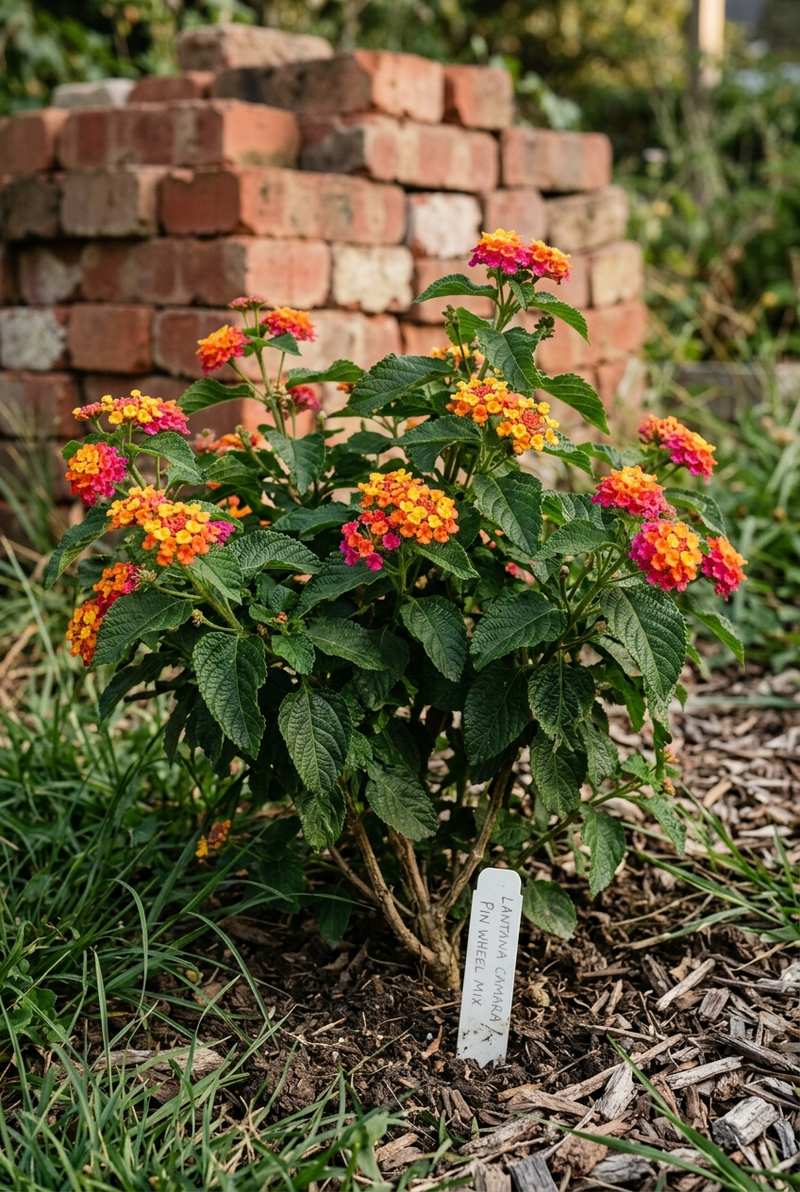
Clusters of tiny flowers in yellow, orange, red, pink, and purple, often on the same plant. Butterflies can’t resist it. Perennial in zones 9-11, annual everywhere else (frost kills it back). Blooms nonstop in heat.
One caveat: in frost-free zones, Lantana camara is classified as invasive in Florida and Hawaii. Safe in cold-winter climates where frost keeps it in check. Check your local list before planting.
12. Salvia (Ornamental Sage)
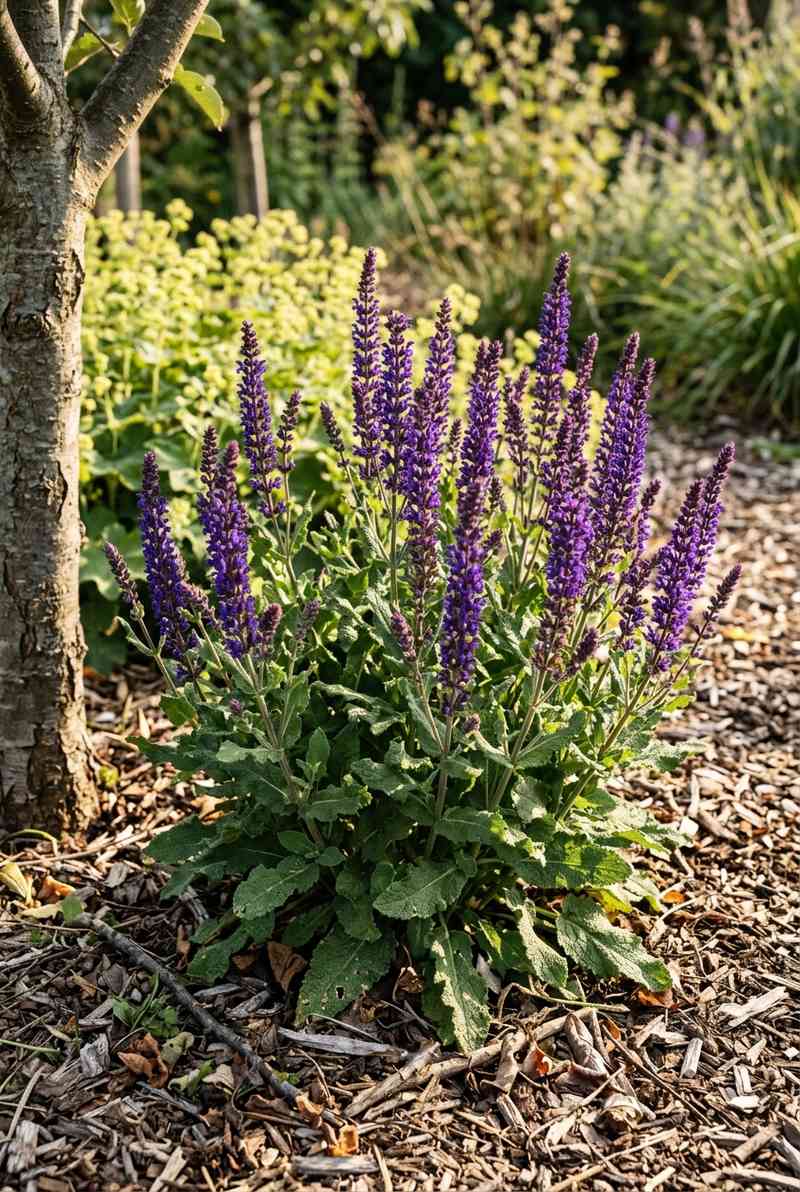
The salvia family is massive, and most of them are drought tolerant. ‘May Night’ (deep purple, zones 4-8) is the classic pick. Cut it back hard after the first bloom flush for a tidy second round. Looks floppy if you don’t. Deer leave it alone.
Hummingbird magnets, especially the red varieties. One of those plants that does more work in the garden than it gets credit for.
13. Blazing Star (Liatris)
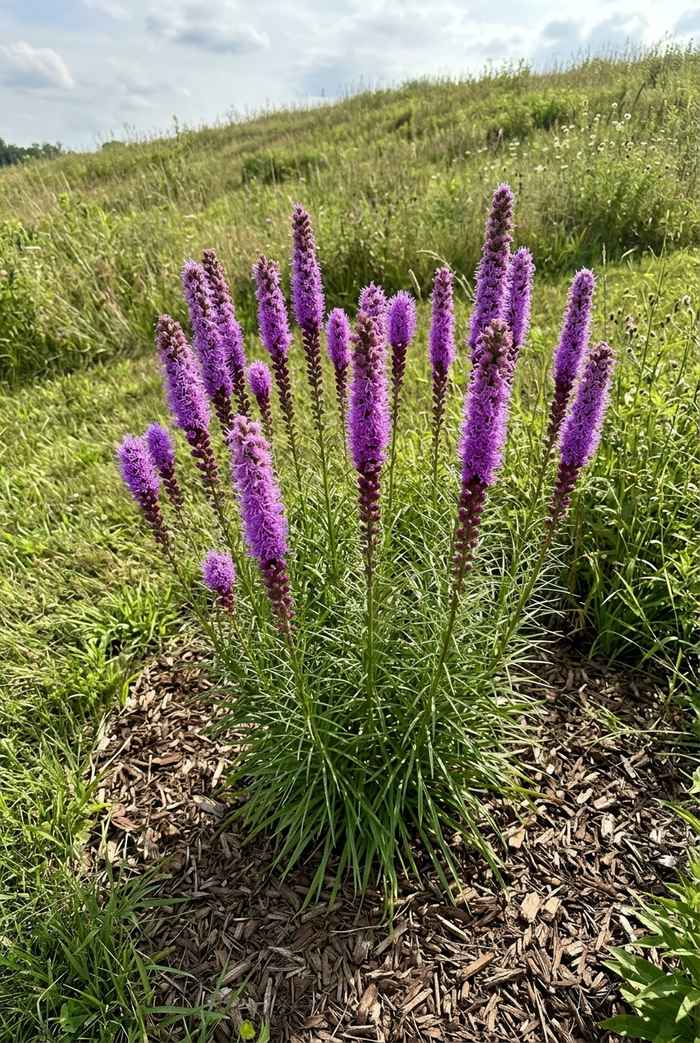
Tall purple flower spikes that bloom from the top down (unusual, which makes them easy to spot). Native, deer resistant, and one of the best butterfly plants you can grow. Grows from a corm, not a seed, so it establishes fast. Zones 3-9.
Most competitors skip this one. I don’t understand why. It adds vertical drama to a flat garden and asks for nothing in return.
14. Anise Hyssop (Agastache)
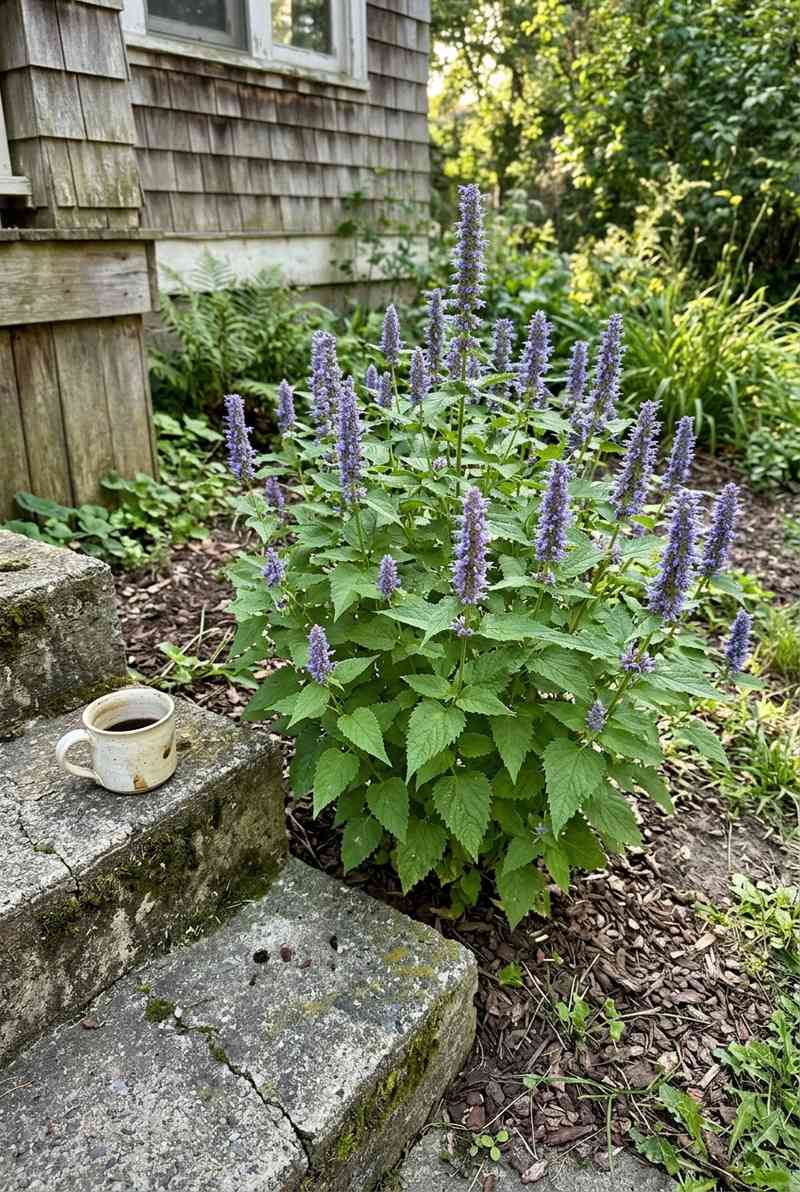
Anise-scented foliage and long flower spikes that pollinators fight over. Hummingbirds, bees, and butterflies all at once. Deer and rabbits won’t touch it because of the aromatic oils. Zones 4-10.
‘Blue Fortune’ is the reliable perennial pick. ‘Coronado’ and ‘Sunset’ varieties bring orange and apricot tones that pair beautifully with purple salvias.
15. California Poppy (Eschscholzia)
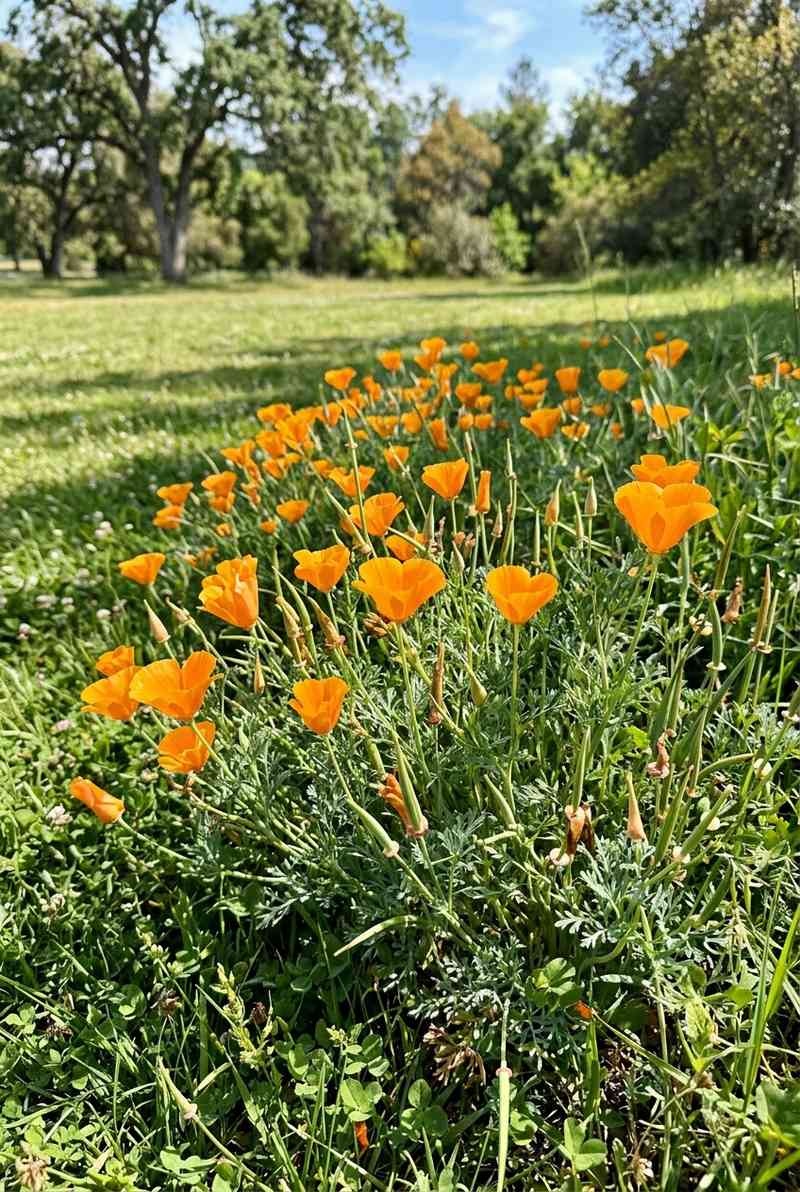
Brilliant orange cups that open in sunshine and close at night. Annual that reseeds so reliably it acts like a perennial. Scatter seeds in fall, forget about them, and watch the show in spring. Thrives on thin, poor, dry soil.
Direct sow only. California poppies hate being transplanted. Don’t start them in trays. Just scatter and walk away. My grandmother’s method, basically.
16. Globe Thistle (Echinops)
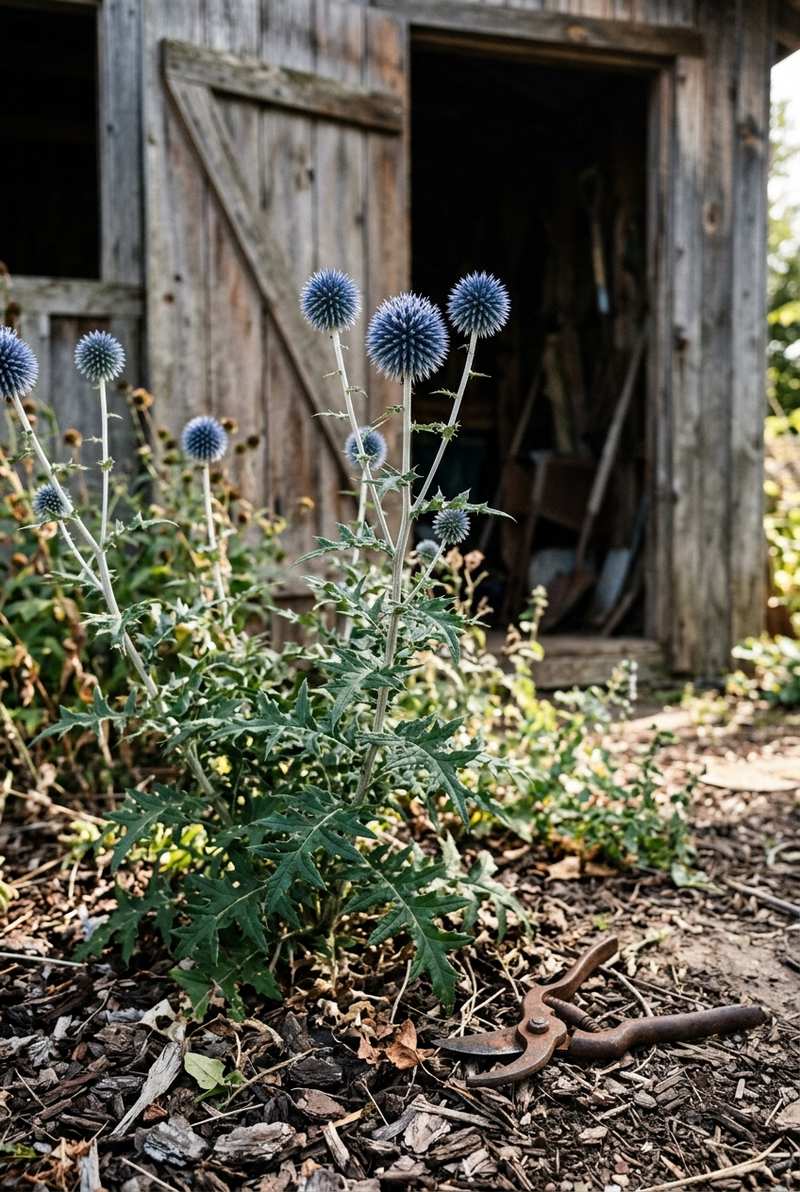
Perfectly round blue flower heads that look like something from another planet. Architectural, dramatic, and completely unbothered by drought. Deer resistant. Ladybugs love it. Zones 3-8.
Self-seeds in good conditions (pull seedlings if you don’t want extras). The dried flower heads look amazing in winter arrangements. One of those plants that earns compliments from people who don’t even garden.
17. Gaura (Wand Flower)
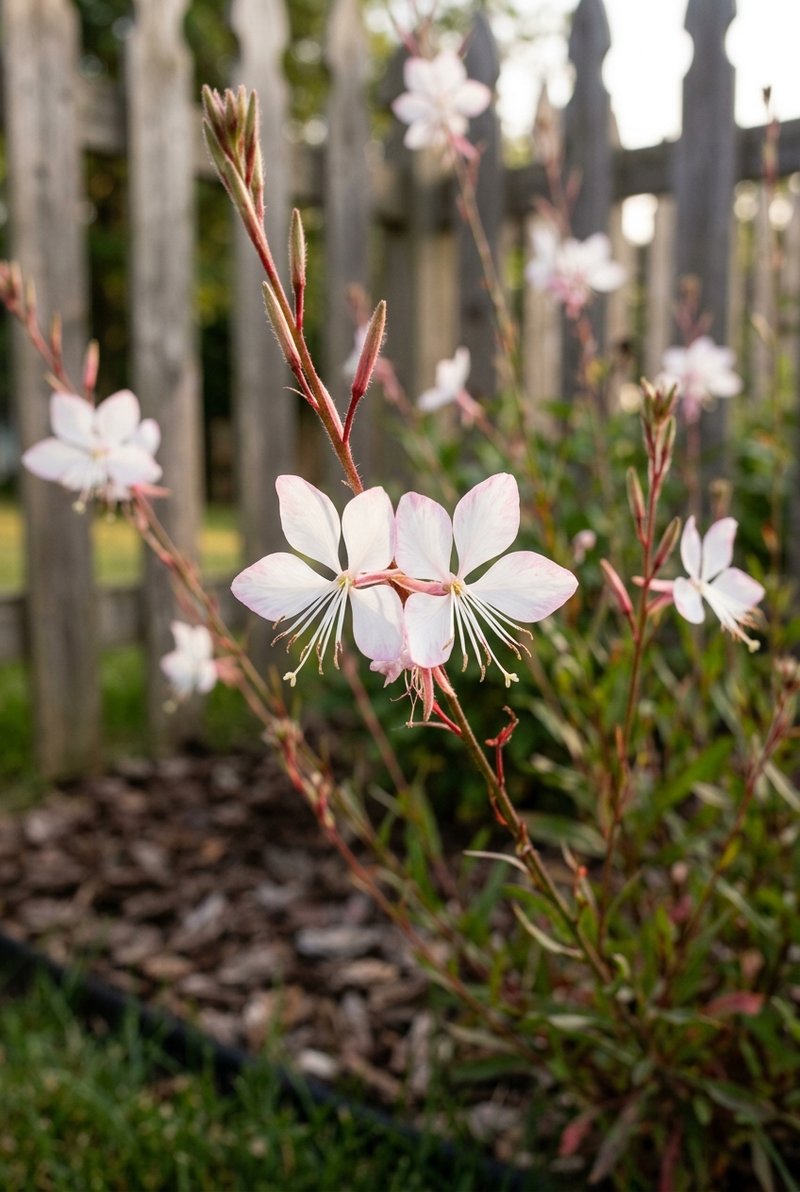
Delicate white or pink butterfly-shaped flowers dancing on wiry stems. Looks fragile but is tough as nails in heat and drought. Blooms from May through October with almost no deadheading. Zones 5-9.
‘Whirling Butterflies’ is the white variety, ‘Siskiyou Pink’ is the pink. Both move in the slightest breeze, which adds a kind of movement to the garden that heavier flowers can’t match.
18. Penstemon (Beardtongue)
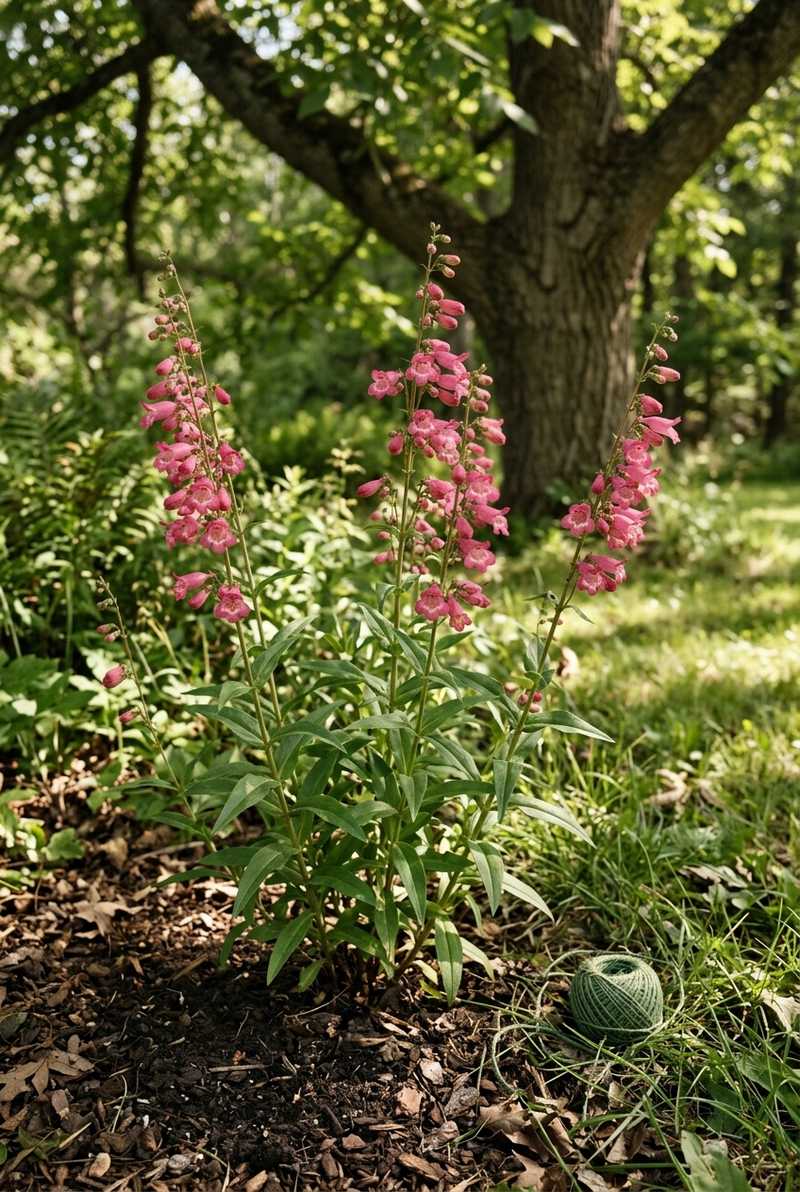
Tubular flowers in scarlet, pink, purple, or white on upright spikes. Native and perfectly adapted to dry conditions. Hummingbirds can’t get enough of the red varieties. Deadheading extends the bloom season. Zones 3-9 depending on species.
Thrives on lean, well-drained soil. Rich soil and too much water actually shortens its life. This is one of those plants that does better when you stop trying so hard.
19. Dianthus (Pinks)
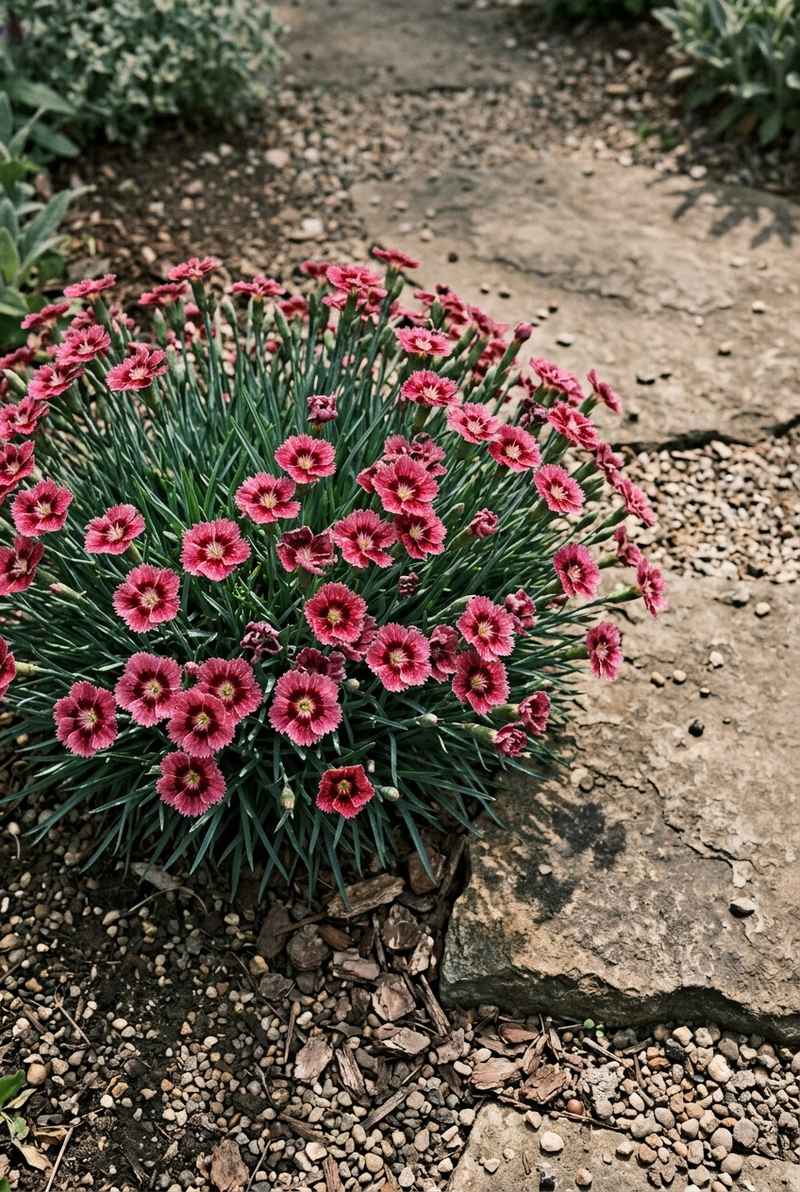
Spicy-scented flowers in pinks, reds, whites, and bicolors on low mounding plants. The clove-like fragrance is the real selling point. Perennial types (‘Firewitch’, ‘Bath’s Pink’) come back year after year in zones 3-9.
Loves alkaline soil and good drainage. Hates wet feet and heavy clay. If your soil is acidic, add a handful of lime at planting. One of the few drought tolerant flowers that also smells incredible.
20. Butterfly Weed (Asclepias tuberosa)
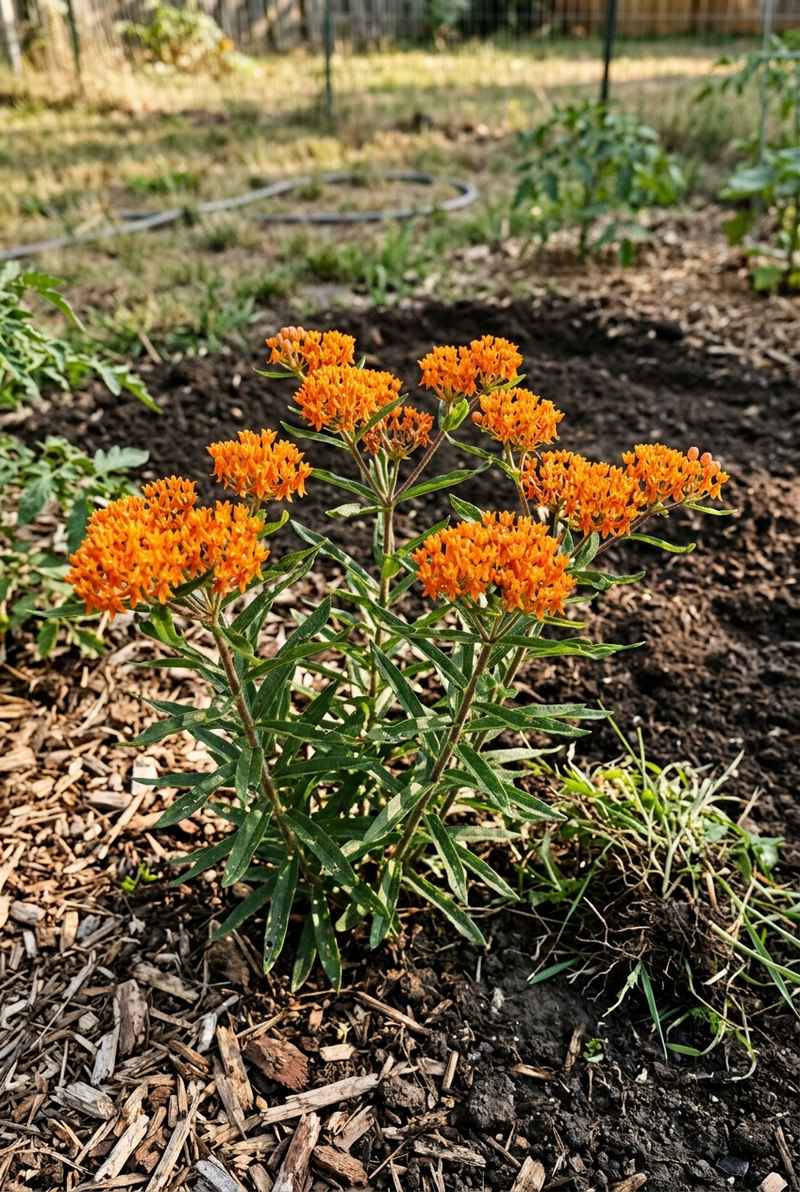
Bright orange flower clusters that monarch butterflies depend on for survival. This is a milkweed, which means it’s a host plant for monarch caterpillars. Planting it is a genuinely good thing to do for the ecosystem. Zones 3-9.
Tough, deep-rooted, and hates being moved once established. Plant it where you want it to stay. Slow to emerge in spring (don’t panic, don’t dig it up, just wait). It’s worth the patience.
Did you know
“Drought tolerant” doesn’t mean “no water from day one.” Every plant on this list needs regular watering during the first 1-2 growing seasons to establish deep roots. After that, they can handle extended dry periods on their own. Cutting off water too soon in year one is the #1 reason these plants fail.
The #1 Mistake That Kills Drought Tolerant Plants
It’s overwatering. Not underwatering. More drought tolerant plants die from too much water than from too little.
Lavender, sedum, and most Mediterranean plants rot from the roots up when soil stays wet. The symptoms look exactly like drought stress (wilting, browning leaves), so most people water more. That makes it worse. Check moisture 2 inches (5 cm) below the surface before watering. If it’s moist, leave it alone.
How to Establish Drought Tolerant Plants
- Plant in fall, not spring. Cooler temperatures and rain give roots time to establish before summer heat.
- Water deeply, not often. One deep soak every 3-4 days beats daily light watering. Deep watering trains roots to grow down where moisture lasts.
- Mulch 3-4 inches (8-10 cm) thick. Wood chips reduce evaporation, suppress weeds, and keep soil cool. Don’t pile mulch against stems.
- After year 2, back off. Many of these plants resent summer watering once established. If they look stressed in July, check the soil before assuming they need water. They probably don’t.
Common Questions
What’s the easiest drought tolerant flower for beginners?
Catmint. It blooms for 5+ months, survives total neglect, deer won’t eat it, and it rebounds from a hard shearing. If you can only pick one flower from this list, pick catmint.
Do drought tolerant plants bloom as much as regular flowers?
Many bloom longer. Blanket flower, catmint, coreopsis, and portulaca all bloom from late spring through frost. That’s more than most “regular” garden flowers. Drought tolerance doesn’t mean boring.
Can I mix drought tolerant and regular flowers in the same bed?
You can, but group by water needs. Put the drought lovers together in the driest spot and the thirsty ones near the hose. Mixing them randomly means you’re either overwatering the dry ones or underwatering the rest.
When should I plant drought tolerant flowers?
Fall is ideal. Roots establish during cooler, wetter months so the plant faces its first summer with a developed root system. Spring planting works but you’ll need to water more during the critical first summer.
Start With the Tough Ones
My grandmother’s garden survived on nothing because she filled it with flowers that didn’t need anything. I spent years fighting that logic, buying delicate things, babying them through summer, watching them die anyway.
Then I planted catmint and coneflowers and walked away. They’re still there. Growing. Blooming. Not needing me at all. Turns out she was right.