15 Fast-Growing Ground Covers That Actually Choke Out Weeds

- Weed control
- Low maintenance
- Sun & shade options
- Native alternatives
I spent my first summer weeding the strip between the sidewalk and the fence. Every weekend.
Down on my knees, pulling crabgrass and dandelions from bare soil that grew weeds faster than I could remove them.
By August I was done pretending that was sustainable.
The solution was embarrassingly simple: cover the soil with something that grows thicker than weeds.
These 15 ground covers do exactly that. Some spread fast. Some spread slow.
A few spread too well, and I’ll tell you which ones to avoid at the end.
Quick Summary
- 15 ground covers for sun, shade, or both that form dense mats to smother weeds
- Includes native alternatives to popular invasive picks
- “Aggressive” and “invasive” are not the same thing (see below)
- Ground covers need 2-3 seasons to fully close the canopy. Mulch between plants during establishment.
- Best starter pick: Creeping thyme for sun, ajuga for shade. Both fill fast and suppress weeds genuinely.
Aggressive vs Invasive: Know the Difference
An aggressive plant spreads vigorously in your garden. You manage it with edging. An invasive plant escapes your garden, colonizes natural areas, and displaces native species. The same plant can be “aggressive” in one region and legally invasive in another.
Every ground cover below has an honest rating. The last section lists popular picks that are genuinely invasive and should be avoided. Most “ground cover” articles skip this part entirely.
Sun Ground Covers
1. Creeping Thyme
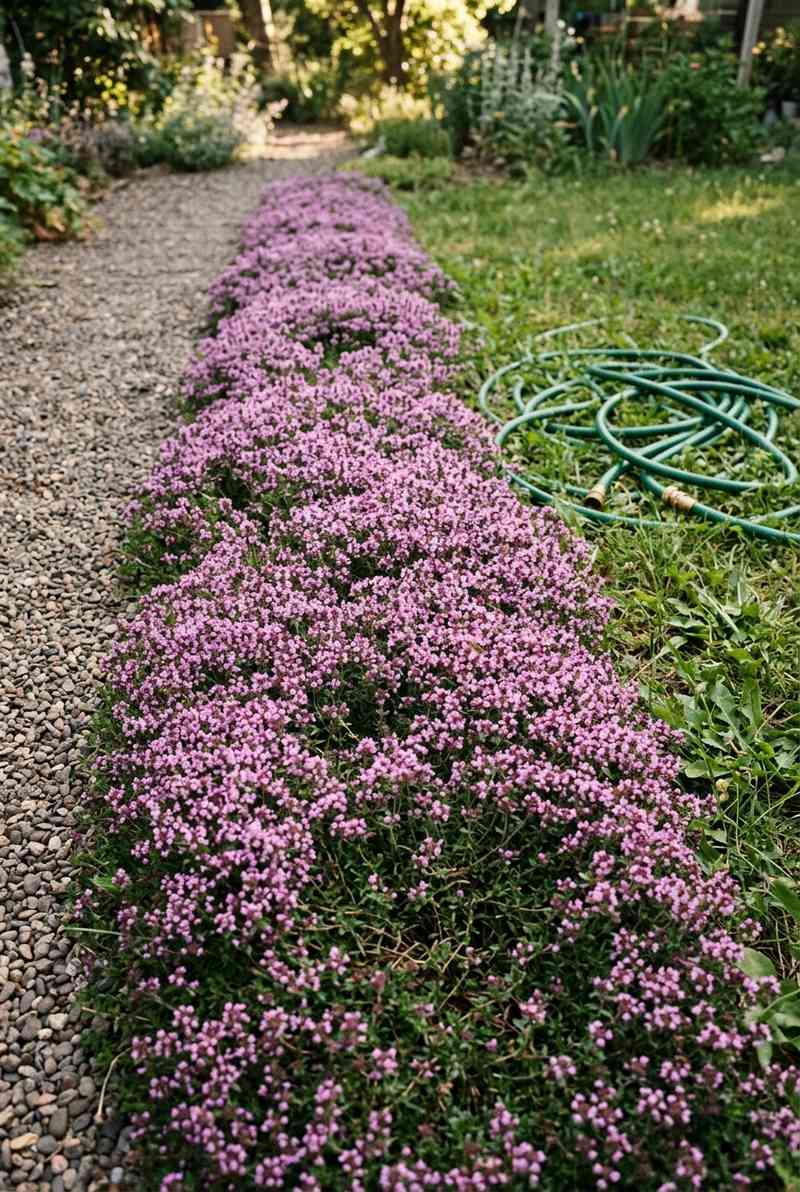
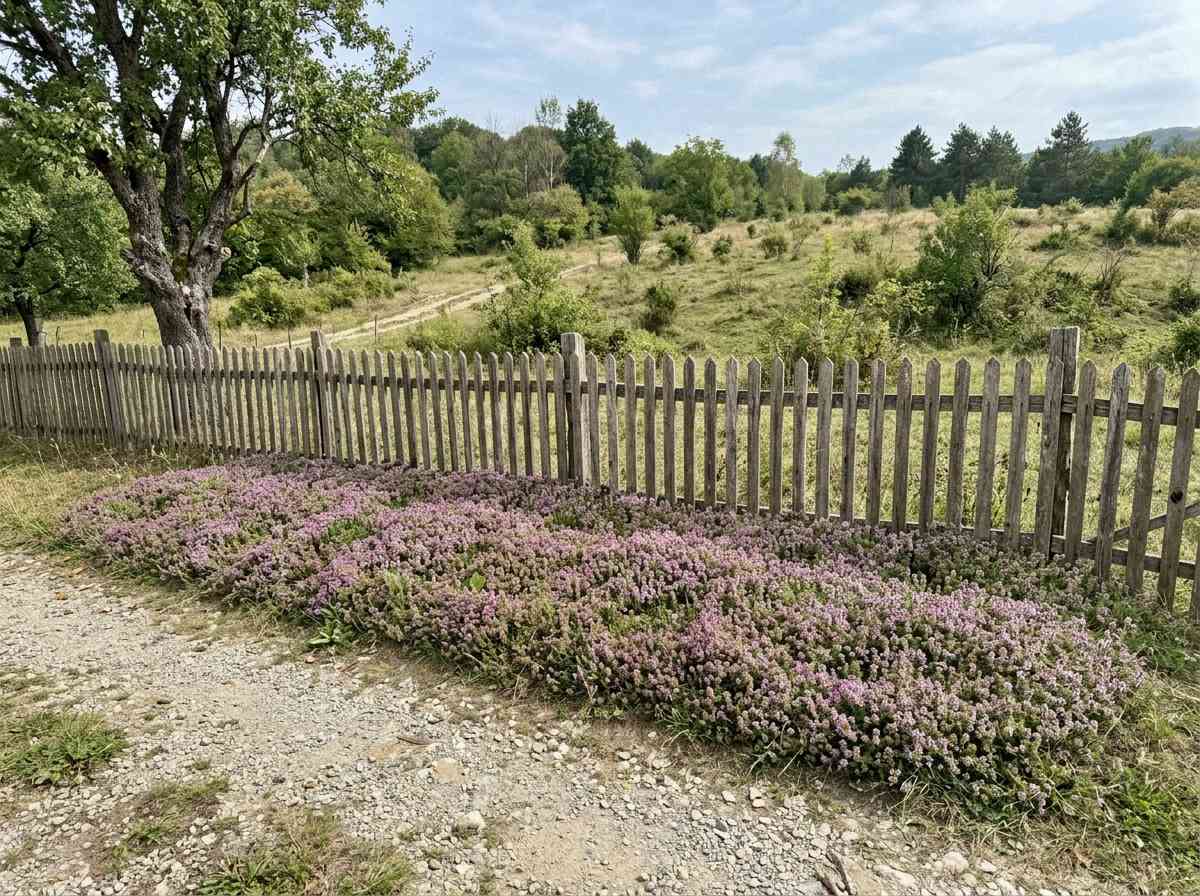
The best weed-suppressing ground cover for sunny spots. Creeping thyme is allelopathic, which means it releases natural chemicals that inhibit weed seed germination. It doesn’t just outcompete weeds. It actively prevents them from sprouting.
Tiny purple-pink flowers in summer. Fragrant when stepped on. Drought-tolerant once established. Doesn’t love heavy clay or wet soil, so skip this one if your drainage is poor. ‘Elfin’ and ‘Red Creeping’ are the varieties I see most.
2. Sedum (Stonecrop)
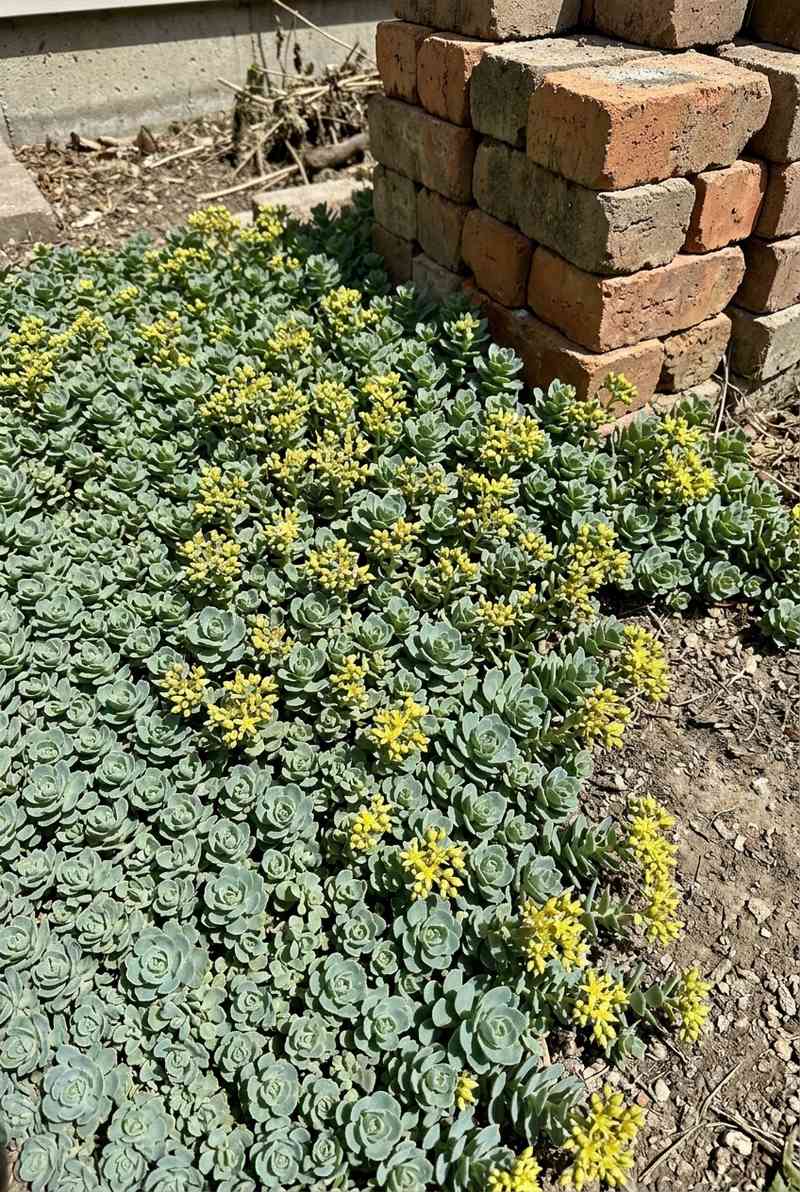
Succulent leaves, barely any water needed, spreads to fill gaps. Perfect for that hot, dry strip next to the driveway where nothing else survives. Yellow, pink, or white flowers depending on variety.
‘Dragon’s Blood’ turns deep red in fall. ‘Blue Spruce’ has blue-grey needle-like foliage that looks like a tiny conifer. Low-growing sedums handle poor soil and neglect better than almost anything on this list.
3. Creeping Phlox
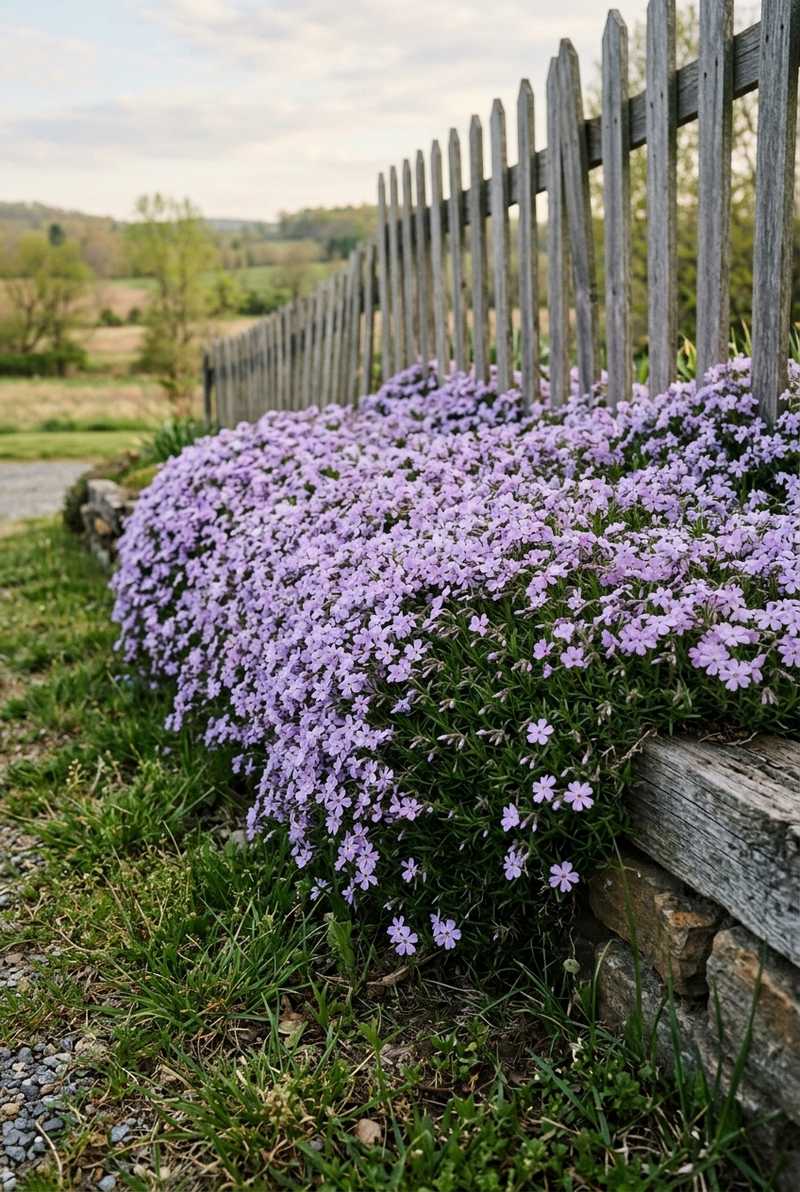
Carpets of purple, pink, or white flowers in spring that cascade over walls and slopes. The spring show is spectacular. After bloom, the evergreen foliage stays low and dense.
Honest note: the foliage isn’t as tight as thyme or sedum between plants. Weeds can sneak through gaps in the first year or two. Once it fills in fully (year 2-3), it suppresses weeds well. Not the densest option, but one of the prettiest.
4. White Clover
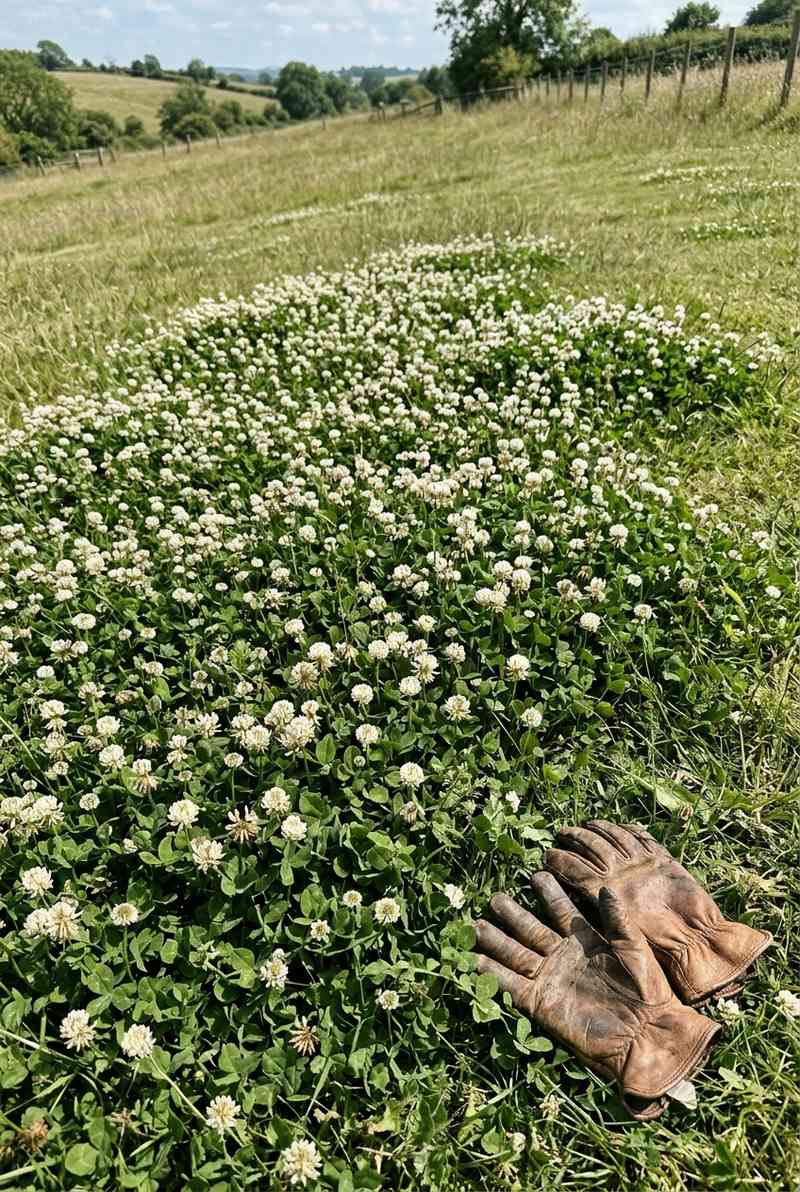
Lawn alternative that’s gaining serious popularity. Fixes nitrogen from the air, so it fertilizes itself and everything around it. No mowing needed. Stays green through drought when grass browns out. Pollinators love the white flowers.
The density chokes out most weeds once established. Mix with grass seed for a clover lawn, or plant alone for a low carpet. Micro-clover varieties stay even shorter. My favorite lazy-gardener solution.
5. Rupturewort (Herniaria glabra)
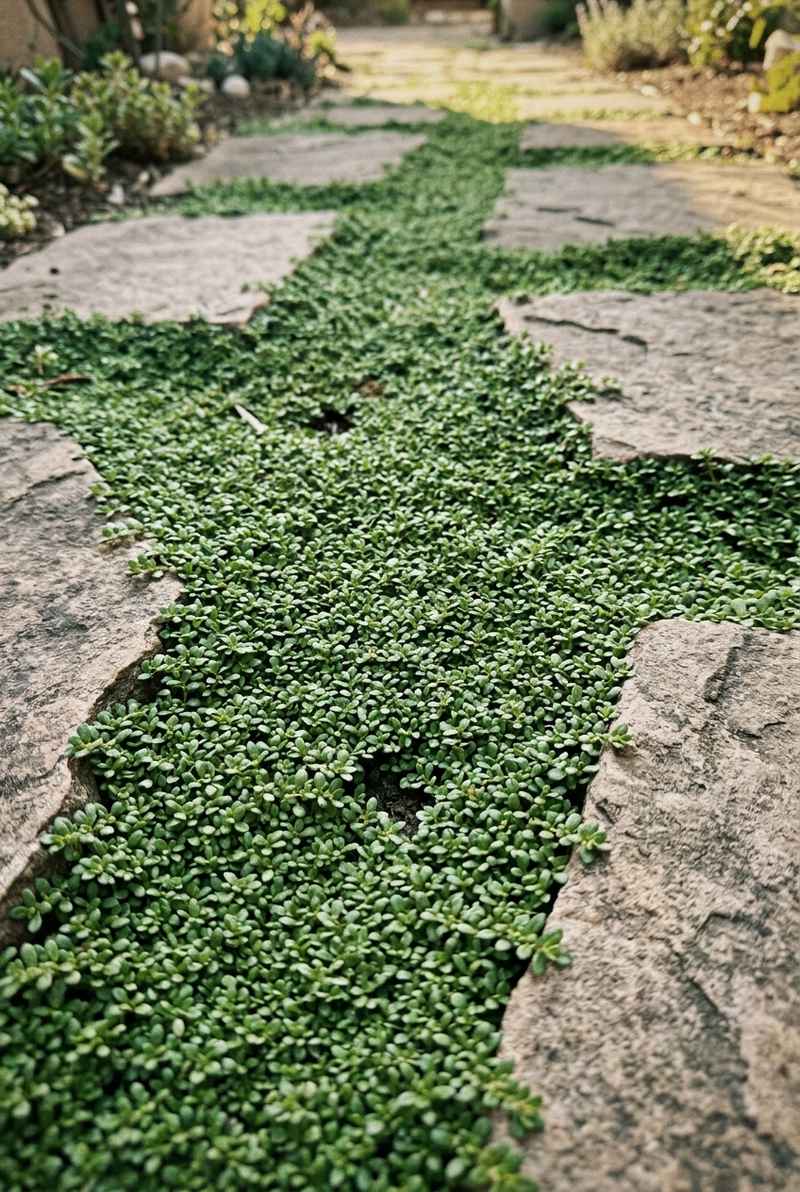
Almost nobody knows about this one. Flat as a carpet, handles heavy foot traffic, turns bronze in winter, and forms a mat so dense weeds can’t push through. No flowers to speak of. Pure function.
Use it between stepping stones, along pathways, or anywhere you need a walkable, weed-free surface. Looks like a moss lawn from a distance. I’d put this in every crack and gap where weeds currently live.
Save this to PinterestShade Ground Covers
6. Ajuga (Bugleweed)
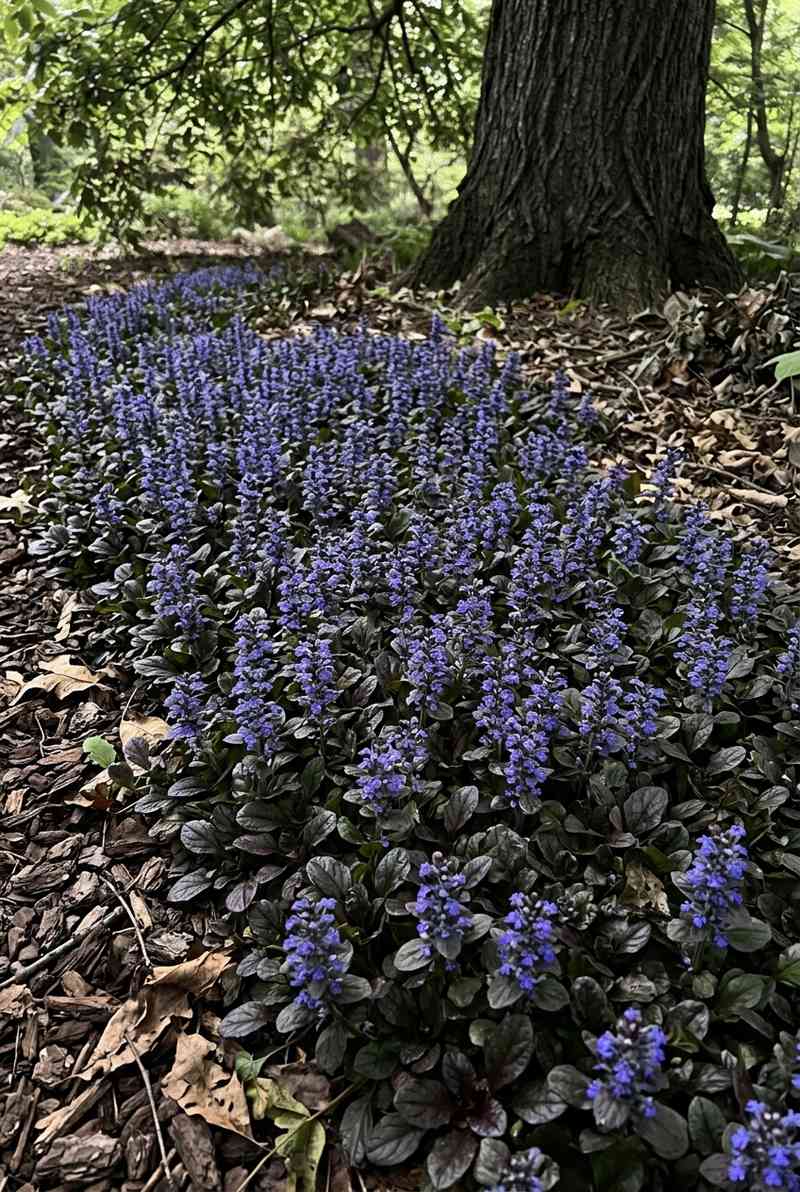
One of the few ground covers that works in deep shade AND full sun in the same yard. Blue-violet flower spikes in spring. Varieties like ‘Black Scallop’ and ‘Chocolate Chip’ have dark foliage that looks striking year-round.
Spreads by runners. Edge it where you don’t want it to go. Some gardeners report patchy growth that lets weeds sneak through, but in my experience it fills in tight by the second year. Deer-resistant, handles wet clay, and tolerates poor soil.
7. Pachysandra
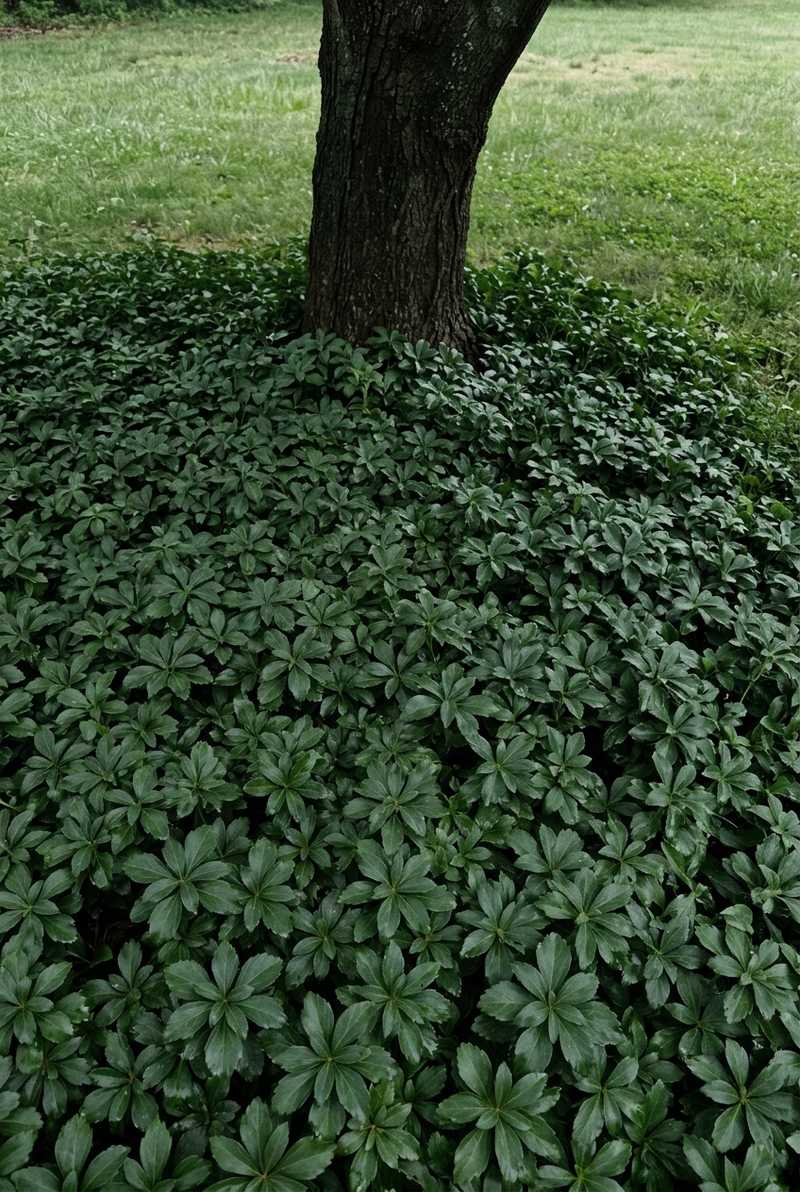
Once it takes hold, nothing grows through it. Dense, evergreen, and effective. One gardener on GardenRant weeded and maintained her pachysandra bed for 30 years before declaring it completely weed-free. That’s the long game, but it works.
Choose the native species (Pachysandra procumbens) over the Japanese type if you can find it. The native version is less aggressive, has better texture, and supports local ecosystems. The Japanese version works but is starting to show up on invasive watch lists in some regions.
8. Sweet Woodruff
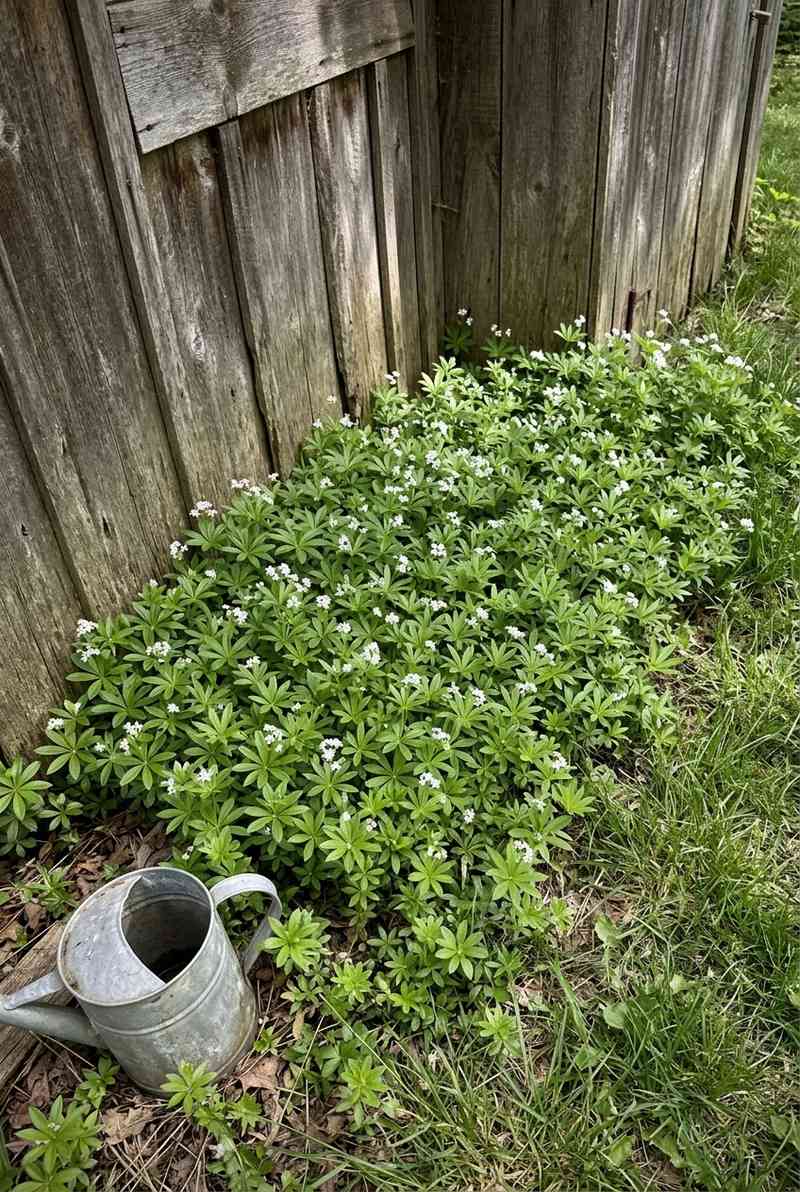
Whorled leaves in neat star patterns. Tiny white flowers in spring. Smells like fresh-cut hay when you brush against it or mow the edges. Forms a dense carpet in shaded areas where grass won’t grow.
Spreads by rhizomes, but manageable with edging. Be careful when weeding around it. Breaking the rhizomes accidentally creates new colonies exactly where you don’t want them. Deer-resistant.
9. Wild Ginger
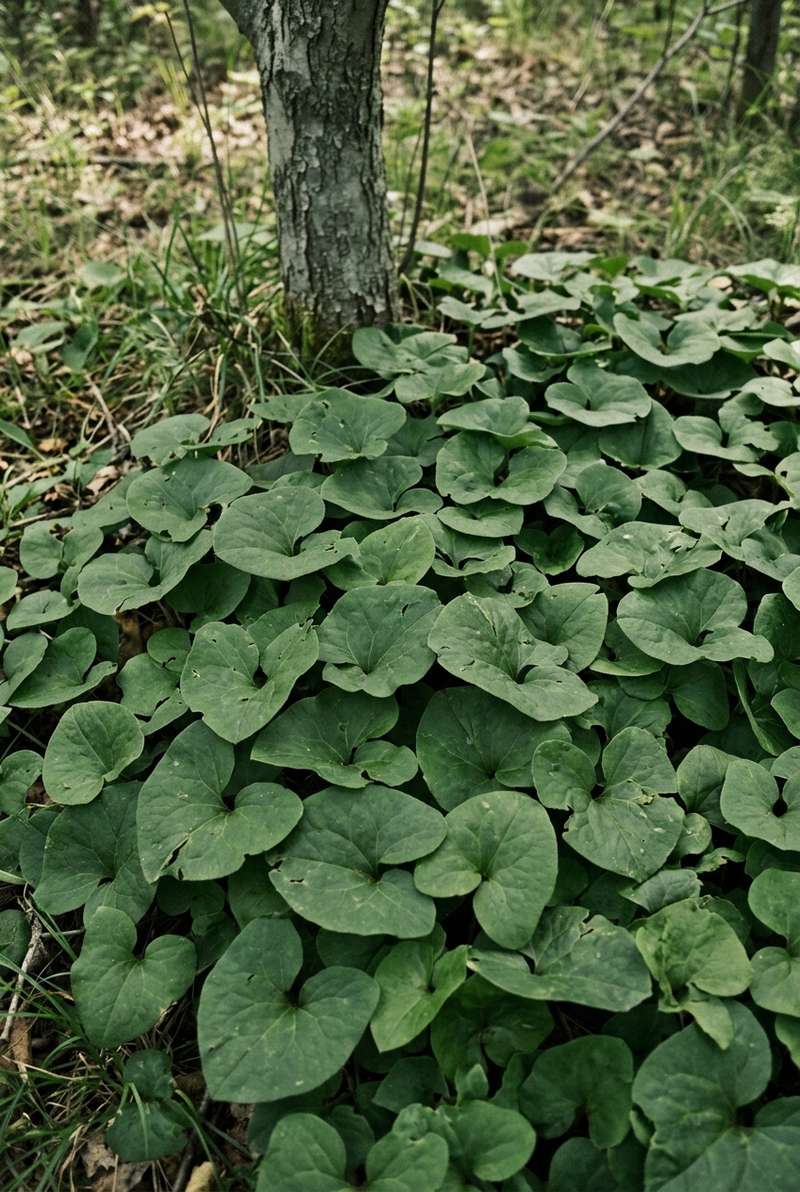
Native. Large heart-shaped leaves that form colonies dense enough to crowd out even garlic mustard, one of the most aggressive invasive plants in eastern forests. The rhizomes smell exactly like culinary ginger (no relation, just a chemical coincidence).
Slow to establish but worth the patience. Once a colony takes hold, it’s self-sustaining. Deer-resistant. No pests. No diseases. The quiet workhorse of native shade ground covers.
10. Liriope (Monkey Grass)
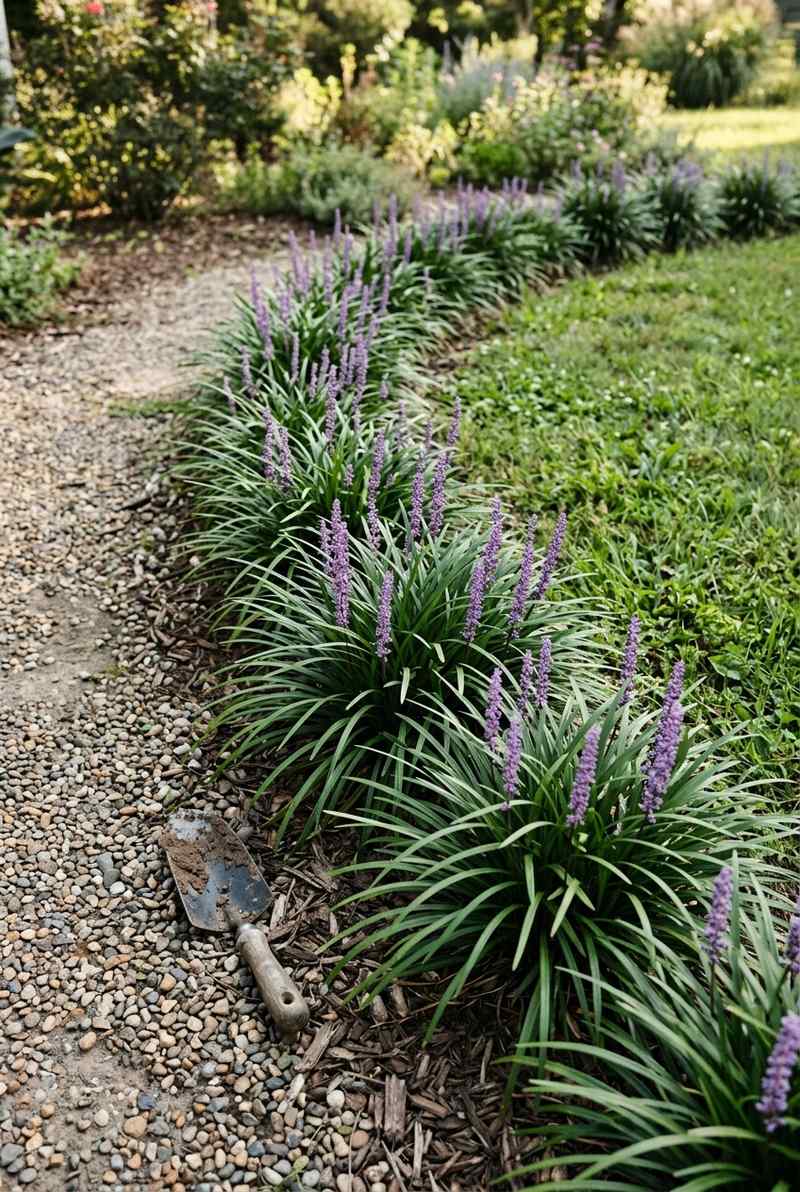
Evergreen grass-like tufts with purple flower spikes in late summer. Low maintenance once established. L. spicata spreads by runners and fills in fast for weed suppression. L. muscari stays in clumps and needs closer spacing.
For weed choking, you want L. spicata. Just edge it at borders or it’ll creep into the lawn. Mow it to 3 inches in late winter before new growth starts for a clean reset. Deer-resistant.
Sun or Shade Ground Covers
11. Creeping Jenny
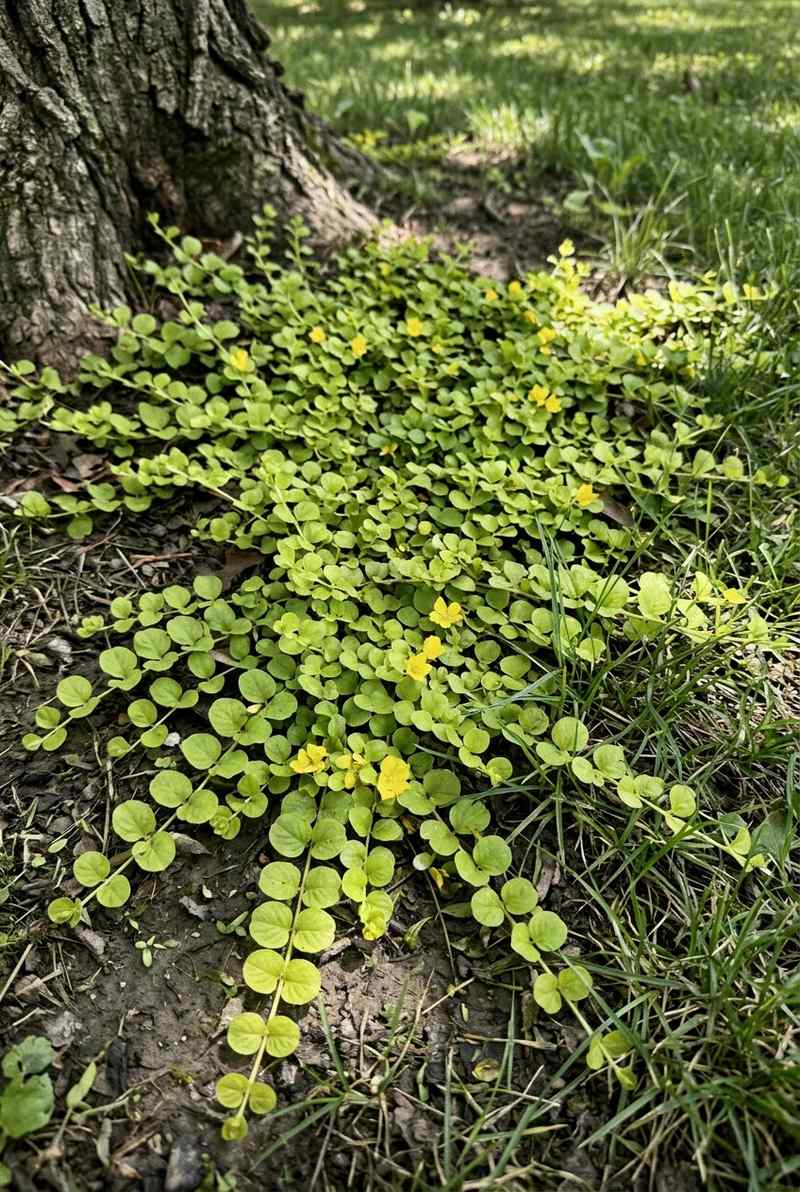
Lime-green coin-shaped leaves that carpet the ground fast. ‘Aurea’ (golden creeping Jenny) practically glows in shade. Small yellow flowers in summer. Roots wherever a stem touches soil.
Keep it away from streams, ponds, or wet natural areas. It can escape into wetlands and become problematic. In contained garden beds with defined edges, it’s manageable and effective. In open, moist landscapes, it’s a risk.
12. Lamium (Dead Nettle)
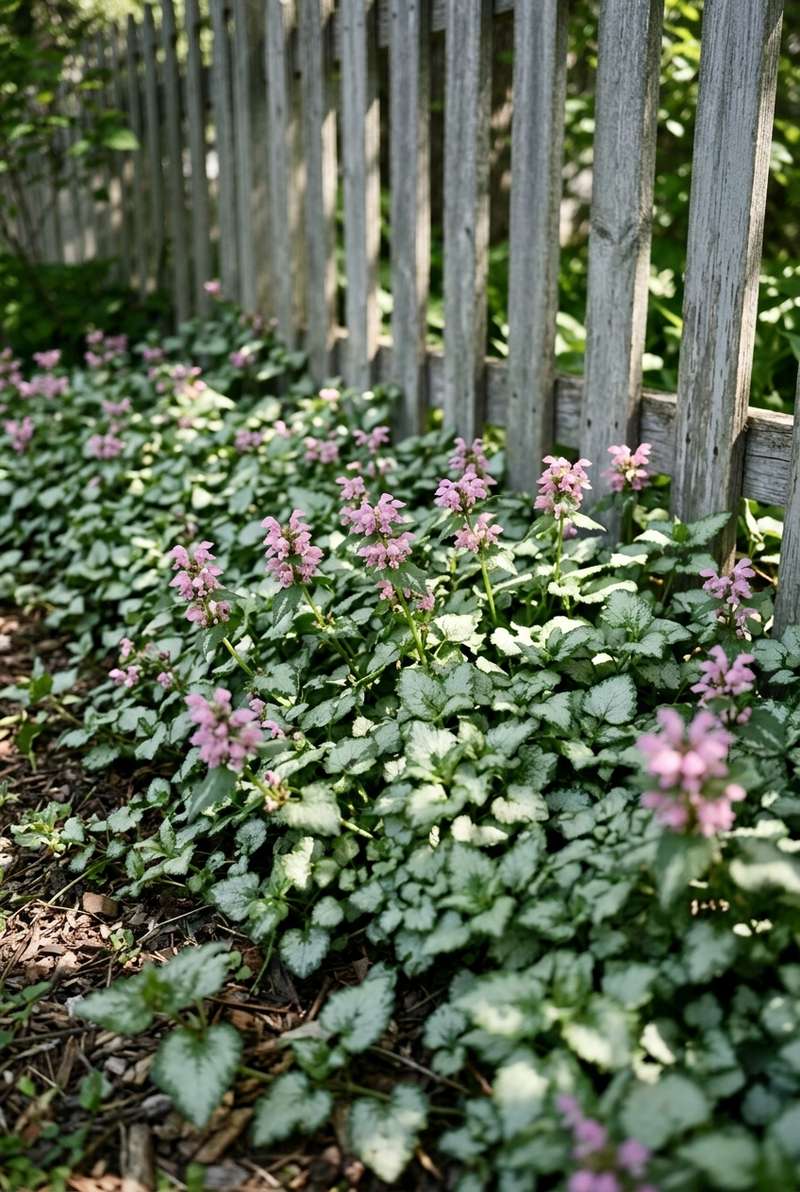
Silver-splashed leaves with pink, white, or purple flowers in spring. Brightens dark corners beautifully. ‘White Nancy’ (white flowers, silver leaves) is the most popular variety and it’s genuinely pretty.
Not as dense as pachysandra or ajuga for weed suppression, but fills shady gaps where other ground covers struggle. Deer-resistant. Can look ragged in late summer heat. Cut it back and it refreshes.
13. Mazus
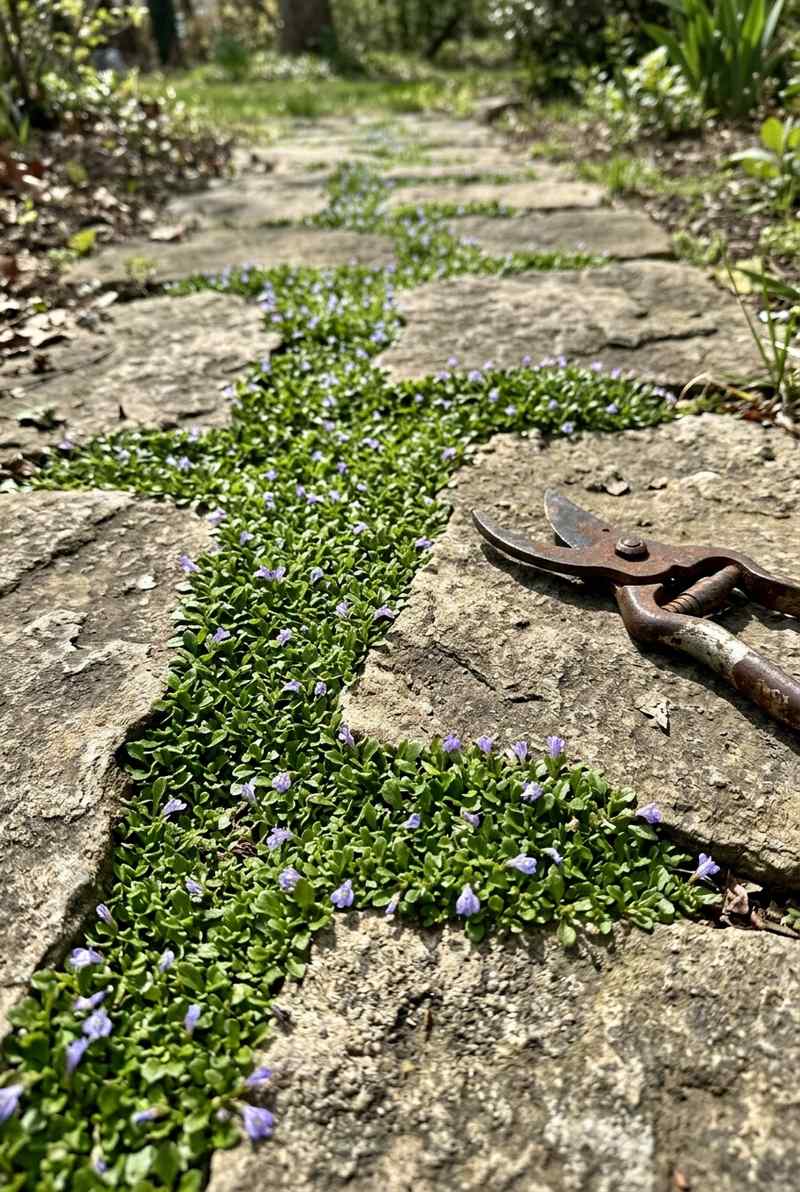
Ultra-low, almost flat against the ground. Blue-purple flowers in spring cover the entire mat. Handles moderate foot traffic, making it perfect between stepping stones. Fills in fast in moist soil.
Needs moisture. Won’t work in hot, dry locations. But for a shady path or damp lawn edge, it’s one of the best weed-excluding carpets you can plant. Underused and deserves more attention.
Ground Covers to SKIP (Invasive Problems)
These three appear in almost every “ground cover” article online. They spread beautifully. They also destroy ecosystems. I’m not being dramatic. Extension services and state agencies actively warn against planting them.
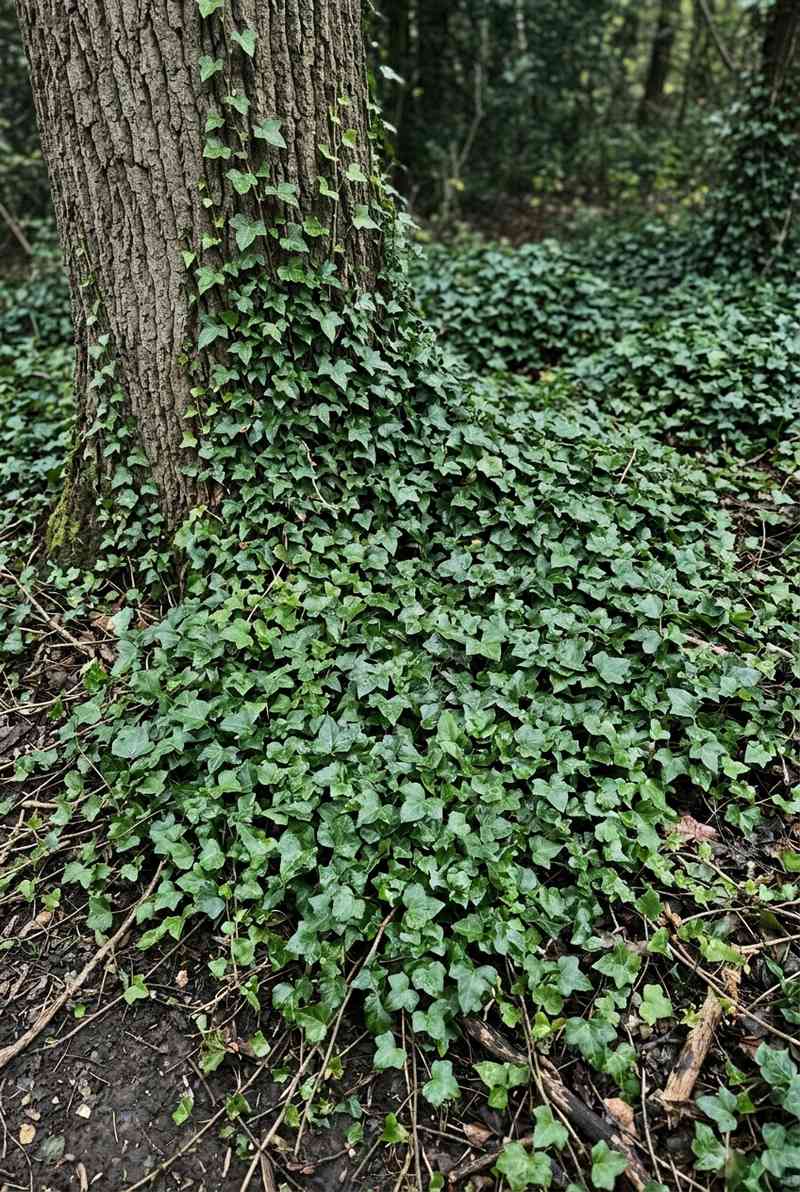
14. English Ivy (Hedera helix)
Spreads by seed AND vegetative runners. Climbs trees, blocks sunlight, causes bark damage and fungal disease. Classified invasive in multiple states. University of Maryland Extension says: “do not plant, replace existing specimens.” Any fragment left in soil regrows as a new colony. There are zero situations where this is the right choice for a residential garden.
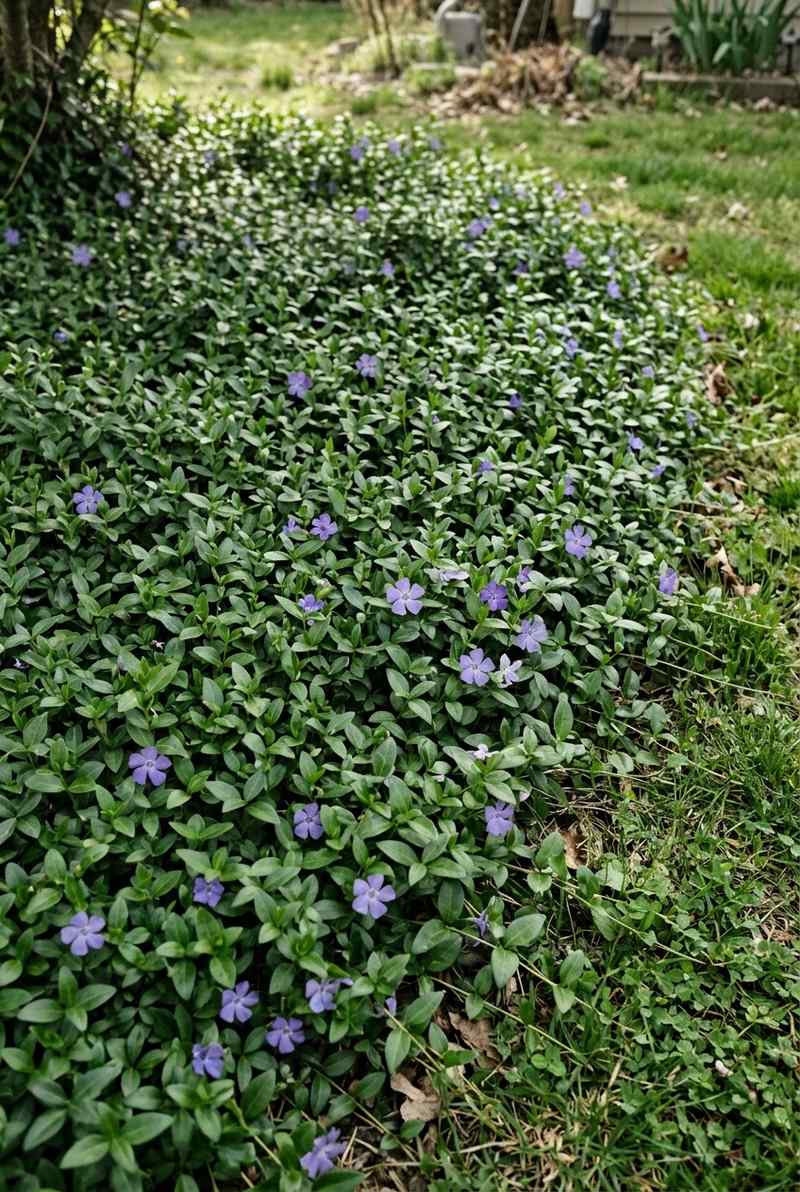
15. Vinca / Periwinkle (Vinca major & minor)
Re-roots wherever stems touch ground. Forms dense mats that prevent native tree seedlings from establishing. On do-not-sell lists in several states. It looks pretty. It’s also one of the most common invasive ground covers in eastern US forests. Use ajuga, lamium, or pachysandra instead. Same look, less ecological damage.
Two others worth mentioning: bishop’s weed (spreads through concrete edging, regrows from fragments, near-impossible to remove) and chameleon plant (Houttuynia cordata, which one gardener described as “it will not die, no matter what I do”). Both look great in photos. Both will take over your yard and your neighbor’s.
Making Ground Cover Actually Work
Three rules I learned the hard way:
- Mulch between plants during year one. Ground covers need 2-3 seasons to close the canopy. Bare soil between plants is weed heaven. A 2-inch layer of mulch bridges the gap until the plants knit together.
- Don’t use landscape fabric underneath. Weeds root into it, ground cover grows through it, and removing it later is ten times harder than just mulching. Skip it entirely.
- Edge aggressively. A ground cover that chokes out weeds will also choke out anything else it reaches. Metal or plastic edging at every border keeps it where you want it.
Common Questions
Which ground cover fills in the fastest?
Creeping Jenny and ajuga are the fastest spreaders, filling gaps within one growing season. Clover also establishes quickly from seed. Most others take 2-3 seasons for full coverage.
Can I walk on ground cover plants?
Some. Creeping thyme, rupturewort, mazus, and white clover handle foot traffic. Sedum tolerates light stepping. Pachysandra, sweet woodruff, lamium, and liriope should not be walked on.
Will ground cover choke out my other plants?
It can. Any ground cover aggressive enough to suppress weeds is aggressive enough to crowd out perennials and shrubs if you let it. Leave a clear ring (6-12 inches) around plants you want to keep, and maintain edges.
The Strip That Stopped Being a Problem
That sidewalk strip I used to weed every weekend now has creeping thyme filling the sunny side and ajuga covering the shaded end. Second summer in, and I’ve pulled maybe five weeds total. The thyme smells like herbs when I walk across it to get the mail.
Ground covers aren’t instant. That first year you’re still weeding and mulching and wondering if you made a mistake. By year two, the mat starts closing. By year three, the weeds give up. That’s when you understand why people plant these instead of fighting bare soil forever.