12 Plants That Love Epsom Salt (And 5 That Don’t)
- Soil amendments
- Magnesium
- Myth vs fact
- Vegetable garden
Last spring I dumped Epsom salt around every plant in the yard because a Pinterest pin told me to. Tomatoes, roses, herbs, the blueberry bush. All of it got a generous scoop.
Two weeks later, my pepper plants looked worse than before. Turns out I was blocking the exact nutrient they needed by adding a nutrient they already had enough of. That sent me down a research spiral I didn’t expect.
Epsom salt isn’t snake oil. But it’s not the miracle the internet pretends it is either. It only helps plants that actually need magnesium, in soil that’s actually deficient.
Here’s which plants respond well, which don’t, and what the science says versus what gardening blogs copy from each other.
Quick Answer
- Epsom salt = magnesium sulfate. It provides magnesium and sulfur. Nothing else.
- It does NOT fix blossom end rot (that’s calcium, and Epsom salt blocks calcium uptake)
- Most garden soil already has enough magnesium, especially if you add compost
- Only works when soil is genuinely magnesium-deficient (sandy, acidic, or heavily potassium-fertilized soil)
- Get a soil test before using it. A $15 test saves you from doing more harm than good.
What Epsom Salt Actually Does (And Doesn’t Do)
Epsom salt is magnesium sulfate. Magnesium is a building block of chlorophyll, the molecule that makes leaves green and drives photosynthesis. Sulfur helps with protein formation and enzyme activity.
That’s it.
It contains zero nitrogen, zero phosphorus, zero potassium, and zero calcium.
It’s not a complete fertilizer. It fixes exactly one deficiency.
The Blossom End Rot Myth
Dozens of articles recommend Epsom salt for blossom end rot on tomatoes and peppers. This is backwards. Blossom end rot is a calcium uptake issue caused by inconsistent watering. Magnesium and calcium compete for the same absorption pathway in roots. Adding Epsom salt when your plant needs calcium makes the problem worse, not better. UMN Extension, NC State, and NDSU all confirm this.
The other myth worth addressing: the “Epsom salt makes roses bloom more” claim has zero published research behind it.
Washington State University’s Dr. Linda Chalker-Scott reviewed the available literature and found nothing. The recommendation traces back to the Epsom Salt Council, which is an industry trade group, not a research institution.
Now. Here are the plants that genuinely benefit from magnesium, and when it actually makes sense to use Epsom salt on them.
How to Spot Magnesium Deficiency First
Before you add anything, know what you’re looking for. Magnesium deficiency shows up as yellowing between leaf veins while the veins themselves stay green.
This is called interveinal chlorosis.
The key detail: it starts on older, lower leaves first. Magnesium is mobile inside the plant, so it strips older leaves to feed new growth.
If yellowing starts at the top, that’s a different problem (iron or manganese).
On tomatoes, it often appears mid-season during heavy fruit set. On roses, lower leaves yellow and drop early. A soil test confirms whether magnesium is actually low or something else is going on.
1. Tomatoes
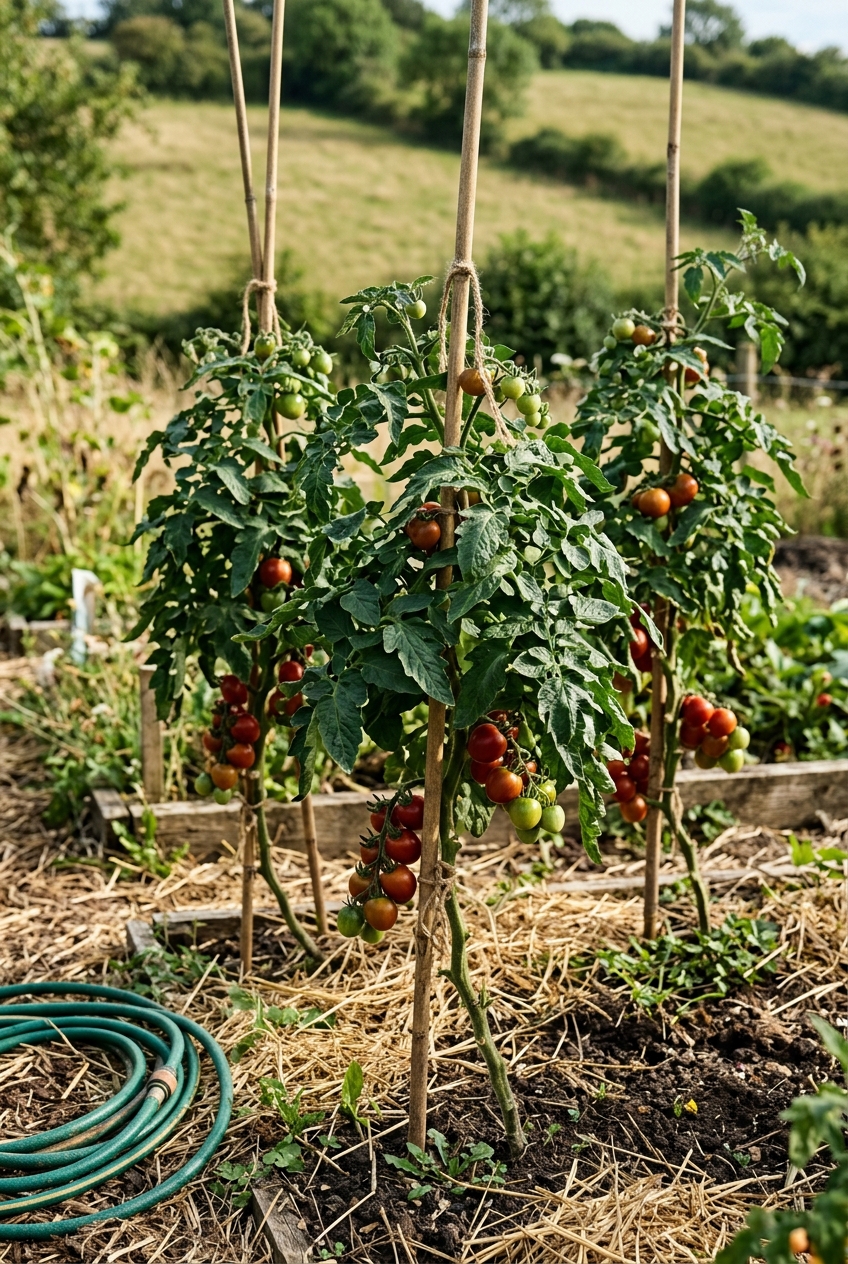
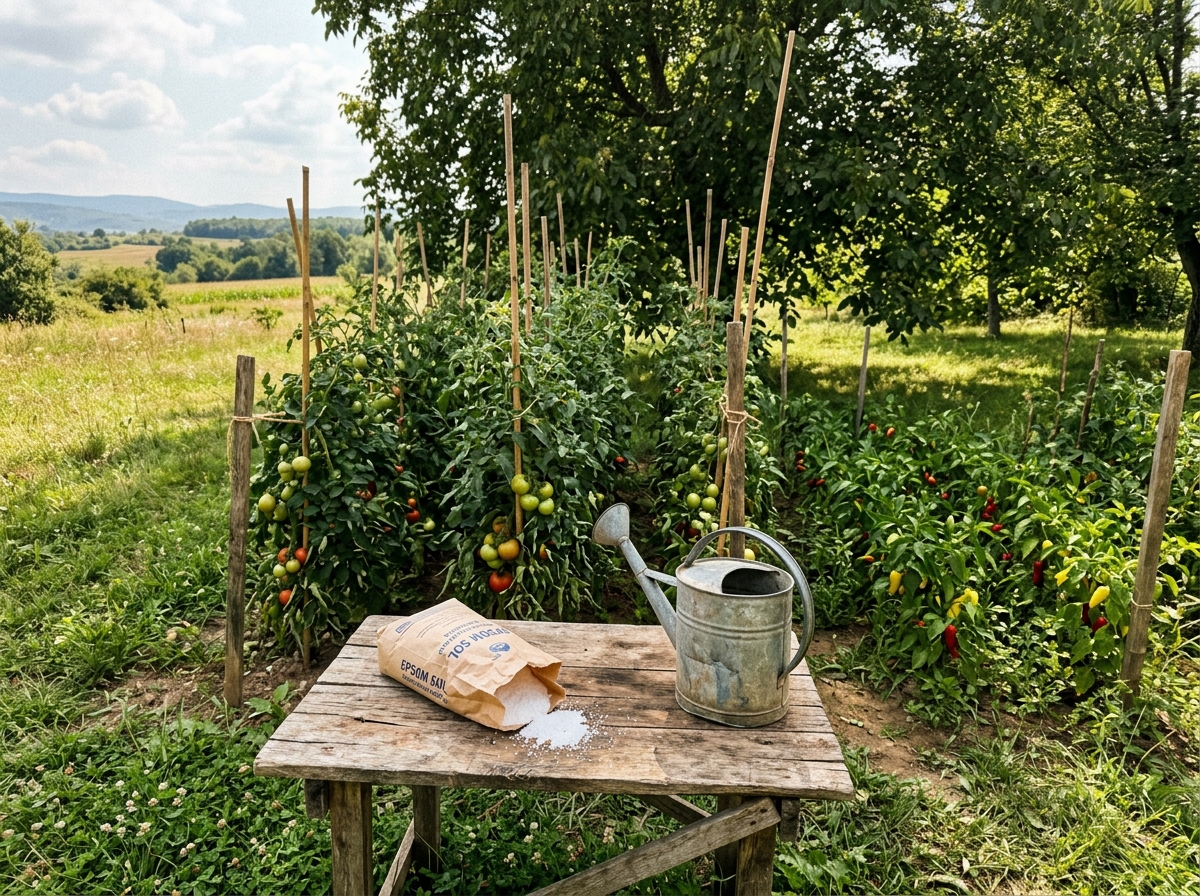
Tomatoes are heavy feeders that pull magnesium hard during fruit production. Mid-season deficiency is common, especially in sandy soil or beds that get heavy potassium fertilization (potassium and magnesium compete for uptake).
Foliar spray works faster than soil drenching here. Mix 1 tablespoon per gallon of water, spray the leaves in early morning or evening.
Do this when you see lower leaves yellowing between veins during fruit set.
I started doing this after my third attempt at growing tomatoes from seed finally made it to fruit stage and then the lower leaves turned yellow in July. Foliar spray greened them up in about 10 days.
2. Peppers
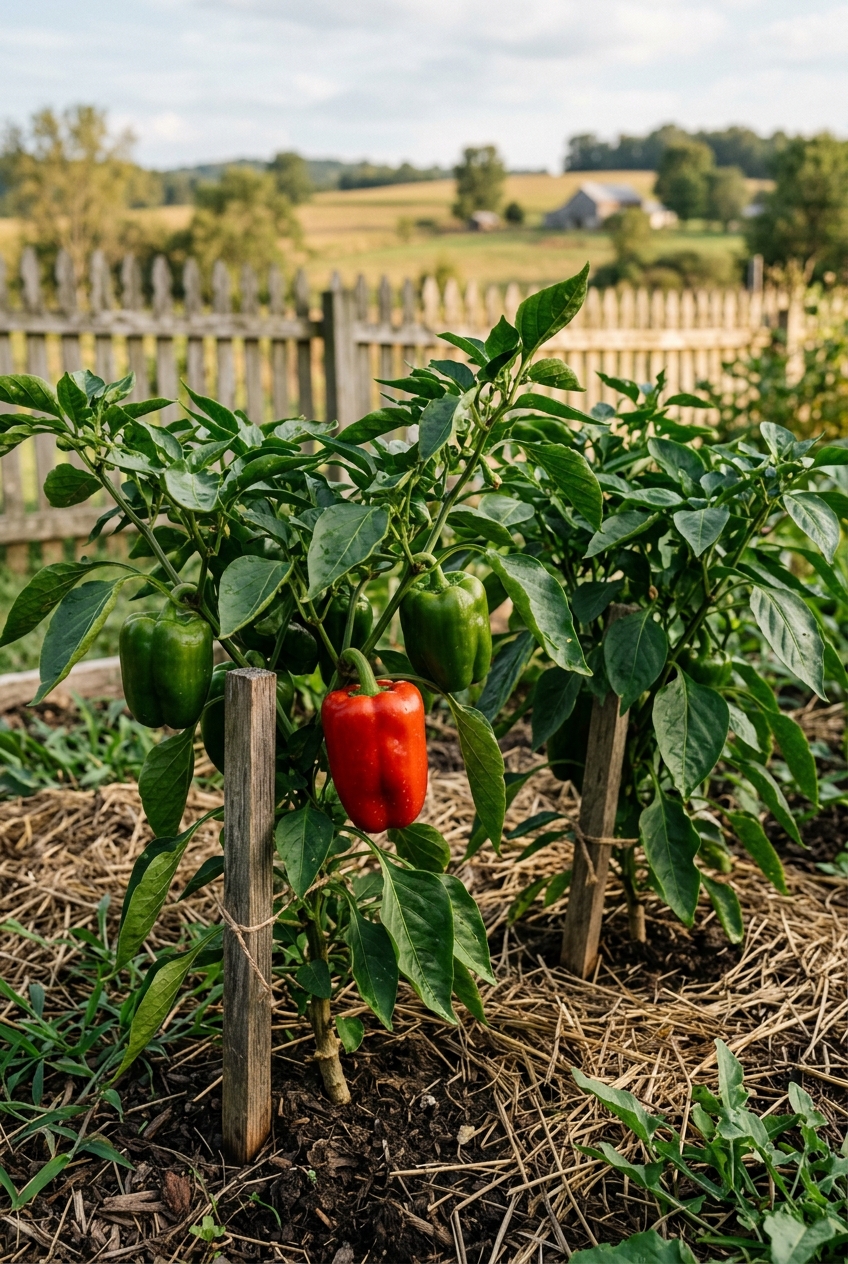
Same family as tomatoes, same magnesium appetite. Peppers show deficiency symptoms during heavy fruiting, especially bell peppers that produce large fruit.
1 tablespoon dissolved in a gallon of water, applied as a foliar spray every two weeks during flowering. Only if you see symptoms or your soil test shows low magnesium.
Don’t just add it because the internet says so (trust me on this one).
3. Potatoes
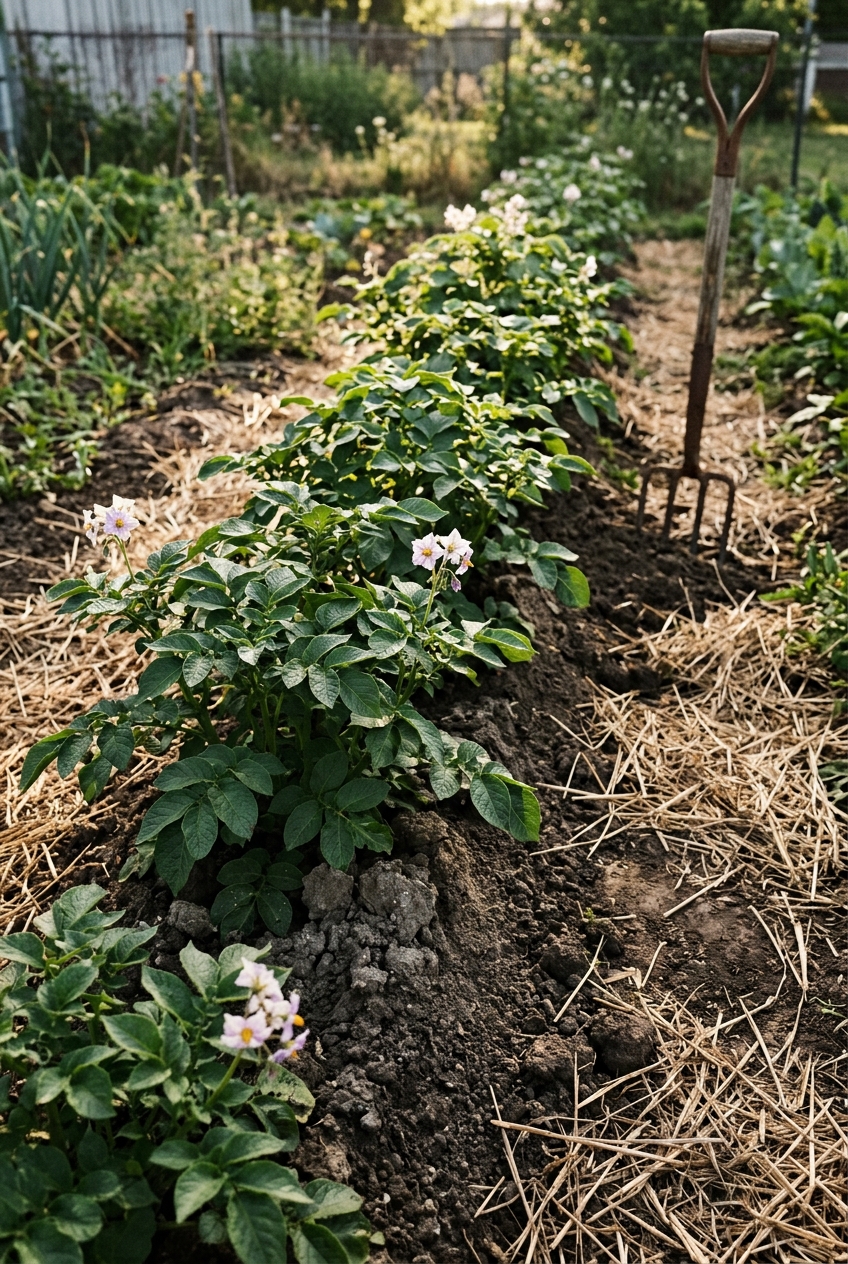
Here’s one that competitors rarely cover. A three-year study published in the American Journal of Potato Research found Epsom salt-treated tubers had the lowest discoloration, highest magnesium content, and best storage quality.
This was in magnesium-deficient soil.
Apply 1 tablespoon per gallon as a soil drench at planting and again when plants are 6 inches (15 cm) tall. Potatoes prefer slightly acidic soil (5.0-6.0), and Epsom salt won’t shift pH the way lime does, so it’s a good match.
4. Blueberries
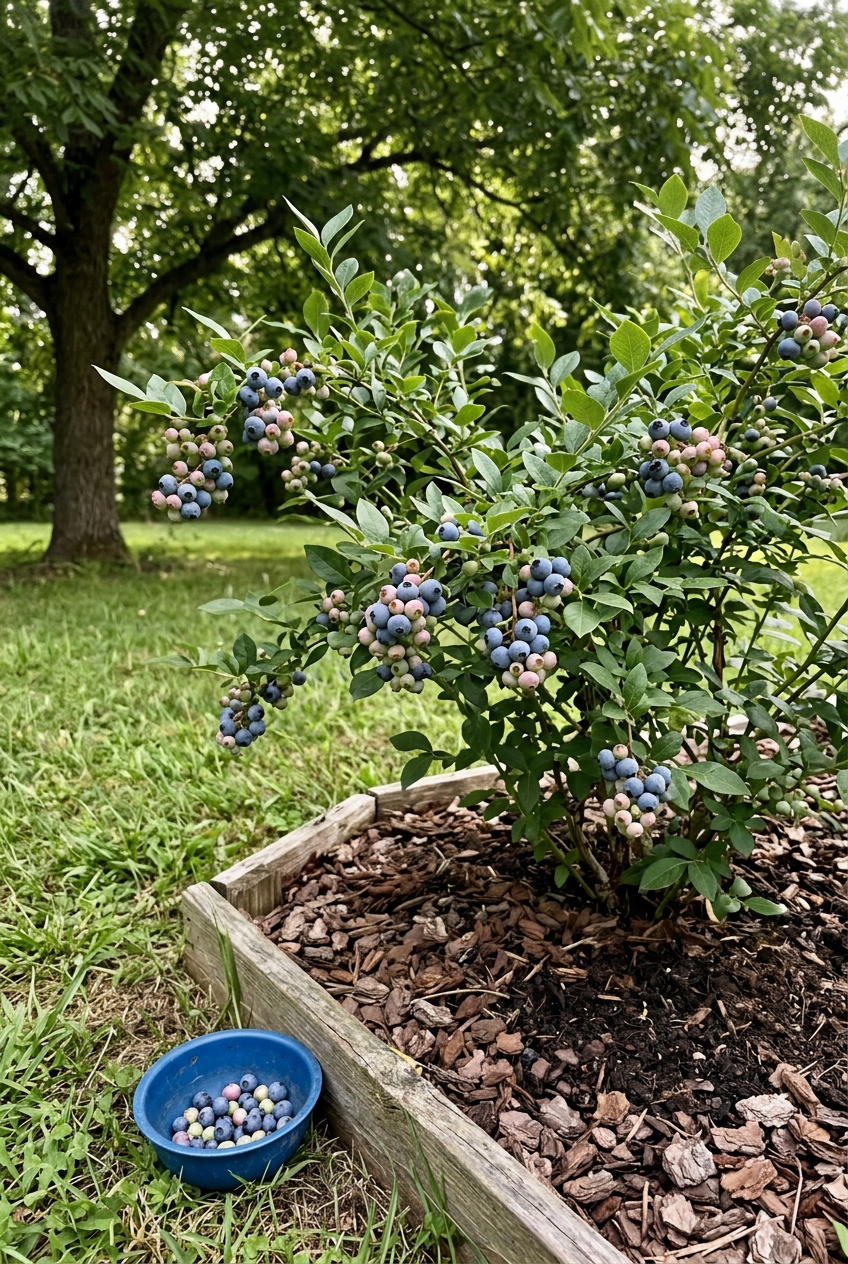
Blueberries need acidic soil (pH 4.5-5.5) and high magnesium. This is one of the few cases where Epsom salt is genuinely well-suited.
It provides magnesium without raising pH the way dolomite lime would.
Work 1 tablespoon into the soil around each bush in early spring. If leaves show interveinal yellowing on older growth, follow up with a foliar spray mid-season.
Save this to Pinterest5. Citrus Trees
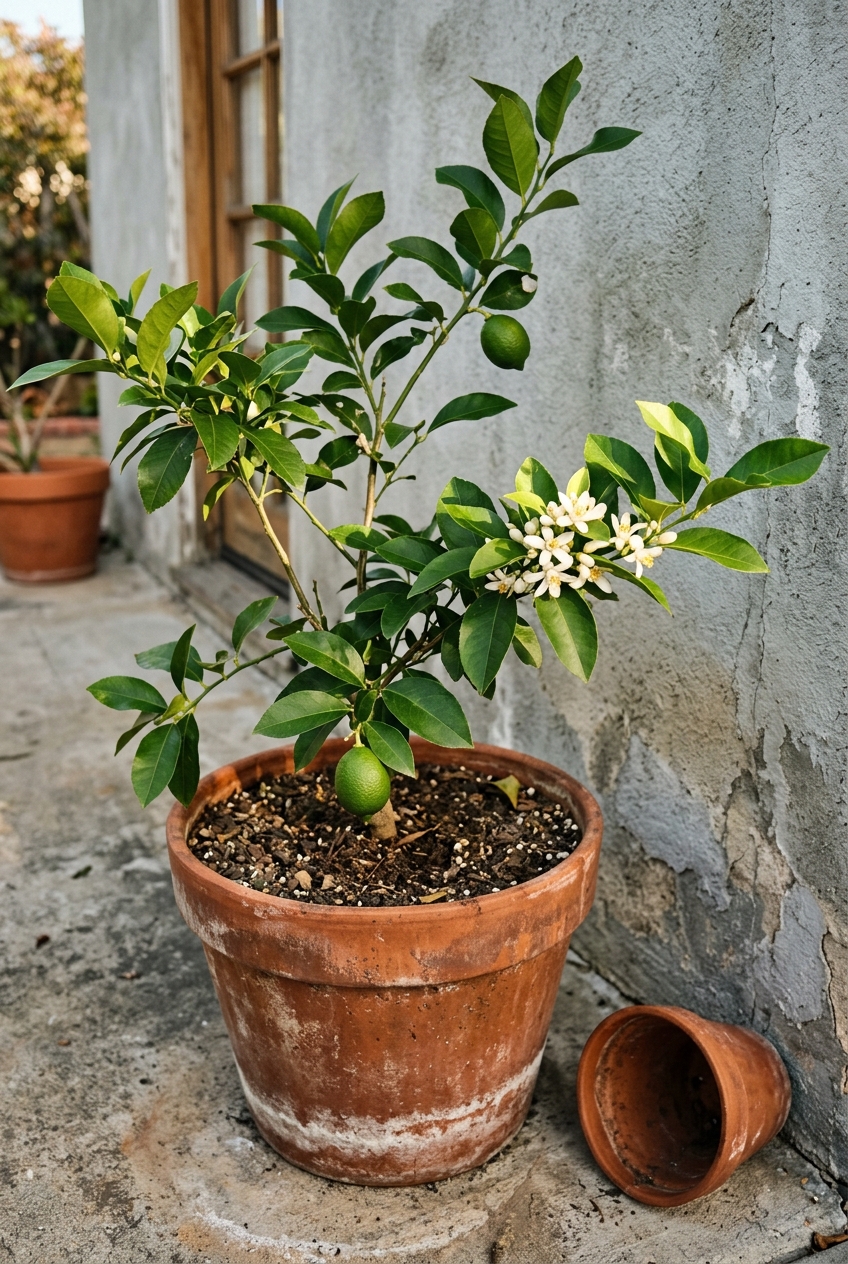
Lemon, lime, and orange trees are magnesium-hungry. Deficiency shows as yellowing between veins on mature leaves, often after heavy fruiting drains the tree’s reserves.
Dissolve 1 tablespoon per gallon and drench the soil around the drip line monthly during the growing season.
Container-grown citrus are especially prone because frequent watering leaches magnesium out of the pot.
6. Azaleas and Rhododendrons
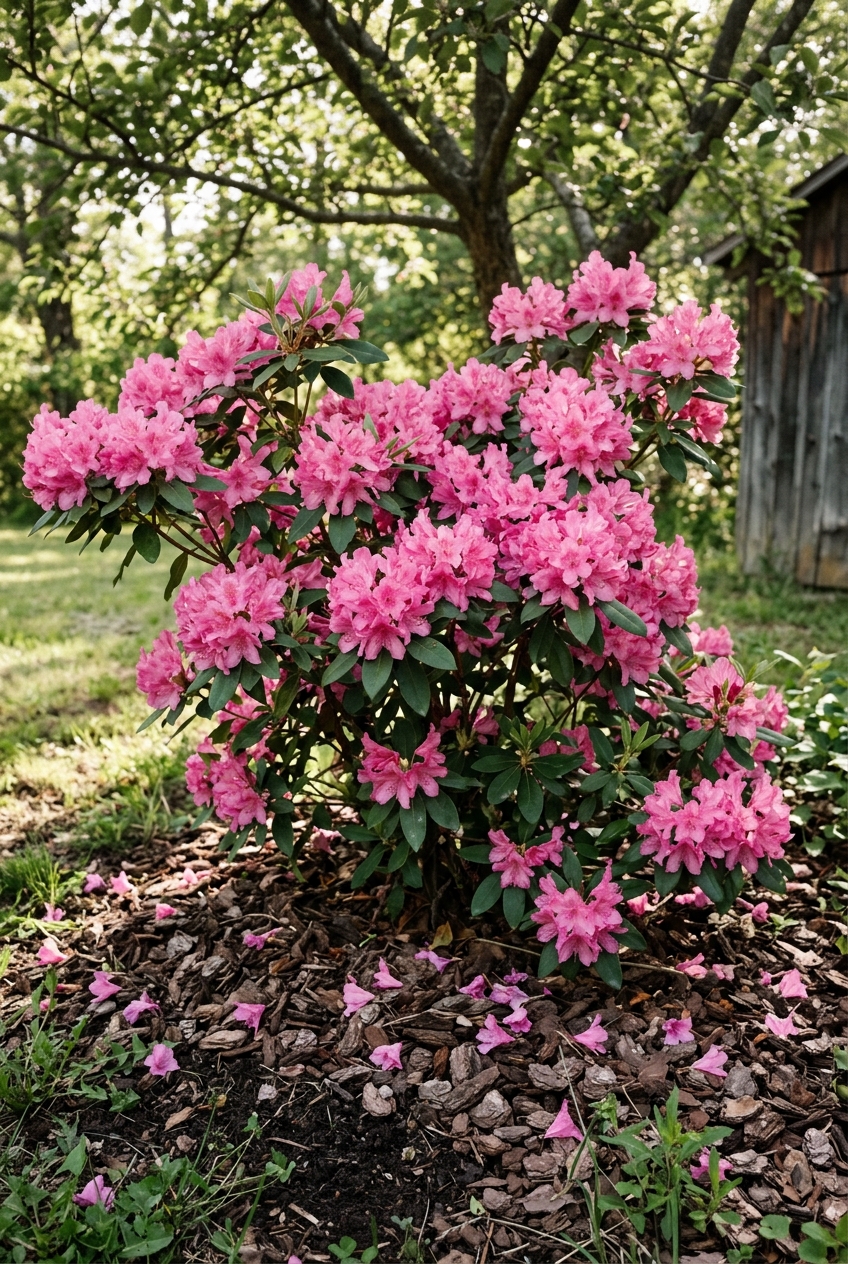
Acid-loving evergreen shrubs that use magnesium for deep green foliage. Like blueberries, they benefit from Epsom salt specifically because it doesn’t raise soil pH.
Apply 1 tablespoon per 9 square feet (1 sq meter) around the base in spring. These have shallow roots, so work it lightly into the top inch of soil or dissolve in water first.
7. Roses (With a Caveat)
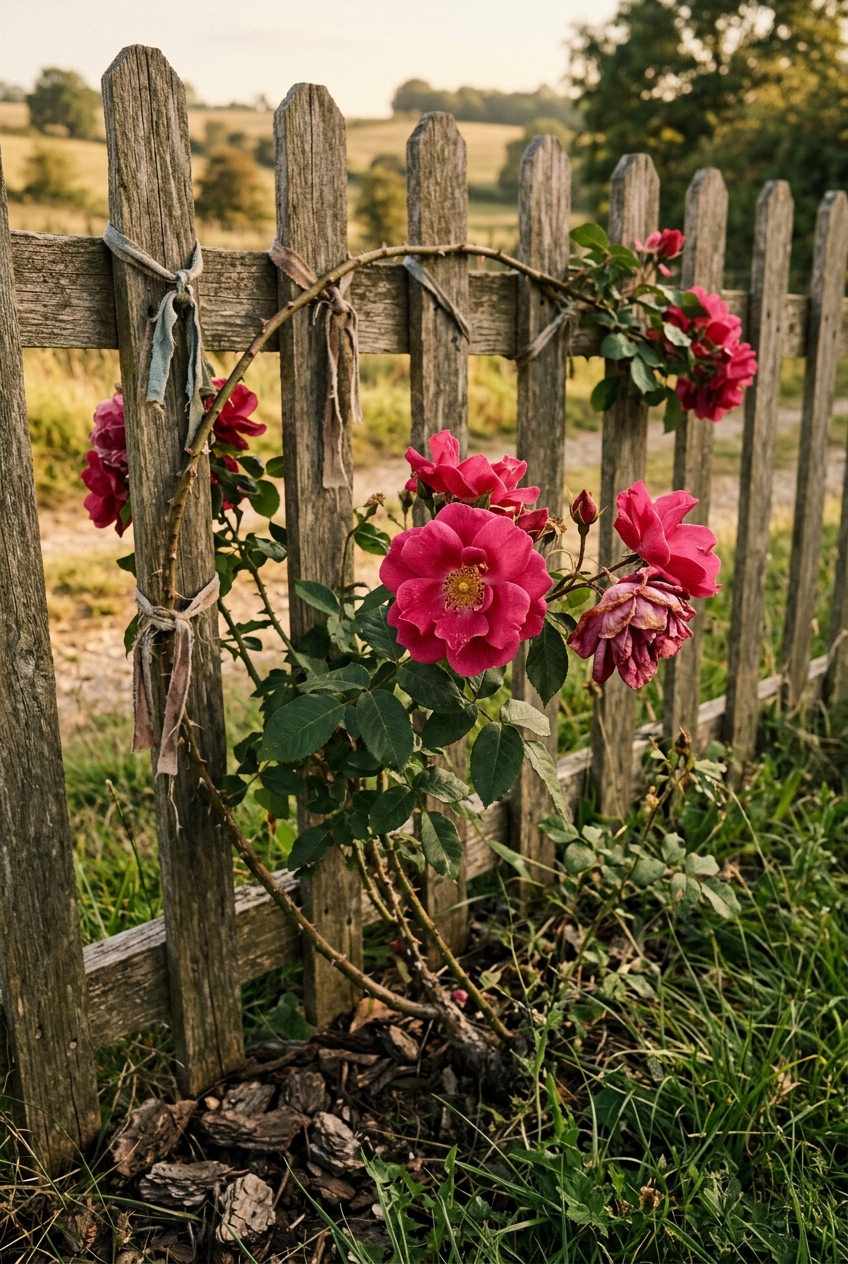
I need to be honest here. Despite being the most popular Epsom salt recommendation online, there’s no published research proving it boosts rose blooms.
WSU’s Chalker-Scott reviewed everything available and found nothing peer-reviewed.
That said, roses are heavy feeders and magnesium deficiency does cause leaf yellowing and weak stems.
If your soil test shows low magnesium, Epsom salt helps roses the same way it helps any magnesium-deficient plant.
Just don’t expect miracle blooms from it. The popular “1 tablespoon per foot of plant height” recommendation has no research behind it.
8. Evergreen Trees (Spruce, Fir, Pine)
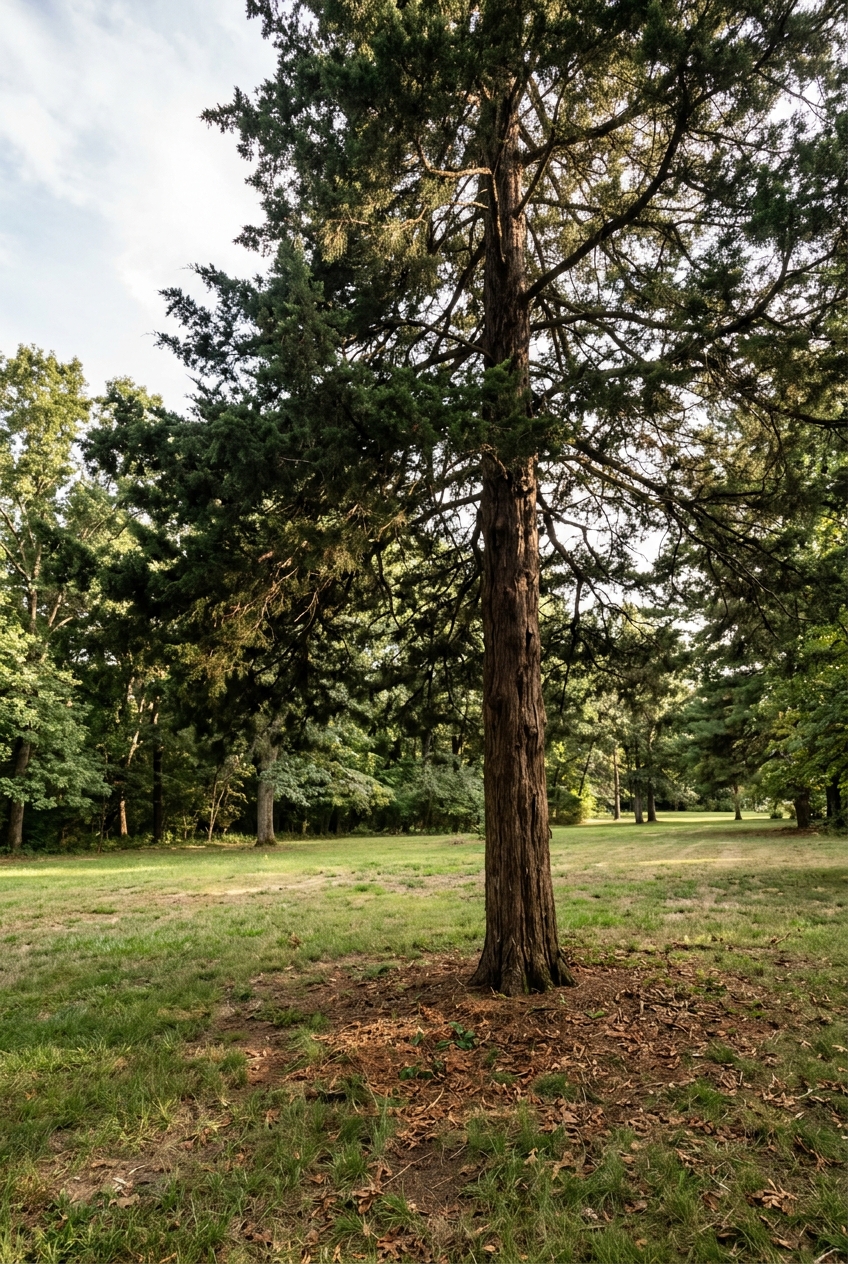
Evergreens with yellowing needles on older growth often have magnesium deficiency, especially in acidic forest soils that have been leached by rainfall.
This is well-documented in European forestry research.
Dissolve 2 tablespoons per gallon and drench the root zone in early spring. Larger trees need more. For established evergreens, scatter dry Epsom salt at 1/2 cup per 3 feet (1 m) of tree height, then water in.
9. Lawn Grass
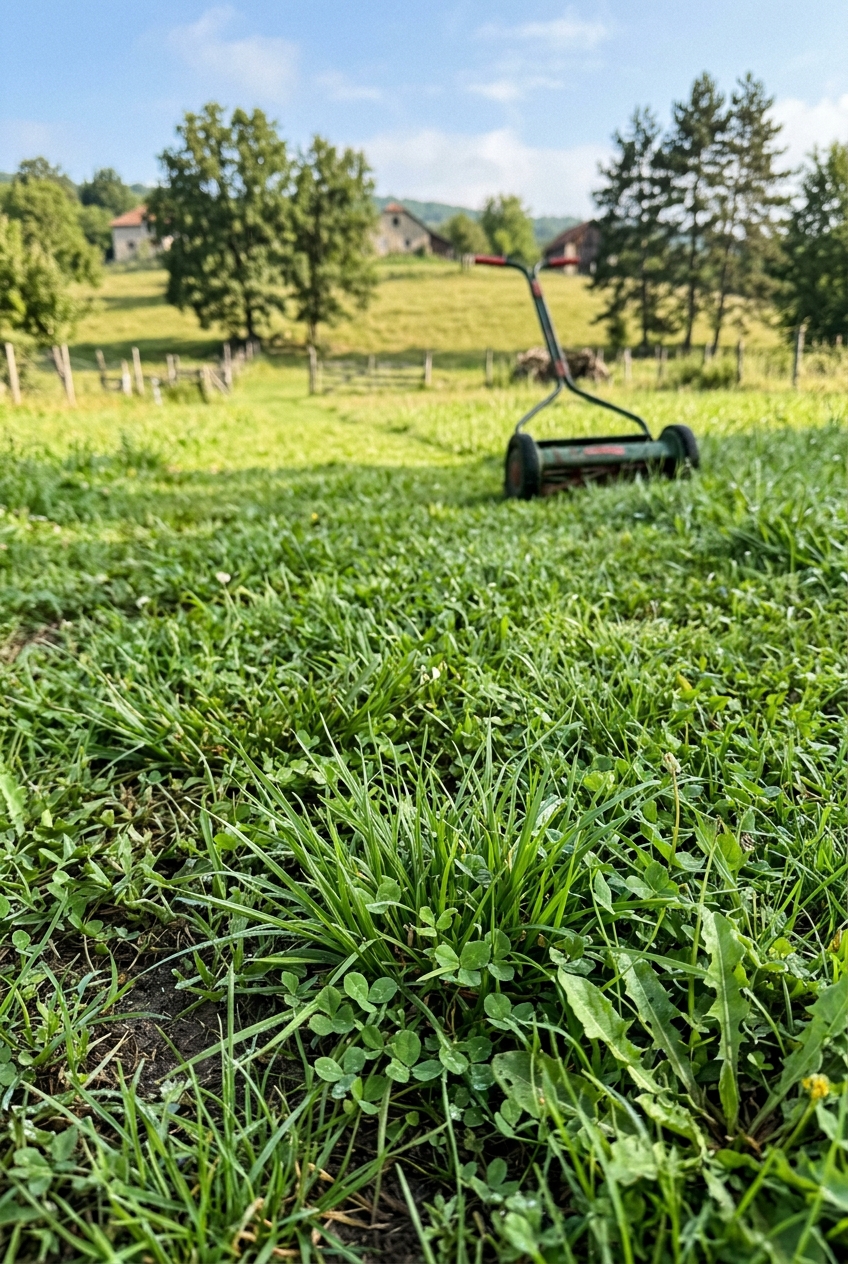
Yellow, patchy lawns in sandy or acidic soil sometimes respond to magnesium. The application rate for lawns is different from individual plants.
3 pounds (1.4 kg) per 1,250 square feet (116 sq meters), dissolved in water and applied with a sprayer. Or use a broadcast spreader for dry application.
This is one application per season, in early spring. Doing it more often risks salt buildup.
10. Orchids (Cymbidiums Especially)
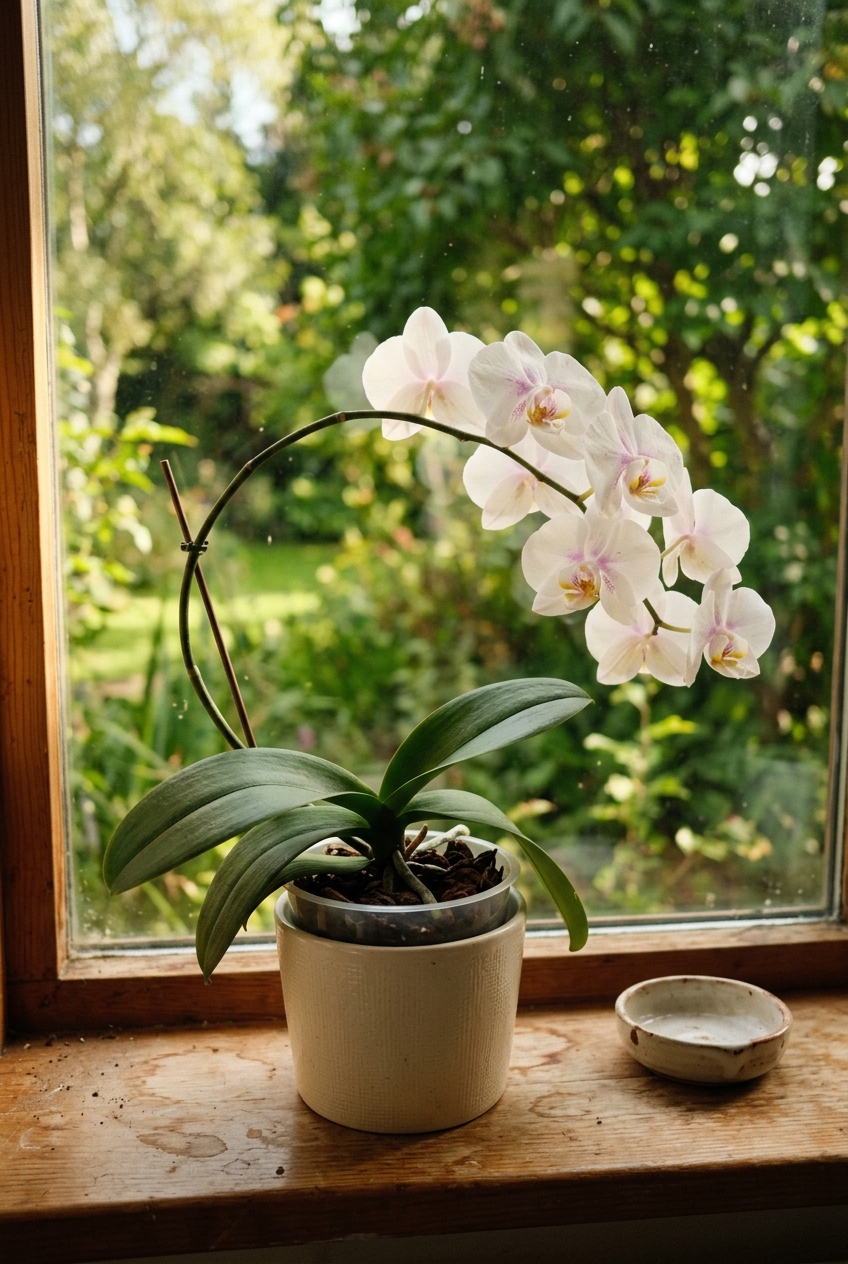
This is a niche use with enthusiastic fans. Two long-time cymbidium growers featured on Houzz forums use a 10% Epsom salt solution with every watering and report stronger cell walls and better blooms.
For most orchids: 1 teaspoon per gallon added to your regular watering once a month. Orchids are sensitive to salt buildup, so less is more. Flush the pot with plain water between Epsom salt applications.
11. Strawberries and Raspberries
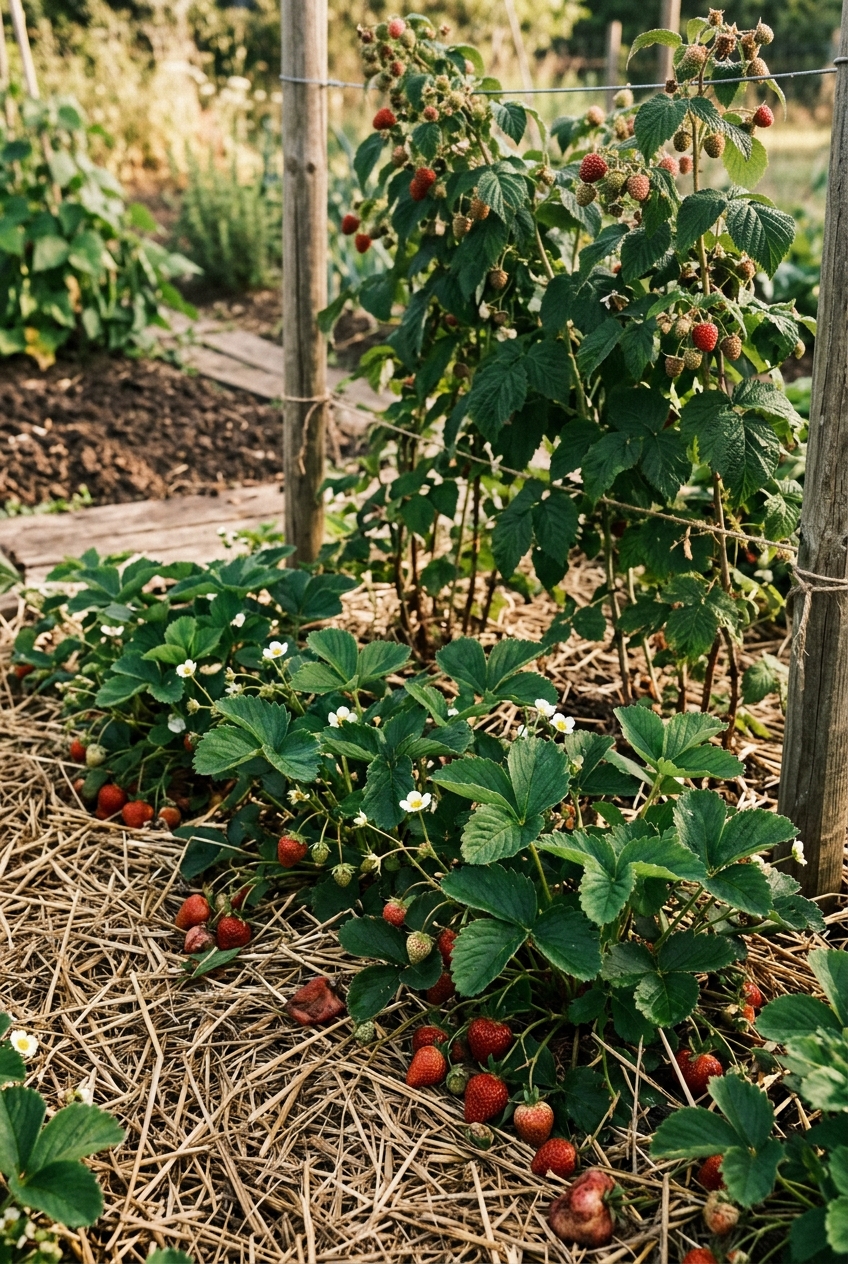
Berry crops in acidic soil respond to magnesium supplementation. Both show interveinal yellowing on older leaves when deficient, and both fruit heavily enough to deplete soil reserves over a few seasons.
1 tablespoon per gallon as a soil drench at planting, then again when flowering begins.
Our three-year-old eats more strawberries off the plant than make it inside, so I want every berry as big as possible.
12. Garlic
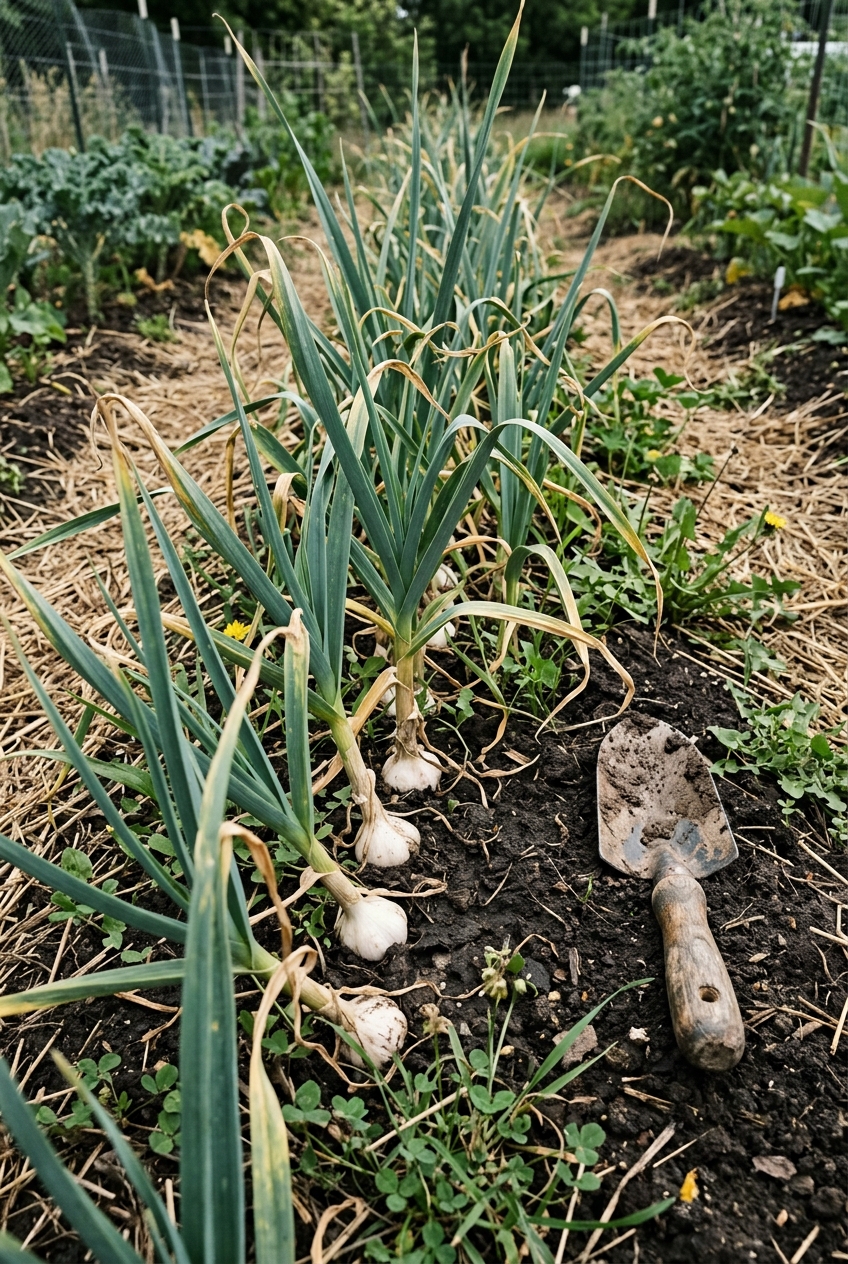
Under-discussed but relevant. Garlic is a long-season crop that pulls nutrients steadily for 8-9 months. In magnesium-poor soil, bulb size suffers.
Side-dress with 1 teaspoon per plant in early spring when growth resumes after winter dormancy. Water it in. This is one application, not a recurring schedule.
Plants That Should NOT Get Epsom Salt
This list is just as important as the one above. These plants are harmed by excess magnesium or the salt content:
- Sage (one of few herbs that responds poorly to added magnesium)
- Succulents and cacti (prefer lean, low-nutrient soil; salt buildup kills roots)
- Carnivorous plants (Venus flytraps, pitcher plants, sundews; even small amounts of mineral salts can kill them)
- Any plant showing blossom end rot (you’ll make it worse, not better)
- Plants in soil that already tests high in magnesium (excess Mg locks out calcium and potassium)
One gardener on Dave’s Garden applied Epsom salt to roses for 3-4 years without testing. Soil test finally came back with magnesium through the roof. Took 80 pounds of gypsum to correct it. Don’t be that person.
How to Apply It (The Right Way)
Two methods. Choose based on urgency.
| Method | Rate | When to Use |
|---|---|---|
| Foliar spray | 1-2 tbsp per gallon water | Quick fix for visible deficiency. Absorbs through leaves in days. |
| Soil drench | 1 tbsp per gallon water | Preventive, at planting or early season. Slower but longer-lasting. |
Foliar spray is faster because it bypasses the root competition problem entirely. Spray in early morning or evening to avoid leaf scorch. Don’t spray in direct sun or above 85F (29C).
Pro tip
Don’t mix Epsom salt with other water-soluble fertilizers in the same application. They can react and reduce effectiveness. Apply separately, at least a few days apart.
Frequent Questions
Can I use Epsom salt on container plants?
Yes, but carefully. Containers don’t leach salts the way garden beds do, so buildup happens faster. Use half the normal rate and flush pots with plain water every few weeks. Container-grown citrus and tomatoes are the best candidates.
How often should I apply Epsom salt?
For foliar spray: every 2 weeks during active growth, only while deficiency symptoms are present. For soil drench: once at planting and once mid-season at most. This is not something you do weekly. Routine use without symptoms causes more problems than it solves.
Does Epsom salt change soil pH?
No. Unlike lime or eggshells, magnesium sulfate is effectively pH-neutral. That’s why it works for acid-loving plants like blueberries and azaleas without disrupting their preferred pH range.
Is Epsom salt safe for organic gardens?
Magnesium sulfate is OMRI-listed and allowed in organic production. It’s a naturally occurring mineral. The concern isn’t organic status. It’s overuse and nutrient lockout from applying it when you don’t need it.
What about the Epsom salt bath water on plants hack?
Bath water often contains soap, oils, and skin cells. The tiny amount of dissolved Epsom salt in a full bathtub is negligible. Just dissolve fresh Epsom salt in clean water. It costs about $4 for a bag that lasts all season.
Soil Test First, Salt Second
I still use Epsom salt in the garden. But only on the tomatoes and peppers that show deficiency symptoms mid-season, and only as a foliar spray.
The rest of the garden gets compost, which provides enough magnesium for most plants without the risk of throwing off the calcium-to-magnesium ratio.
A $15 soil test from your local extension office tells you everything you need to know. If magnesium is low, use Epsom salt. If it’s fine, save your money and skip the Pinterest hacks. Your plants will thank you for not overdoing it.