19 Best Perennials for Shaded Areas (Tested in Real Shade)
- Shade garden
- Part shade & full shade
- Dry shade solutions
- Low maintenance
The north side of our house gets maybe two hours of sun on a good day. I planted three astilbes there my first spring, expecting the fluffy pink plumes from the tag photo.
Got foliage. Just foliage. No flowers at all.
That’s when I learned that “shade” isn’t one thing. Part shade, full shade, and dry shade under trees are three completely different environments.
Most plant lists lump them together and let you figure it out. This one doesn’t.
Every plant below is labeled by the type of shade it actually handles.
Quick Summary
- 19 perennials organized by shade type: part shade, full shade, and dry shade under trees
- Part shade = 2-4 hrs of dappled or morning sun. Full shade = under 2 hrs. Dry shade = under tree canopy where roots steal moisture.
- Flowering and foliage picks included
- Deer resistance noted for every plant
- Best starter pick: Hellebore. Blooms in late winter, handles full shade, deer-proof, nearly impossible to kill.
Know Your Shade First
This matters more than the plant you choose. Get this wrong and nothing works right.
| Shade Type | Light | Common Location |
|---|---|---|
| Part shade | 2-4 hrs dappled or morning sun | East-facing beds, under open canopy trees |
| Full shade | Under 2 hrs direct sun | North-facing walls, dense evergreen understory |
| Dry shade | Full shade + tree root competition | Under mature maples, oaks, beeches |
Dry shade under trees is the hardest. The canopy blocks light AND rain, and the roots steal moisture from everything you plant. Most shade plants want moisture. If you’re gardening under a big tree, skip to the dry shade section below.
Part Shade (2-4 Hours of Sun)
These need a bit of light to perform. Morning sun and afternoon shade is the ideal setup.
1. Astilbe
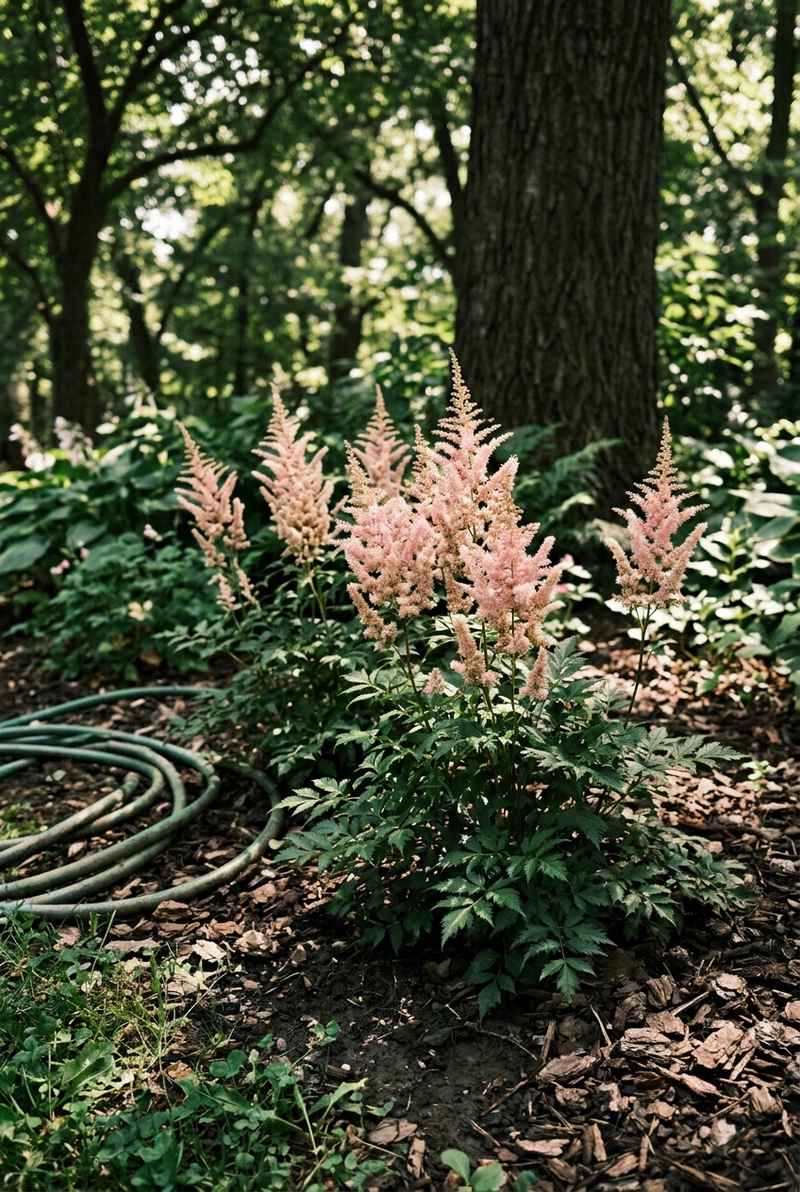
Those feathery plumes are gorgeous. But here’s what most labels don’t say: astilbe needs morning sun to actually flower. In full shade, you get nice fern-like foliage and zero blooms. Ask me how I know.
Also needs consistently moist soil. Dry shade under trees will kill it. Plant it where it gets morning light and stays damp, and it’s one of the best shade bloomers you can grow. Deer-resistant.
2. Bleeding Heart
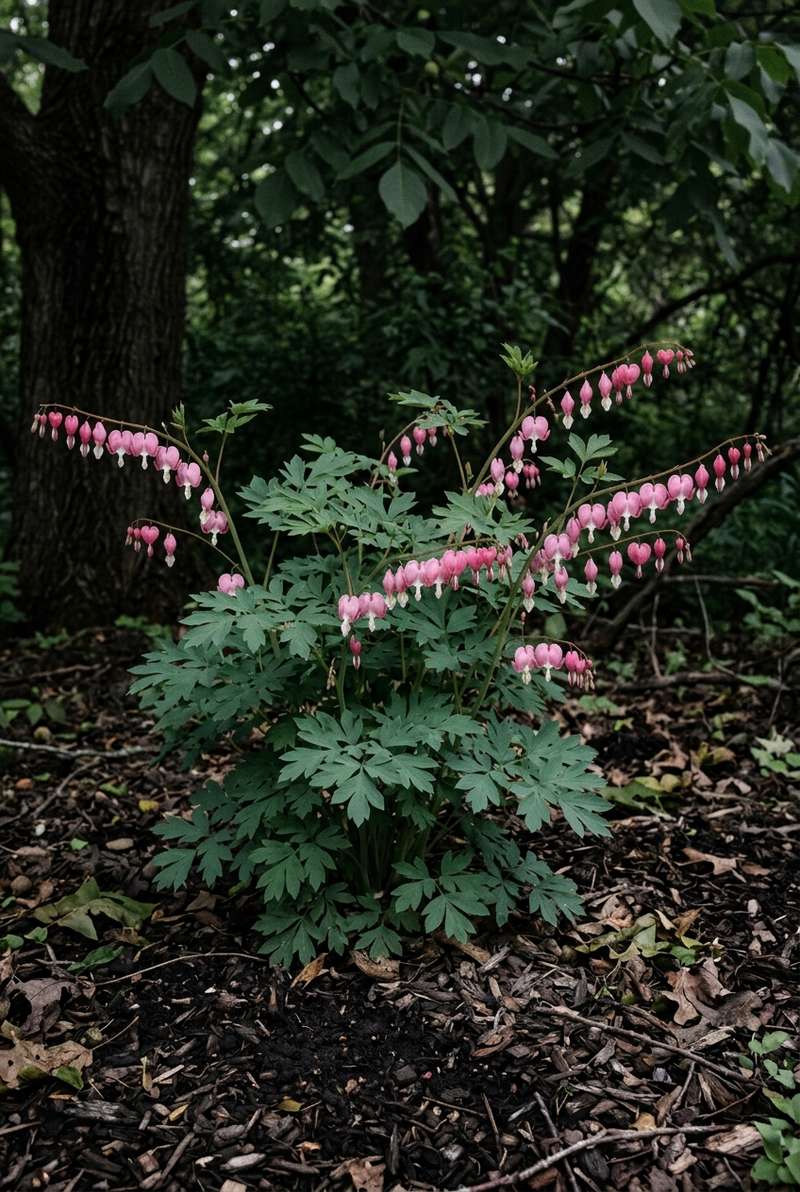
Heart-shaped flowers dangling from arching stems. Beyond gorgeous. The kind of plant that makes people stop and ask what it is.
Goes completely dormant by August. The foliage yellows and disappears, leaving a bare gap in the bed. Plant ferns or hostas nearby to fill the hole. Deer-resistant (toxic foliage). The cut stems last two weeks in a vase, which is a bonus nobody mentions.
3. Columbine
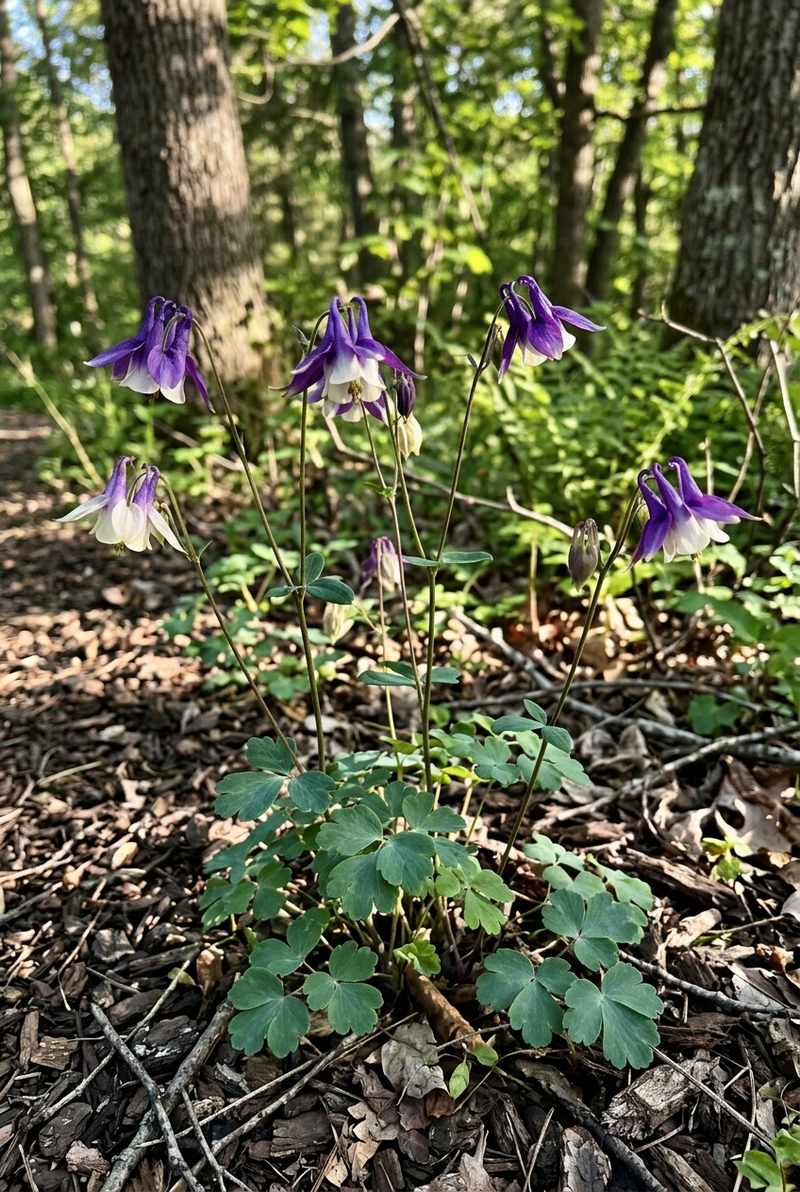
Delicate spurred flowers in nearly every color combination. Self-seeds gently, so new plants appear each year in slightly different spots. I like that randomness. It makes the shade bed feel alive rather than planned.
Leaf miners sometimes disfigure the foliage after blooming. Cut the foliage back and fresh leaves emerge. Not a serious problem, just cosmetic. Deer-resistant.
4. Foamflower (Tiarella)
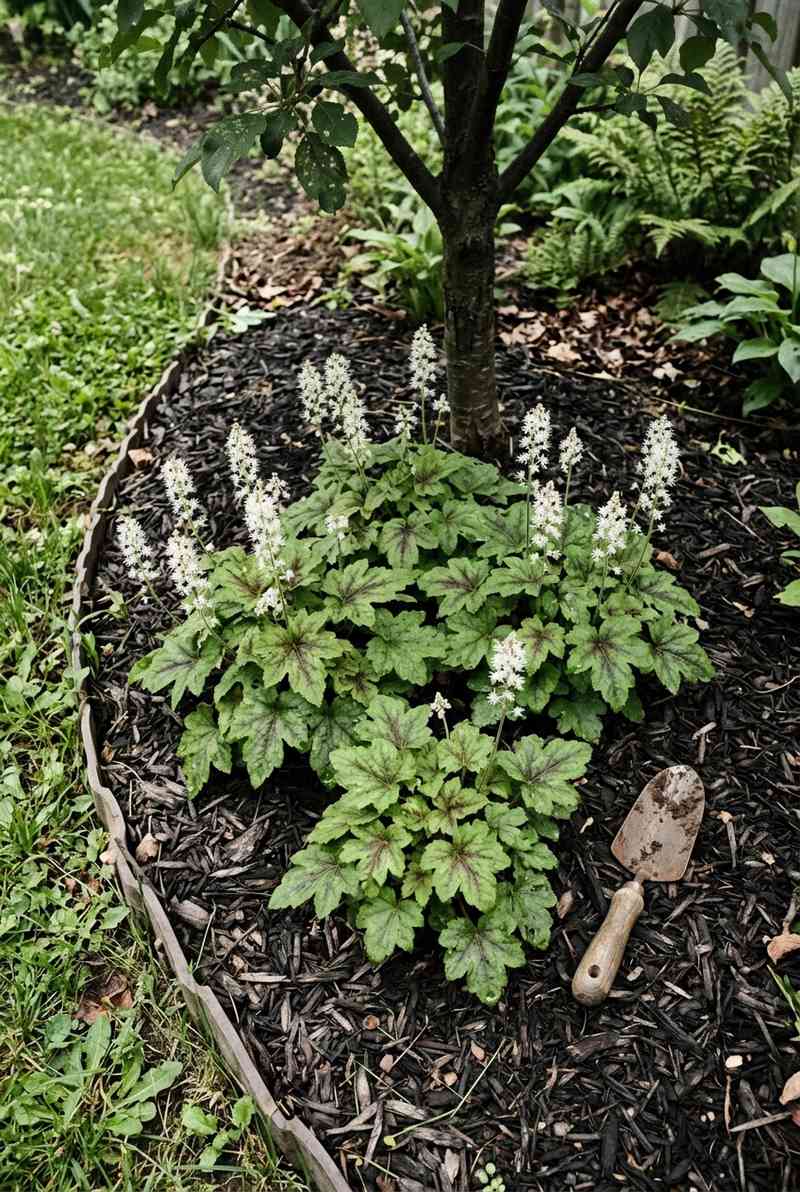
Low, spreading, with tiny bottlebrush flowers in spring. Native. The maple-shaped leaves often have dark veining that looks hand-painted. Beautiful even when not blooming.
Spreads by runners to form a gentle carpet. Not aggressive. Pairs perfectly with heuchera (they’re closely related and even hybridize). Deer-resistant.
5. Japanese Painted Fern
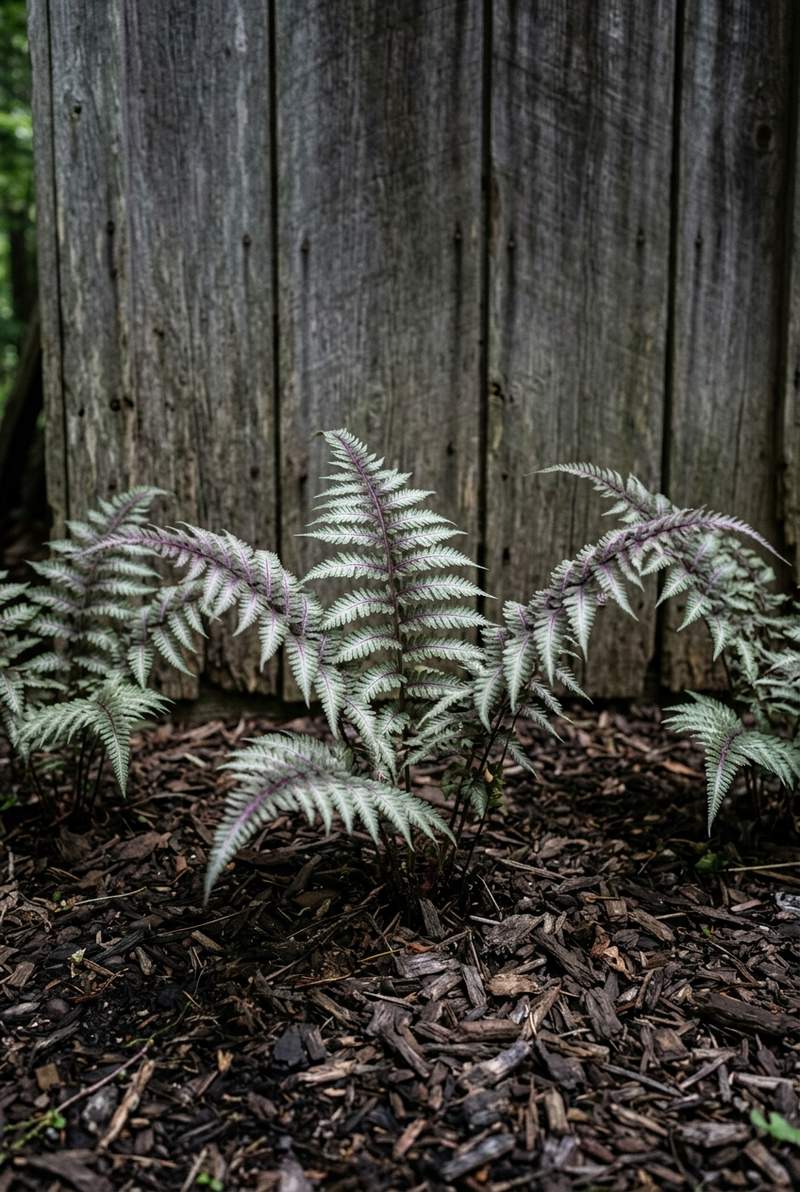
Silver, green, and burgundy fronds that look metallic in the right light. No flowers, but it doesn’t need them. This is the most beautiful fern you can grow in a shade garden.
Don’t plant the crown too deep or it rots. Set it at soil level, mulch around it, and leave it alone. Deer-resistant. Slugs occasionally, but nothing serious.
Save this to PinterestFull Shade (Under 2 Hours of Sun)
North-facing walls, dense tree cover, spots that never see direct light. These plants handle it.
6. Hellebore
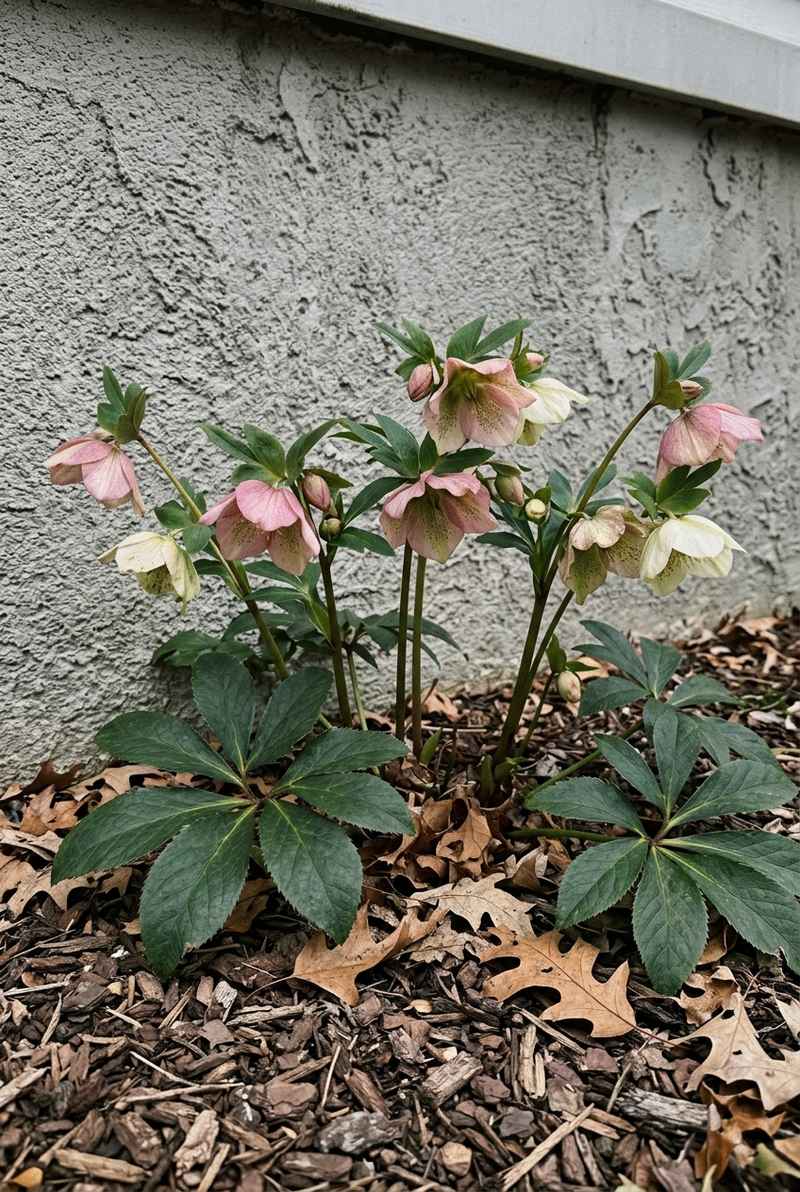
Blooms while everything else is still underground. January through March, depending on your zone. Nodding flowers in white, pink, purple, green, or near-black. I’ve killed more hellebores than I care to admit, but the ones that survived are the best thing in my shade garden.
Deer won’t touch them (toxic alkaloids). Disease-free. Slow to establish, so give them two years before expecting a real show. Evergreen foliage in most zones. This is my number one shade plant recommendation. Not even close.
7. Hosta
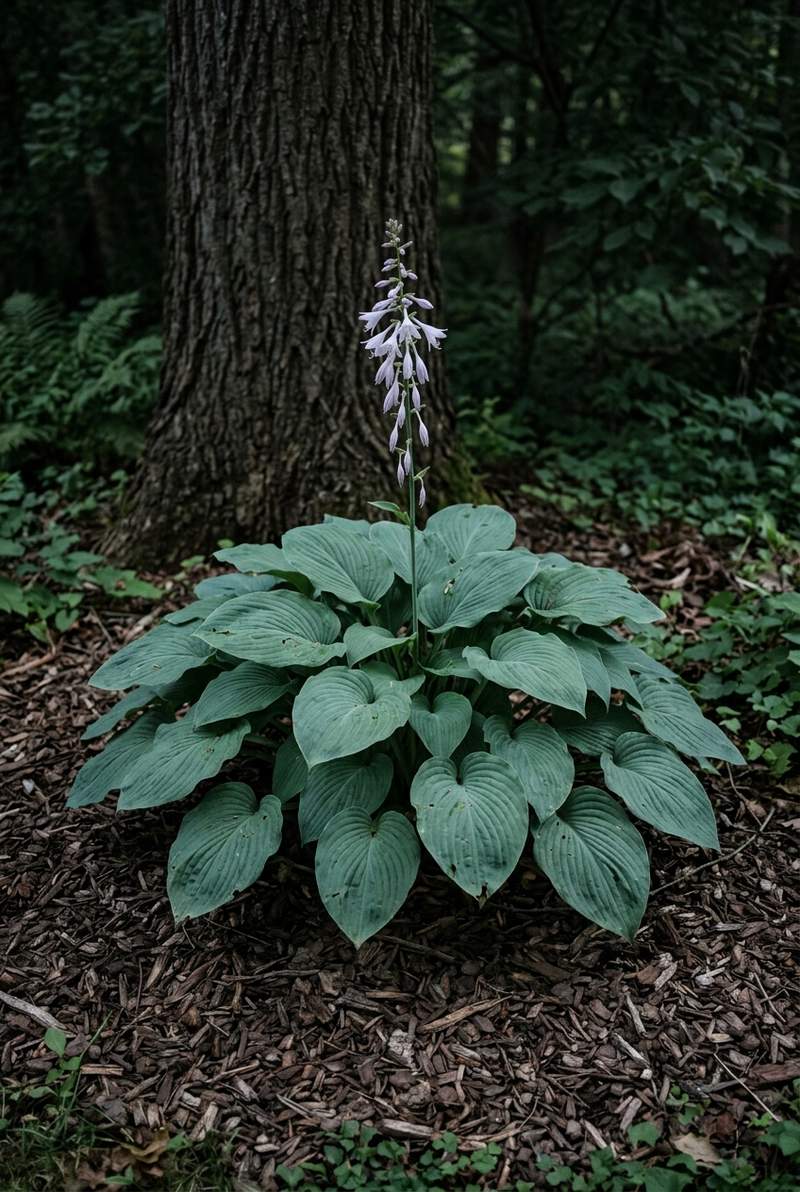
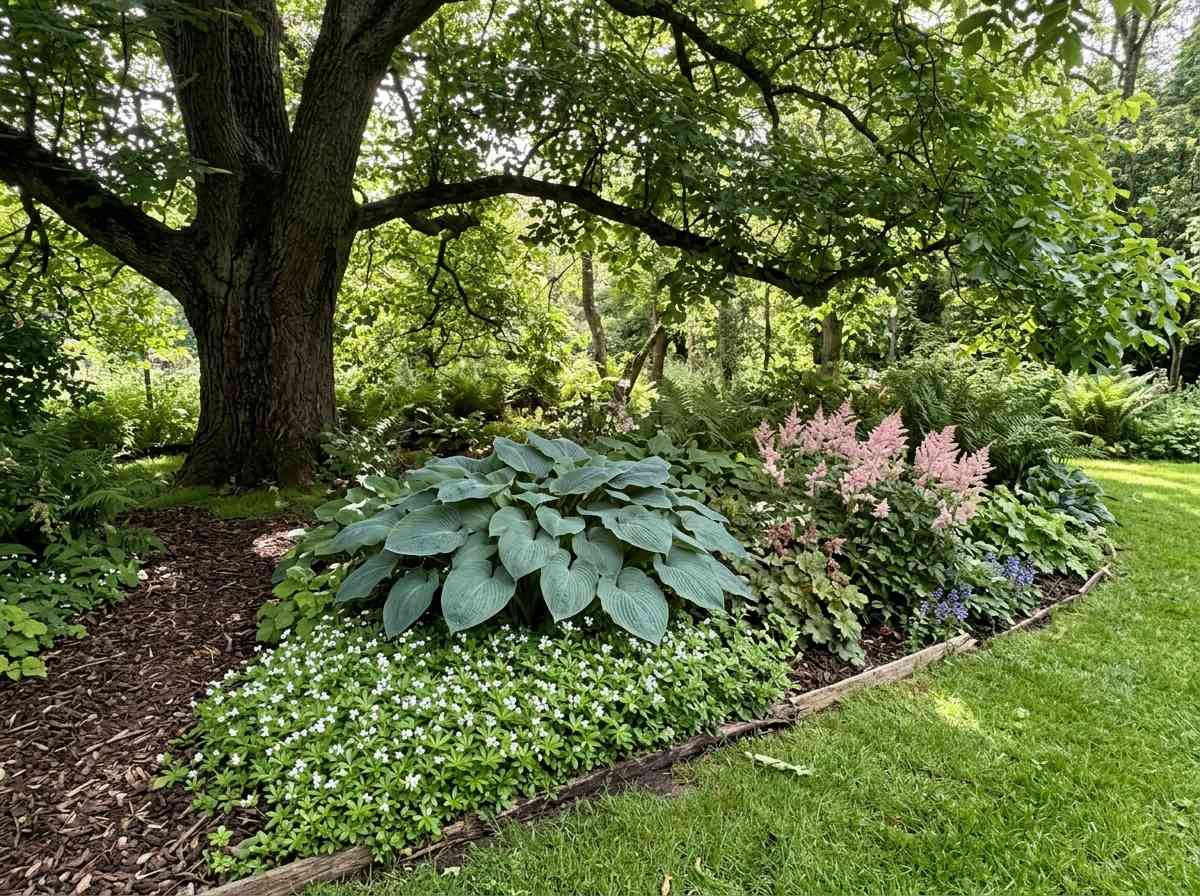
The default shade plant. Hundreds of varieties in every shade of green, blue, gold, and variegated. Fragrant white flowers in late summer that most people forget about. Easy to grow, easy to divide, easy to share.
Deer warning
Hostas appear on “deer resistant” lists all over the internet. They are NOT deer resistant. They are deer candy. If you have deer in your neighborhood, your hostas will be eaten to the ground every spring. This is not a maybe. Fence them, spray them, or accept the loss.
Slugs are the other problem. Beer traps or iron phosphate granules help. Blue-leaved varieties tend to be more slug-resistant than thin-leaved greens.
8. Brunnera
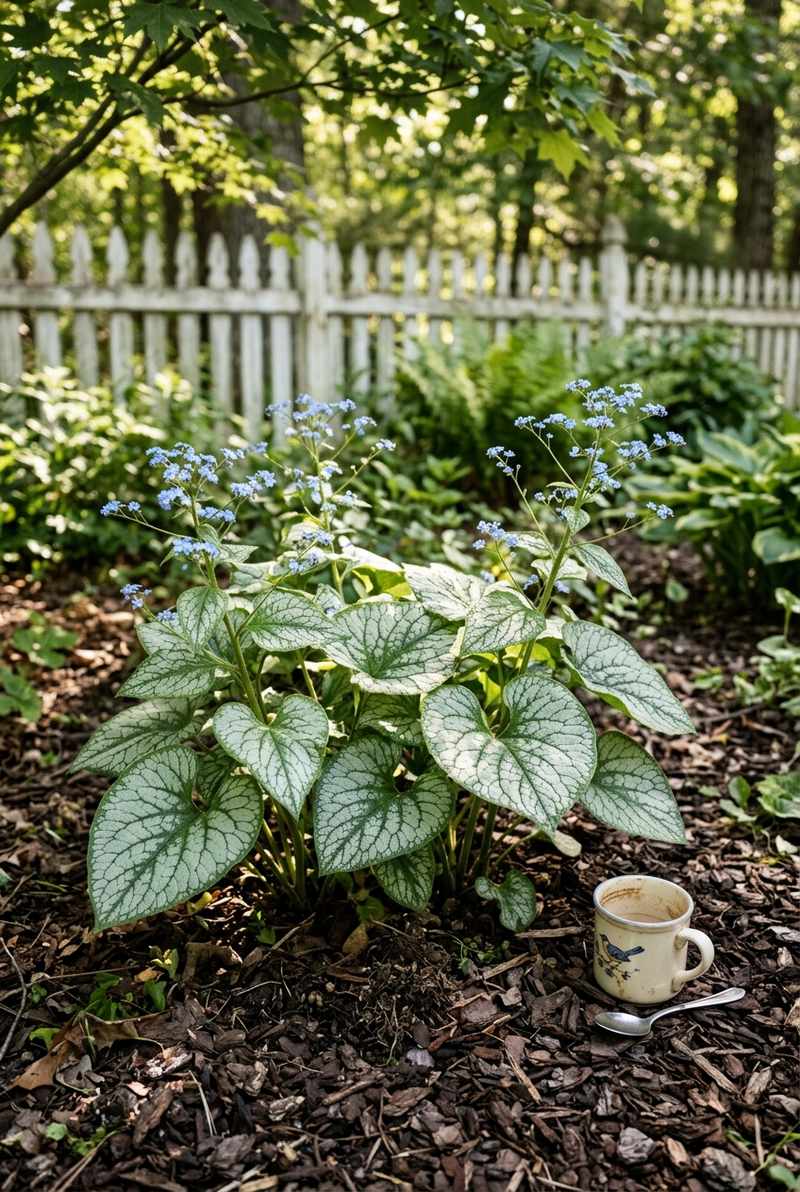
Tiny sky-blue flowers that look like forget-me-nots, plus large heart-shaped leaves with silver veining. ‘Jack Frost’ is the variety everyone should know about. The silver foliage lights up dark corners in a way that green plants can’t.
Deer-resistant. Fades in hot, dry conditions, so keep it moist. One of the prettiest combinations of flower and foliage in any shade garden.
9. Lungwort (Pulmonaria)
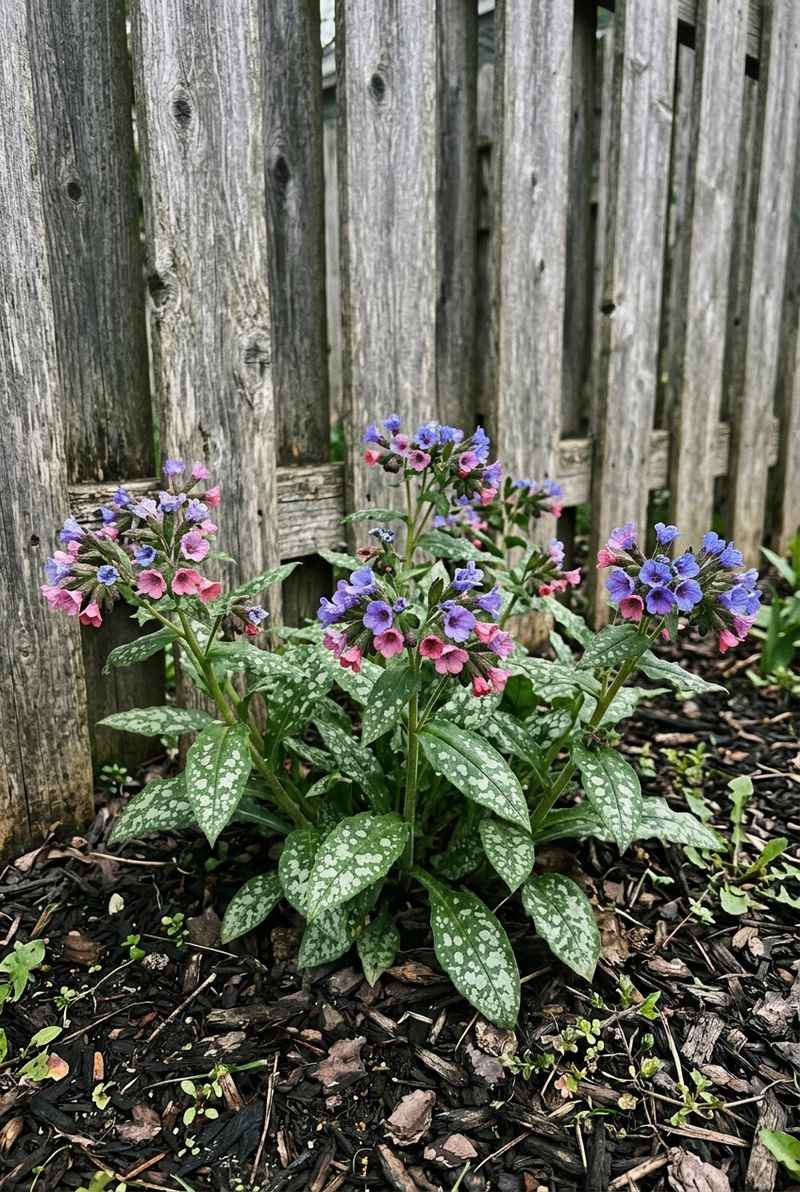
The flowers open pink and age to blue on the same plant. Silver-spotted leaves stay attractive all season. One of the earliest shade bloomers, often flowering before the tree canopy fills in.
Deer-resistant. Powdery mildew can hit in dry conditions. Keep it watered and it stays clean.
10. Coral Bells (Heuchera)
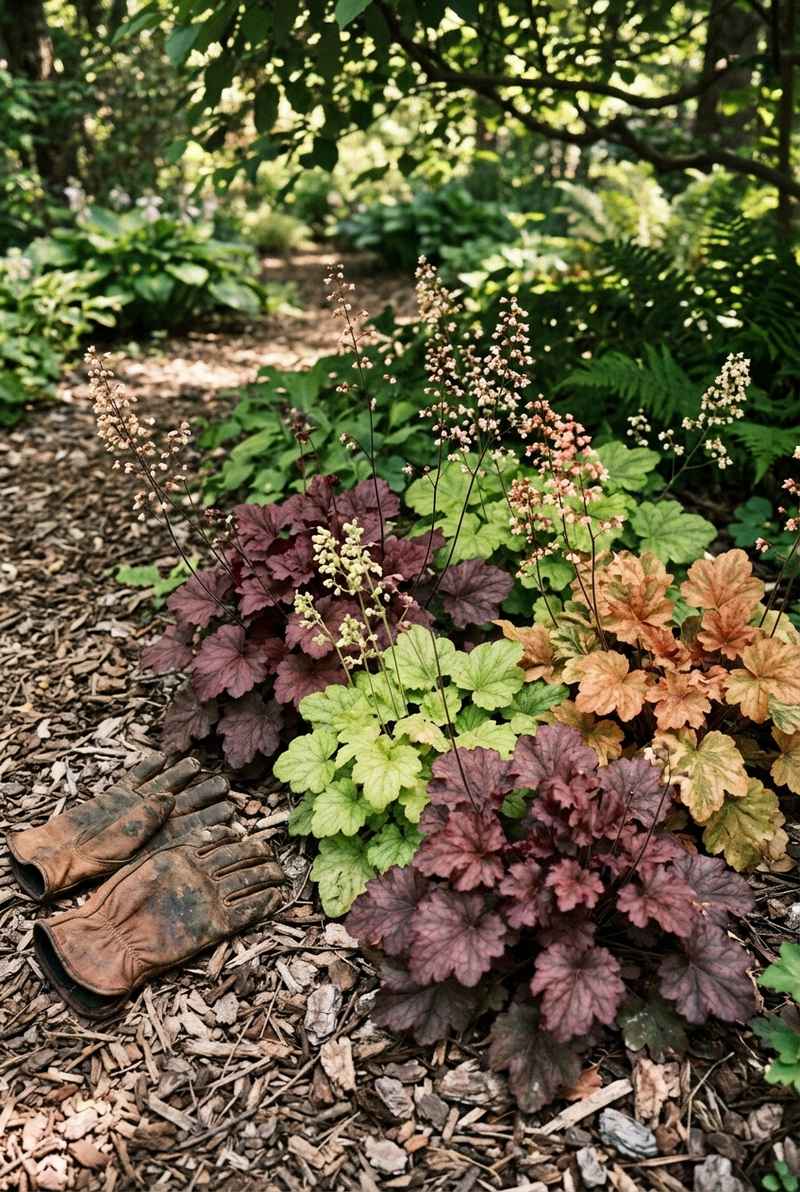
Grown for the foliage, not the flowers. Leaves come in burgundy, lime green, peach, silver, chocolate, and everything between. Year-round color in a shade garden where most things go dormant.
Tolerates dry shade better than most on this list. Watch for crown heave in winter (frost pushes the crown out of the soil). Mulch around the base in fall to prevent it. Deer-resistant.
11. Foxglove
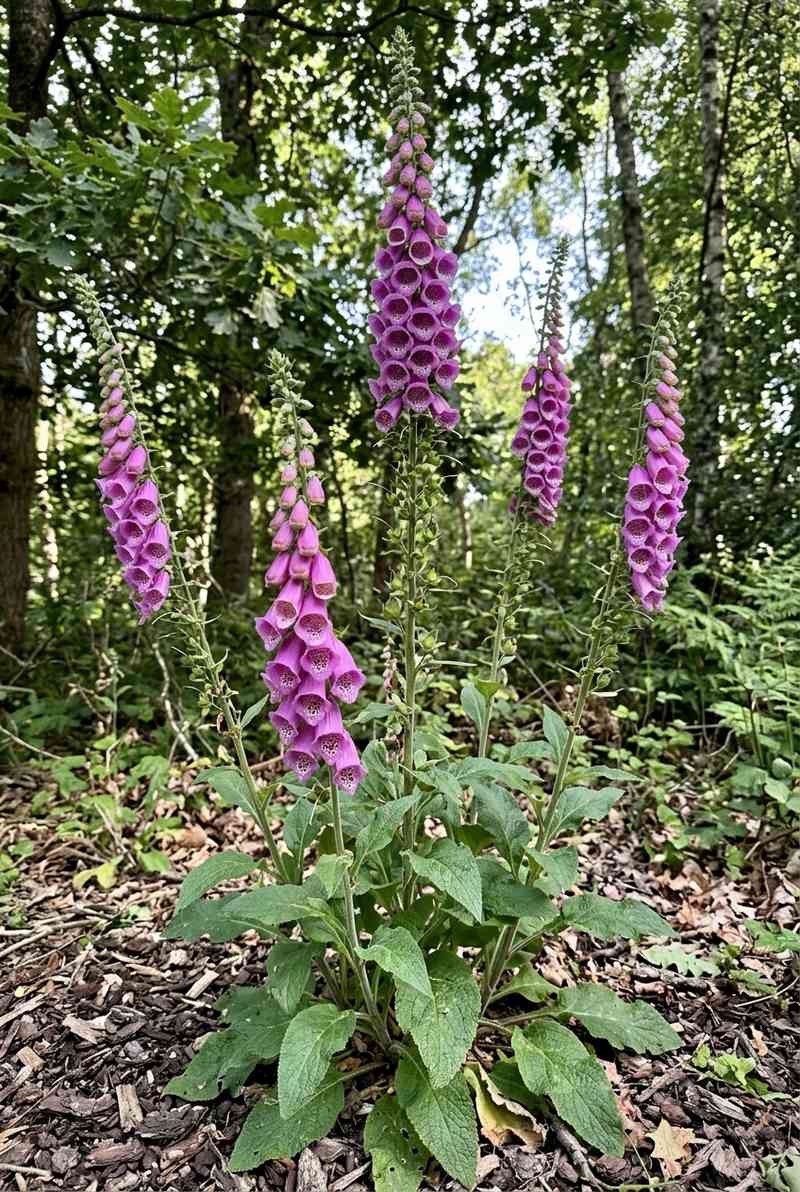
Tall dramatic spikes of tubular flowers that add vertical structure to a shade bed. The kind of plant that makes a woodland garden look intentional. Technically a biennial (blooms year two, then dies), but self-seeds reliably.
All parts are toxic. Deer and rabbits avoid it. Keep small children informed. Worth the space for the drama alone.
Dry Shade Under Trees (The Hard Problem)
This is where most shade gardens fail. The canopy blocks light, the roots steal water, and the leaf litter smothers anything small. Most “shade plants” actually need moist shade, and they die under trees. These four handle it.
12. Epimedium (Barrenwort)
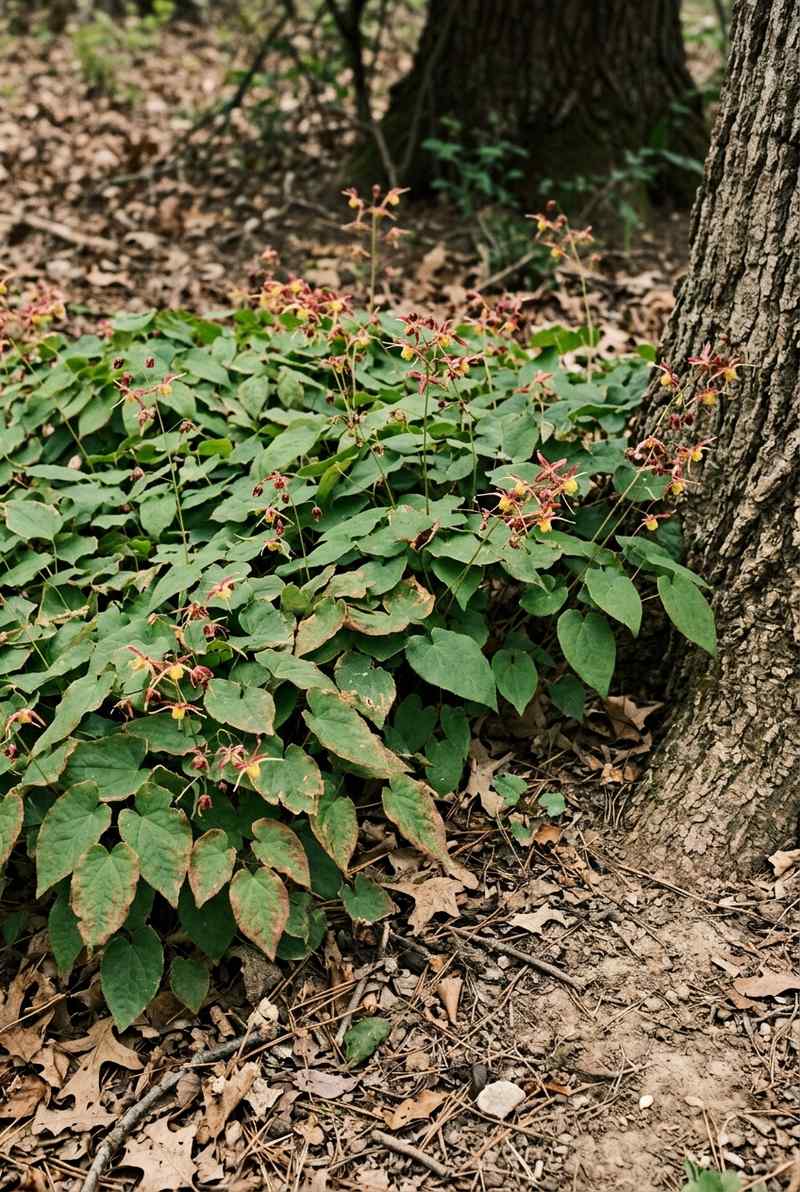
This is the plant for dry shade. Grows under mature maples and oaks where everything else gives up. Semi-evergreen, deer-proof, virtually disease-free. Small spider-like flowers in spring, then clean foliage the rest of the year.
Cut the old foliage back in late February before new growth emerges. If you wait too long, you’ll shear off the emerging flower stems. One of the few shade plants that genuinely improves year after year with zero effort. This is my pick for the toughest spot in any yard.
13. Sweet Woodruff
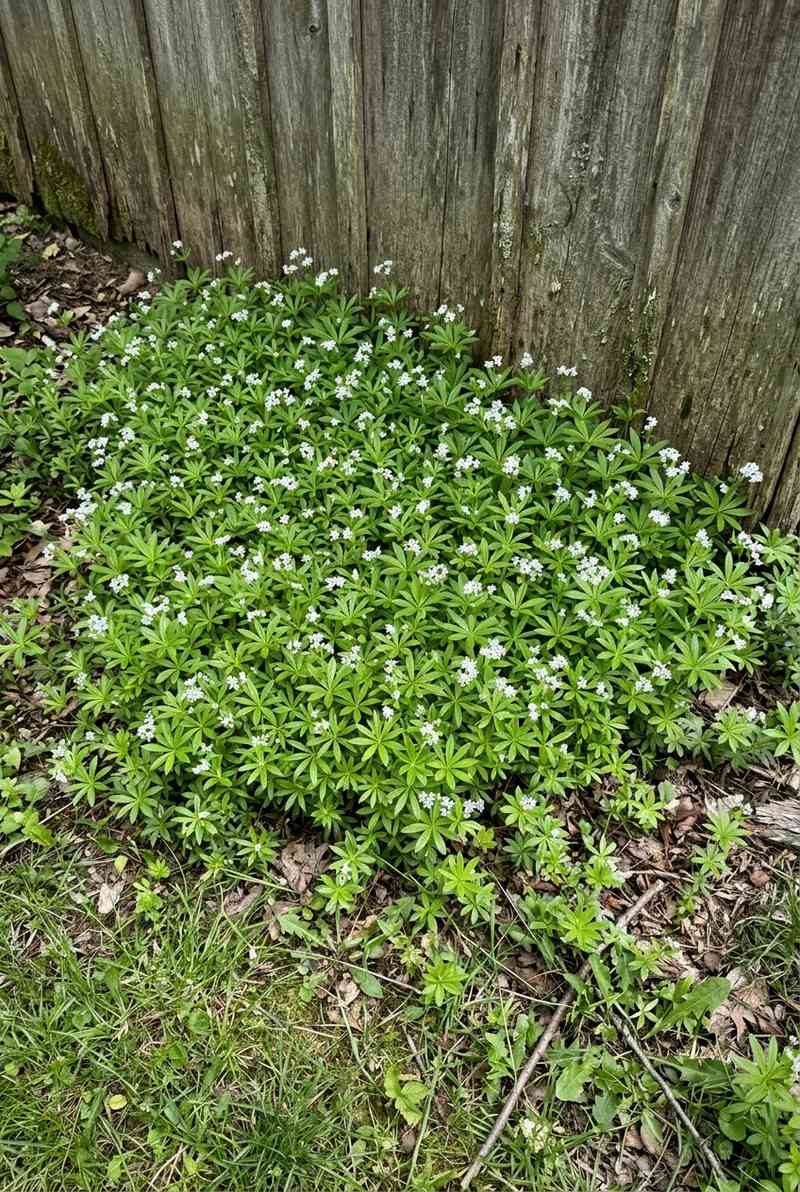
Forms a dense mat of whorled leaves with tiny white flowers in spring. The foliage smells like fresh-cut hay when you brush against it. Spreads to fill bare areas under trees where nothing else grows.
Can spread beyond where you want it if conditions are right. Contain it with an edge or let it naturalize under trees where you don’t care. Deer-resistant.
14. Wild Ginger
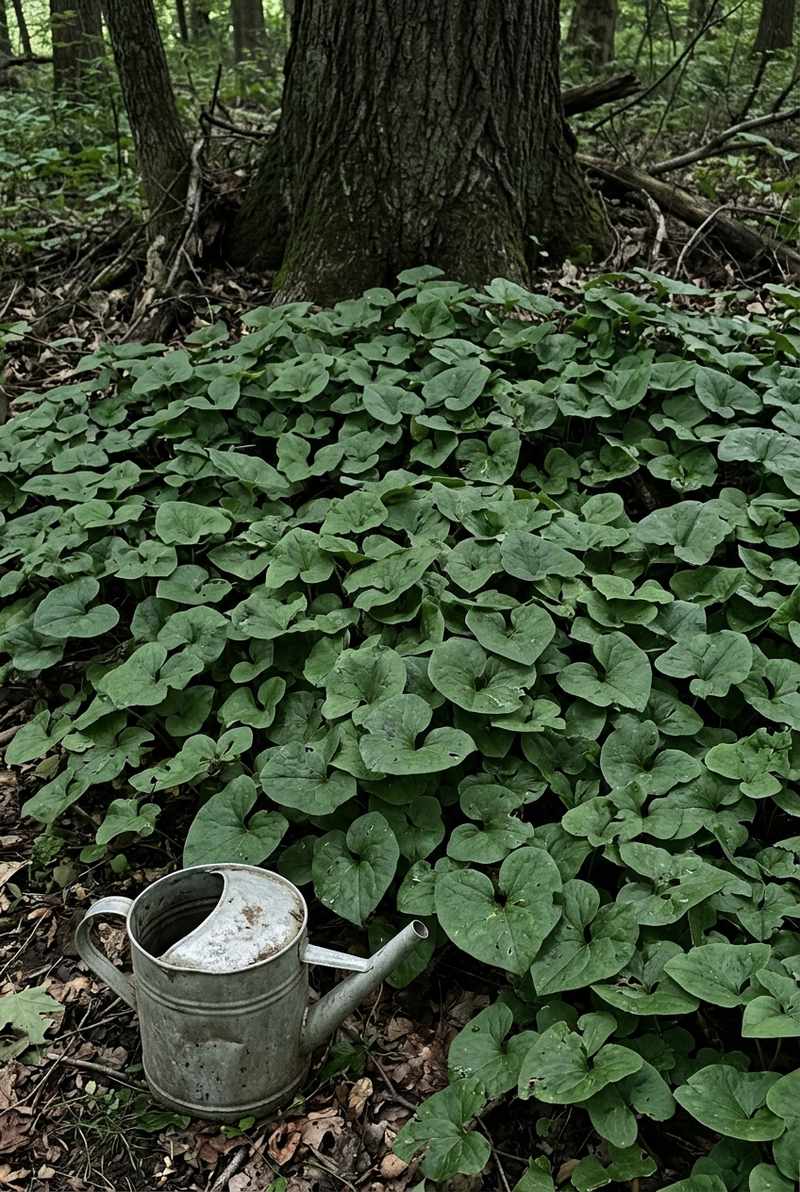
Native ground-level plant with large heart-shaped leaves. Not related to culinary ginger, but the rhizomes smell identical when you break them. Forms colonies dense enough to outcompete even garlic mustard, one of the most aggressive invasive plants in eastern forests.
The flowers hide beneath the leaves at ground level. You’ll never see them unless you look. That’s fine. The foliage carpet is the whole point. Deer-resistant.
15. Cyclamen hederifolium
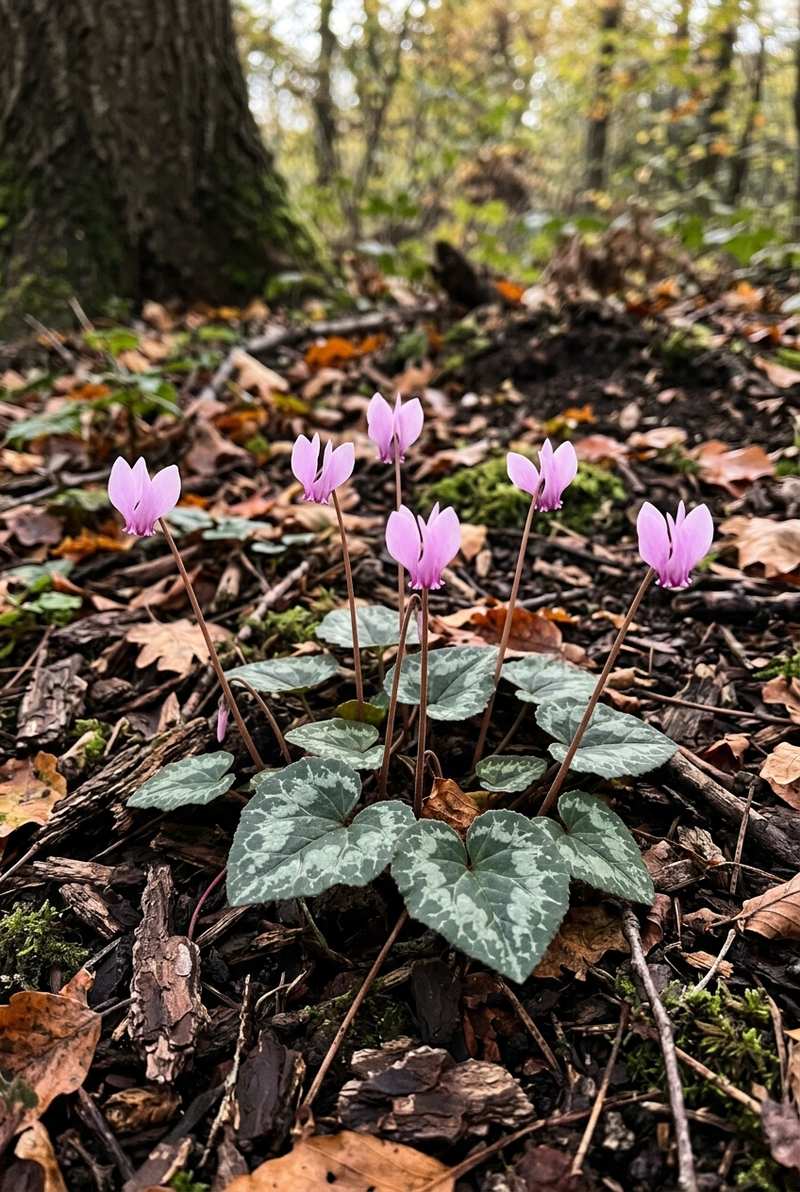
Dainty pink flowers appear in fall when the shade garden is winding down. Then decorative ivy-shaped leaves persist through winter and spring. Goes dormant in summer (which is convenient, since that’s when tree canopy is densest).
Handles dry shade under trees beautifully. Deer-resistant. Self-seeds gently over years to form a colony. Patience required. Worth it.
The Underrated Picks (Most Lists Miss These)
These four rarely show up in “best shade perennials” articles, and I think that’s a mistake.
16. Toad Lily (Tricyrtis)
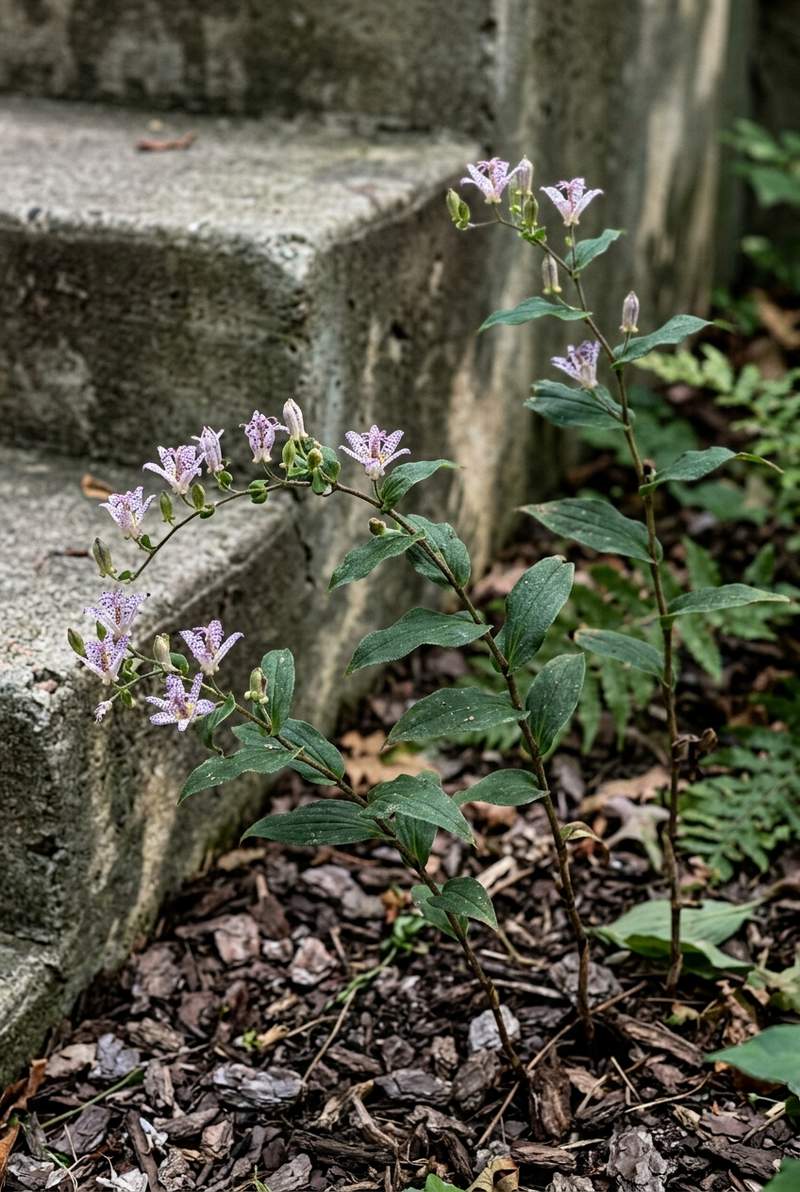
Blooms when everything else in the shade garden is done. September through October, small orchid-like flowers with purple spots. Up close, they look exotic. From a distance, they’re subtle. Plant them along a path where people walk close enough to notice.
Needs part shade, not deep shade. Give them morning light and consistent moisture. Deer-resistant. Slow to show up in spring, so mark where you planted them.
17. Black Cohosh (Actaea/Cimicifuga)
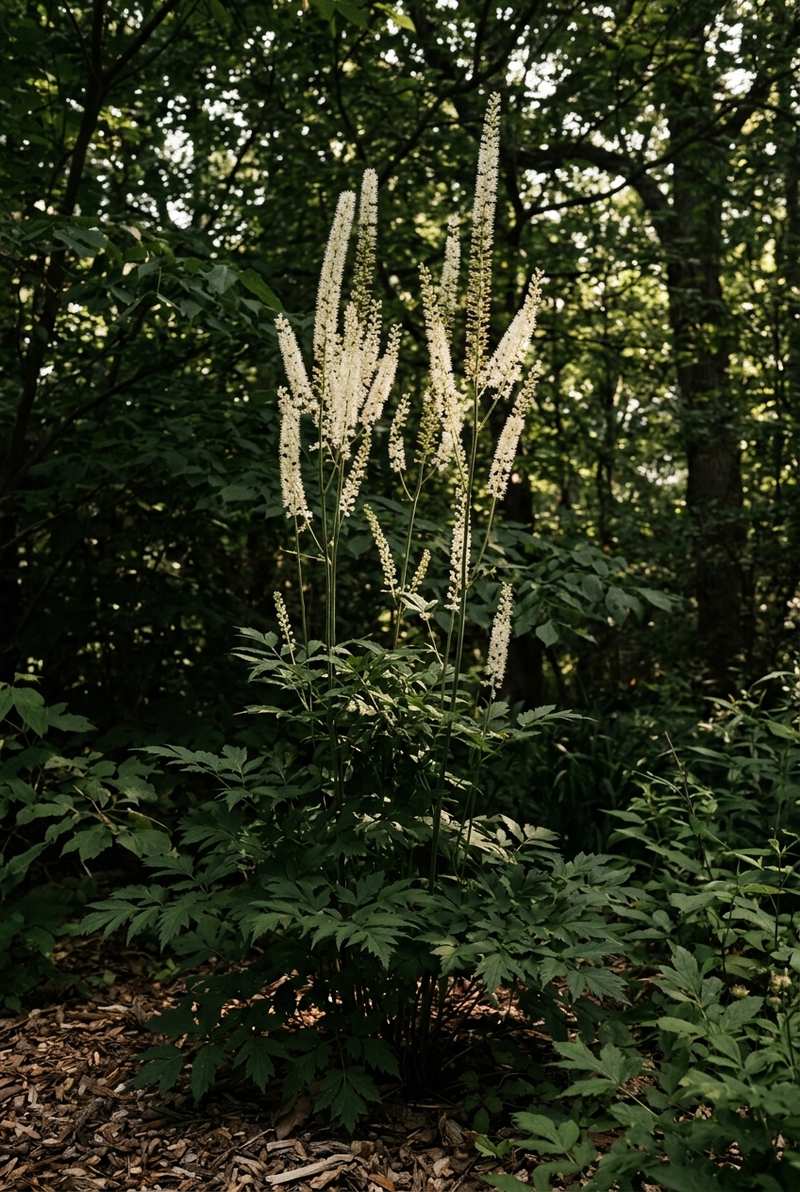
Dramatic. Tall white flower spikes rising 4-6 feet above dark foliage in late summer. ‘Brunette’ and ‘Hillside Black Beauty’ have deep purple-black leaves that make the white flowers glow.
Native. Deer-resistant. Needs moisture. The tallest shade perennial you can plant, and it looks like nothing else. Give it a background position and let it tower over everything.
18. Solomon’s Seal
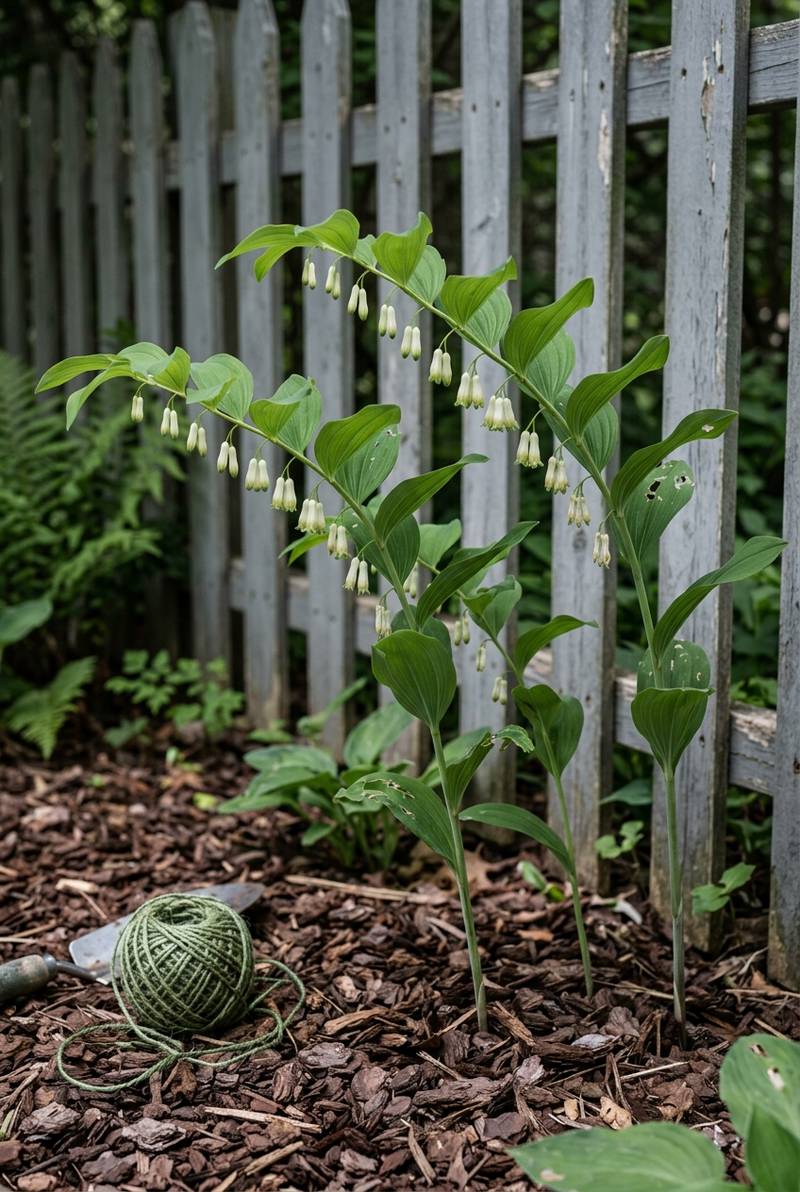
Arching stems with paired leaves and small white bells dangling underneath. Elegant, architectural, woodland feel. The fall foliage turns clear gold.
Spreads by rhizomes over time. Not aggressive like lily of the valley, but give it room to colonize gradually. The giant form (Polygonatum biflorum var. commutatum) reaches 5 feet and makes a real statement. Deer-resistant.
19. Yellow Corydalis
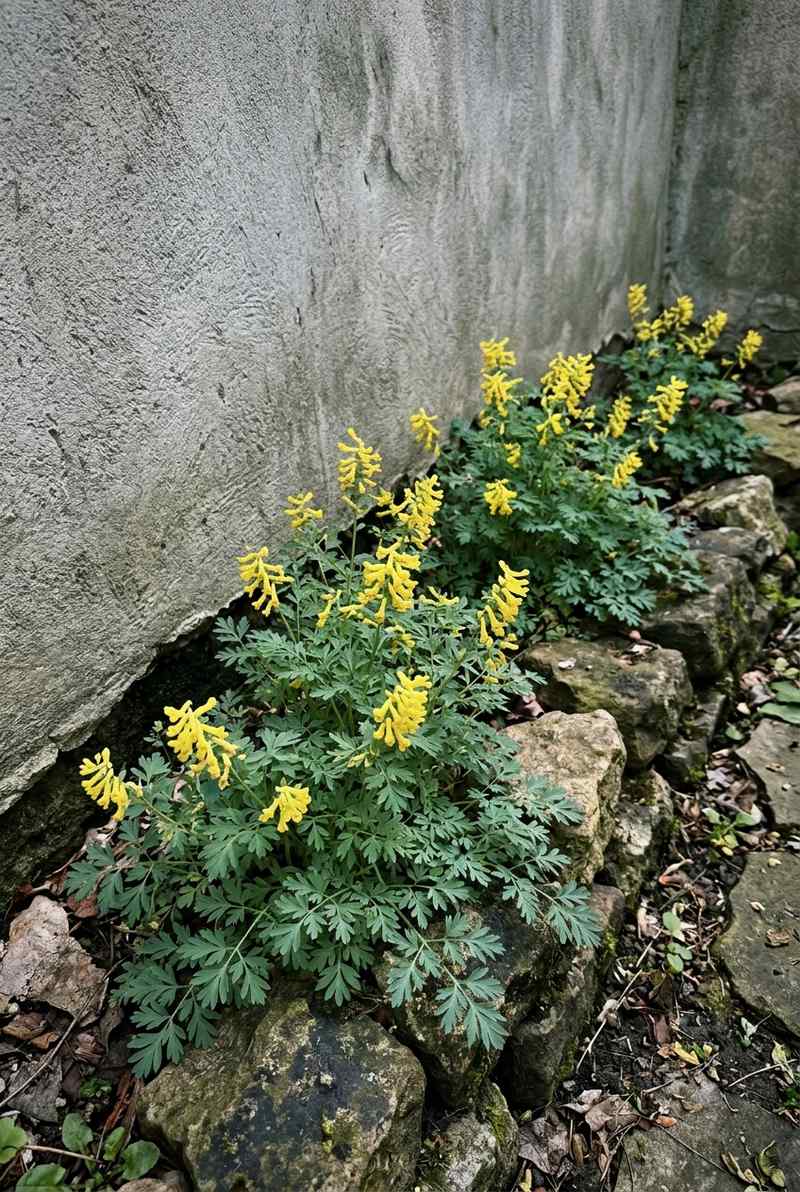
Blooms from spring through fall in shade. That’s almost unheard of. Small yellow flowers above ferny blue-green foliage, month after month. Self-seeds into cracks, walls, and bare patches. Thrives in dry shade.
The self-seeding can be aggressive. If you want a tidy bed, pull seedlings. If you want a naturalized woodland look, let it go. I let it go. Deer-resistant.
The Shade Garden I Didn’t Plan
That bare north side where my astilbes failed now has hellebores blooming in February, brunnera lighting up the corner with silver leaves, and epimedium filling the dry patch under the oak where I’d given up entirely. None of it happened overnight.
Shade gardens are slow. Most of these plants take two years to really settle in. But once they do, they come back stronger every spring with almost no work from you. That’s the deal with shade. Patience up front, payoff forever.