15 Plants That Love Eggshells (And How to Use Them Right)

- Kitchen scraps
- Free fertilizer
- Myth vs fact
- Vegetable garden
I started saving eggshells because someone on the internet told me they’d fix my tomatoes. Tossed a handful of crushed shells around the base, waited, and nothing happened. The blossom end rot came anyway.
So I looked into it. Turns out, most of what people say about eggshells in the garden is either wrong or wildly oversimplified. They’re not useless. But they’re not magic either. Here’s what actually works, which plants genuinely benefit, and the myths that waste your time.
Quick Answer
- Eggshells are 95% calcium carbonate (same as garden lime, just slower)
- Crushed shells take YEARS to break down. Only powder works in one season.
- They do NOT fix blossom end rot (that’s a watering problem, not calcium)
- They do NOT repel slugs (university studies debunked this)
- Best use: Grind to fine powder, apply to calcium-deficient soil confirmed by a soil test.
First, the Myths I Fell For
Before the plant list, I need to clear this up. Three things the internet told me about eggshells that turned out to be wrong:
Myth 1: Eggshells prevent blossom end rot
They don’t. Blossom end rot is caused by inconsistent watering, not a calcium shortage in the soil. The plant can’t move calcium to developing fruit when water supply fluctuates. Mississippi State University Extension confirms this. Fix your watering, not your calcium.
Myth 2: Crushed eggshells deter slugs
Tested and debunked. McGill University ran a controlled experiment — slugs crossed eggshell barriers without difficulty. Their mucus protects them from sharp surfaces. The RHS found no benefit in a 6-week study. Save your shells for something that works.
Myth 3: Eggshells break down quickly in soil
A researcher buried eggshells and checked after one year. The shell was completely intact. Archaeologists have found 2,600-year-old eggshell fragments that were still recognizable. Crushed shells are “not much better than nothing at all” according to the Alabama Cooperative Extension. Only fine powder works.
Now that we’ve cleared that up. Here are 15 plants that actually benefit from eggshells, when used correctly.
How to Actually Use Eggshells (The Right Way)
Grind them to a fine powder. A coffee grinder works. Dedicate a cheap one to this. Coarsely crushed shells sitting on top of soil do almost nothing. Powder has 100x more surface area and actually dissolves.
Bake shells at 200F (93C) for 30 minutes first to kill any salmonella, then grind. Apply 1-2 tablespoons of powder per plant, worked into the top 2 inches (5 cm) of soil. Do this at planting time for best results.
Tip
Get a soil test before adding eggshells to anything. Most garden soil already has enough calcium. Adding more when you don’t need it wastes effort and can displace other nutrients like magnesium and potassium.
1. Tomatoes
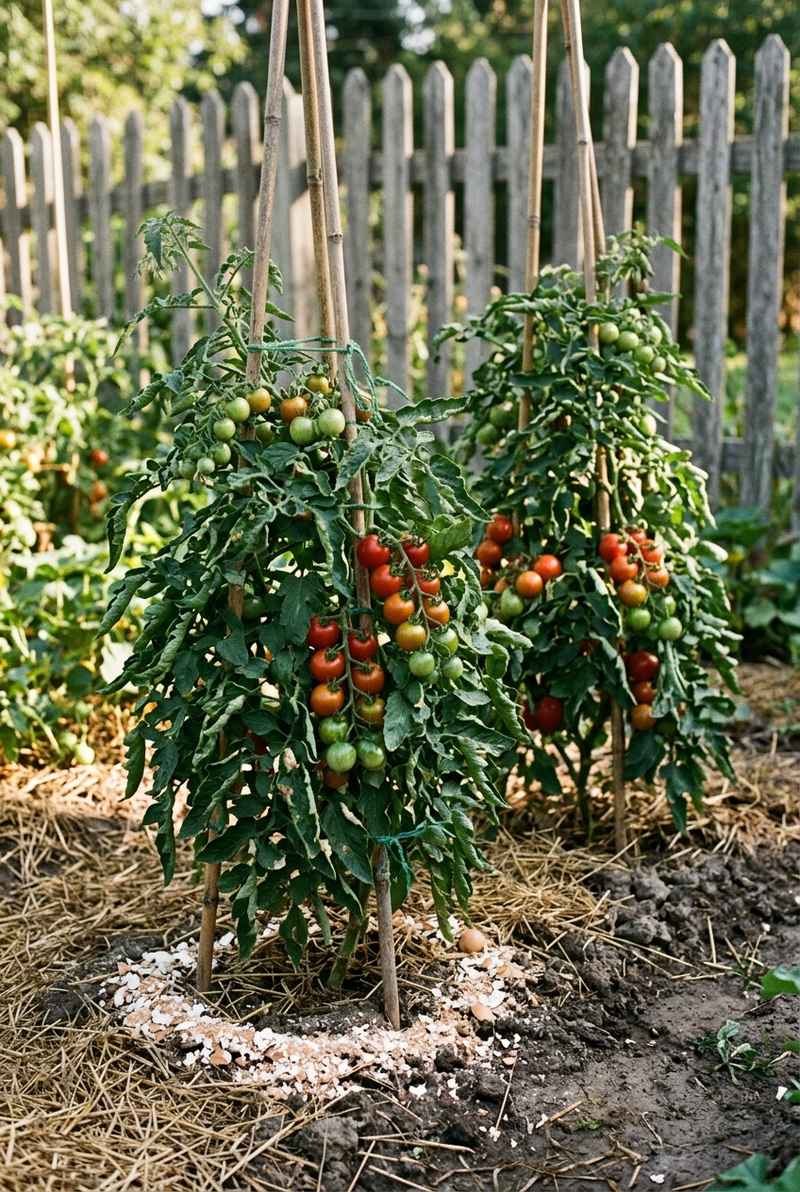
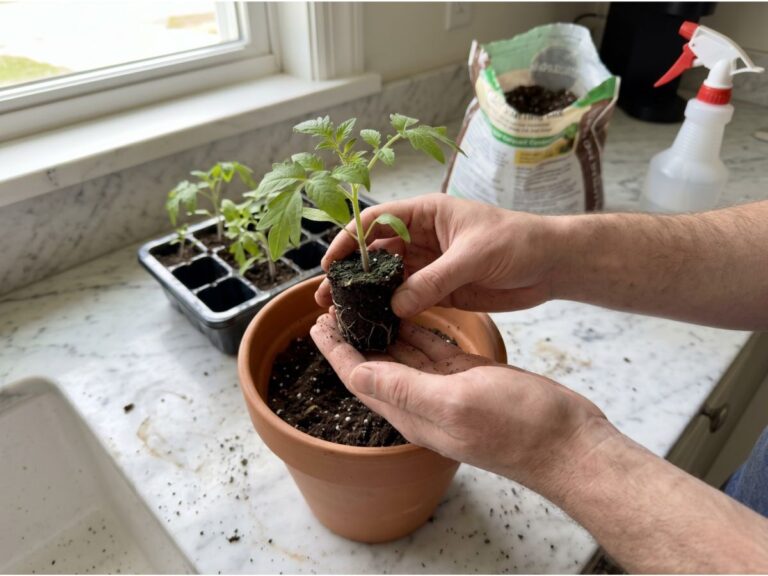
Yes, despite what I said about blossom end rot. Tomatoes are heavy calcium users and genuinely benefit from calcium-rich soil. The key is that eggshell powder adds calcium over the long term for next season’s crop, not as a quick fix for this season’s rot.
Work powder into the planting hole before transplanting. It won’t fix blossom end rot this year (fix your watering for that), but it builds calcium reserves for future seasons.
2. Peppers
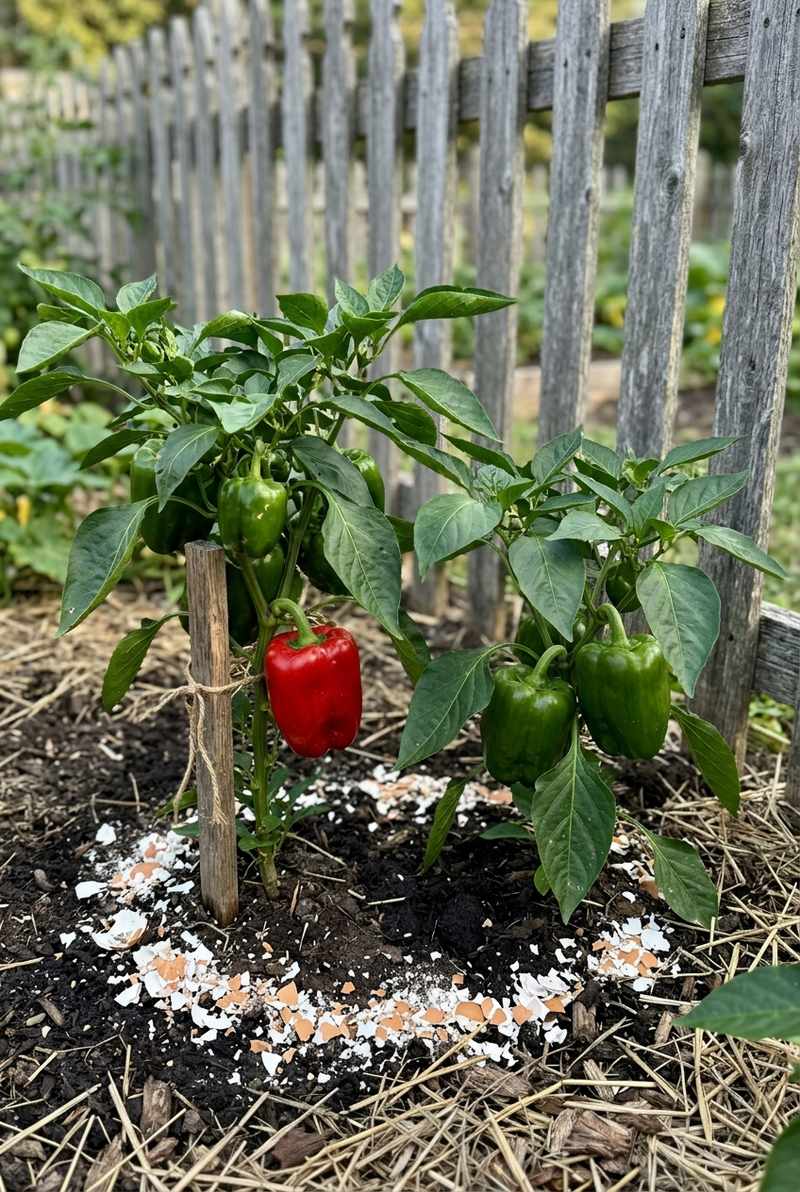
Same calcium needs as tomatoes. Same blossom end rot vulnerability. Same advice: powder in the planting hole, consistent watering separately. Bell peppers are the most susceptible.
I add a tablespoon of eggshell powder when I transplant peppers every spring. No idea if it’s the shells or the watering that improved things. Probably the watering. But the shells aren’t hurting.
3. Eggplant
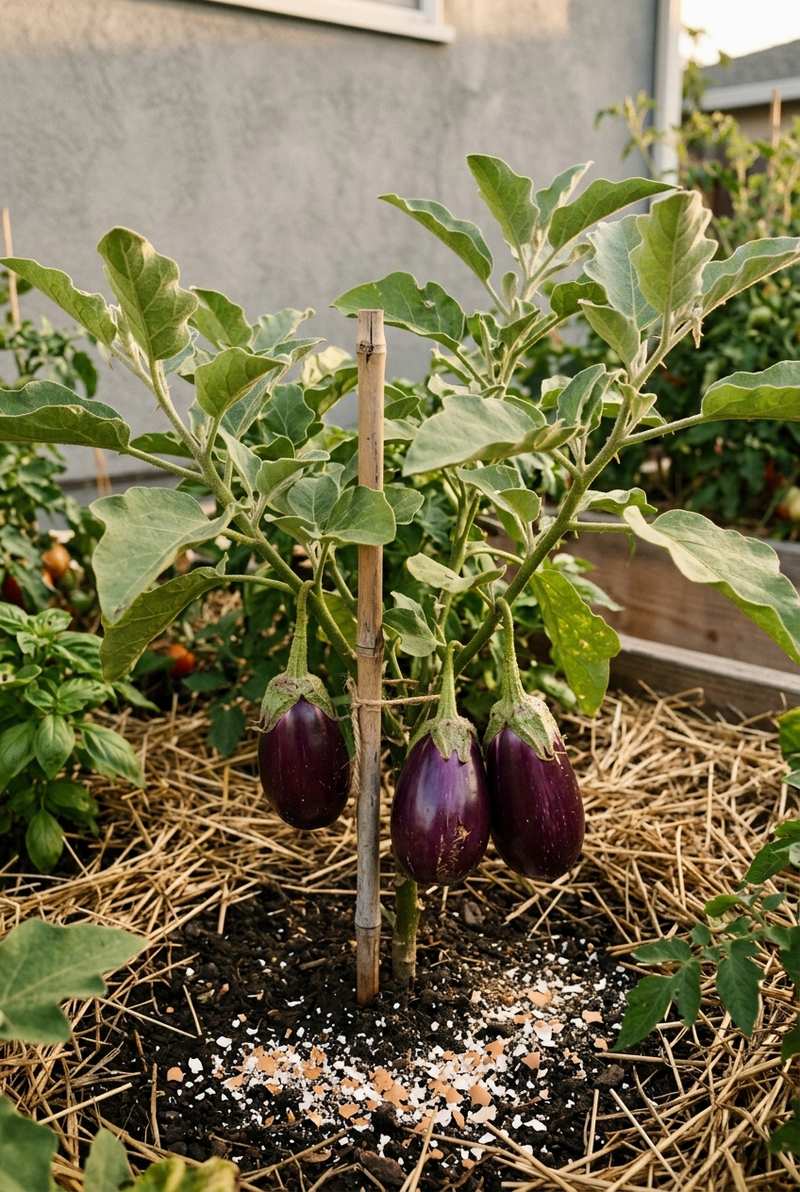
The third member of the blossom-end-rot club. Eggplant uses calcium the same way tomatoes and peppers do. Same powder-in-the-hole method applies.
Not as commonly grown as tomatoes, but if you do grow it, treat it the same way.
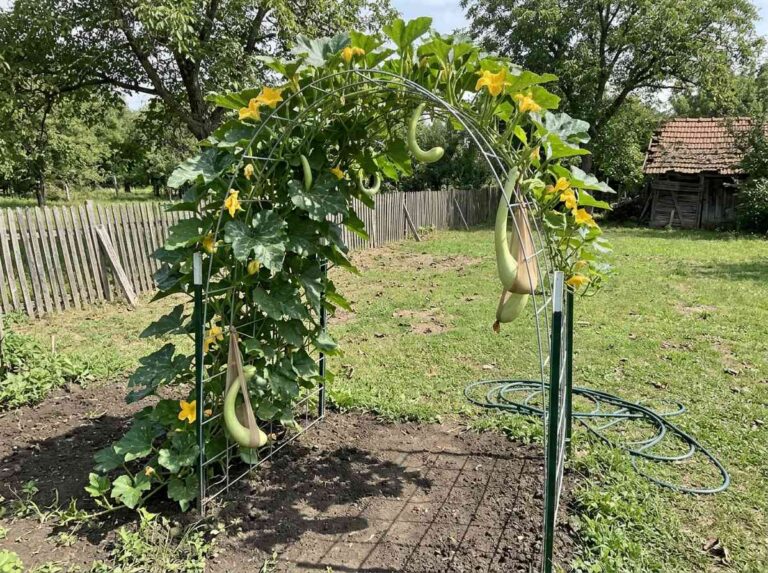
4. Squash and Zucchini
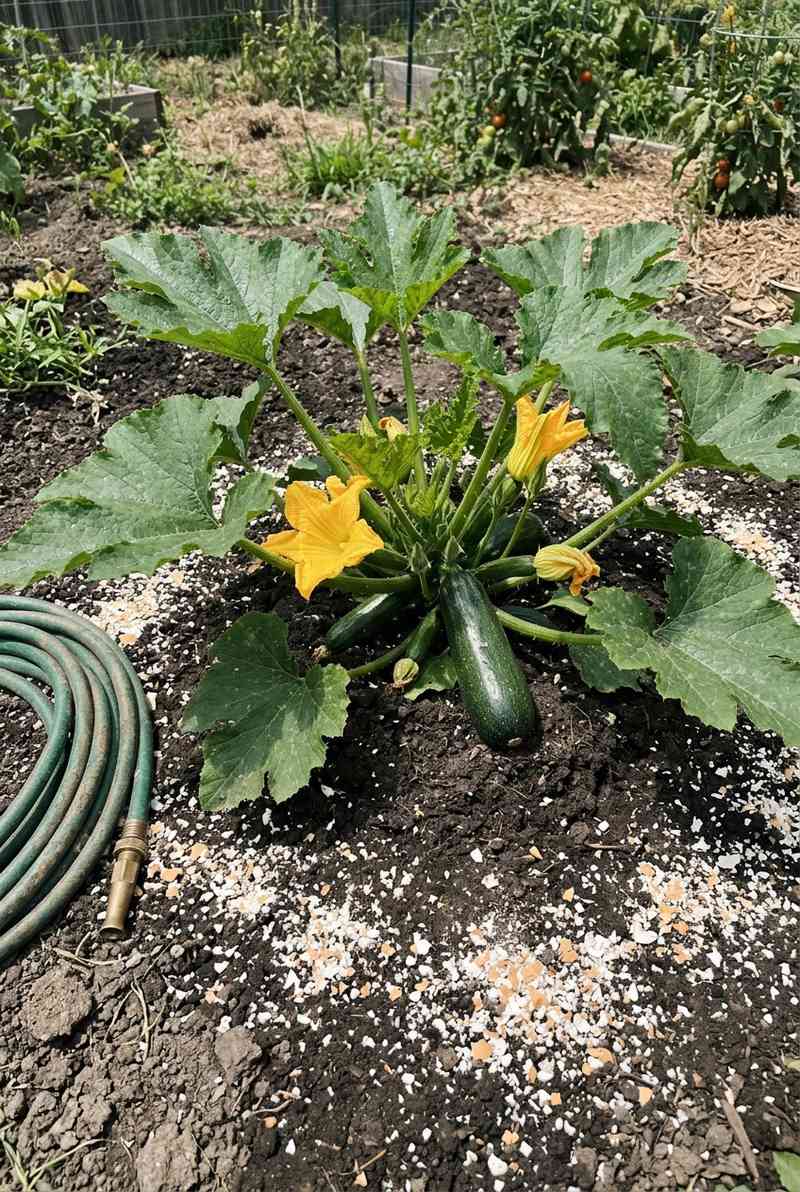
Also vulnerable to blossom end rot, especially in hot summers with irregular rain. Heavy feeders that appreciate calcium-rich soil. Work powder around the base at planting time.
Squash roots spread wide, so don’t just pile shells in one spot. Distribute the powder across the planting area.
5. Cucumbers
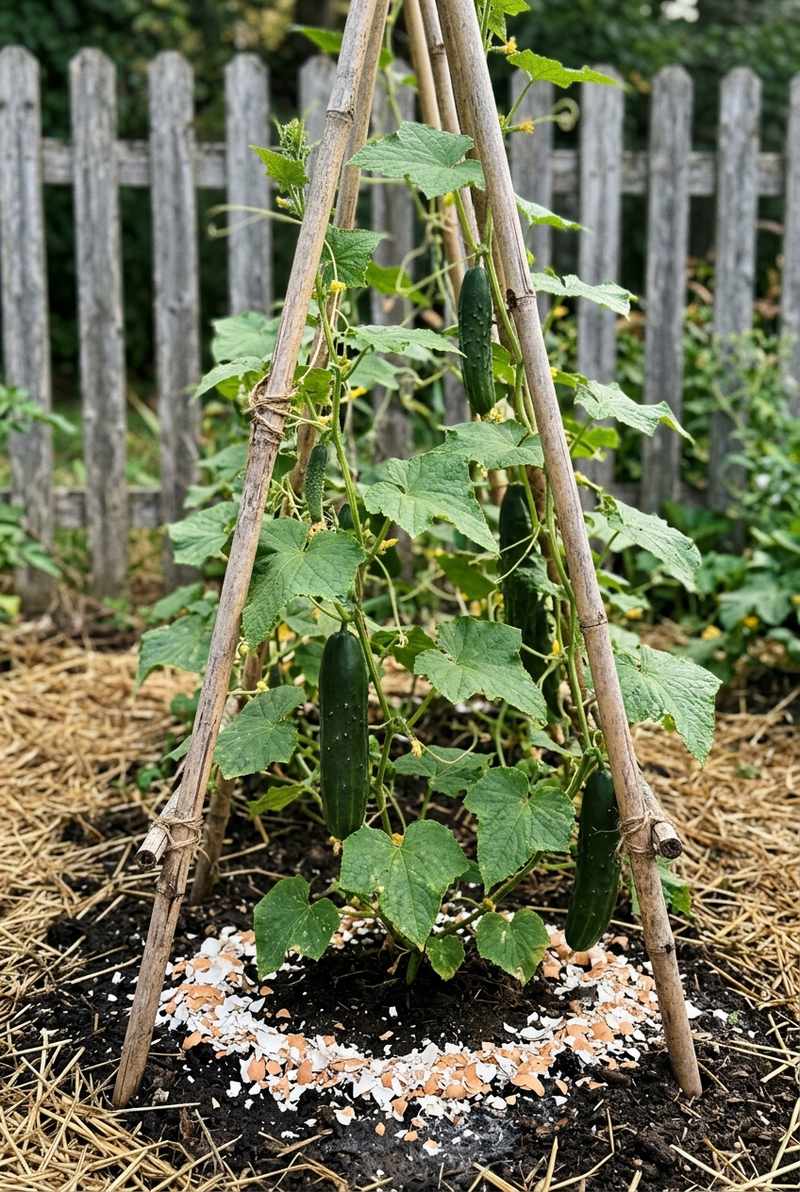
Another blossom end rot candidate that most people don’t realize. Cucumbers use calcium during rapid fruit development. Same method: powder at planting, consistent watering throughout.
I’ve had cucumber blossom end rot exactly once. Thought it was a disease. It wasn’t.
6. Watermelon
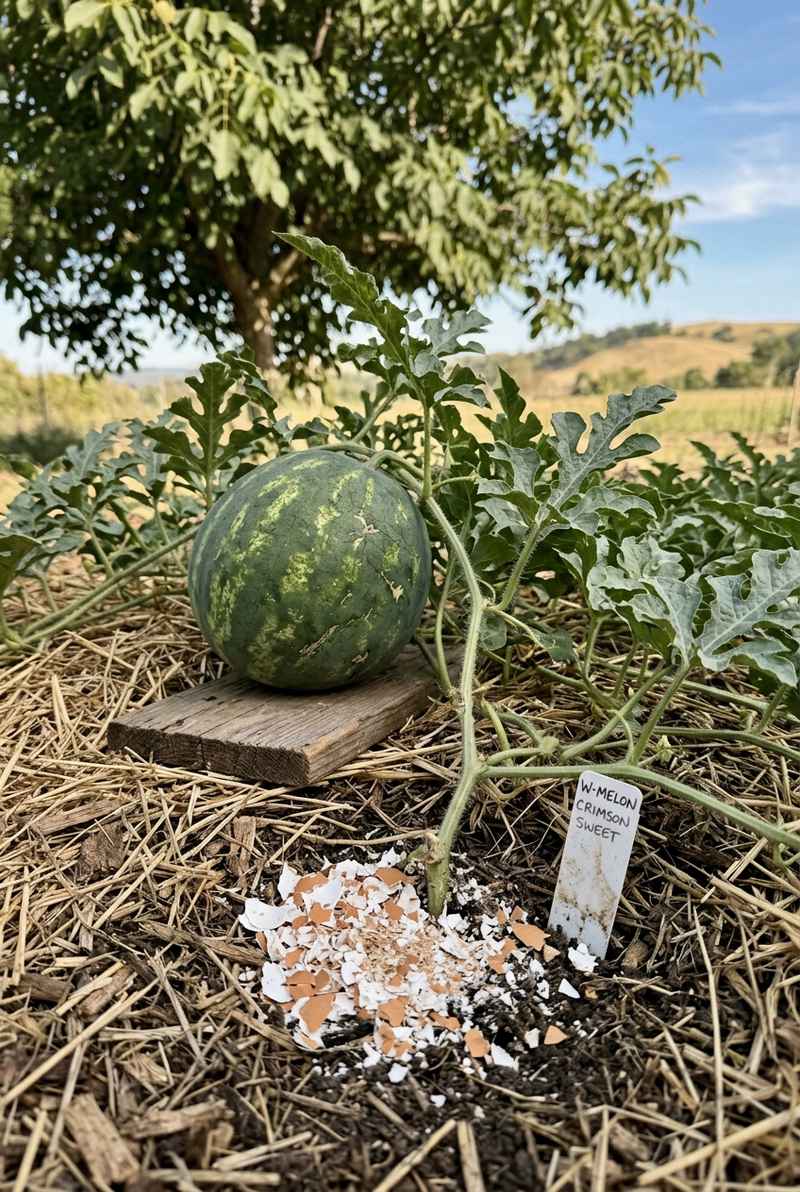
Surprise entry. Watermelons get blossom end rot too. The fruit develops so fast that calcium can’t keep up if watering is uneven. Eggshell powder in the planting mound helps build long-term calcium reserves.
Mulch heavily and water consistently. The shells are supplemental, not a substitute for good habits.
Save this to Pinterest7. Roses
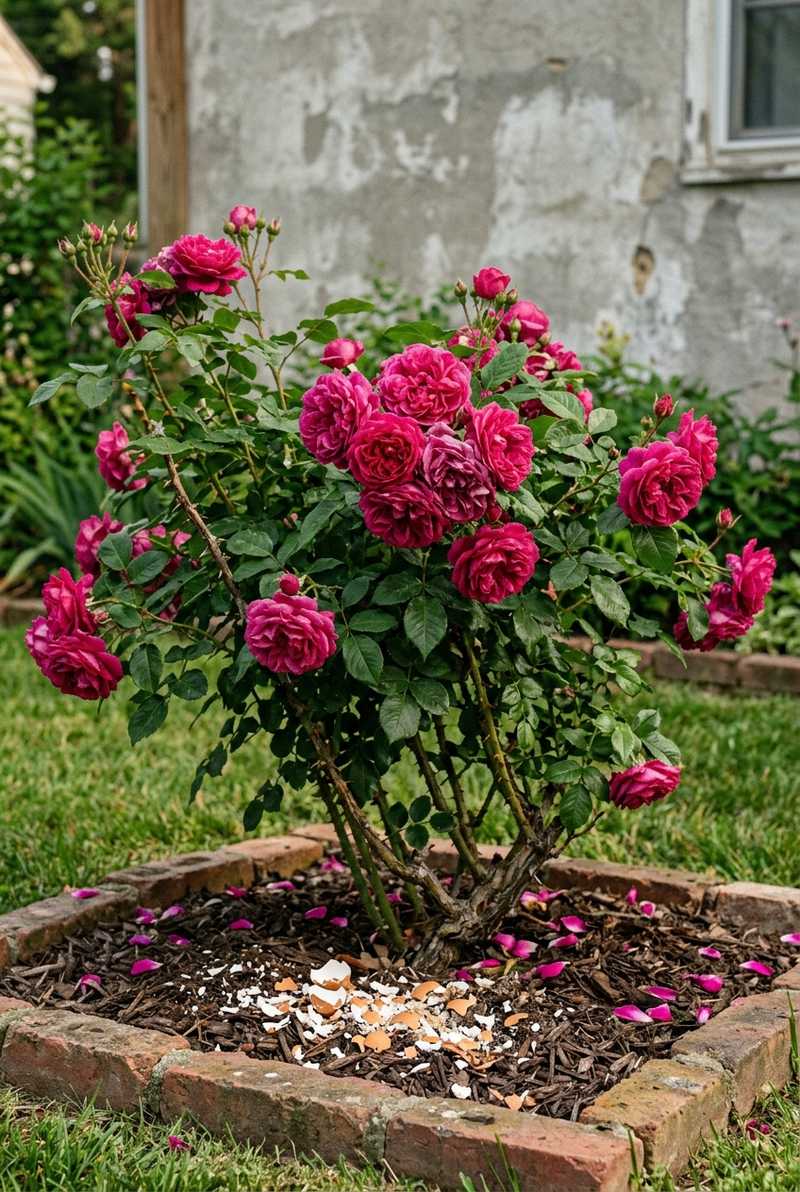
Roses are calcium-hungry plants. Eggshell powder worked into the base in early spring supports strong cell walls and healthier stems. Some gardeners report better blooms, though the mechanism isn’t well-studied.
Not a miracle cure, but roses grow in slightly alkaline soil and eggshells gently push pH in that direction. A reasonable match.
8. Broccoli and Cabbage (Brassicas)
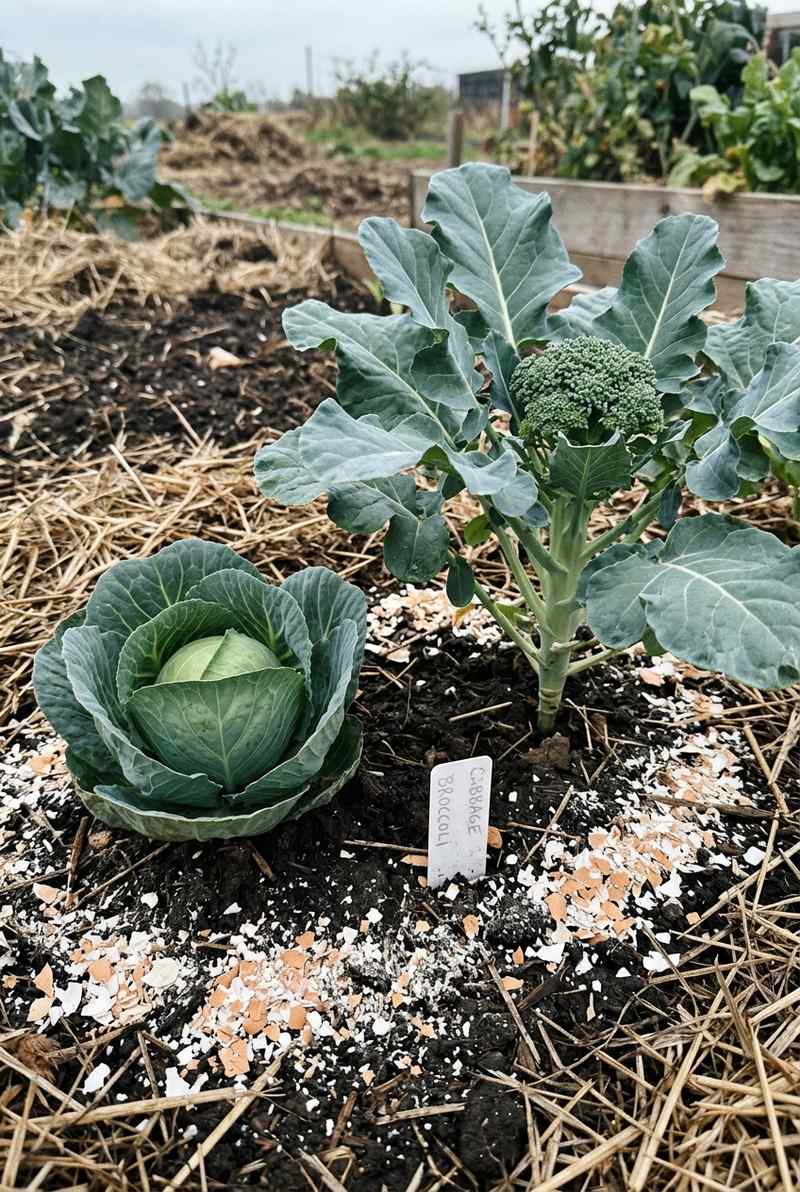
Brassicas are calcium-sensitive crops. Calcium deficiency in cabbage causes internal tipburn. In broccoli, it leads to hollow stems. Both are real problems in acidic or depleted soils.
Eggshell powder slightly raises pH (brassicas prefer 6.0-7.0) and adds calcium simultaneously. Two problems addressed with one free amendment.
9. Apple Trees
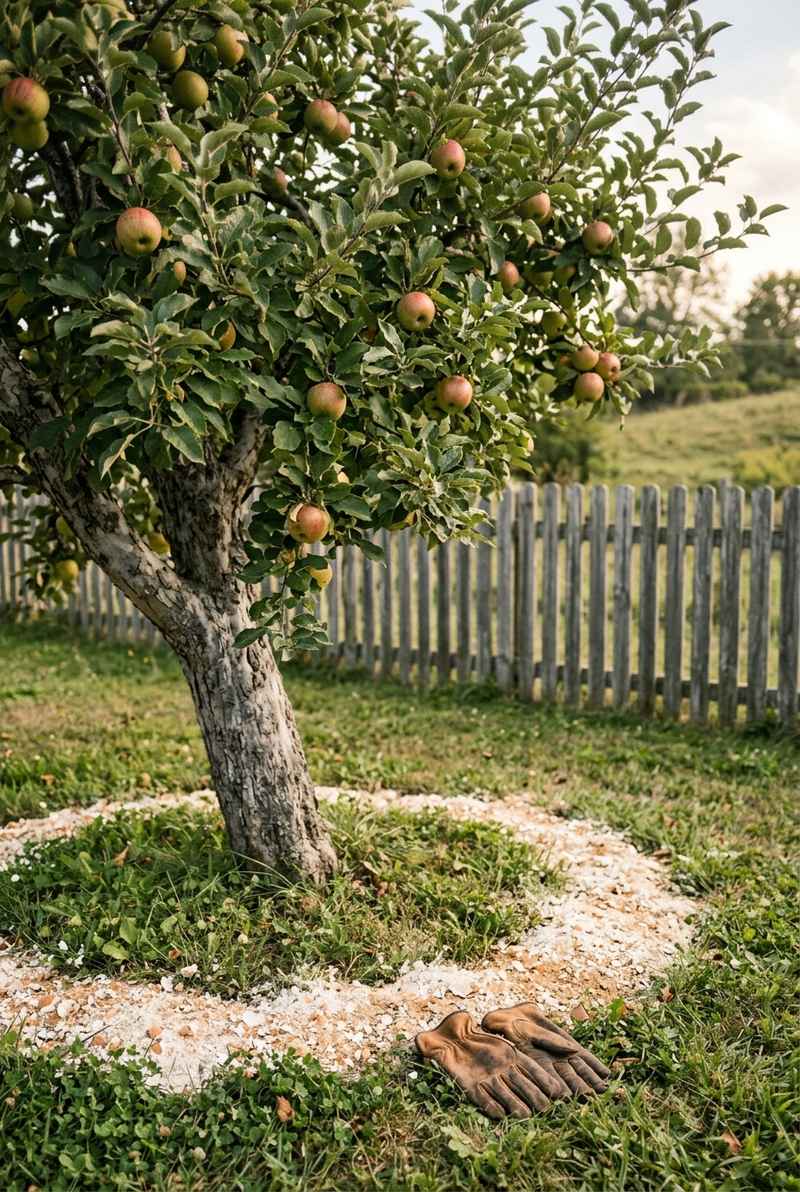
Cork spot and bitter pit in apples are both linked to calcium deficiency in the fruit. Apply eggshell powder around the drip line annually. The calcium release is slow, which actually matches a tree’s long-term needs.
Won’t fix this season’s fruit. Builds reserves for next year’s crop. Think of it as a long-term investment, not a quick return.
10. Strawberries
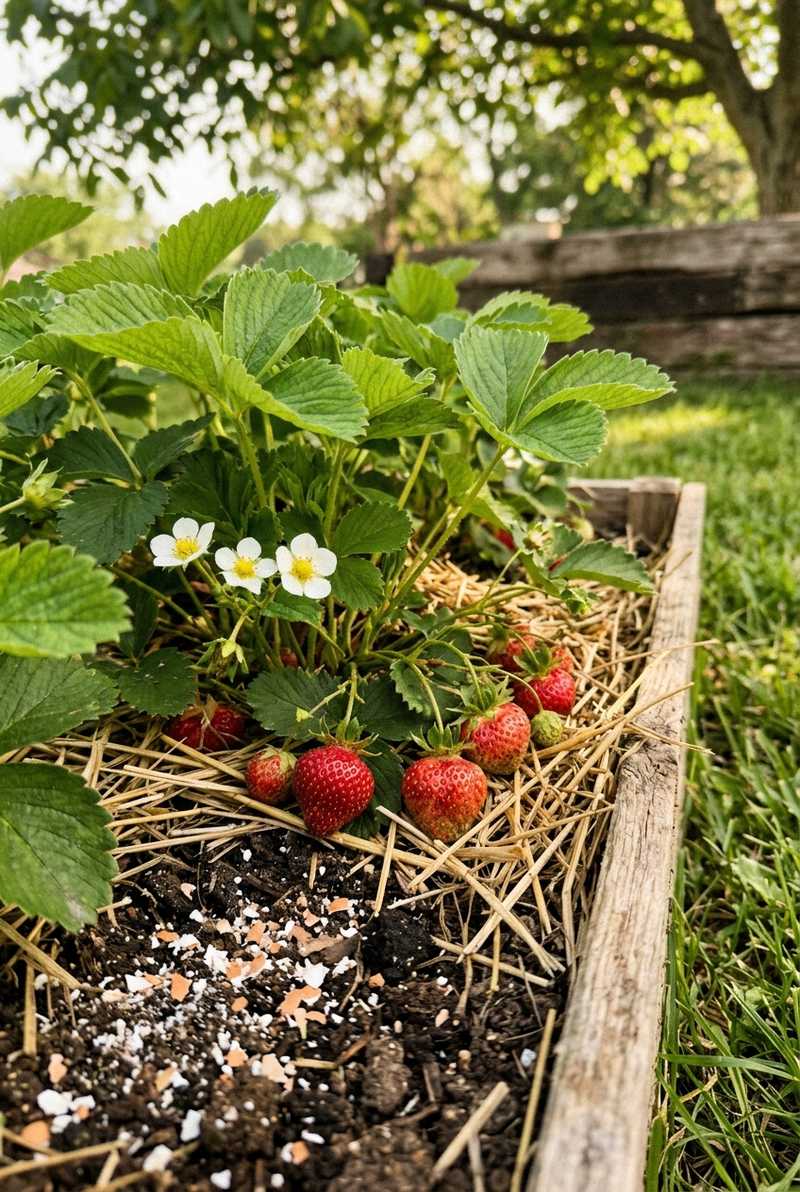
Strawberries appreciate calcium for firm fruit and strong root development. Mix powder into the bed before planting. The slight pH boost (strawberries like 5.5-6.8) doesn’t hurt either.
My three-year-old eats more strawberries off the plant than make it inside. Whether the shells helped, I honestly can’t tell. But the plants look good.
11. Lettuce and Spinach
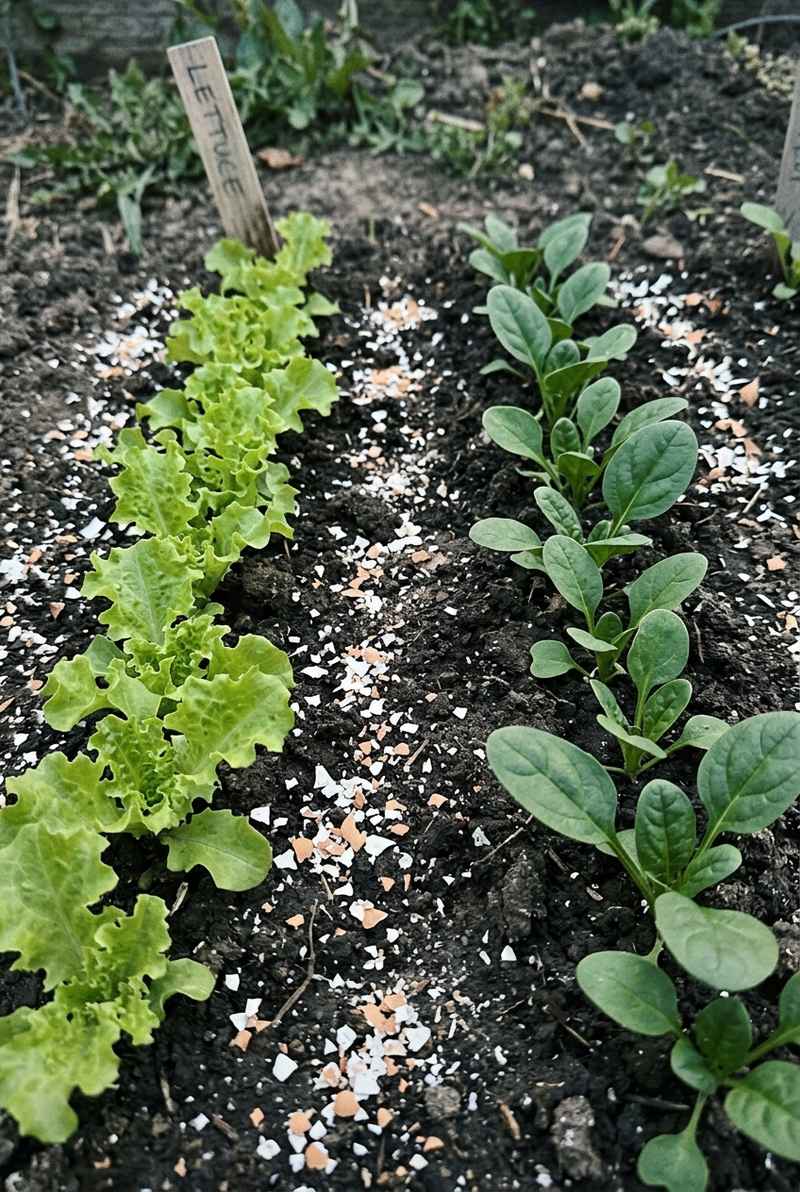
Leafy greens use calcium for cell wall strength. Tipburn in lettuce is a calcium uptake issue (again, usually watering-related, but adequate soil calcium helps). Spinach prefers slightly alkaline soil, which eggshells support.
Work a light dusting of powder into the bed before direct sowing. Less is more with greens.
12. Peanuts
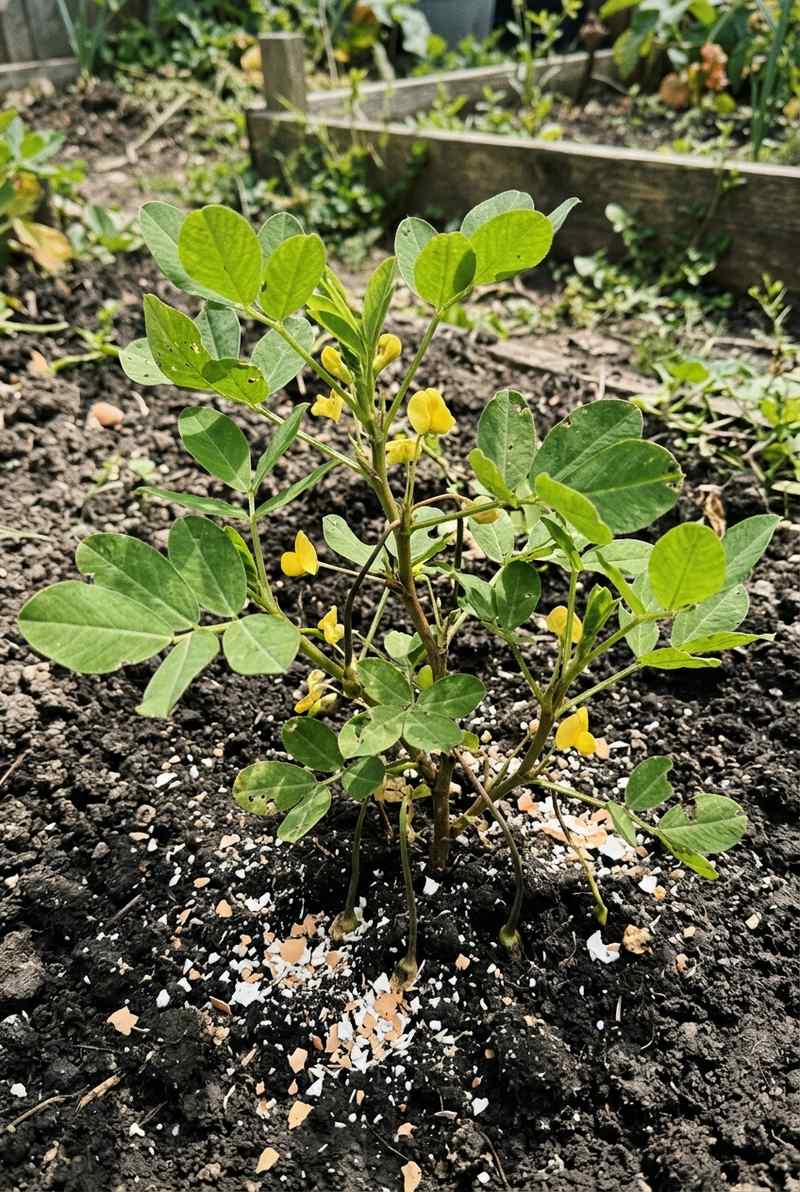
Here’s the surprise pick. A 2022 study in Plant Production Science found eggshell powder measurably improved growth and yield of peanuts in calcium-deficient soil. Peanuts develop their pods underground and need calcium at the soil surface to form properly.
If you grow peanuts (and more people should try), eggshell powder around the base is one of the few uses with actual published research behind it.
13. Potatoes
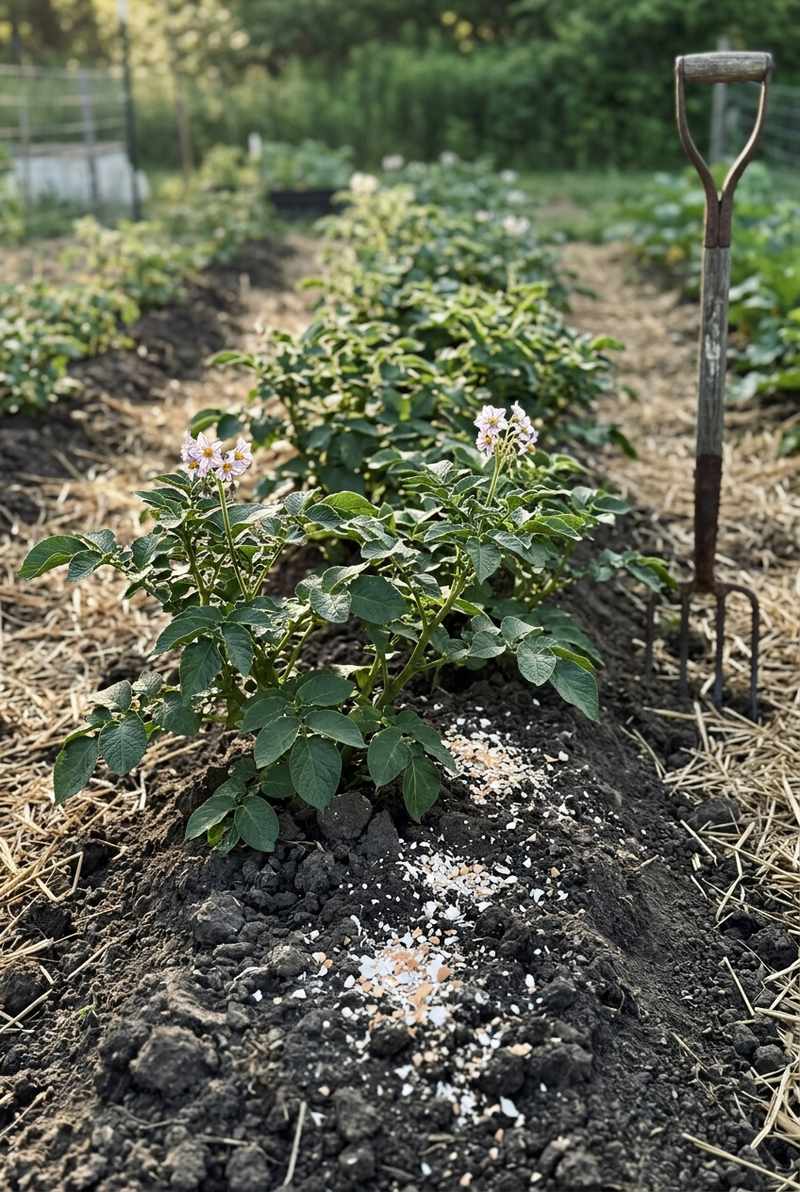
Potatoes benefit from calcium for skin quality and disease resistance. Scab can be worse in calcium-depleted soil. A light application of powder at planting helps, but don’t overdo it. Potatoes prefer slightly acidic soil (5.0-6.0) and too much eggshell can push pH too high.
Test your soil first. This is one of the plants where “more is better” absolutely does not apply.
14. Marigolds
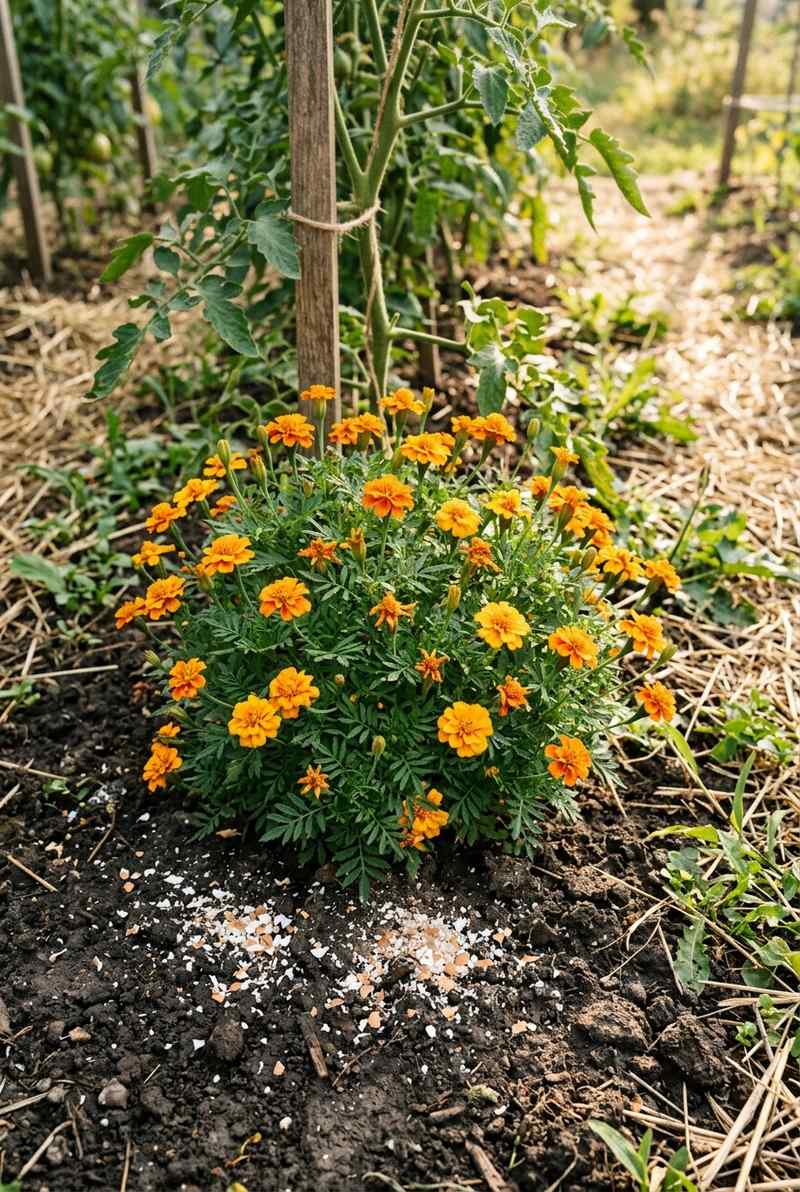
Often planted as companions around vegetable beds. Marigolds aren’t calcium-demanding, but they tolerate the slight pH increase from eggshells and the calcium supports strong stems. A natural fit next to your tomato plants.
Not a primary beneficiary. More of a “won’t hurt, might help” situation.
15. Worm Bins (Bonus)
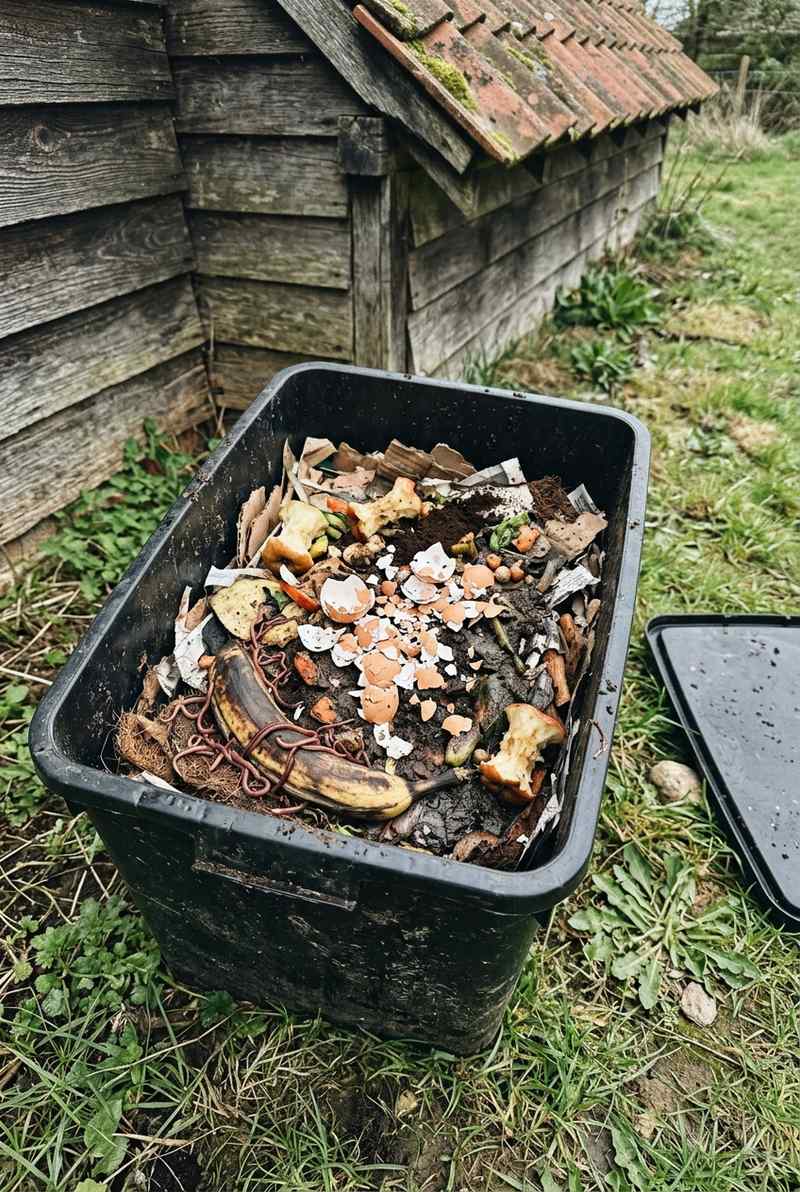
Not a plant, but this is the one use where every source agrees: crushed eggshells are genuinely useful in vermicompost. Red wigglers need grit to grind food in their crop, like chickens need grit. Eggshells provide it perfectly.
Crush (don’t need to powder for worms), toss in, done. This is the single most universally endorsed use of eggshells in the garden world.
Plants That Do NOT Want Eggshells
Eggshells raise soil pH (make it more alkaline). These acid-loving plants will suffer if you add eggshells around them:
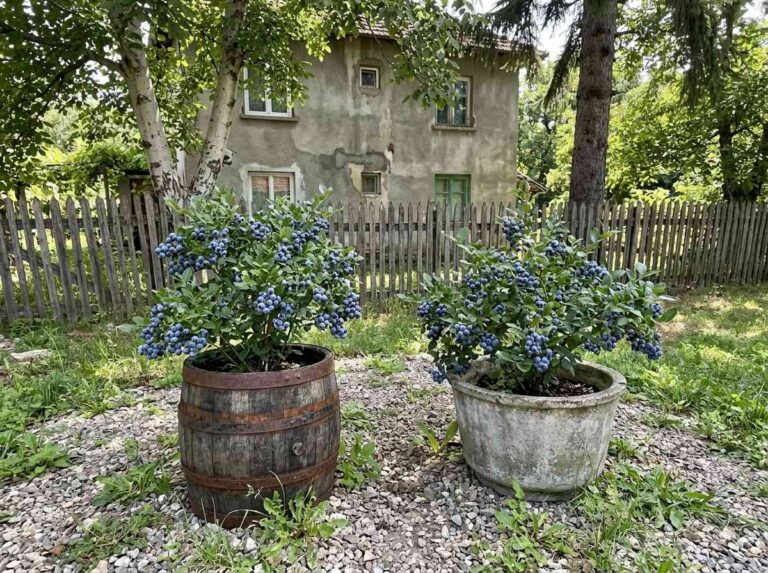
- Blueberries (need pH 4.5-5.5)
- Azaleas and Rhododendrons (need acidic soil)
- Camellias (acidic soil required)
- Hydrangeas (if you want blue flowers, eggshells push toward pink)
- Gardenias (acid-loving)
- Ferns (most prefer acidic conditions)
If you grow any of these, keep your eggshells away from them.
The Vinegar Trick (Actually Clever)
One method that does have some science behind it: dissolve eggshell powder in vinegar. The acid reacts with calcium carbonate and creates calcium acetate, which plants can actually absorb. It bubbles quite a lot (that’s the reaction working). Dilute with water before applying.
More bioavailable than powder alone. Not widely studied, but the chemistry makes sense. I’ve been experimenting with it on my pepper plants this season.
Common Questions
How many eggshells do I need per plant?
1-2 tablespoons of finely ground powder per plant, worked into the top 2 inches of soil at planting time. One eggshell contains about 2.2 grams of calcium. A dozen shells gives you roughly enough for 6-8 plants.
Do I need to bake eggshells before using them?
For edible crops, yes. Bake at 200F (93C) for 30 minutes to kill salmonella. For ornamental plants and compost, it’s less critical but still a good habit.
Can I just toss whole eggshells in the garden?
You can, but they won’t do anything useful for years. Whole shells have been found intact after decades underground. If you want calcium benefit this season, grind to powder. If you just want them out of the trash, toss them in the compost.
Eggshells or garden lime — which is better?
Garden lime works faster and comes in measured quantities. Eggshells are free but unpredictable. If you need to correct a real calcium deficiency, use lime. If you just want to use kitchen scraps and build long-term soil health, eggshell powder is fine.
Do eggshells and coffee grounds work together?
Common pairing. Coffee grounds add nitrogen and lower pH slightly. Eggshells add calcium and raise pH slightly. In theory they balance each other. In practice, the amounts a home gardener produces are too small to significantly change soil chemistry either way. But they’re both fine compost additions.
Grind Them or Don’t Bother
I still save every eggshell. I bake them, grind them, and work the powder into the vegetable beds each spring. Do I know for certain it’s making a difference? No. My soil might already have enough calcium.
But the shells are free, the effort is small, and the science says powdered calcium carbonate does work in deficient soil. Good enough for me. Just don’t expect them to fix blossom end rot. Fix your watering for that.