12 Reasons Your Hydrangea Isn’t Blooming (And the Fix)

- No blooms yet
- Old-wood confusion
- Beginner-friendly
- Every hydrangea type
I planted my first hydrangea our first summer here. Three years later, it hadn’t given me a single flower.
So I started reading. Killing plants. Asking every gardener who’d listen.
Turns out most of us are making one of the same twelve mistakes. Ranked, roughly, by how likely it is.
The Short Version
- Old-wood types (mophead, oakleaf, mountain) get pruned wrong. That’s the biggest culprit.
- A warm February followed by a March frost wipes out swelling buds.
- Too much nitrogen equals huge leaves and zero flowers.
- Soil pH affects flower color, not whether it blooms at all.
- First thing to check: if it’s a bigleaf, don’t touch it with pruners until after it flowers.
1. You Pruned an Old-Wood Type at the Wrong Time
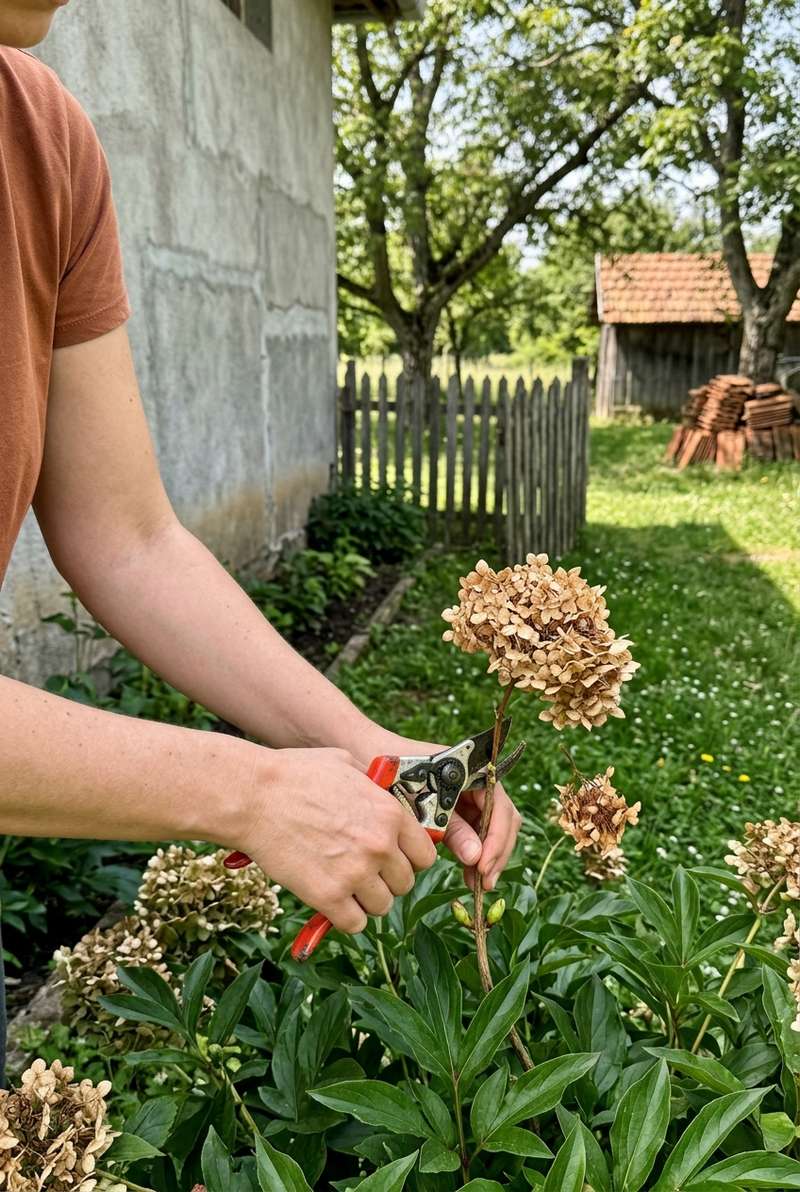
This is the reason. If you’re only going to read one item on this list, read this one.
Mopheads, lacecaps, oakleaf, and mountain hydrangeas all bloom on old wood. Their flower buds form in late summer on the growth the plant made that year.
Cut them back in fall, winter, or early spring, and you’re cutting off next year’s flowers. That’s exactly what happened to mine for two straight years.
Panicle and Annabelle types are different. They bloom on new wood and can be cut back in late winter without losing a single flower.
Tip
For mopheads and lacecaps, prune only in the two weeks right after the flowers fade. That’s usually July or August. Any later and you’re gambling with next summer.
2. A Late-Winter Warm Snap Tricked the Buds, Then a Frost Killed Them
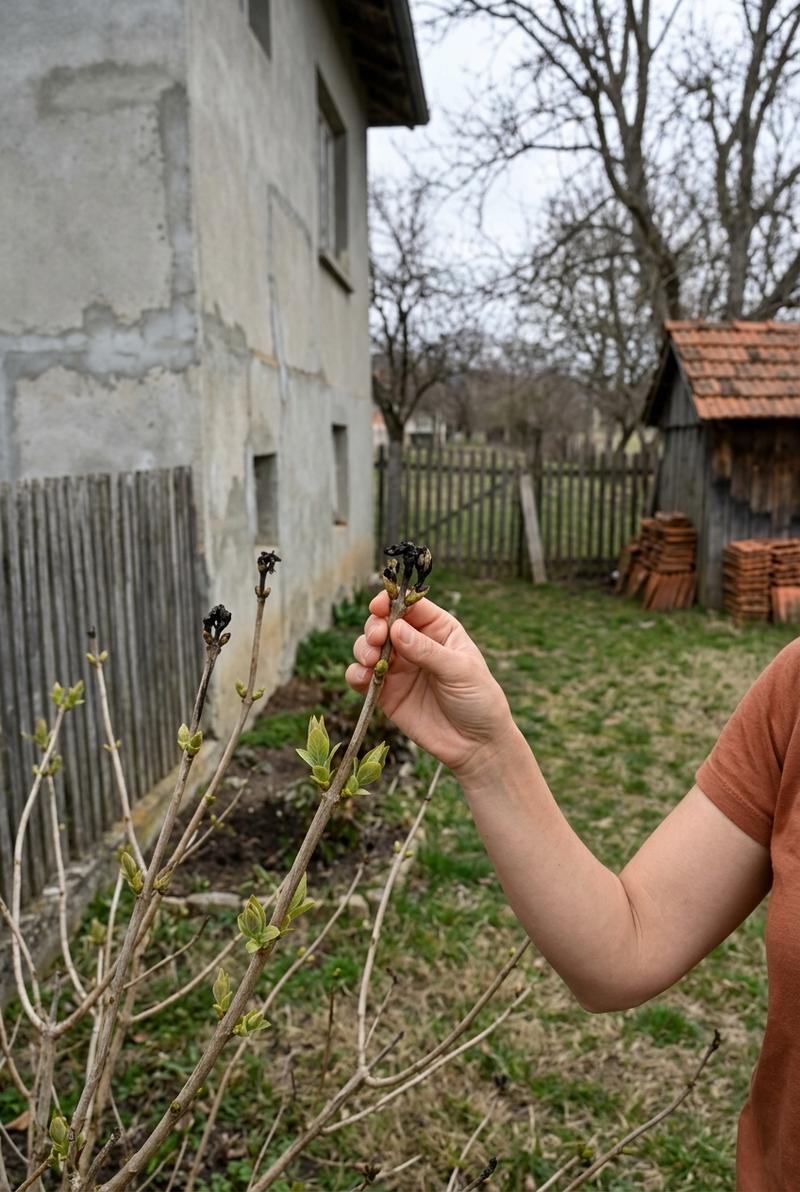
This one feels personal. Like the weather has a grudge.
Dormant hydrangea buds are tough. Fully dormant, they can shrug off 0°F (-18°C). But once a warm February coaxes them out of dormancy, they become fragile fast.
A single night at 26°F (-3°C) after that swelling starts can kill an entire year’s blooms. The plant looks fine in April. It just refuses to flower.
Did you know
Old-wood hydrangeas set next year’s buds in August and September. So a hard October freeze, or a March cold snap after a warm week, can wipe out a whole season before spring even arrives.
3. The Plant Is Still Too Young to Bloom
Most hydrangeas need two to five years in the ground before they really start flowering. Climbing hydrangeas can take five to seven.
If yours is a baby you planted last spring, it isn’t broken. It’s just busy building roots.
Patience, mostly.
4. You’ve Been Feeding It Too Much Nitrogen
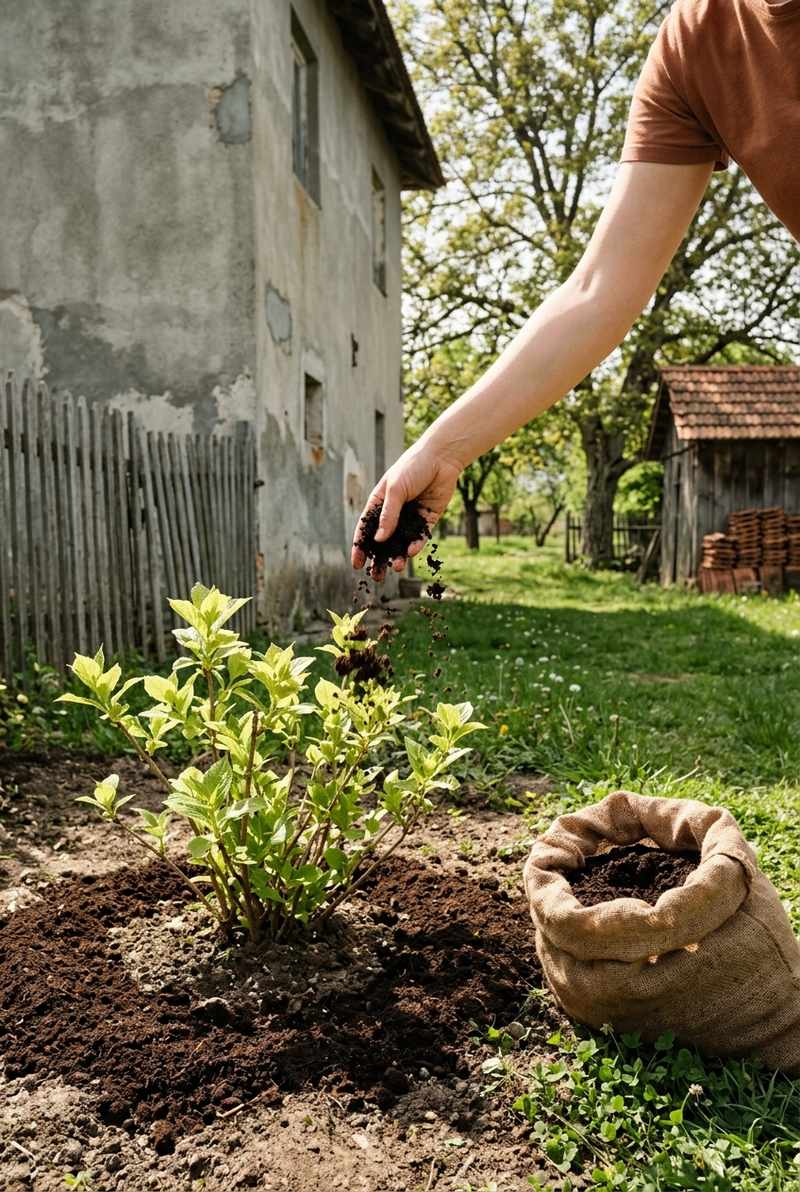
Big, glossy leaves and no flowers is the classic tell. That’s a nitrogen problem, almost every time.
Sometimes it’s the lawn fertilizer creeping into the border. Sometimes it’s a well-meaning general-purpose feed with a high first number in the NPK ratio. Either way, the plant pours everything into leafy growth.
Honestly, most hydrangeas don’t need fertilizer at all. A ring of compost in spring is plenty (ask me how I know).
The fix: skip the feed this year. Move the plant a couple of feet away from your lawn edge if the runoff is real.
5. It’s the Wrong Hydrangea for Your Zone
Time for the honest section. Endless Summer was marketed as the hydrangea that blooms on both old and new wood, so cold-zone gardeners couldn’t lose.
In practice, in Zones 4 and 5, the old wood dies back every winter and the new-wood blooms are sparse. I’ve read entire blogs written by people who feel lied to.
In cold zones, I’d pick a panicle over any bigleaf. Full stop.
Limelight, Little Lime, and Bobo bloom reliably even after brutal winters because they set buds fresh every spring. That’s the shortcut nobody at the garden center will tell you.
6. It Isn’t Getting Enough Sun
Deep shade under a mature tree gives you leaves. Not flowers.
Bigleaf hydrangeas want 4 to 6 hours of direct sun, ideally in the morning. Panicles will take even more.
If yours is drowning under a canopy, thin the overhead branches or move the plant in early fall. I’ve done a hydrangea rescue like this once. It took a full year to recover, then bloomed better than it ever had.
7. It’s Getting Too Much Hot Afternoon Sun
The flip side. In Zones 7 through 9, all-day sun cooks the buds, and the plant channels every ounce of energy into just staying alive.
The daily wilt by 2pm is the tell. Even if you water like your life depends on it, the plant reads that as stress and skips flowering entirely.
Shade cloth works. So does a bigger neighboring shrub. Or, honestly, moving to a spot that gets sun until noon and shade after.
8. Drought Stress Hit Right When the Buds Were Forming
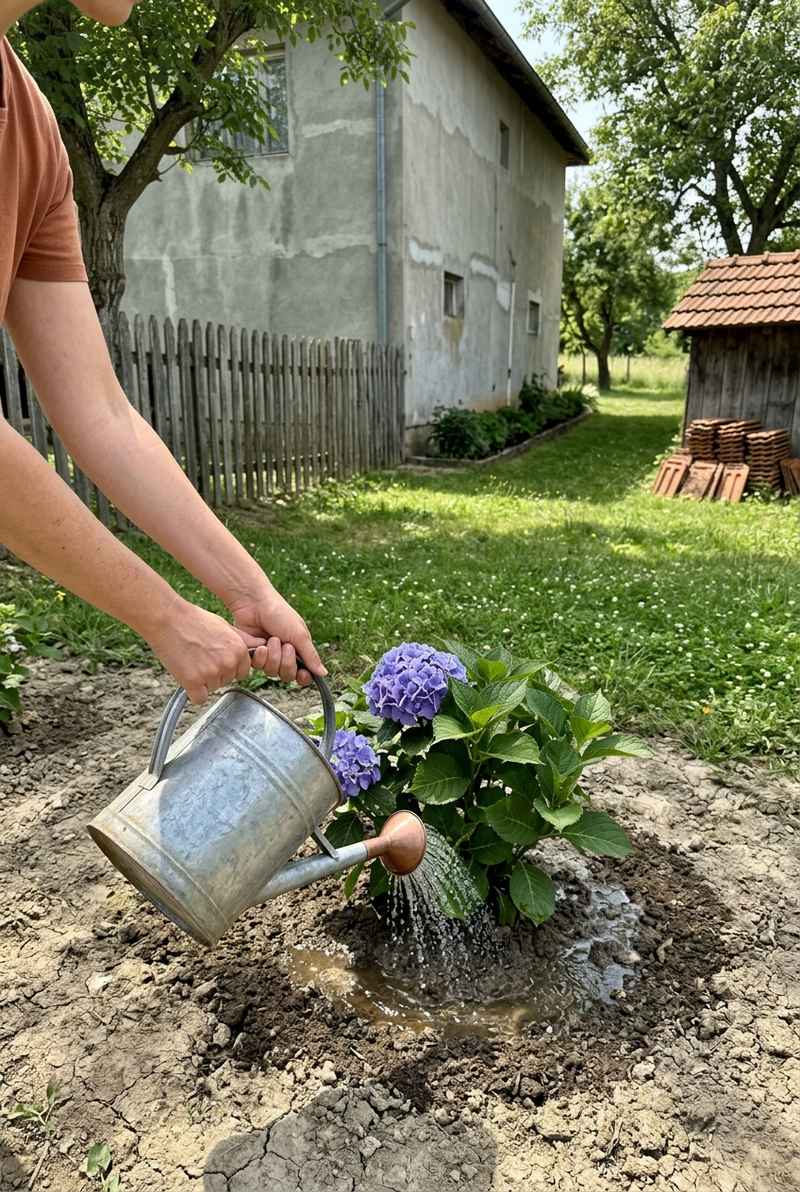
This is the sneaky one. The blooms you miss in June started dying nine months earlier, in a hot, dry August.
Bud set happens in late summer. A drought in that window doesn’t hurt this year’s flowers because they’ve already opened. It quietly kills the ones you were counting on for next year.
The fix: deep water once a week from mid-July through September, especially in a dry year. Mulch to hold what you give it. If you struggle with heat and dry spells, my list of drought-tolerant flowers shows what I lean on instead of babying the hydrangeas.
9. Deer or Rabbits Ate the Buds Over Winter
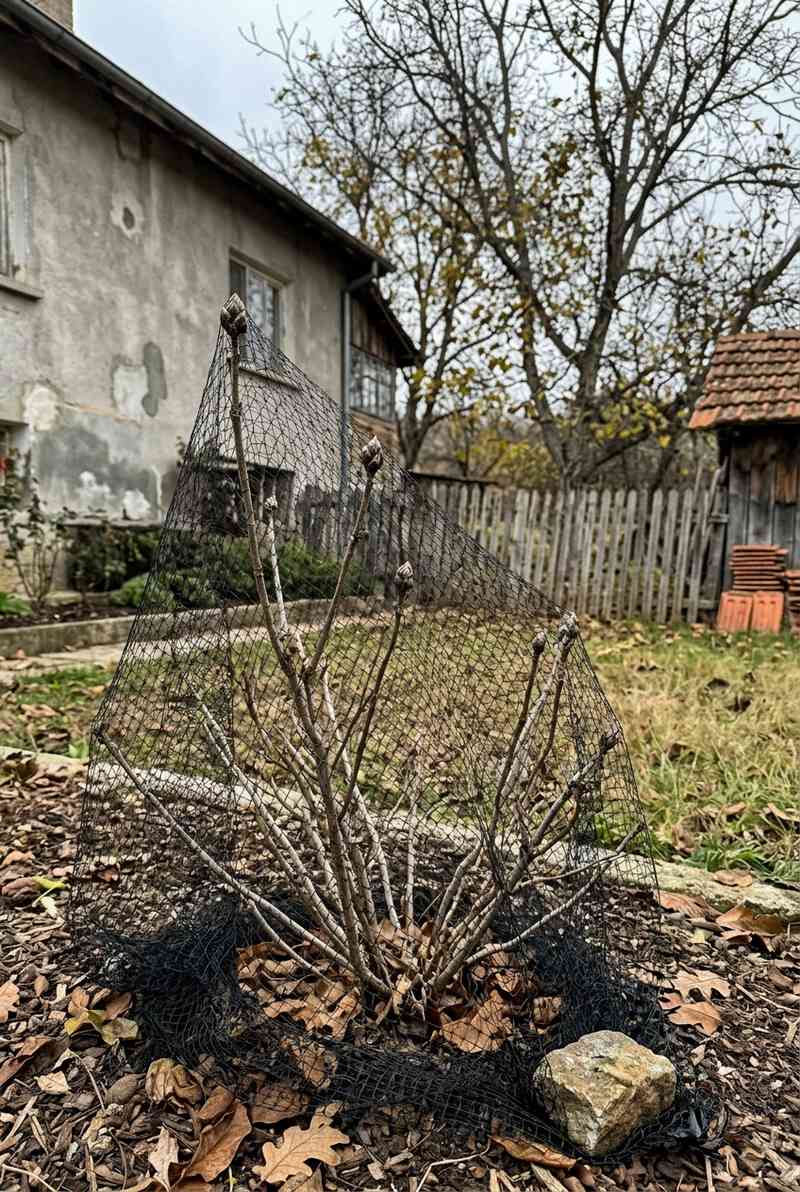
Dormant hydrangea tips are food to a hungry deer in February (learned that one the hard way). Nothing personal.
If your plant leafs out fine every spring but never flowers, look at the stem tips before the leaves break. Neatly clipped ends mean something’s been snacking.
Liquid fence from November through March works. So does a loose sleeve of burlap or bird netting.
10. It Came Home From the Florist as a Gift
Grocery-store hydrangeas and mother’s-day gift plants get greenhouse-forced to bloom out of season. They’re gorgeous for a week, then confused for the rest of their lives.
Planted outside, they rarely rebloom well. If they do, it takes three or four years to catch up to their real schedule.
This is the one I’d stop being sad about. Enjoy it as a houseplant for the season it came with, and buy a landscape variety for the yard.
11. It’s Stuck in a Pot That’s Too Small or It Froze Through
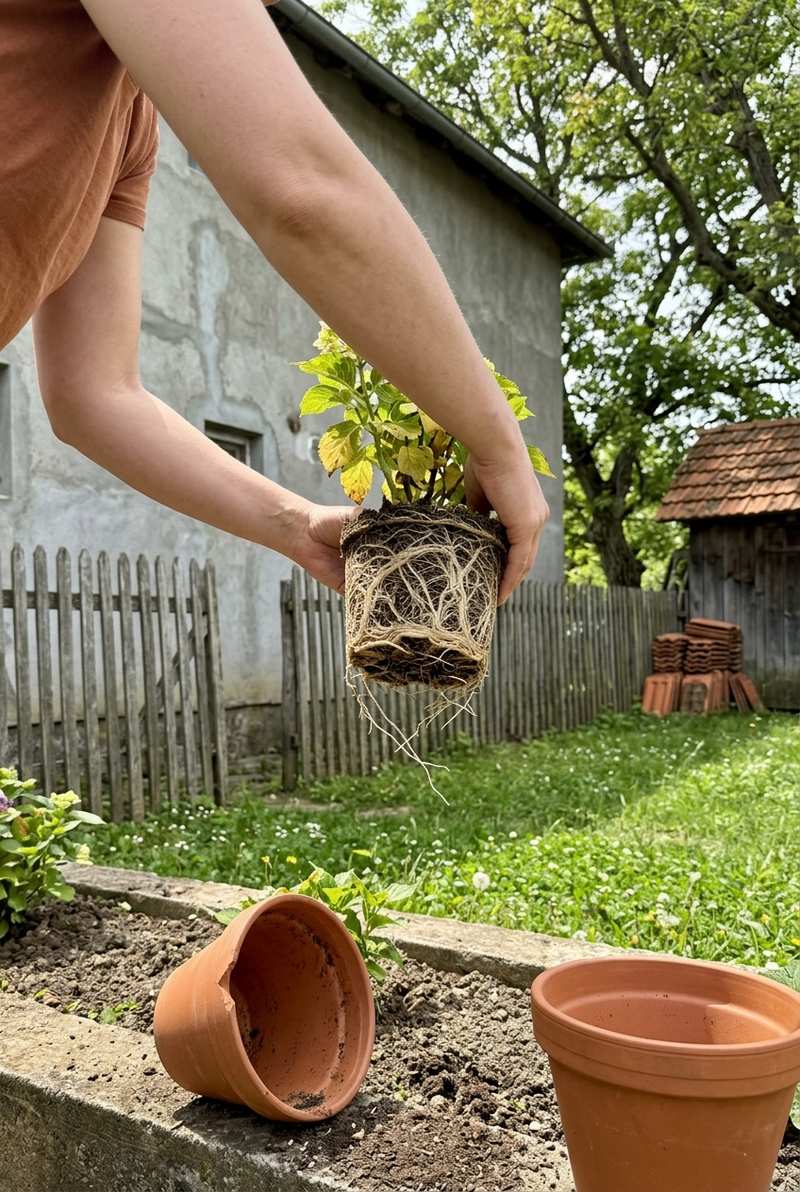
Container hydrangeas run out of room fast. Roots hit the walls, circle back on themselves, and the plant quietly stops flowering while it fights for space.
Roots in pots also freeze harder than roots in the ground. A single deep cold snap can kill the whole crown, and you won’t know until nothing wakes up in May.
My toddler dumps ours out at least once a summer, which does not help.
Tip
Repot every 2 to 3 years and wrap the pot in bubble wrap, burlap, or a big mound of leaves in winter. Or wheel the whole thing into an unheated garage.
12. You’ve Been Chasing pH Thinking It Triggers Blooms
This one comes up in every hydrangea forum thread I’ve ever read, so I’ll be blunt.
Soil pH affects color, not whether the plant blooms. Acidic soil around 5.0 to 5.5 unlocks aluminum, which turns bigleaf hydrangeas blue. More alkaline soil locks aluminum out, which pushes them pink.
Neither one has anything to do with whether flower buds form. If your hydrangea isn’t flowering, put down the pH meter and check every other item on this list first.
Every time.
Where I’d Actually Start
If I had to pick two things to check first, it’d be pruning timing and nitrogen. Those two account for almost every “healthy plant, zero flowers” case I’ve dealt with.
After that: sun, then cold damage, then age. The rest of the list gets you the last handful of edge cases.
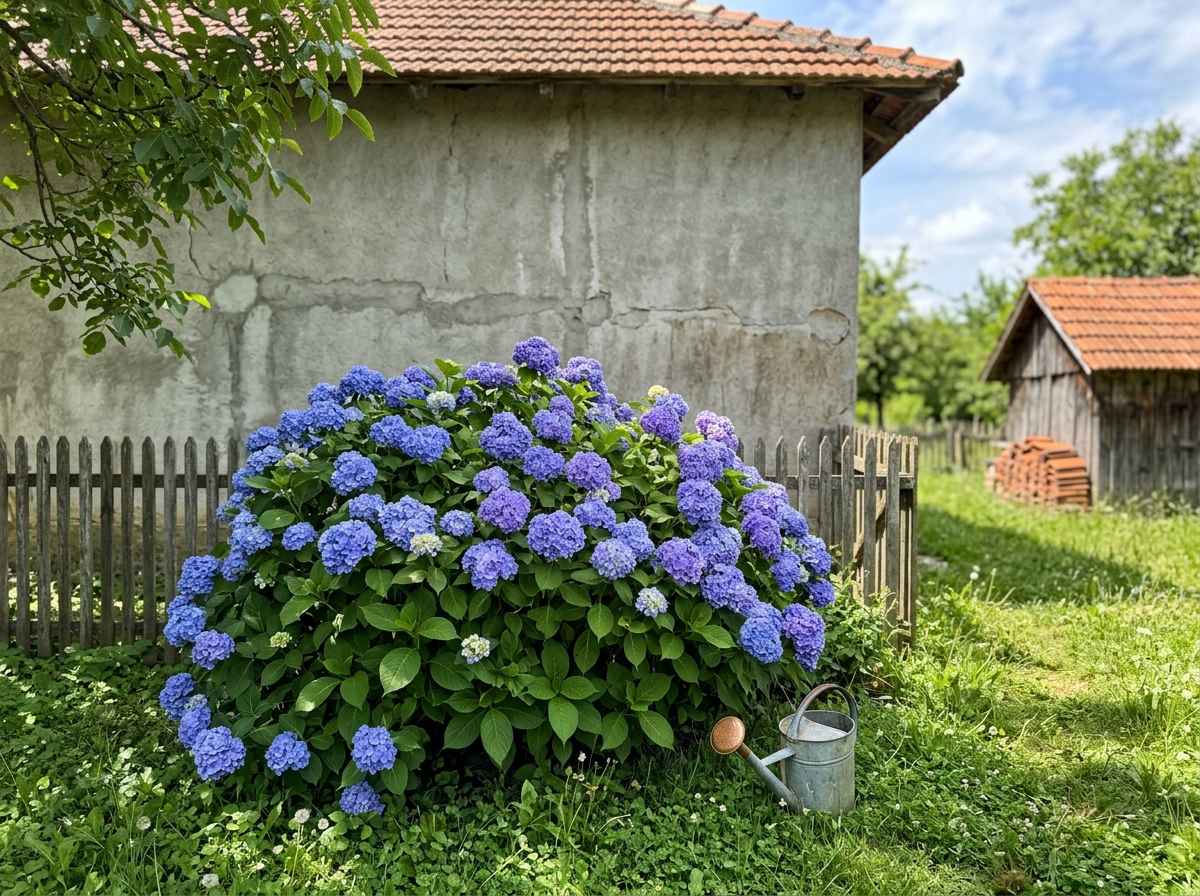
For the record, my first hydrangea eventually bloomed in year four. It’s now the plant I show off first when someone visits. Alongside the flowers that bloom all summer along the same border, it’s carrying the front yard from June into September.
Common Questions
Why does my hydrangea have leaves but no flowers?
Usually one of three things: it was pruned at the wrong time, it’s getting too much nitrogen, or it’s still too young. Check pruning timing first. That fixes the majority.
Should I prune my hydrangea if it isn’t blooming?
Not on a bigleaf, lacecap, oakleaf, or mountain hydrangea. Leave it alone. If you must tidy, only do it in the two weeks after the flowers fade. Panicle and Annabelle types you can prune in late winter without hurting anything. The University of Maryland Extension pruning guide lays out the exact windows if you want to double-check the type you have.
Can I make my hydrangea bloom faster?
Not really. You can stop actively hurting it (bad pruning, high-nitrogen feed, wrong sun exposure), which lets it get on with its schedule. But the timeline is set by the plant, not by you.
Do coffee grounds help hydrangeas bloom?
They can make the soil slightly more acidic over time, which affects color on bigleaf types. They don’t trigger blooming. Compost is a better all-around soil amendment if that’s what you’re after.
How long does it take for a new hydrangea to bloom?
Two to five years for most standard types, five to seven for climbing hydrangeas. If yours is under two years in the ground, it isn’t broken. It’s still settling in.
The Summer It Finally Bloomed
My first hydrangea gave me one perfect blue mophead in year four. One. I nearly cried.
Now it puts out dozens every summer, and I haven’t done anything different since. That’s the trick with these plants. Stop trying so hard, get the fundamentals right, and let them be.