How to Grow Snapdragons From Seed to Flower (Beginner Guide)

- Seed starting
- Cool-season flower
- Cut flowers
- Beginner friendly
I killed my first batch of snapdragon seedlings with a heat mat. Set the tray on it like I do with tomatoes and peppers, walked away, came back to nothing. Not a single sprout. Turns out, snapdragons are the opposite of almost every other flower you’ll start from seed.
They want cool temperatures. They need light to germinate. And they bloom best in weather that makes most summer flowers quit. Once I figured that out, everything changed. This is the guide I wish I’d had before wasting that first seed packet.
The Short Version
- Start indoors 8-10 weeks before last frost
- Surface-sow seeds (they need light to germinate)
- NO heat mat. Ideal temp: 65-70F (18-21C)
- Transplant outdoors 2-3 weeks BEFORE last frost (they handle light frost)
- Pinch at 4-6 inches for bushier plants with more stems
- Cold stratification (3-5 days in the fridge) boosts germination from ~52% to ~87%.
Why Snapdragons Are Different From Everything Else
Most flower seeds want warmth, darkness, and moisture. Snapdragons want the opposite. They germinate best at 65-70F (18-21C), need light hitting the seed surface, and temperatures above 75F actually stop germination.
They’re also cool-season flowers. They bloom hardest in spring and fall, go semi-dormant in summer heat, then rebloom when temperatures drop. If you’ve been treating them like zinnias or marigolds, that’s why they’re not performing.
Pick Your Variety (Dwarf, Medium, or Tall)
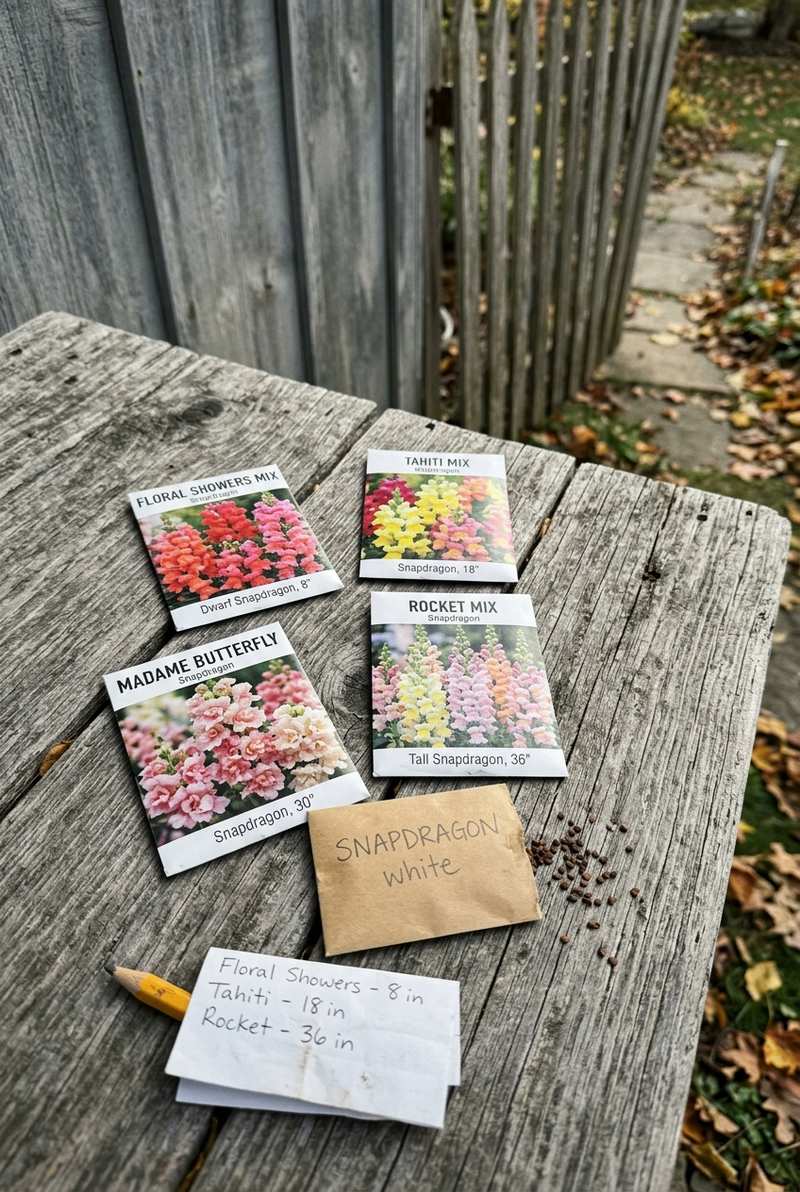
This matters more than most guides admit. Snapdragon varieties fall into three classes, and buying the wrong one leads to disappointment.
| Type | Height | Best For | Varieties |
|---|---|---|---|
| Dwarf | 6-12 in (15-30 cm) | Pots, window boxes, edging | Floral Showers, Candy Showers (trailing) |
| Medium | 16-24 in (40-60 cm) | Borders, mixed beds | Sonnet, Snapshot |
| Tall | 24-36 in (60-90 cm) | Cut flowers, back of border | Rocket, Potomac, Chantilly |
If you want bouquet-worthy stems, buy tall varieties. Generic garden center packets are usually dwarf bedding types that top out at ankle height. Fine for pots, useless for cutting. Potomac and Rocket are the ones I grow for vases.
The Fridge Trick That Doubles Germination
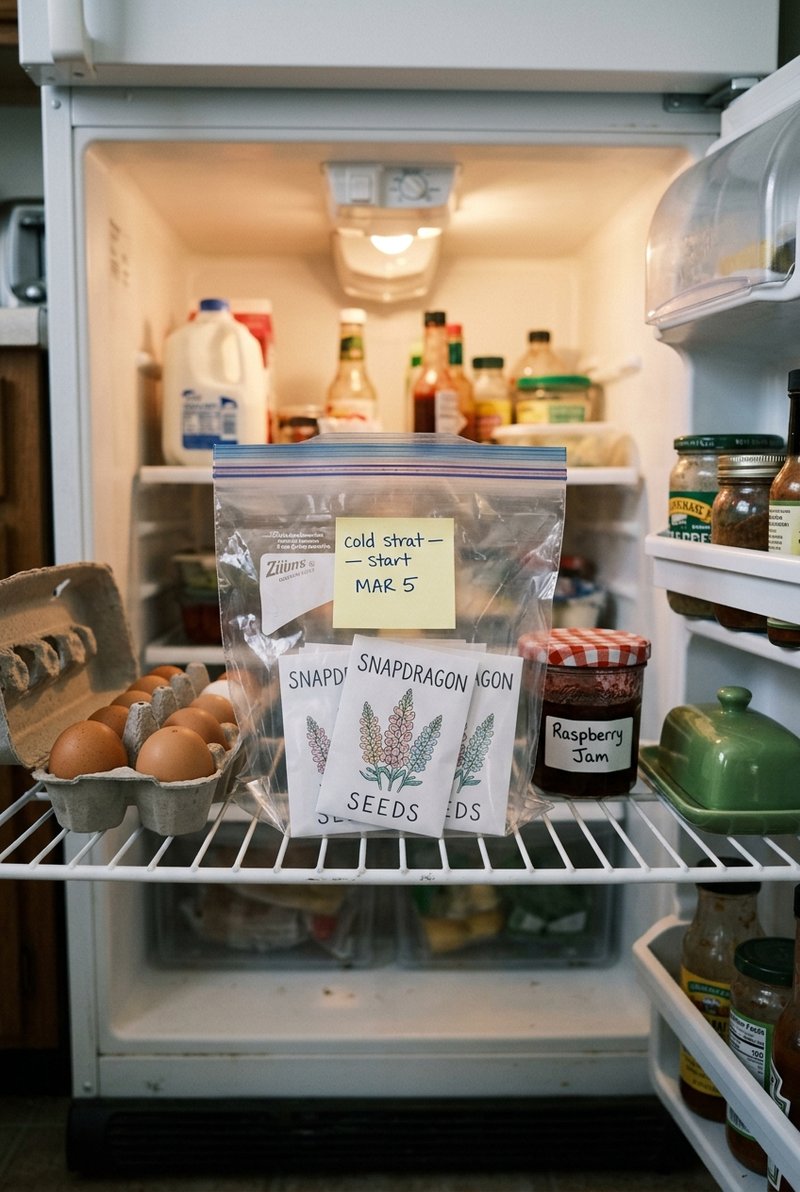
UF IFAS research found that cold-treating snapdragon seeds before sowing improves germination from about 52% to 87%. That’s a huge difference from one simple step most guides skip entirely.
Place seeds in a damp paper towel inside a sealed bag. Put it in the fridge (40-47F / 4-8C) for 3-5 days. Then sow immediately. The cold mimics winter and tells the seeds it’s time to wake up. Optional, but I do it every time now.
Surface-Sow, No Heat Mat, Lots of Light
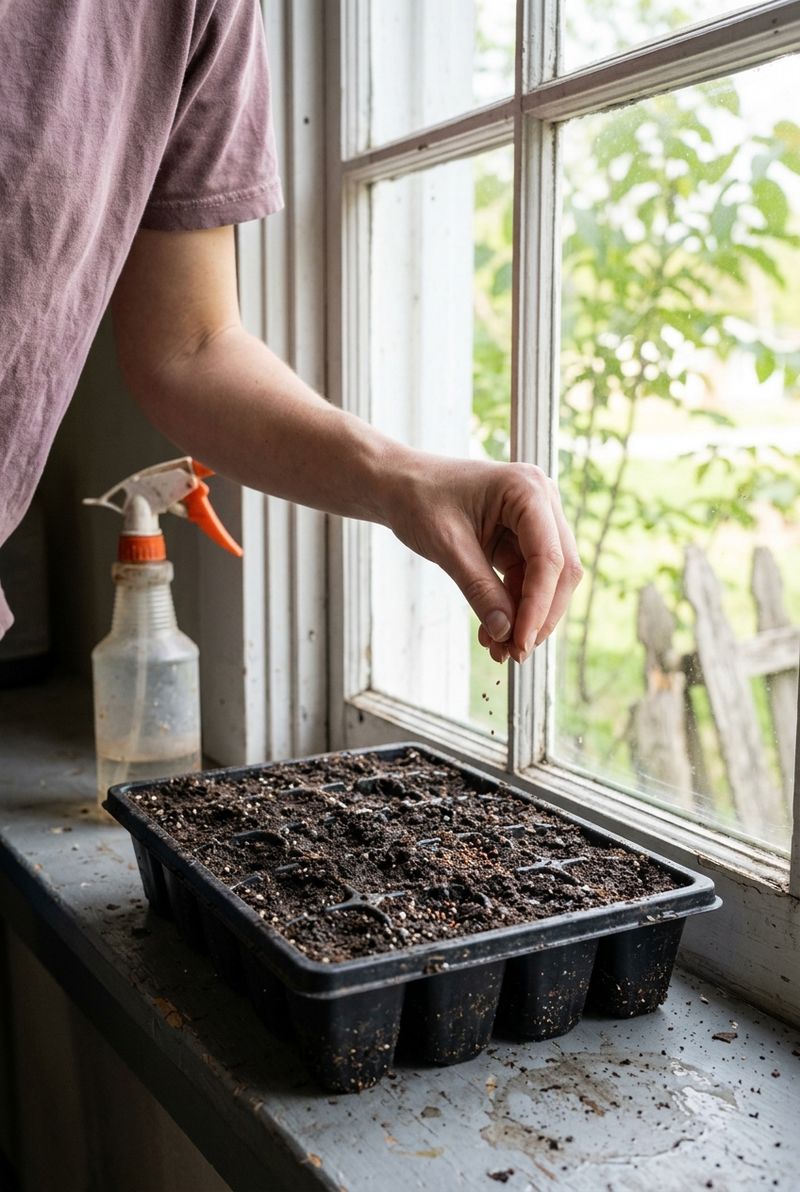
Fill cell trays or small pots with seed-starting mix. Moisten the mix before sowing. Sprinkle seeds on the surface and press gently with your finger. Do not cover them with soil.
Snapdragon seeds need light to germinate. Burying them even a quarter inch is enough to prevent sprouting. This is the most common beginner mistake. If you’ve sown snapdragons and gotten nothing, this is probably why.
Cover the tray with a clear dome or plastic wrap to hold moisture. Remove the dome the moment seeds sprout (7-14 days). Leaving it on after germination traps humidity and causes damping off, a fuzzy mold that kills seedlings at the soil line.
No heat mat
This is the counterintuitive part. Most seeds love a heat mat. Snapdragons don’t. Temperatures above 75F (24C) inhibit germination. Keep them at room temperature (65-70F) in a bright spot. A windowsill works for temperature but probably not for light.
Grow lights are non-optional. Windowsills rarely provide enough intensity for snapdragon seedlings. They get leggy and weak within days without 14-16 hours of light. Position the light 2-4 inches (5-10 cm) above the seedlings and raise it as they grow.
Run a small fan on low near the tray. Air circulation prevents damping off and strengthens stems. One grower on Houzz reported losing most of 60 seedlings to mold because of stagnant air. Don’t repeat that.
Save this to PinterestPinch Half, Leave Half
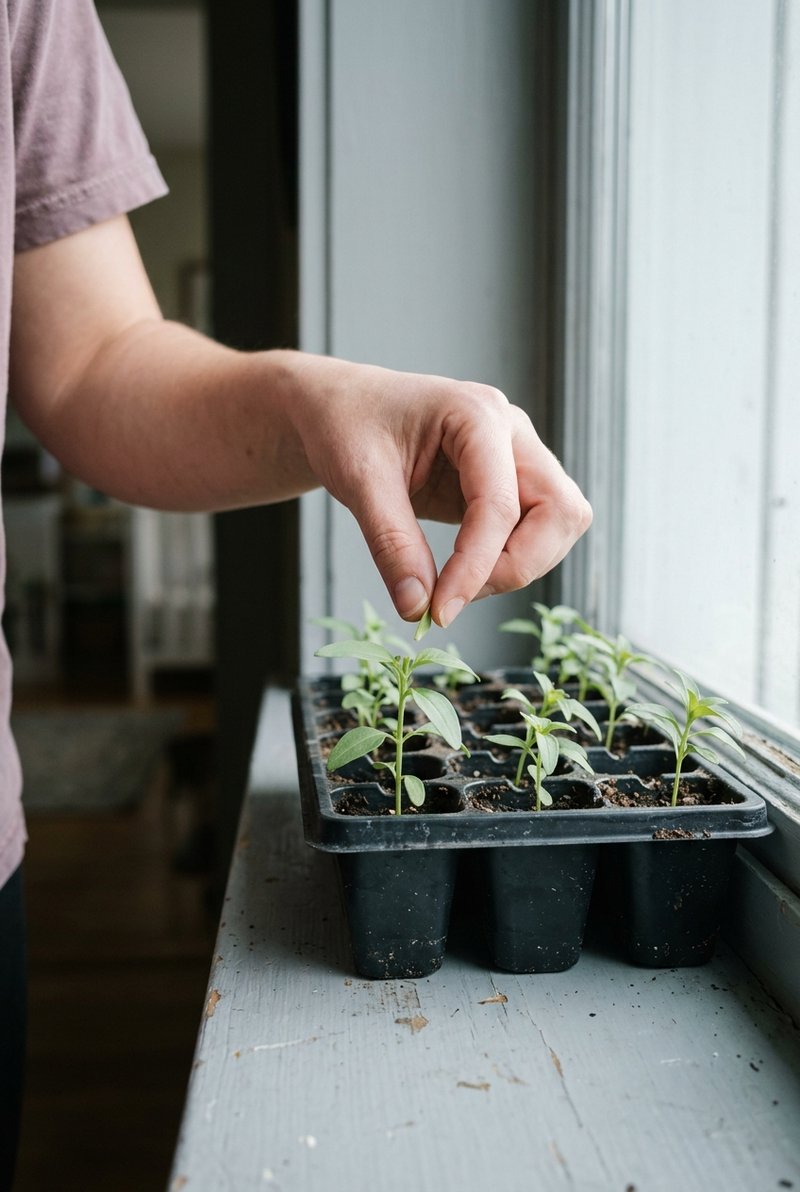
When seedlings reach 4-6 inches (10-15 cm) tall with 3 or more sets of true leaves, pinch or cut the top off. Remove the growing tip back to about 1.5-2 inches (4-5 cm) above the soil.
This forces 4-6 side branches, which means 4-6 flower stems instead of one. The trade-off: pinching delays first bloom by about two weeks. If you want flowers sooner, leave some plants unpinched.
I split my trays. Half pinched, half not. Early flowers from the unpinched batch, then a wave of multi-stem bouquets from the pinched ones a couple weeks later. Best of both worlds.
They Go Outside Before Your Tomatoes Do
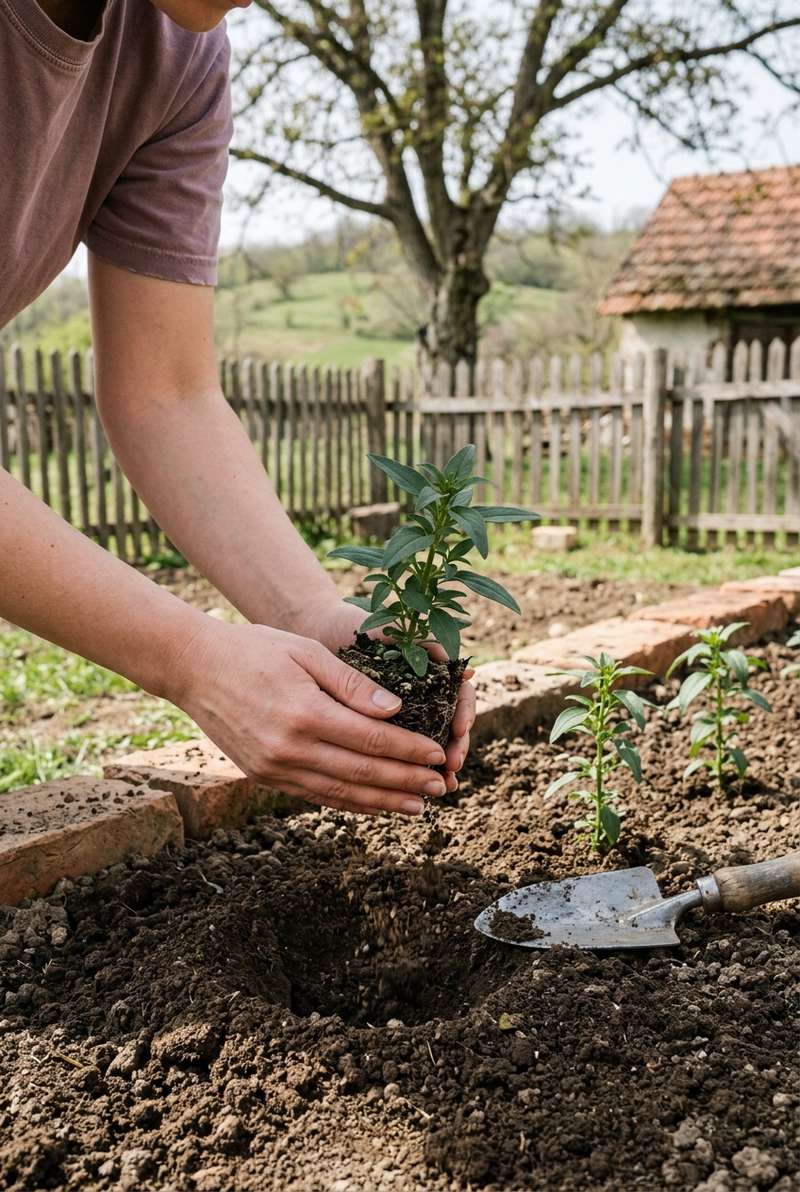
Here’s another surprise. Snapdragons can go outdoors 2-3 weeks before your last frost date. They handle light frost and actually prefer cool soil. Harden them off for a week first (gradually increasing outdoor time each day), then plant.
Space tall varieties 8-12 inches (20-30 cm) apart. Dwarf types can go closer, 6-8 inches (15-20 cm). Full sun, well-drained soil, pH 6.2-7.0. They’re among the first flowers you can plant alongside poppies and pansies while your tomatoes are still under lights indoors.
Cut flower tip
Harvest when the bottom third of florets are open. Store cut stems upright (they bend toward the ceiling within minutes if laid flat, which is a quirk of their biology). Vase life is 7-10 days if you keep them cool. Snapdragons are a top-10 commercial cut flower for a reason.
The Summer Pause (Don’t Pull Them)
Snapdragons bloom heavily in spring, then slow down or stop when temperatures stay above 80F (27C). This looks like dying. It’s not. They’re semi-dormant. NC State Extension confirms snapdragons bloom best in cool weather and naturally pause in heat.
Leave them alone. When fall temperatures drop, they’ll push a second flush of flowers that lasts until hard frost. Two bloom seasons from one planting. Don’t pull them in July just because they look tired.
In zones 7-11, snapdragons can overwinter. But crown rot from wet winter soil kills most plants. The better strategy: let a few go to seed in fall. The self-sown seedlings overwinter more successfully than established plants. They’re tougher.
Rust, Mildew, and How to Dodge Both
Two diseases to watch for. Both are preventable with the same habit.
- Rust (Puccinia antirrhini). Brown-orange pustules on leaf undersides. Thrives at 55-70F (13-21C). Remove infected leaves immediately.
- Downy mildew. Gray-white fuzz on leaf undersides in cool, wet conditions. Spreads fast in crowded, still air.
The fix for both: water at the base, not overhead. Drip irrigation or a watering can aimed at the soil. Wet foliage in cool weather is an open invitation. Give plants room to breathe, keep air moving, and you’ll probably never see either one.
Common Questions
Can I direct-sow snapdragons outdoors?
You can try, but the success rate is low. The seeds are tiny and get washed away by rain or buried too deep. Indoor seed starting is far more reliable. Direct sowing works occasionally in fall for spring blooms in mild climates.
Why are my snapdragon seedlings so leggy?
Not enough light. Windowsills don’t cut it. They need 14-16 hours of grow light positioned 2-4 inches above the leaves. Leggy seedlings can be buried slightly deeper at transplant, but prevention is better.
When do snapdragons bloom?
Spring (April-June) and fall (September-October). They slow down or stop in midsummer heat above 80F (27C). Don’t pull them. Be patient. The fall rebloom is worth the wait.
From Seed Packet to First Bouquet
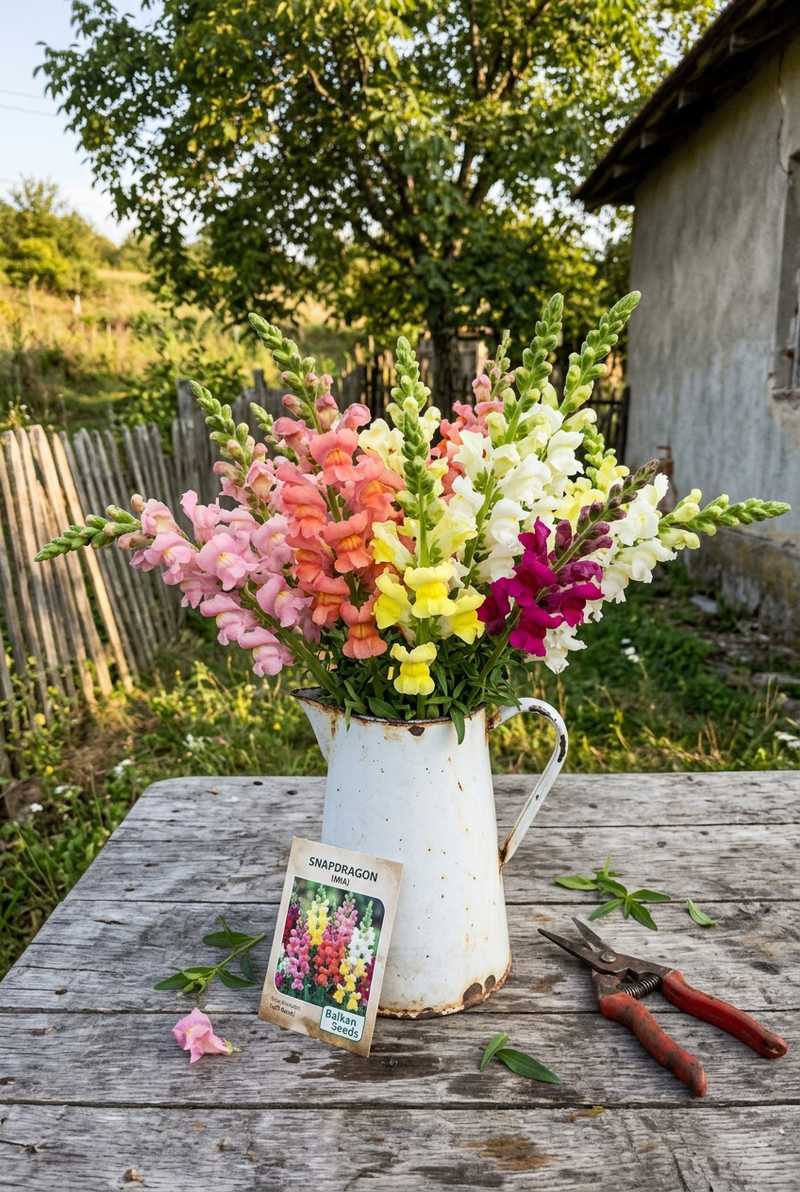
After that first heat-mat disaster, I started a second batch at room temperature, surface-sowed, under a grow light. Every seed sprouted. Pinched half of them at 4 inches. By May I had more snapdragon stems than I knew what to do with.
They’re not hard once you know the two rules: no heat, and don’t bury the seeds. Everything else is just patience and a grow light. The first bouquet you cut from your own snapdragons makes the whole process worth it.