How to Attract Dragonflies to Your Garden (They Eat Mosquitoes)
- Natural pest control
- Mosquito reduction
- Pollinator gardens
- All zones
Last July I was standing in the yard at dusk getting eaten alive by mosquitoes when a dragonfly the size of my thumb parked itself on the fence post and started picking them off mid-air. Watched it for ten minutes. It didn’t miss once.
Turns out a single dragonfly can eat over 100 mosquitoes a day, and some researchers put the number closer to several hundred. That’s better than any citronella candle I’ve bought. I started reading about how to get more of them to show up.
Most of what works is simple. Water, a few specific plants, some flat rocks, and one thing you need to stop doing. Here’s the full setup.
Quick Answer
- Dragonflies need a water source (even a small container pond counts)
- Still or slow-moving water, at least 2 feet deep with shallow edges
- Plant flat-topped flowers and tall perching plants near the water
- Add flat rocks for sunbathing spots
- No fish in the water. No pesticides in the yard.
- One dragonfly eats 100+ mosquitoes per day with a 90-95% catch rate.
What You’ll Need
- A water source (pond, half-barrel, or large container, at least 2 feet deep)
- Aquatic plants (water lilies, arrowhead, or horsetail)
- Garden plants for perching (black-eyed susan, joe-pye weed, meadow sage)
- Flat rocks or stones for sun-basking spots
- Tall grasses or reeds near the water
Time: A weekend to set up, a season to see results · Difficulty: Easy
Step 1: Give Them Water (It Doesn’t Have to Be a Pond)
Dragonflies breed in water. Their larvae (called nymphs) spend one to three years underwater before crawling out, climbing a plant stem, and turning into the flying mosquito terminators you want. No water, no dragonflies. Simple as that.
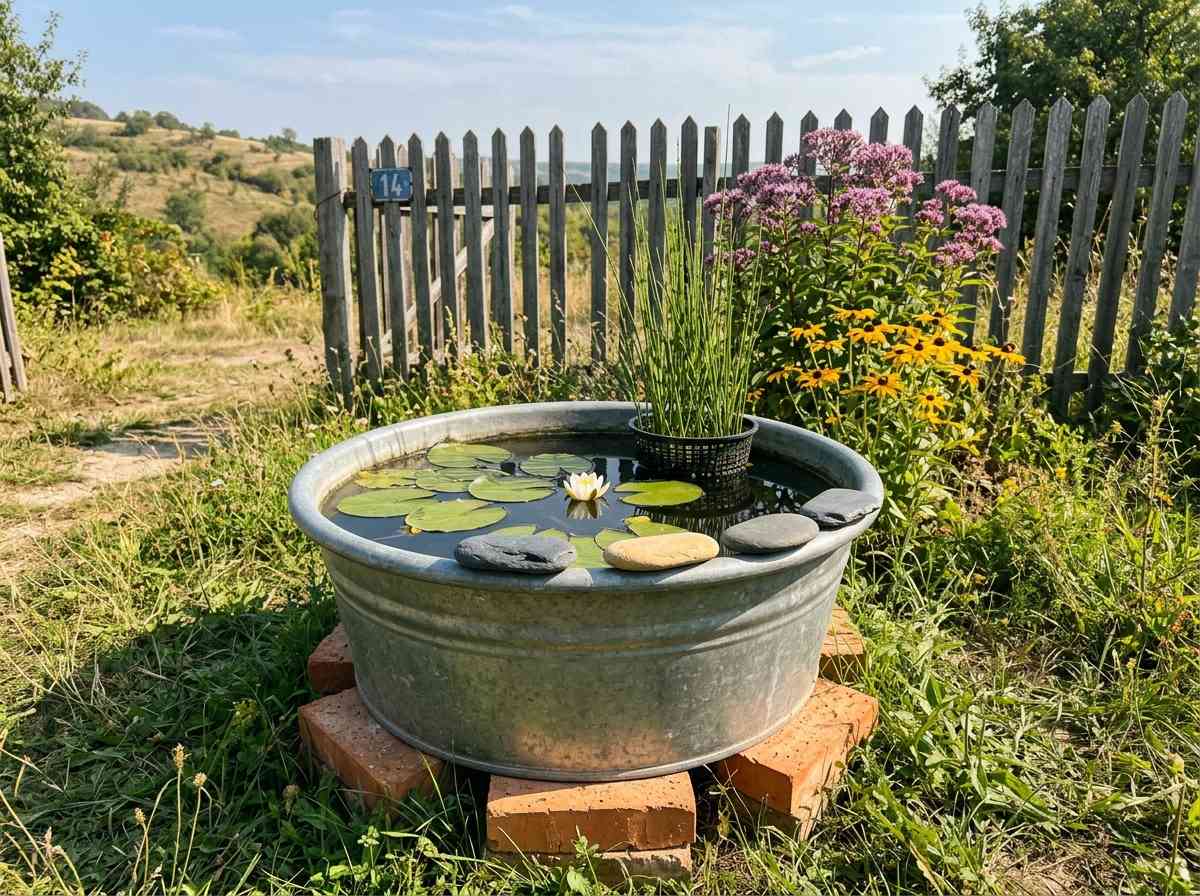
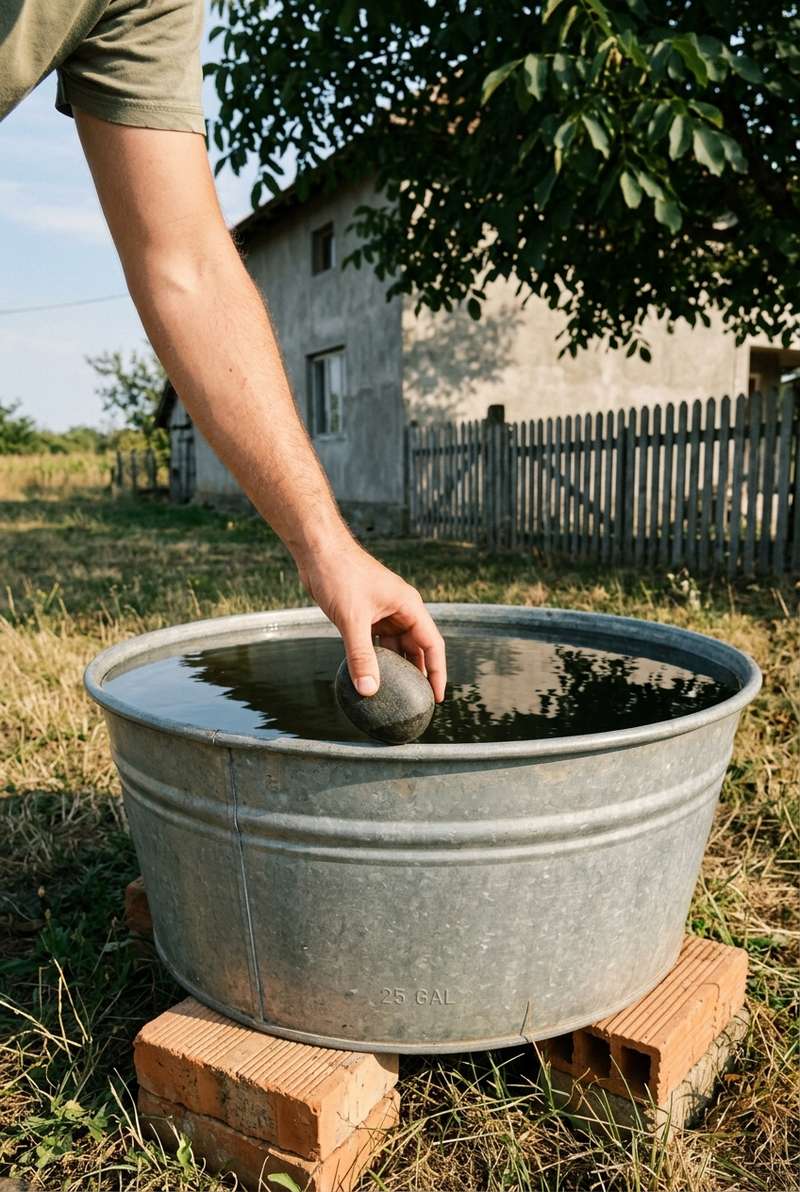
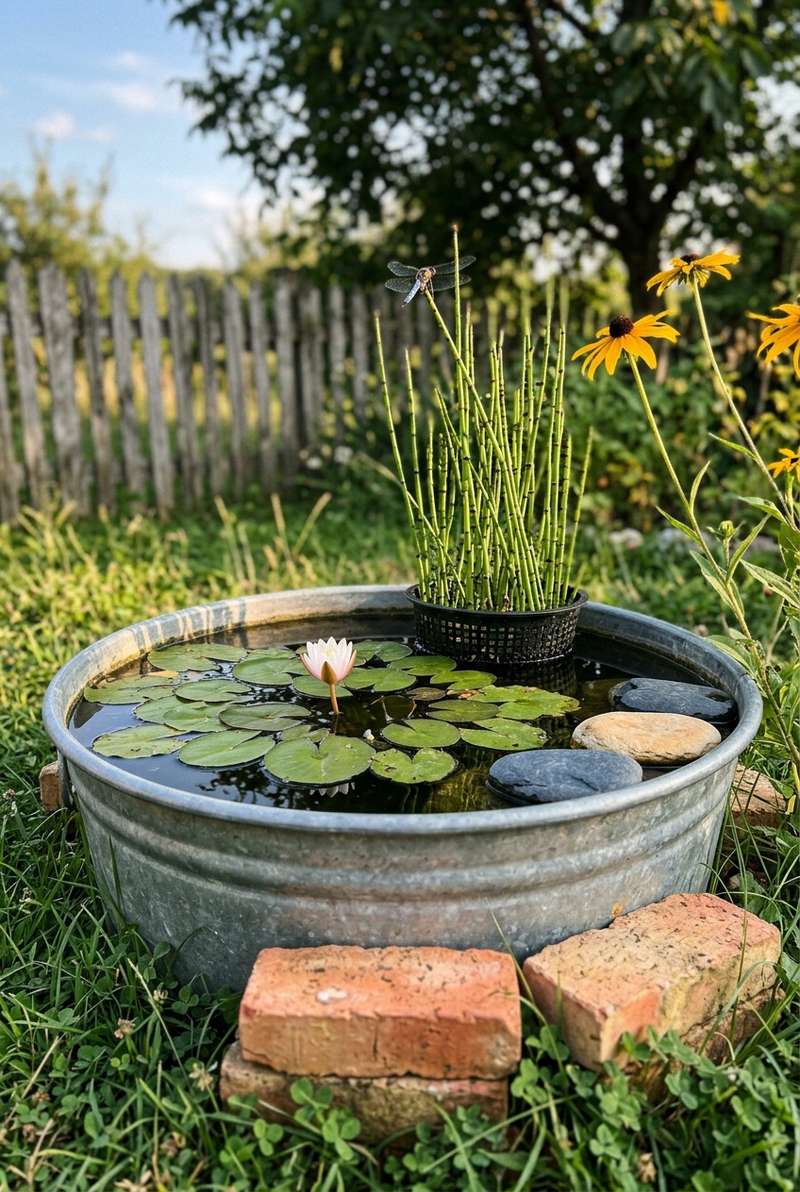
The ideal setup is a small garden pond, at least 2 feet (60 cm) deep in the center with shallow edges. But you don’t need to dig a pond. A half whiskey barrel, a large ceramic planter without a drainage hole, or even a plastic wading pool sunk into the ground all work. I used a 25-gallon stock tank from the farm supply store. Cost me $30.
Common mistake
Adding fish. Fish eat dragonfly larvae before they ever get a chance to become adults. If you want dragonflies, keep the fish out of this particular water feature.
The water should be still or barely moving. A gentle solar bubbler is fine. A full-force fountain makes it hard for dragonflies to lay eggs on the surface.
Step 2: Add the Right Water Plants
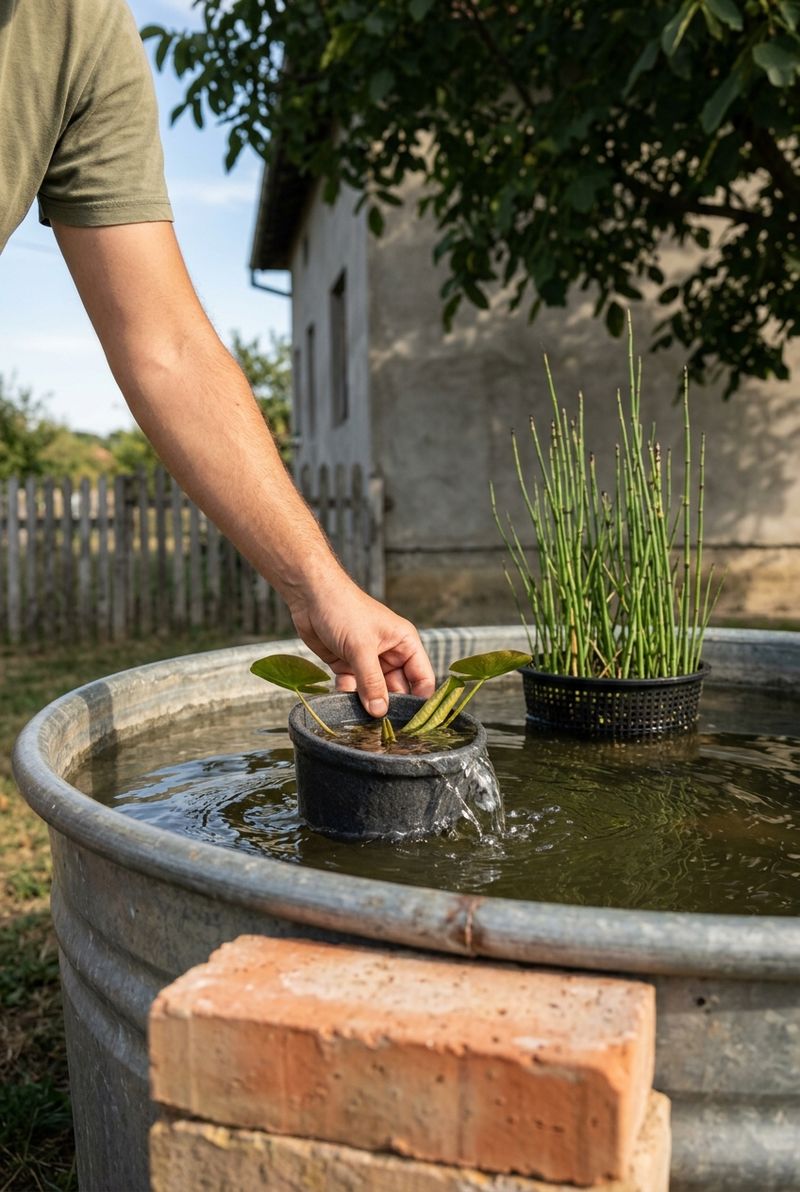
Aquatic plants do three jobs for dragonflies. Nymphs hide in them. Nymphs climb out on them when they’re ready to transform. Adult dragonflies perch on them while hunting.
You want a mix of three types:
- Submerged plants (fully underwater): Fanwort, eelgrass, or hornwort. These give nymphs cover.
- Floating plants: Water lilies or lotus. They shade the water, reduce algae, and give dragonflies a landing pad.
- Emergent plants (roots in water, stems sticking up): Arrowhead, water horsetail, or pickerelweed. Nymphs climb these to shed their skin during the final molt into an adult.
I started with one water lily and two stems of horsetail. That was enough.
Step 3: Plant Perching Flowers Nearby
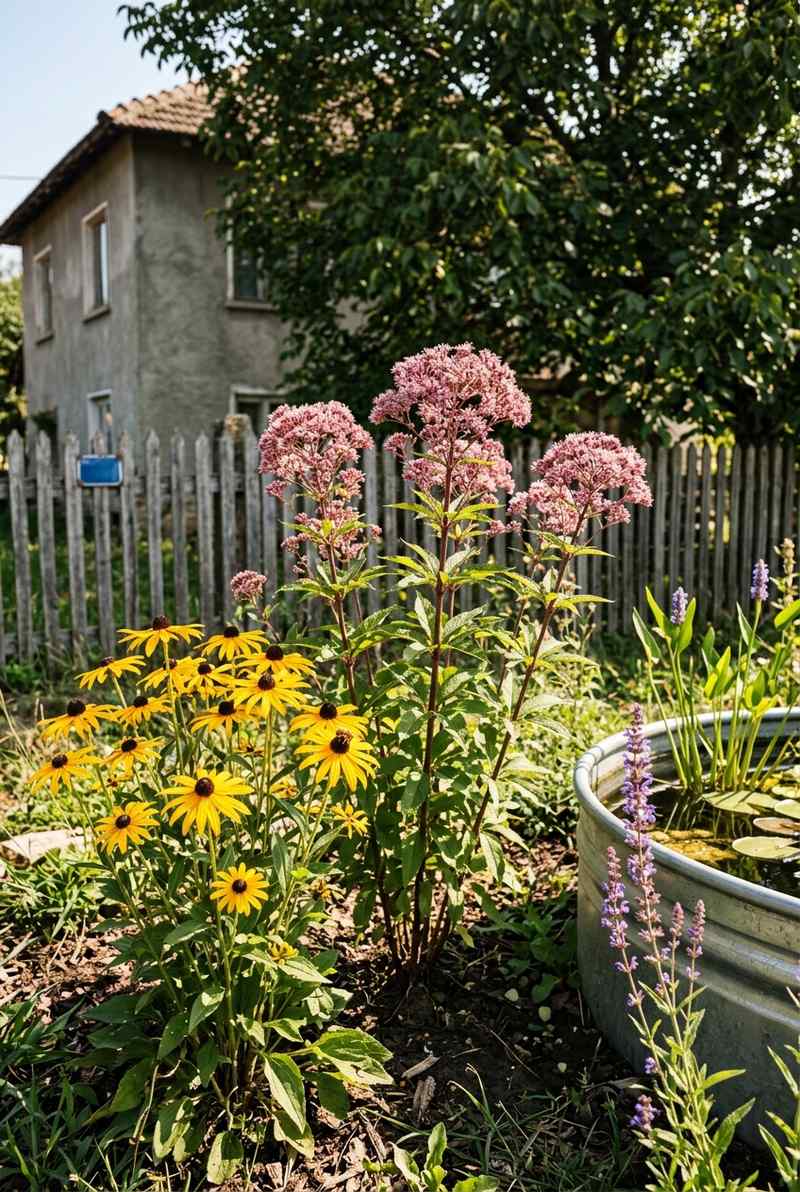
Adult dragonflies are territorial hunters. They pick a perch, scan for prey, launch, catch, return. They do this hundreds of times a day. Your job is to give them good perching spots near the water.
Plants with tall sturdy stems or flat flower heads are perfect. These are the ones I’ve seen dragonflies use most:
- Black-eyed susan (Rudbeckia): Sturdy stems, flat-topped flowers, blooms June through October. You’ll see dragonflies sitting on the spent flower heads.
- Joe-pye weed (Eutrochium): Tall (5-7 feet), massive flower clusters, native. The stems are built like fence posts.
- Meadow sage (Salvia): Upright spikes, blooms all summer. Good for small gardens.
- Yarrow (Achillea): Flat flower platforms at the perfect height. Dragonflies treat them like helicopter pads.
- Borage: Annual, easy from seed, blooms nonstop. Bonus: the flowers are edible.
Several of these show up in our 21 flowers that bloom all summer list too, so you’re covering two goals at once. Native wildflowers are better than anything from a nursery catalog for this purpose. The Forest Preserve District of Will County recommends going native wherever possible.
Save this to PinterestStep 4: Set Up Sun-Basking Spots
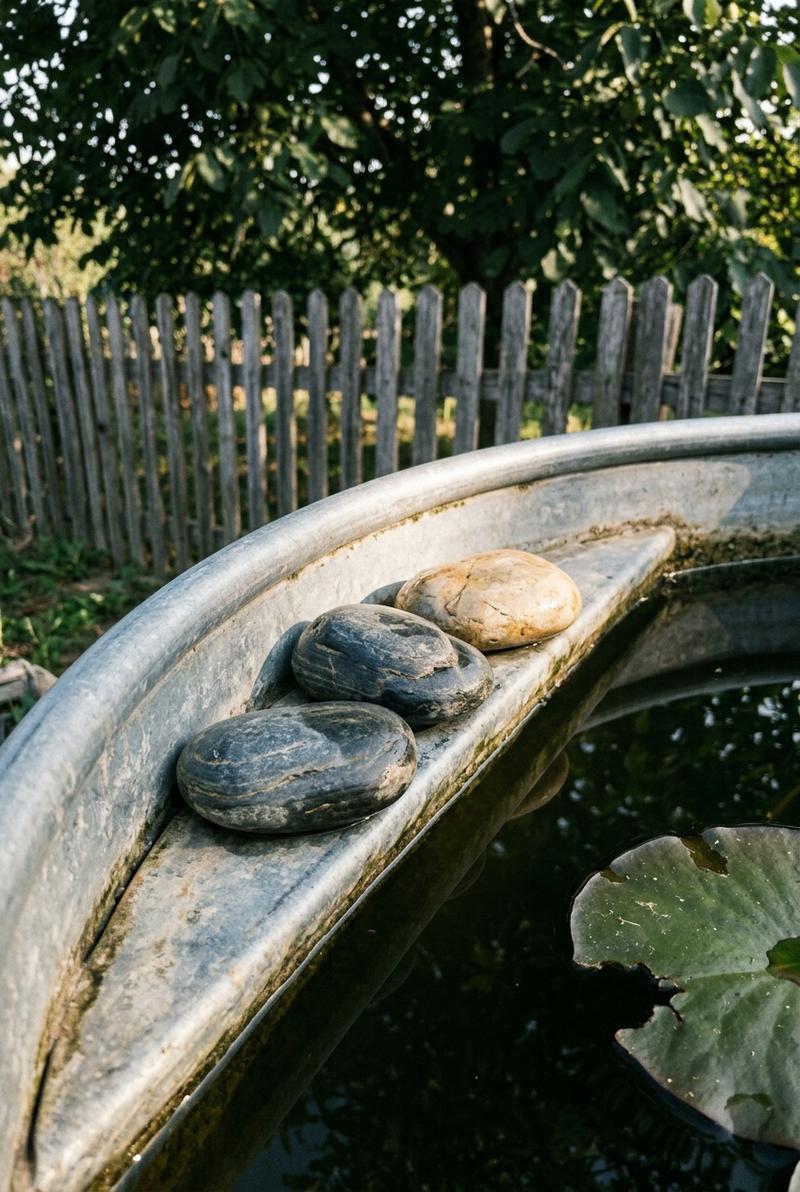
Dragonflies are cold-blooded. They need to warm up before they can fly fast enough to catch prey. Flat rocks in sunny spots near the water are basically charging stations.
Place 3-5 flat stones around the edge of your water feature, where they’ll catch morning and midday sun. Mix light and dark colored rocks. Dark ones heat up faster in the morning. Light ones stay cooler in peak heat. I’ve seen dragonflies use both, sometimes switching between them in the same hour.
Step 5: Add Shelter and Tall Grasses
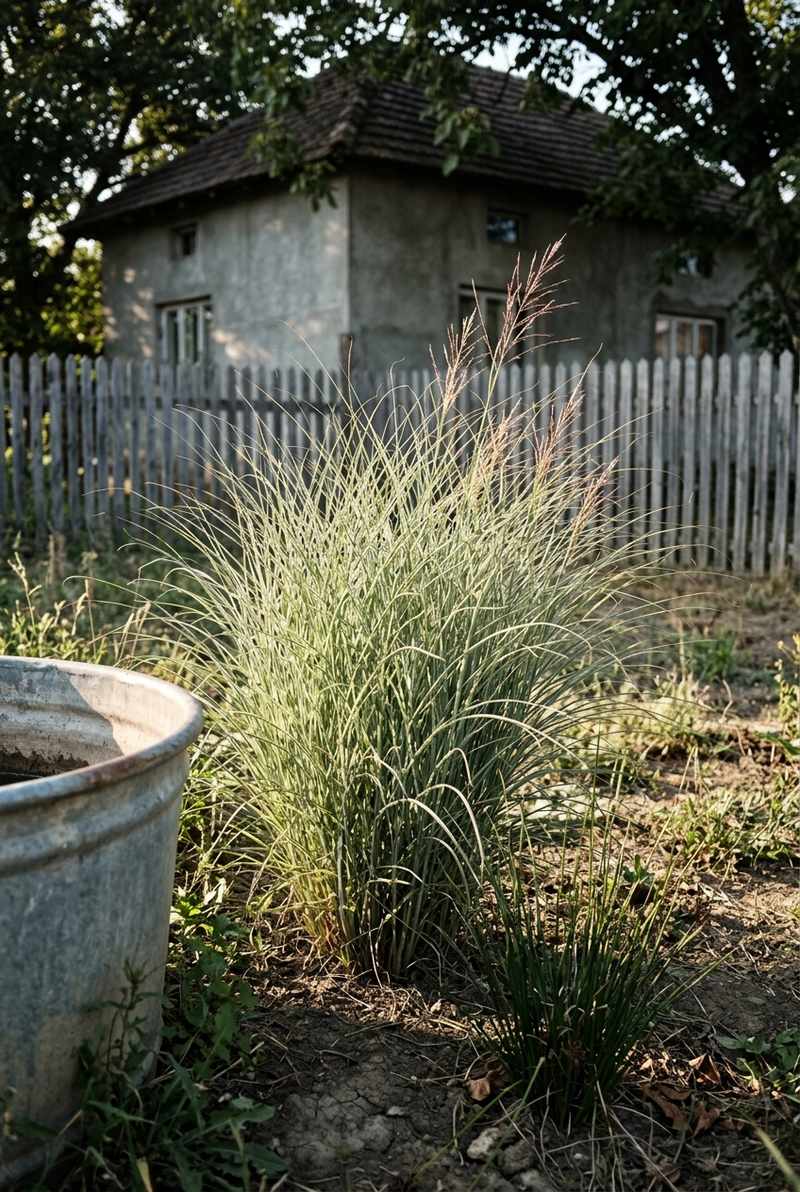
Dragonflies roost at night. They need tall grasses, reeds, or low shrubs near the water where they can tuck in and hide from birds.
Ornamental grasses like switchgrass or fountain grass work. So do native rushes and sedges. Plant them within a few feet of the water feature. These also give dragonfly nymphs more surfaces to climb when they’re ready for their final transformation.
Step 6: Stop Doing the Things That Drive Them Away
This step is free and it matters more than the water or the plants.
- Stop using broad-spectrum pesticides. They kill dragonflies, their food supply, and their larvae. If you’re spraying for mosquitoes, you’re also killing the thing that eats the most mosquitoes.
- Don’t install a bug zapper. Zappers kill far more beneficial insects (including dragonflies) than mosquitoes. The Scotts Miracle-Gro dragonfly guide makes the same point.
- Remove standing water you don’t want. Old tires, clogged gutters, plant saucers, and forgotten buckets breed mosquitoes without dragonflies. Your water feature is the only standing water you should have.
The first summer after I stopped spraying, I counted 8 dragonflies on the fence at once. Coincidence? Maybe. But the mosquito situation was better, not worse.
Common Mistakes
- Putting fish in the water feature. They eat the larvae. Every single one.
- Using a strong fountain or waterfall. Dragonflies lay eggs on still water. A roaring water feature agitates the surface too much.
- No shallow edges. Nymphs need to crawl out of the water to become adults. Steep-sided containers with no ramp mean they can’t complete their life cycle.
- Expecting overnight results. Dragonfly nymphs can take 1-3 years to mature. You’re building a habitat, not setting a trap. Patience.
- Still spraying pesticides. Worth saying twice. You can’t attract the bug that eats the bugs and also spray the bugs.
FAQ
Do dragonflies really eat mosquitoes?
Yes. Both larvae (underwater) and adults (in flight). A single adult dragonfly eats over 100 mosquitoes per day, plus gnats, flies, and other small flying insects. They catch prey on the wing with a success rate that researchers have measured at 90-95 percent.
Can I attract dragonflies without a pond?
You can attract passing adults with perching plants and sun-basking rocks. But for a breeding population (the ones that stick around and multiply), you need some kind of still water. A 25-gallon container with aquatic plants works. It doesn’t have to be fancy.
What plants attract the most dragonflies?
Black-eyed susans, joe-pye weed, meadow sage, and yarrow are the best for perching. For the water itself, horsetail, arrowhead, and water lilies provide habitat for all stages of the dragonfly life cycle. If you already grow drought tolerant flowers, you likely have some of these.
Will dragonflies eliminate all my mosquitoes?
They’ll put a serious dent in the population, but they won’t eliminate every mosquito. Combine dragonfly habitat with removing standing water from junk, wearing long sleeves at dusk, and running a fan on the patio (mosquitoes can’t fly in a breeze). That’s the layered approach that actually works.
A $30 Stock Tank and Some Patience
I spent $30 on the tank, $15 on a water lily, and used rocks from the yard. By year two I had a steady patrol of dragonflies doing the mosquito work that used to cost me $50 a month in spray.
Not a bad trade.