21 Flowers That Bloom All Summer Long Without Fading

- Full sun gardens
- Zones 3-11
- Beginner friendly
- Pollinator gardens
I planted my first row of zinnias because I wanted flowers that would carry the yard from the day school got out to the day it started back up. Most “all-summer” lists fib a little. Plenty of flowers bloom for six weeks and then quietly give up.
This is my working list of 21 flowers that actually deliver from late spring through frost. Tested in my own beds, checked against real growing data from NC State Extension, sorted so you know what you’re planting.
Quick Summary
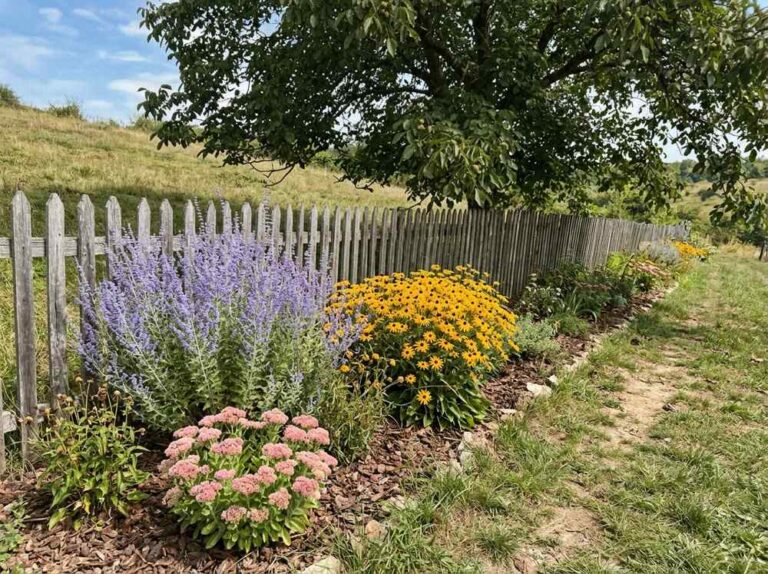
- All 21 flowers bloom from early summer through fall without fading in heat
- Mix of annuals and perennials so you can pick what fits your zone
- Every item includes sun, water, height, and bloom window
- Most need deadheading to stay showy. A few don’t need anything.
- Best starter pick: Zinnia. Cheap from seed, blooms in eight weeks, almost impossible to kill.
1. Zinnia
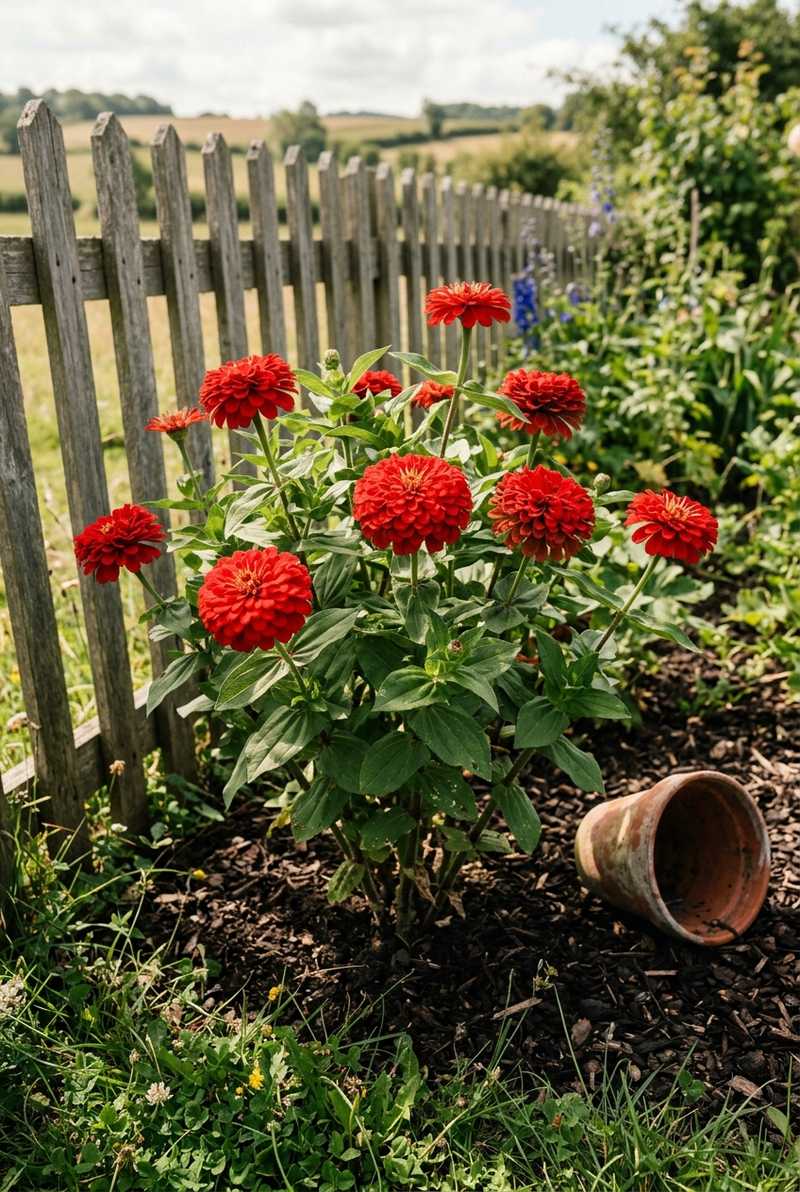
Zinnias are the reason I stopped buying flats of half-dead annuals at the garden center. A $3 seed packet fills a whole row.
They start blooming about eight weeks after sowing and don’t stop until frost. Cut a bouquet and they make more. That’s the whole trick.
Tip
Direct sow after last frost. Zinnias hate being transplanted and will sulk for weeks if you start them indoors.
2. Blanket Flower (Gaillardia)
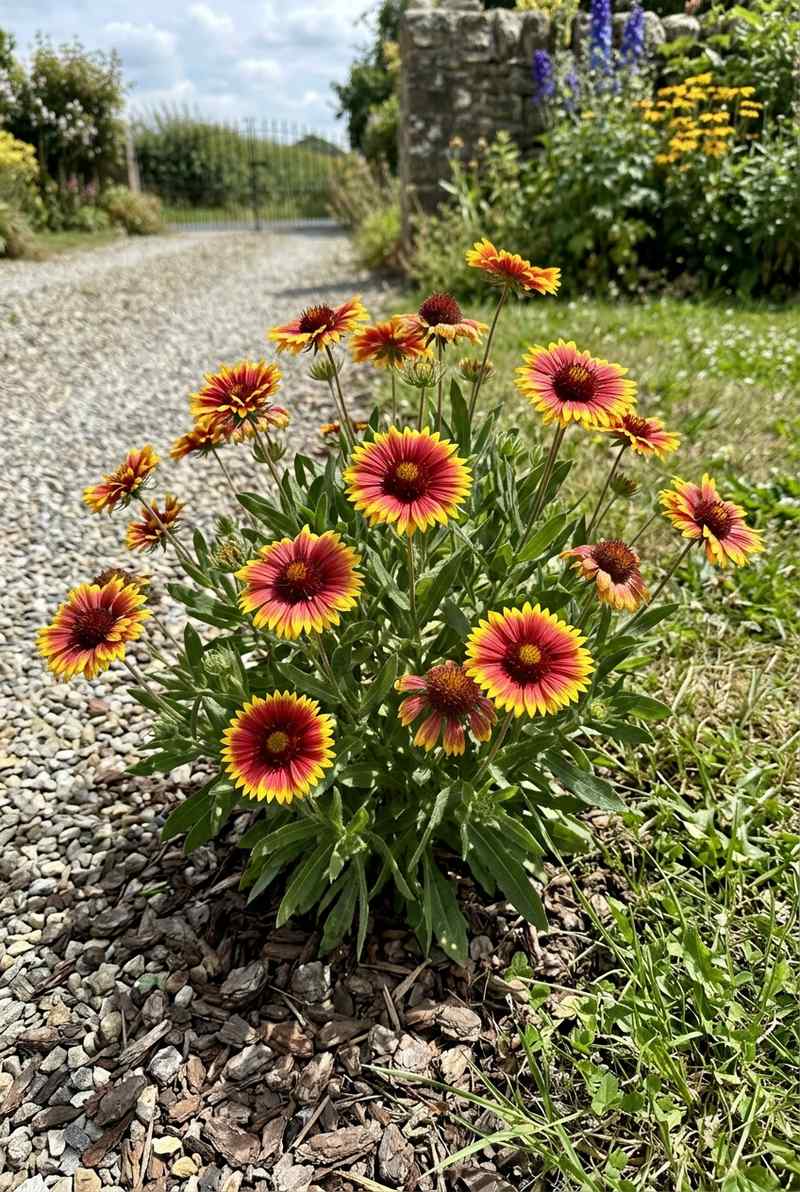
This one’s my pick if you forget to water. The red-and-yellow petals hold their color through heat that turns other flowers papery. I’ve written more about picks like this in my drought tolerant flowers list if you garden in a dry climate.
Short-lived as perennials go (three or four years), but they self-sow if you let a few heads go to seed. Zones 3 through 10, which covers almost everyone.
3. Coneflower (Echinacea)
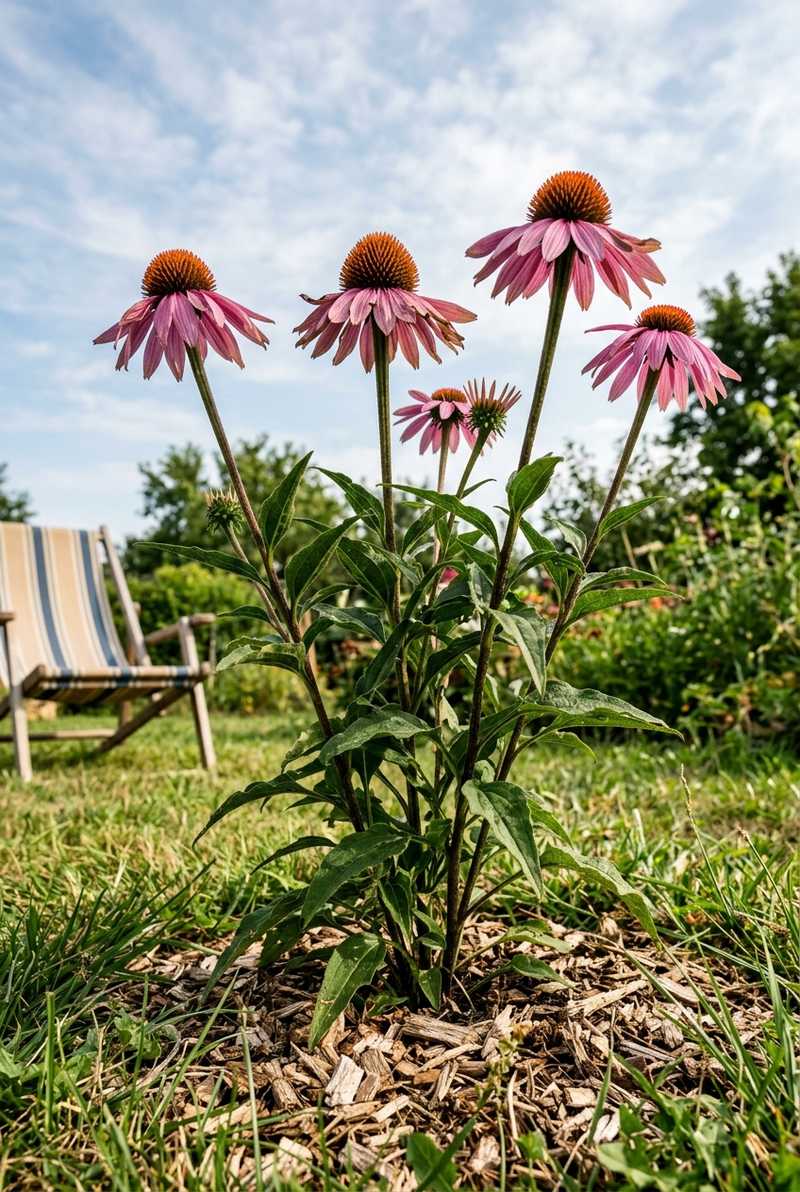
Native to the US, loved by every pollinator I’ve ever seen, and tough enough to shrug off dry weeks once the roots go deep. Mine have survived three summers of my worst watering habits.
Skip the fancy new colors at first. The straight purple Echinacea purpurea is the strongest and the cheapest.
4. Lantana
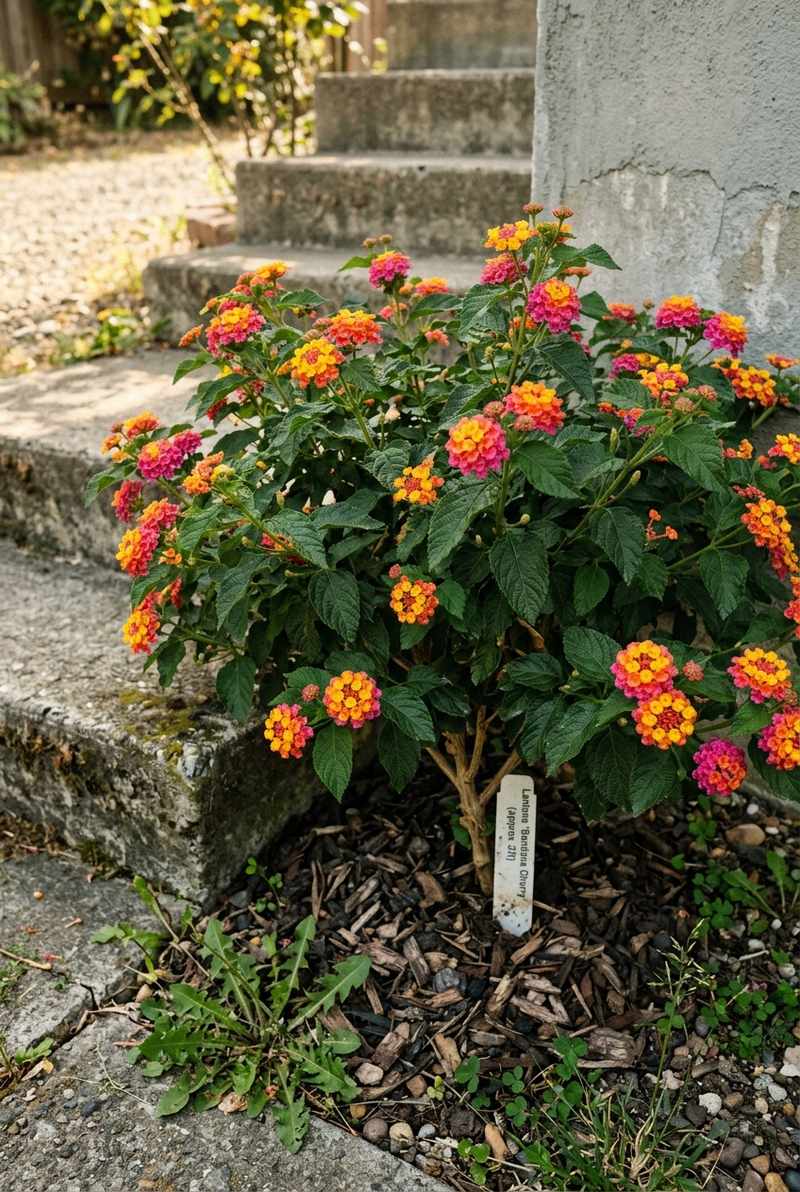
Lantana blooms when it’s 95 degrees out and everything else is crispy. The clusters of tiny flowers change color as they age, so one plant looks like three colors at once.
Worth knowing
Lantana is considered invasive in warm zones (8-11) where it survives winter. In those areas, plant it in a pot and keep an eye on it. Cold-winter gardeners get a free pass.
5. Black-Eyed Susan (Rudbeckia)
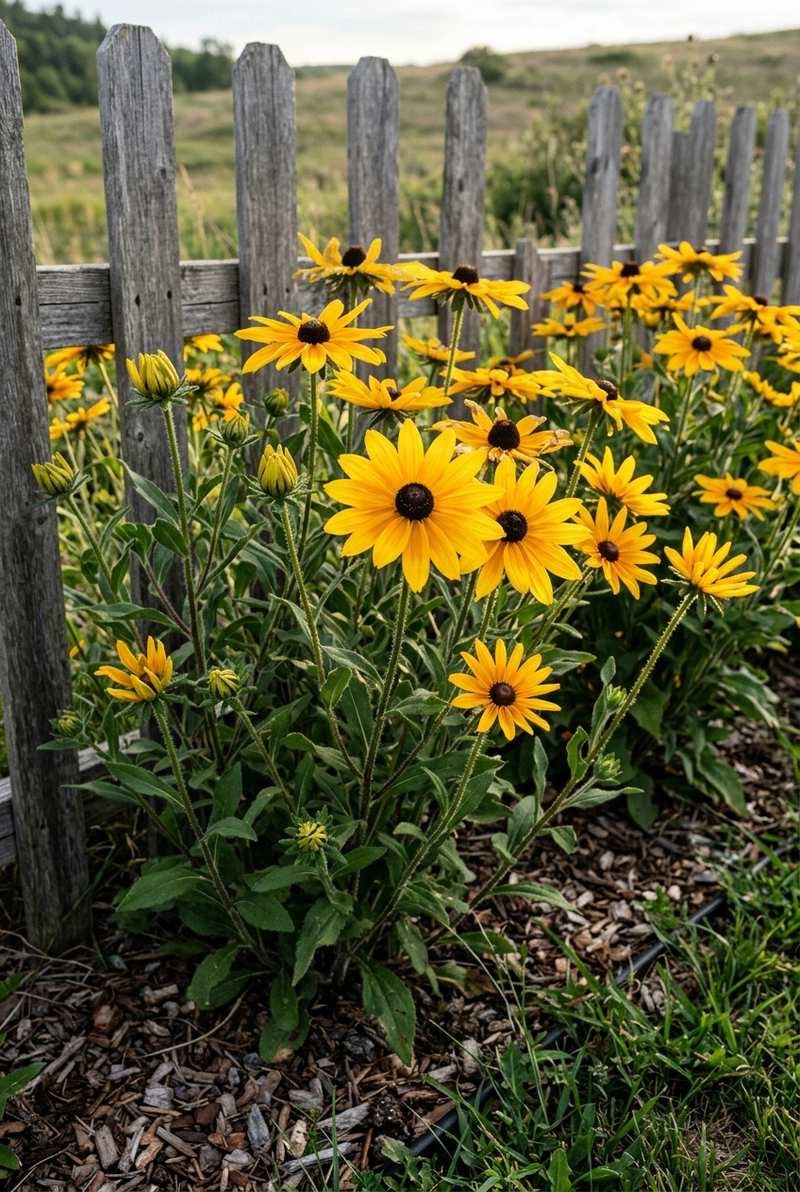
The workhorse of late summer. When other perennials are tired, rudbeckia shows up yellow and loud and keeps going until the leaves drop.
Goldsturm is the variety most people mean when they say black-eyed susan. It spreads politely and doesn’t flop.
6. Coreopsis (Tickseed)
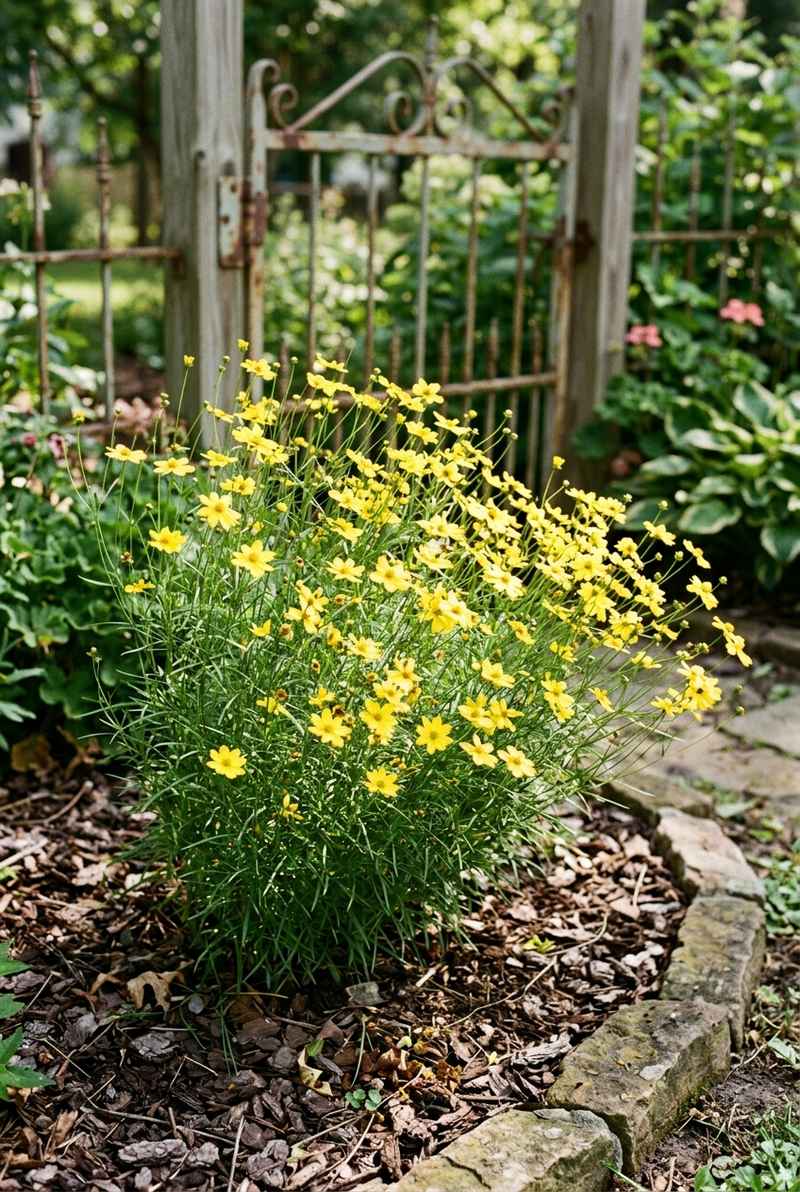
Threadleaf coreopsis (the variety called ‘Moonbeam’ especially) puts out pale yellow daisies for months on a plant that looks like a cloud. It doesn’t ask for anything.
Shear it back by a third in late July and you’ll get a second flush that runs to frost.
7. Catmint (Nepeta)
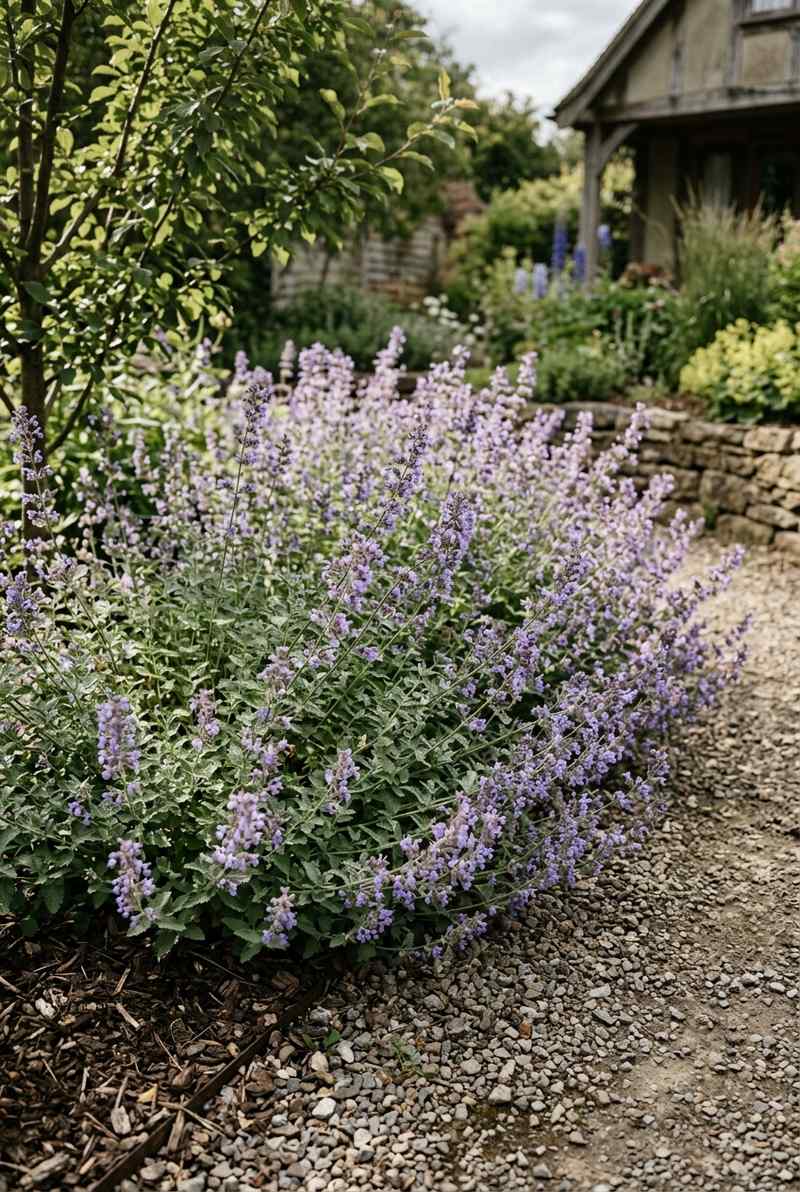
If I could only keep one perennial, this would be it. ‘Walker’s Low’ catmint blooms from May until frost with one haircut in the middle.
Deer and rabbits leave it alone. Bees won’t. The scent is subtle and herbal, and the blue-purple spikes look good next to almost everything.
8. Russian Sage (Perovskia)
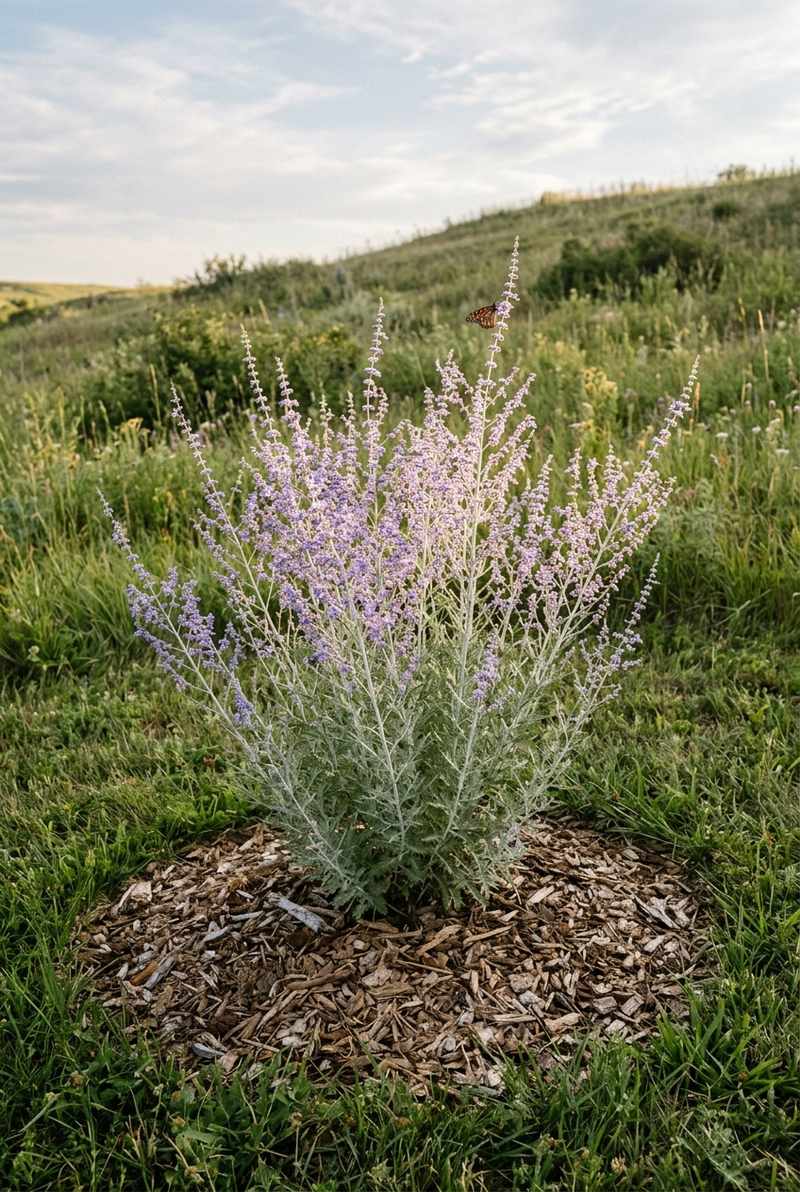
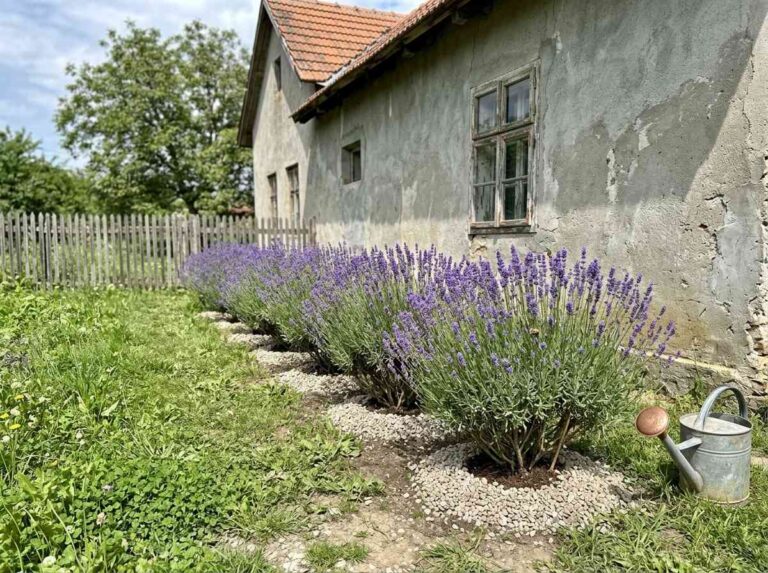
Silver stems, lavender-blue haze, and it drinks almost nothing. Russian sage is what I plant where the hose doesn’t reach.
Cut it to the ground in early spring, and then forget about it. It prefers being ignored.
9. Salvia
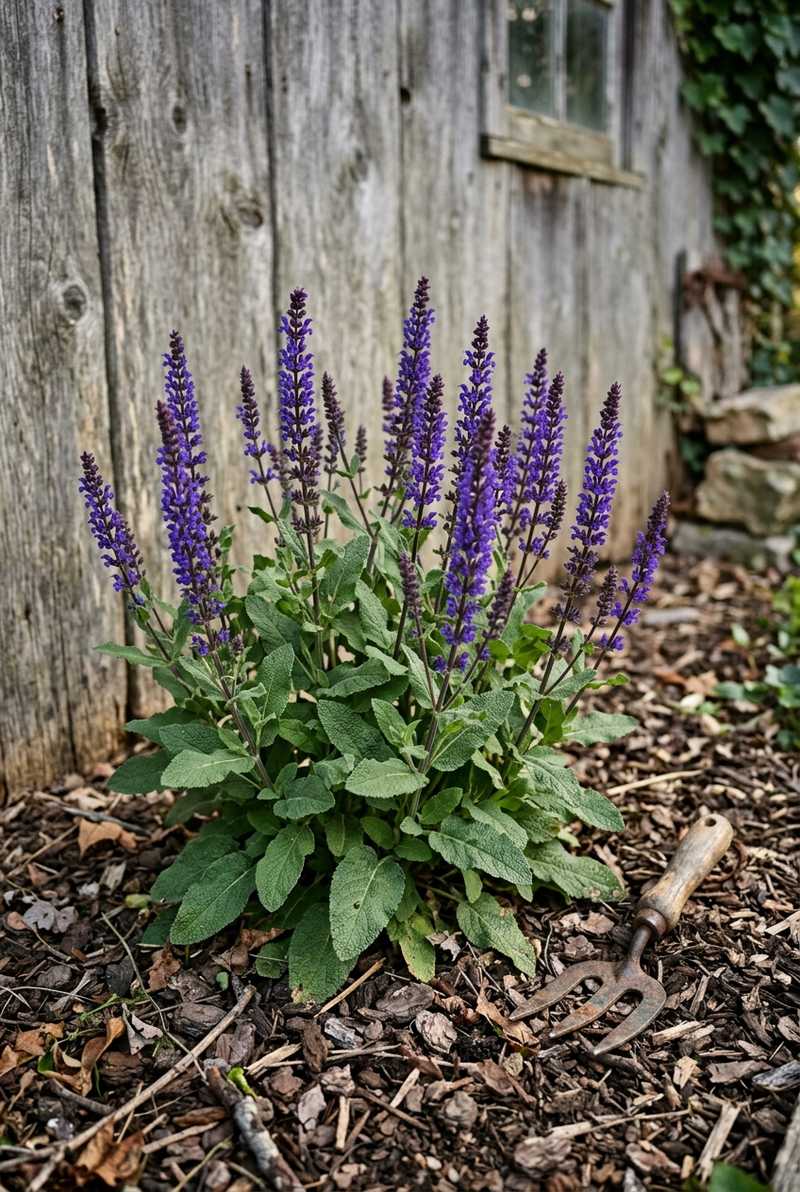
There are too many salvias to count, and most of them bloom for months. I grow ‘May Night’ (perennial, zones 4-8) and Salvia farinacea ‘Victoria Blue’ (annual almost everywhere).
Hummingbirds notice salvia before they notice anything else in the yard.
10. Cosmos
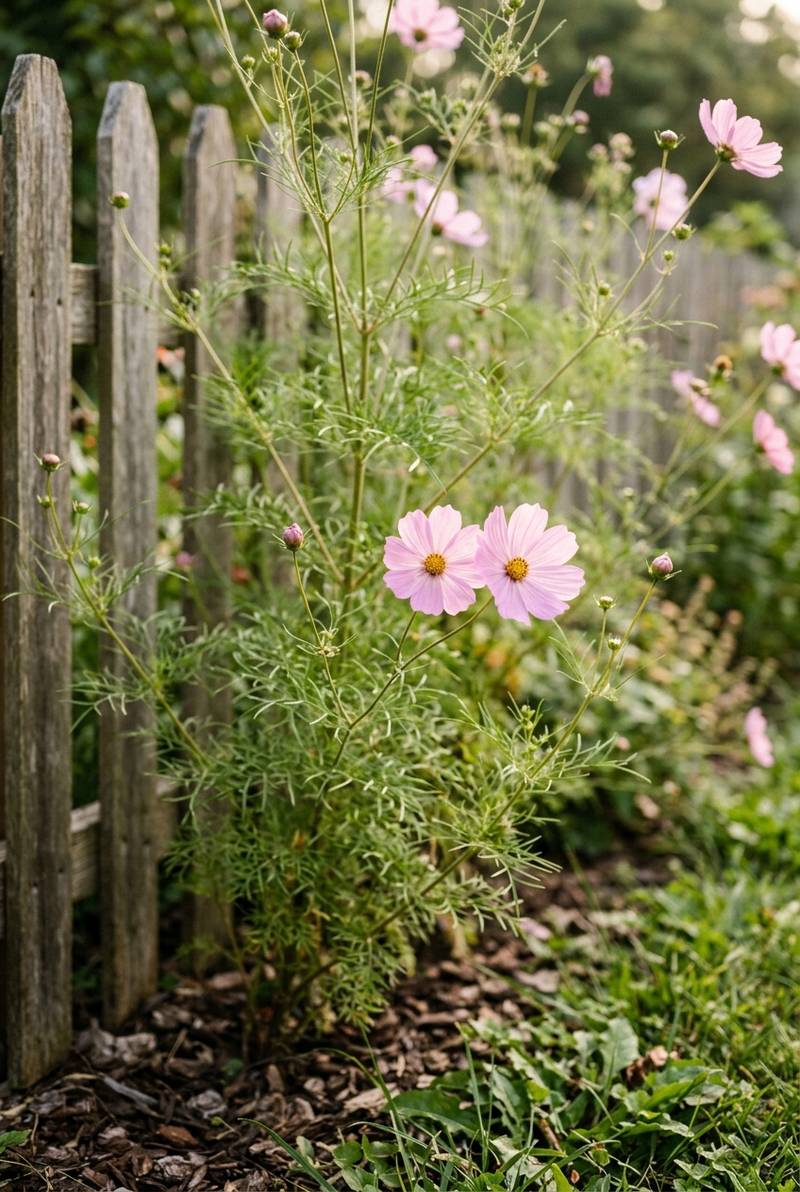
Cosmos are what happens when you throw seeds in bad soil and ignore them. Rich soil actually makes them flop and skip flowers, which is the opposite of how most plants behave.
They self-sow, so one packet is usually enough forever.
11. Vinca (Catharanthus)
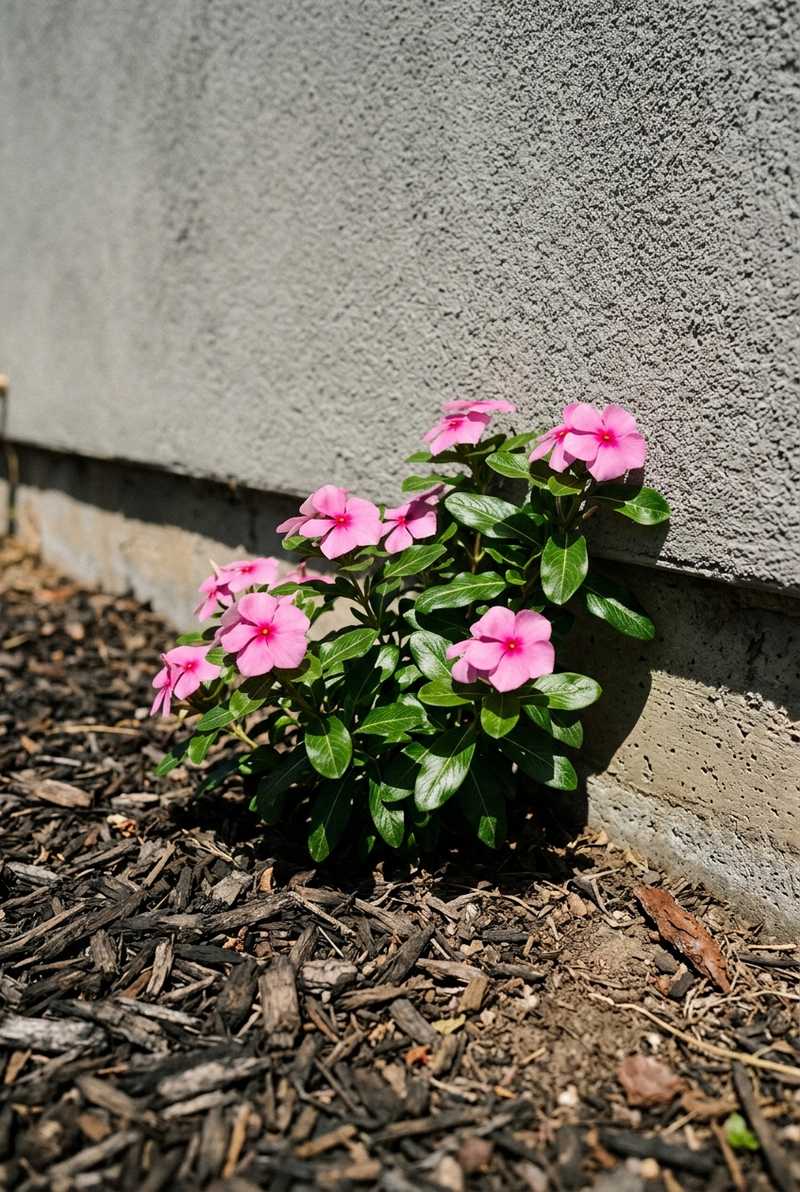
Annual vinca (not the creeping groundcover, the upright one with glossy leaves) handles the kind of heat that melts petunias.
No deadheading. That’s not a typo. The flowers drop clean on their own.
12. Marigold
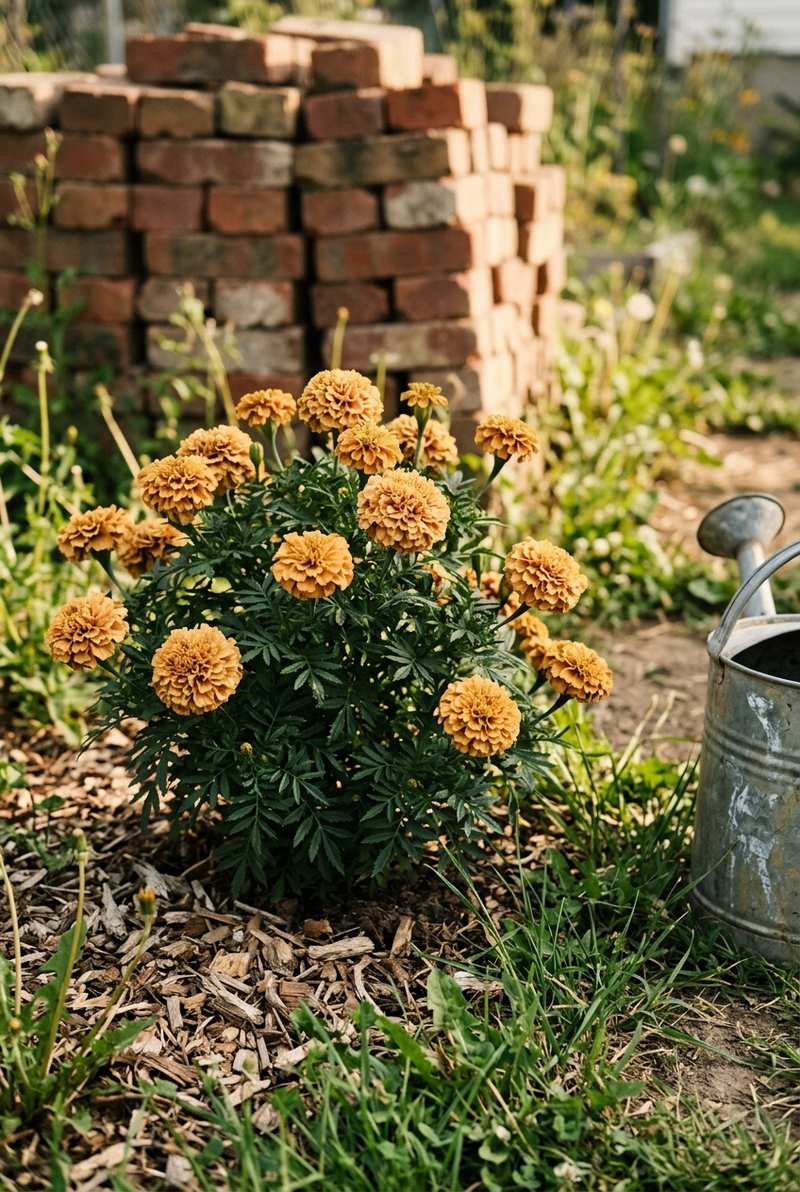
Yes, they’re old-fashioned. Yes, they still work. I tuck French marigolds between the tomatoes every year and they bloom from May until the first hard freeze without complaint.
13. Portulaca (Moss Rose)
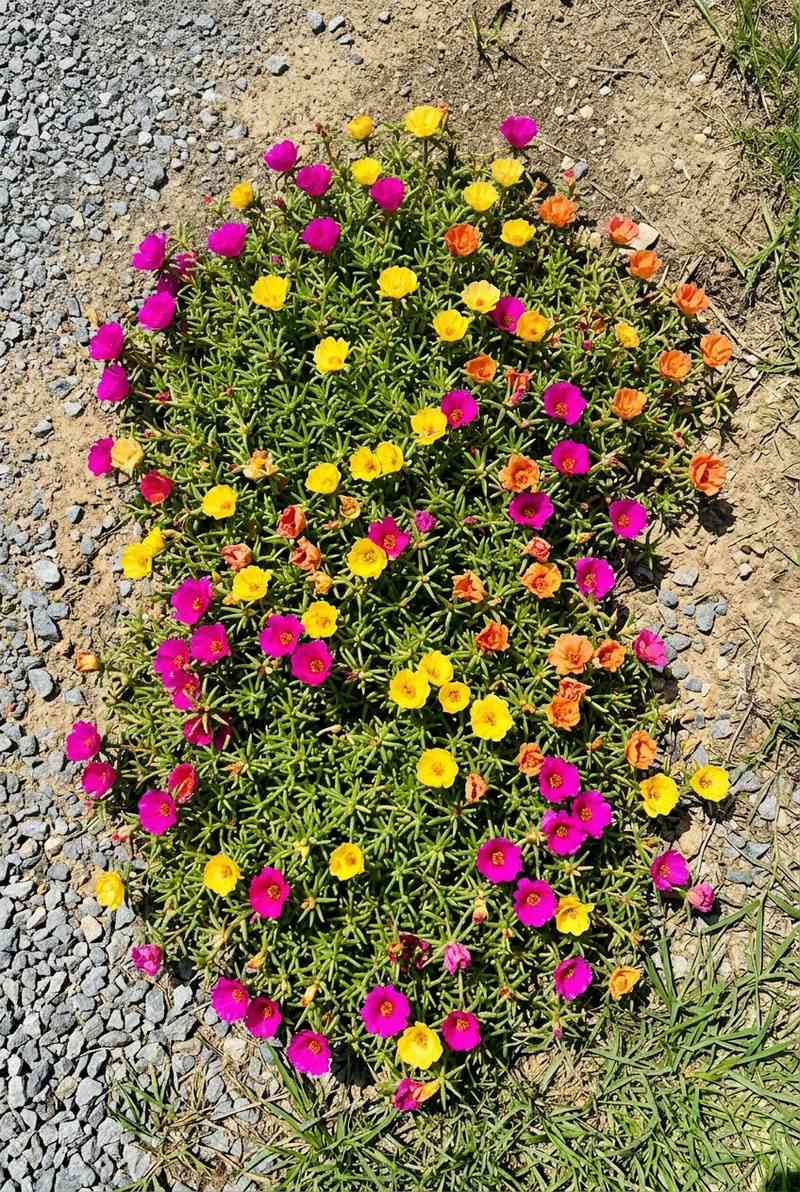
For the hot dry spot by the driveway where nothing else will grow. Portulaca is a succulent that happens to bloom in every bright color you can name.
The flowers close on cloudy days and in the evening. Don’t panic. They open again with the sun.
14. Pentas
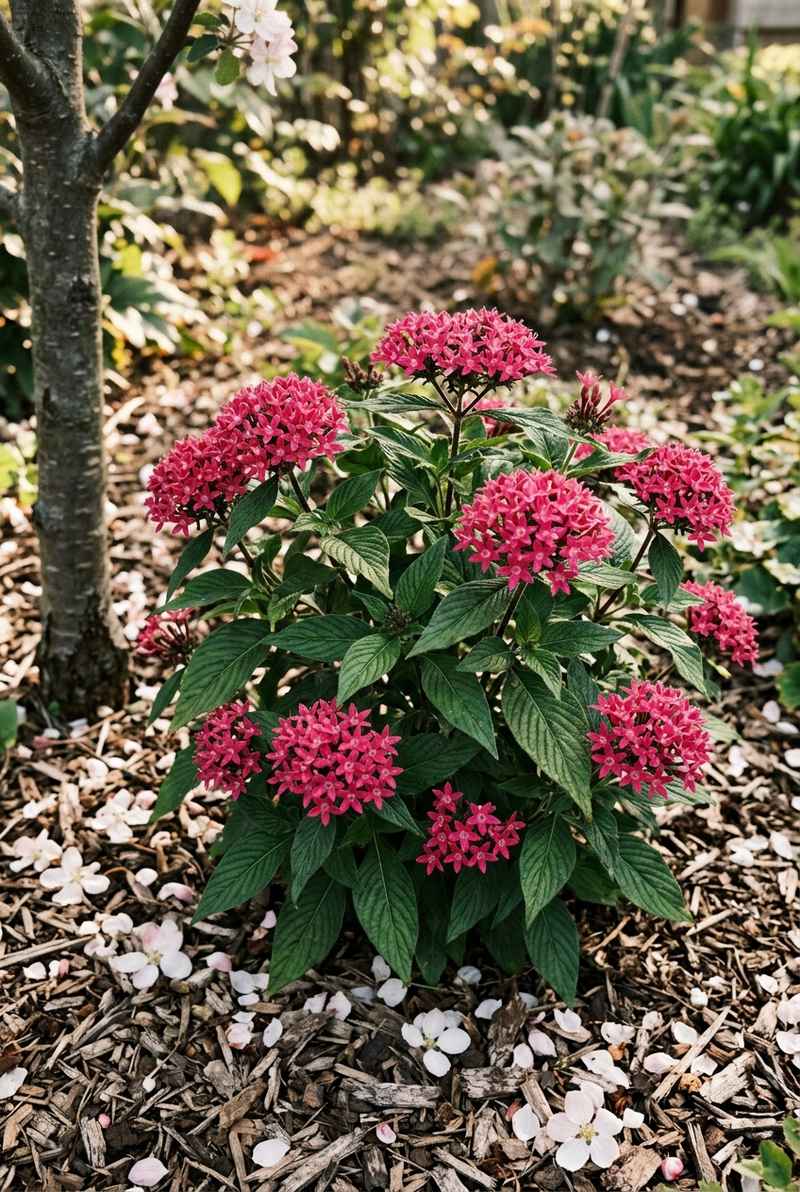
Star-shaped flower clusters that butterflies and hummingbirds find before you even finish planting. Pentas love humidity, which makes them a sanity-saver for Southern gardens.
15. Daylily (Reblooming)
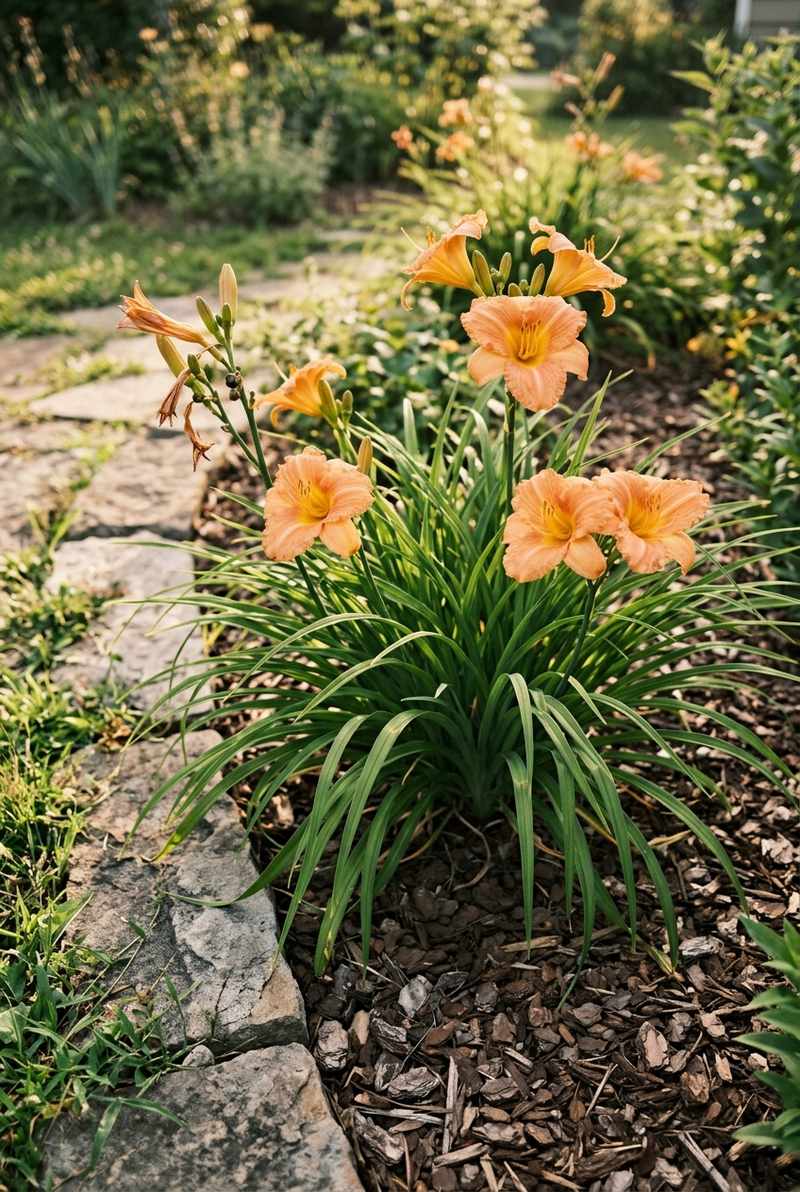
Stick with reblooming varieties or you’ll get three weeks of flowers and then nothing. ‘Stella de Oro’ and ‘Happy Returns’ bloom in waves from June through September.
Individual blooms only last a day, but a single plant puts out dozens. Always something open.
16. Globe Amaranth (Gomphrena)
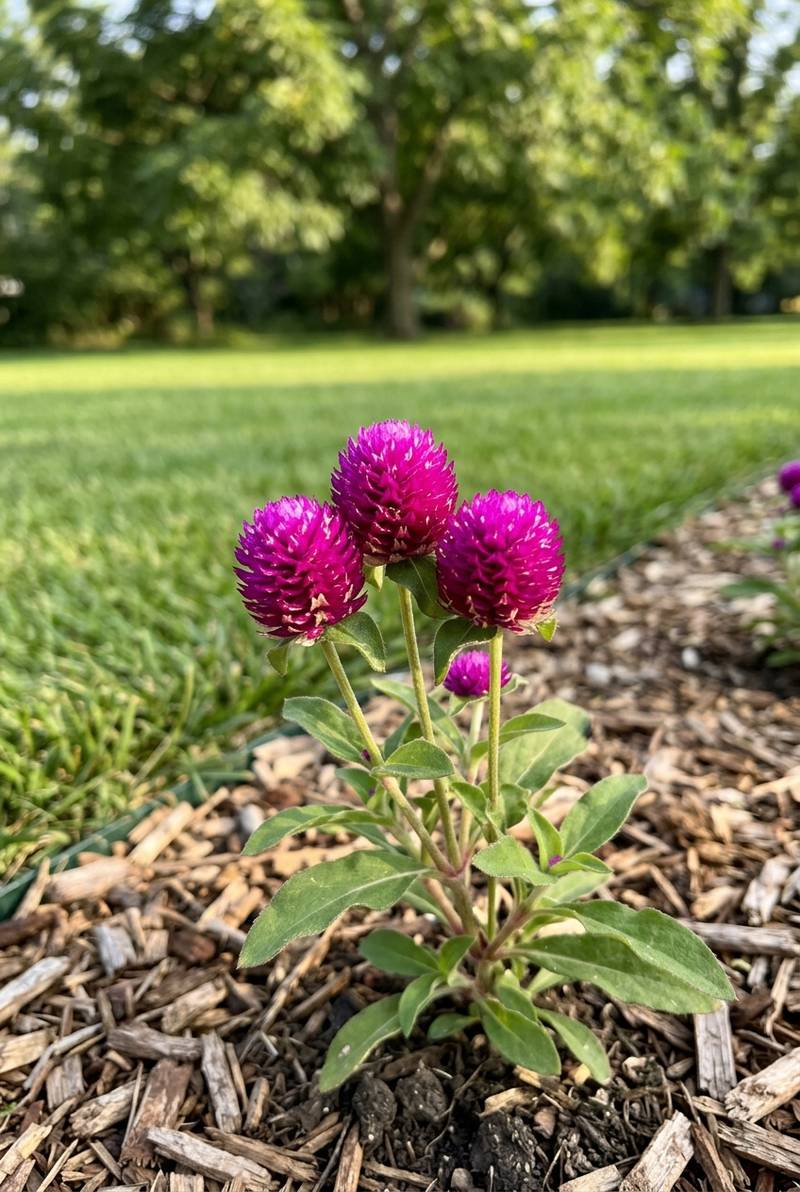
Papery little clover-shaped blooms that hold color like they’re made of plastic (in the best way). Magenta is the classic, but I like the pale pink ‘Fireworks’ variety.
They dry beautifully for winter arrangements. Two seasons of color from one plant.
17. Agastache (Hyssop)
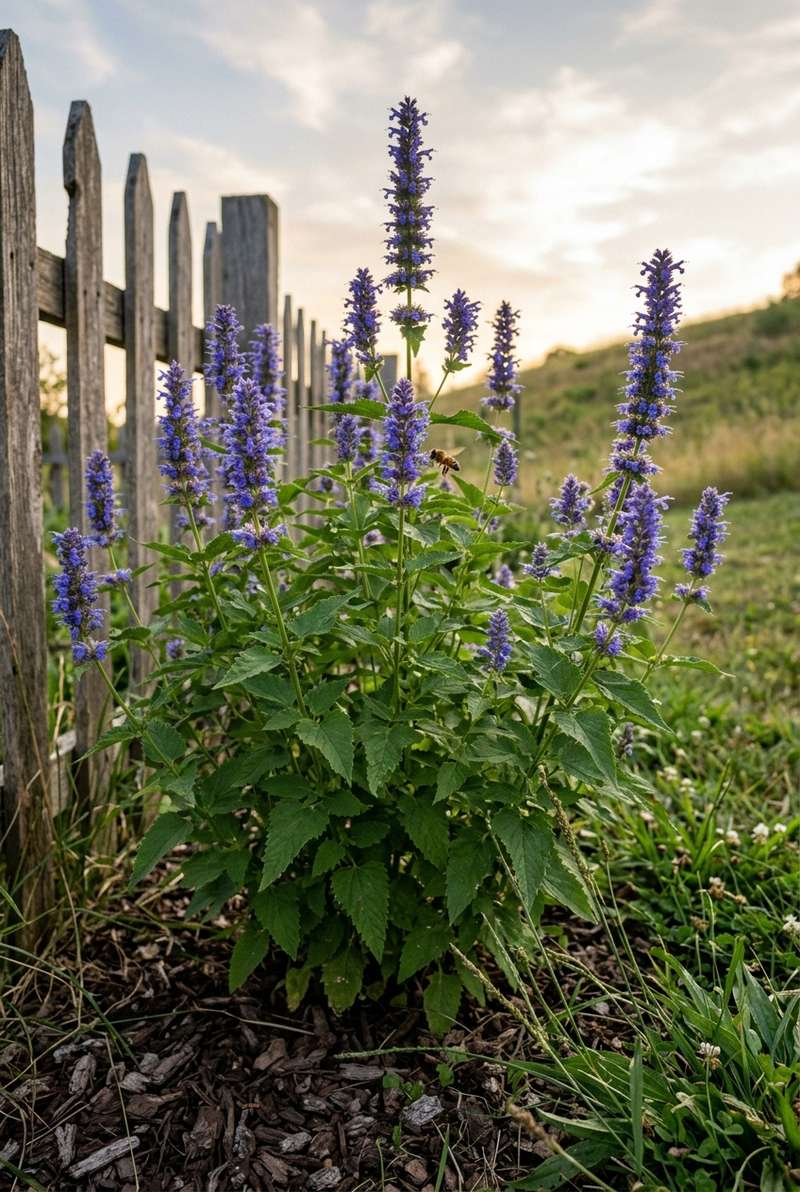
This is the one I nudge everyone toward who says “I want to help the bees.” Agastache blooms for four straight months and the pollinators lose their minds over it.
Needs excellent drainage. Wet winter soil is the one way to kill it.
18. Verbena bonariensis
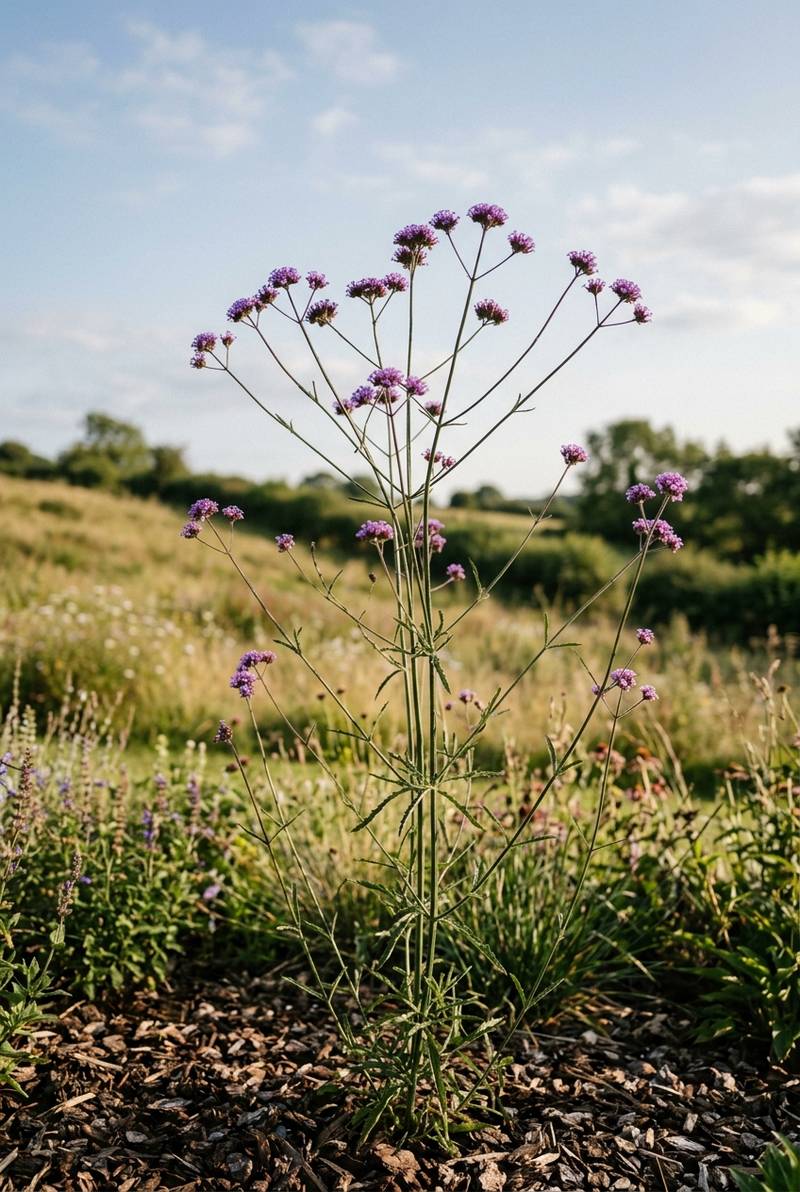
Tall, wiry stems topped with small purple clusters. It looks like it’s floating above whatever else is in the bed, which is why designers love it.
Perennial in zones 7-11, self-sowing annual elsewhere. I plant one and end up with twelve the next year.
19. Yarrow (Achillea)
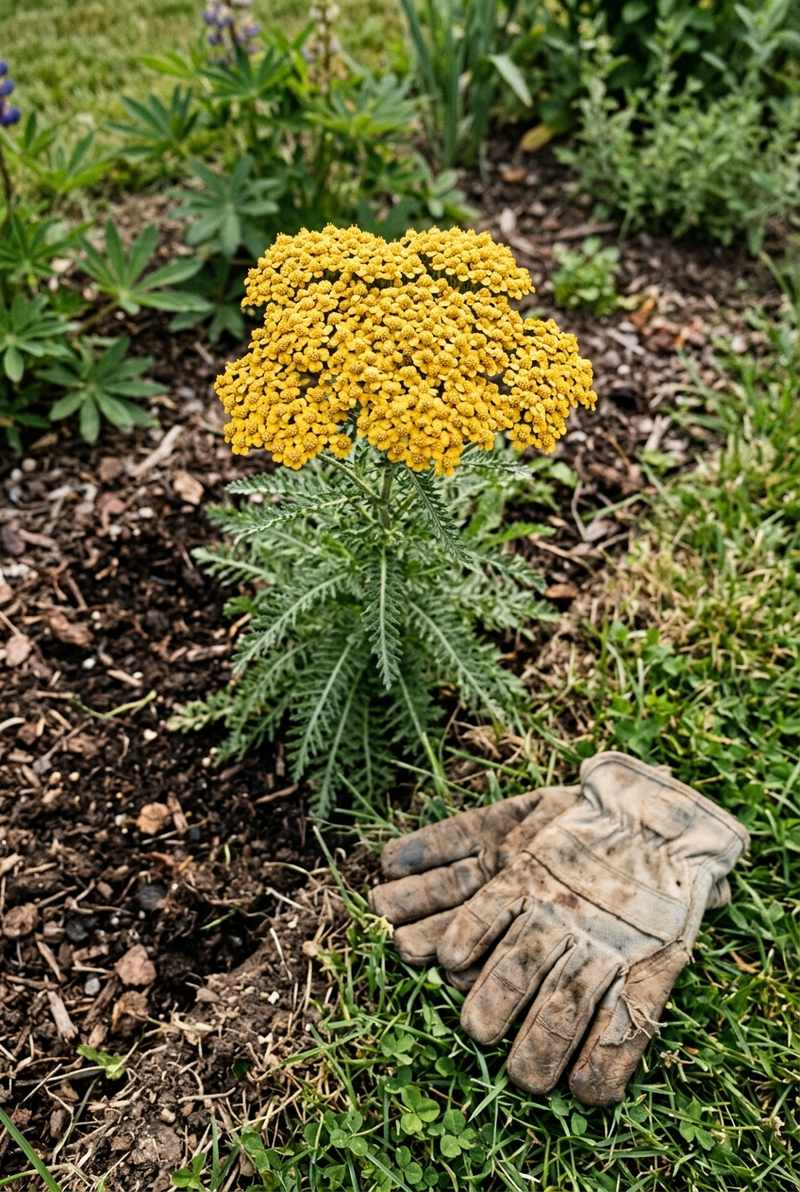
Flat flower heads in yellow, coral, pink, white. Ferny foliage that smells green when you brush it. Yarrow is what I grow for cutting.
Don’t water it once it’s settled in. More water means floppy plants and fewer flowers.
20. Hardy Geranium (Cranesbill)
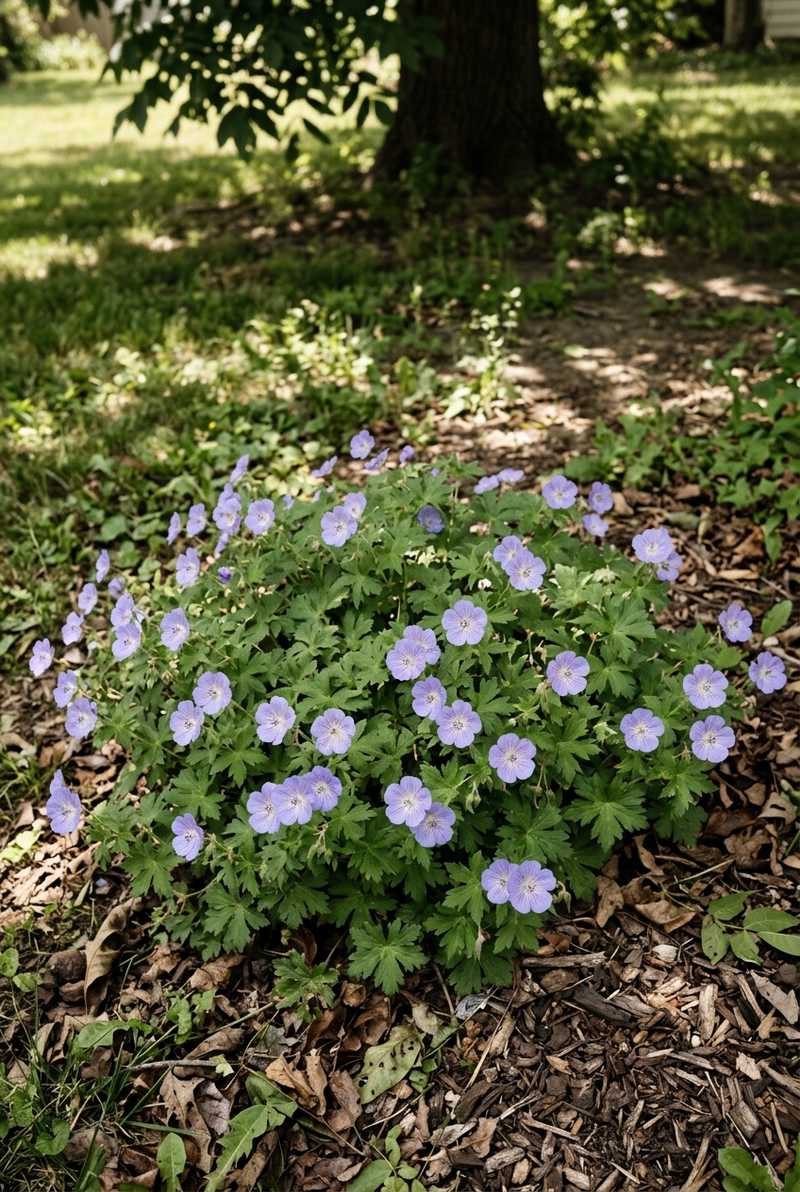
Not the red geraniums in hanging baskets. This is the perennial cranesbill, which makes a neat mound of blue, pink, or purple flowers that keeps going all summer.
‘Rozanne’ is the variety that won’t quit. Mine bloomed from May 15 through November last year.
21. Petunia (Supertunia Type)
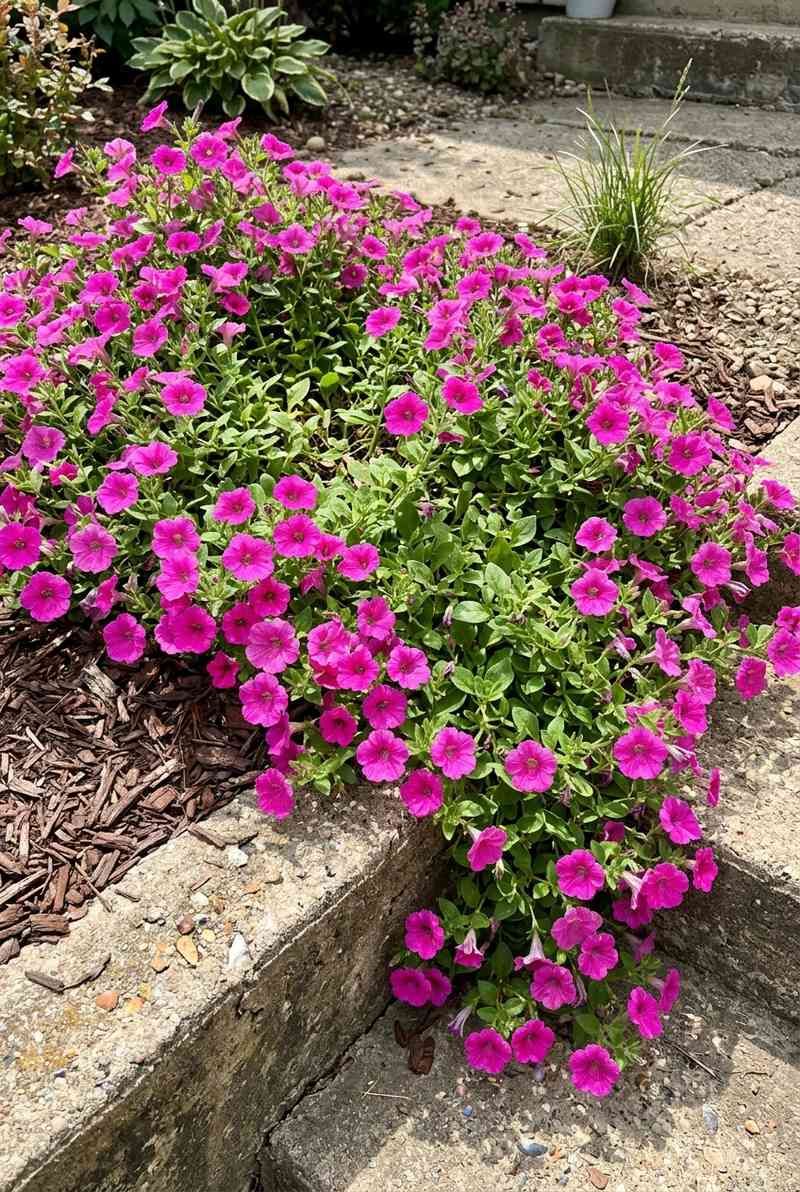
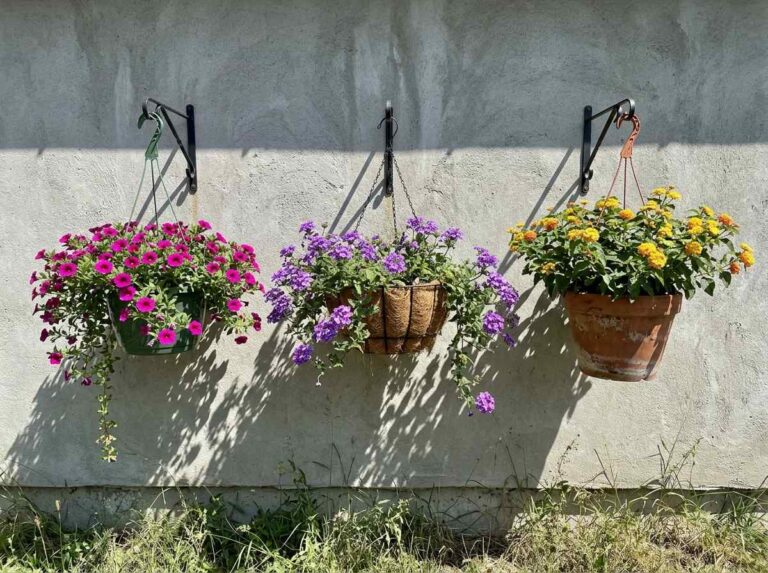
Regular petunias peter out by July. The Supertunia and Wave varieties were bred to keep going and they actually do. This is the one I use in the big pot by the front door.
They’re heavy feeders. Water-soluble fertilizer every two weeks or they turn stringy. That’s the one catch.
My Four Favorites (If I Had to Pick)
Twenty-one is a lot. If you’re just starting, these are the four I’d plant first.
- Zinnia for the longest show from a packet of seeds
- Catmint for the longest-blooming perennial with zero drama
- Blanket flower for the spot you forget to water
- Agastache if you want pollinators in your yard by next summer
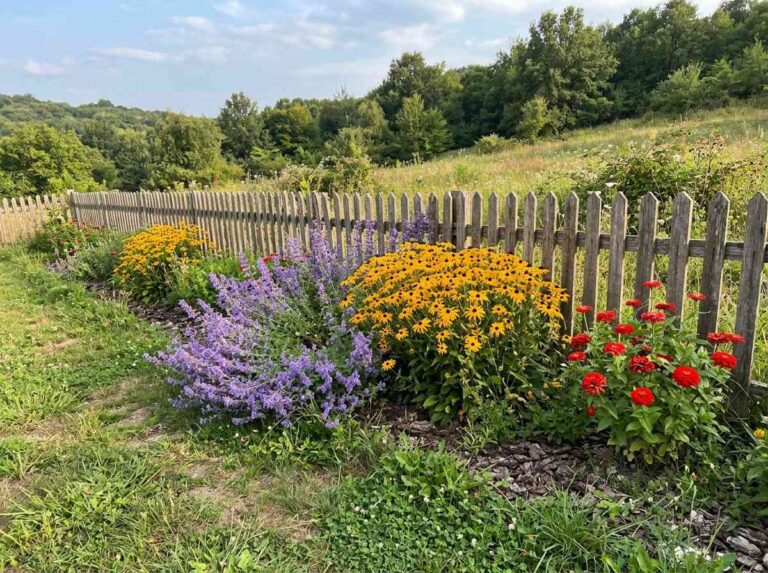
All four can live in the same bed. I’ve done it. It looked like a meadow by August.
FAQ
Which of these flowers don’t need deadheading?
Vinca (Catharanthus), lantana, portulaca, and globe amaranth all self-clean or bloom regardless. Supertunia petunias are also self-cleaning. Everything else benefits from deadheading but most will keep going even if you skip it.
What flowers bloom all summer in full shade?
Most of the flowers on this list need at least six hours of direct sun. For real shade, look at impatiens, begonias, and hardy geraniums (the cranesbill kind on this list tolerates part shade well). I’m working on a full shade list separately.
What’s the difference between “all summer” and “reblooming”?
“All summer” means the plant flowers nonstop from early summer through fall. “Reblooming” usually means waves of flowers with short gaps in between. Most of the annuals on this list are true all-summer bloomers. Some perennials (like daylilies) are really repeat bloomers with a main flush and then a second round.
Can I grow any of these in containers?
Yes, especially zinnia, petunia, lantana, marigold, vinca, portulaca, pentas, and the shorter salvias. Use pots at least 12 inches wide and water more often than you think. Containers dry out fast in summer heat. If you’re thinking about bigger container projects, my small trees for pots guide covers the anchor plants I like to pair with summer flowers.
Which one is safest around pets and kids?
Zinnia, cosmos, marigold, petunia, and snapdragons are generally considered non-toxic. Lantana berries, foxglove, and some lily relatives are not. Always double-check with a vet database if you have a plant-chewing pet. My toddler has tried to eat every flower in the yard at least once and we’ve only had one vet call so far.
The List That Kept My Garden Going
If you pick four flowers from this list and plant them this spring, you’ll have color from June through October. That’s the whole goal.
Start with what grows cheap from seed. Add a couple of perennials as you go. By year three you won’t be buying flats anymore. For zone-specific picks, Iowa State Extension keeps a solid summer perennials list that pairs well with this one.