22 Full Sun Flowers for Front Yards That Bloom All Season
- Full sun
- All-season bloom
- Curb appeal
- Perennials & annuals
Last summer I stood in the front yard and realized everything bloomed at once in June, then nothing happened until September. Two months of bare green stems and wilted petals. Not the look I was going for.
So I rebuilt the bed with one goal: something blooming from May through October, every single week. This list is what I landed on. Perennials and annuals mixed together, organized so you can build a front yard that never has a dead stretch.
Quick Summary
- 22 flowers for full sun front yards, mixing perennials and annuals
- Organized by bloom season so you can plan continuous color
- Perennials come back every year; annuals fill gaps while perennials establish
- All handle 6+ hours of direct sun
- Best starter pick: Zinnias (annual). Direct-sow, bloom in weeks, keep going until frost.
The Perennials (Come Back Every Year)
These are the backbone. Plant once, enjoy for years. Most won’t bloom heavily their first season, so fill gaps with annuals from the second half of this list while they establish.
1. Coneflower (Echinacea)
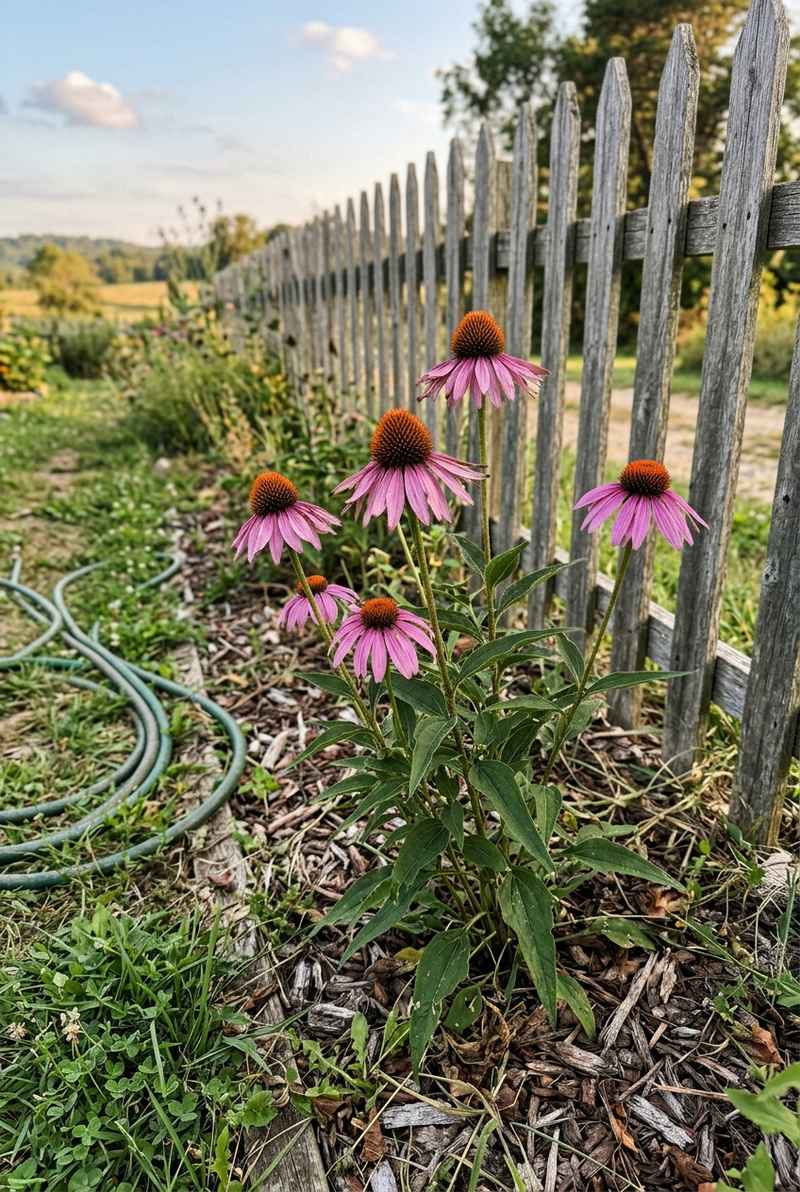
The anchor of any full-sun perennial bed. Purple, pink, white, orange, or yellow depending on variety. Thrives in poor, dry soil and actually blooms worse if you water or fertilize too much. Less is more with these.
One thing nobody tells beginners: coneflowers rarely bloom well their first year. They spend that time building roots. Don’t pull them. Wait. Year two is when they show up. And leave the seed heads standing in winter. Goldfinches eat them.
2. Black-Eyed Susan (Rudbeckia)
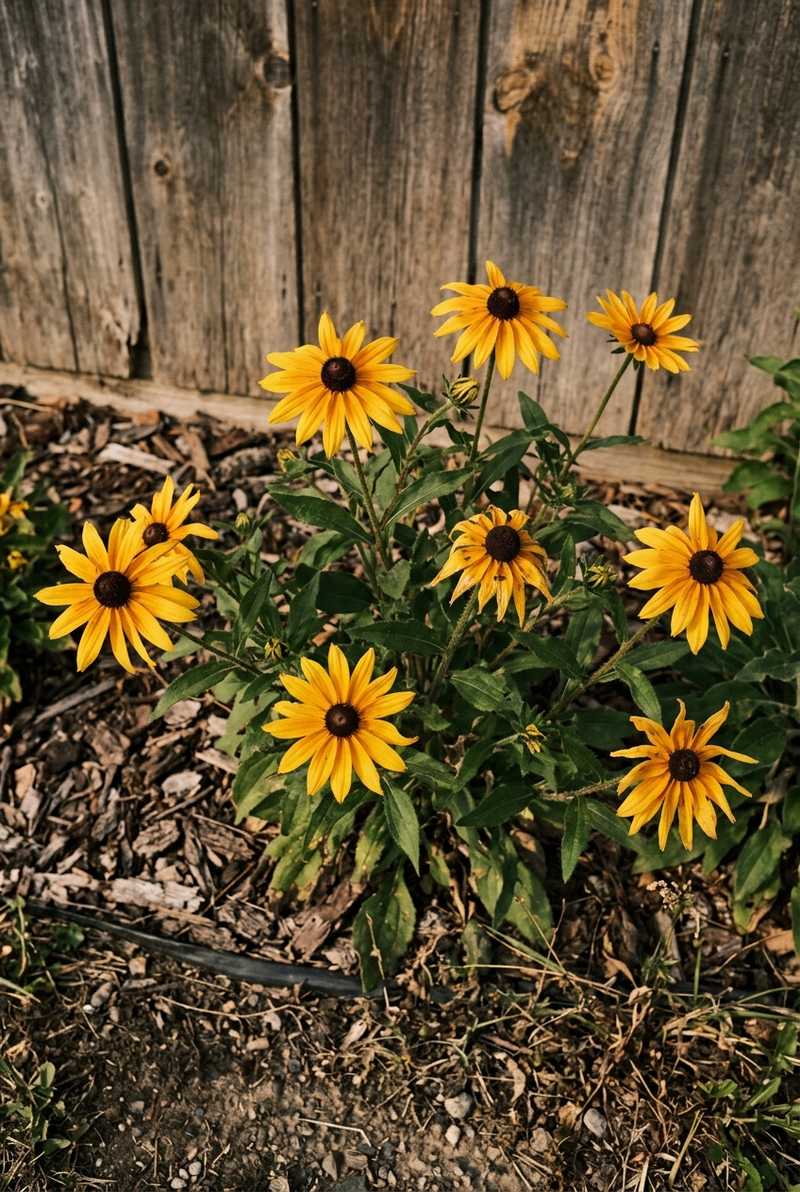
Golden yellow daisies with dark centers that bloom for months. Native, deer-resistant, drought-tough. ‘Goldsturm’ is the cultivar you’ll see everywhere for good reason.
Deadhead to prevent aggressive self-seeding unless you want them everywhere. The annual type (Rudbeckia hirta) reseeds so freely it’ll colonize every bare spot in the yard. Beautiful problem to have, but a problem.
3. Daylily (Reblooming Varieties)
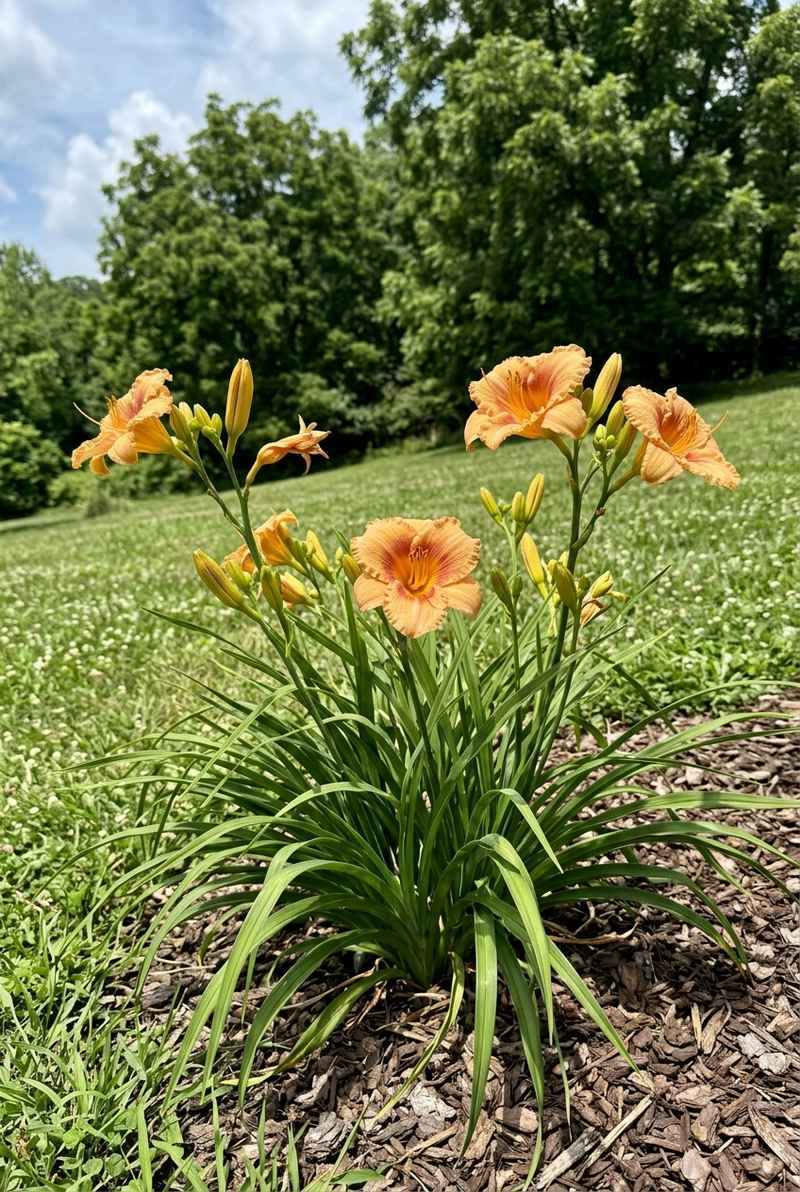
Each flower lasts one day. But a single stem carries 12-15 buds, so one plant blooms for weeks. Plant early, mid, and late varieties together and you get daylily bloom from June through September.
‘Stella de Oro’ (yellow, compact) and ‘Happy Returns’ (lemon yellow) are the most reliable rebloomers. Nearly every color except true blue. Virtually indestructible.
4. Salvia (Perennial)
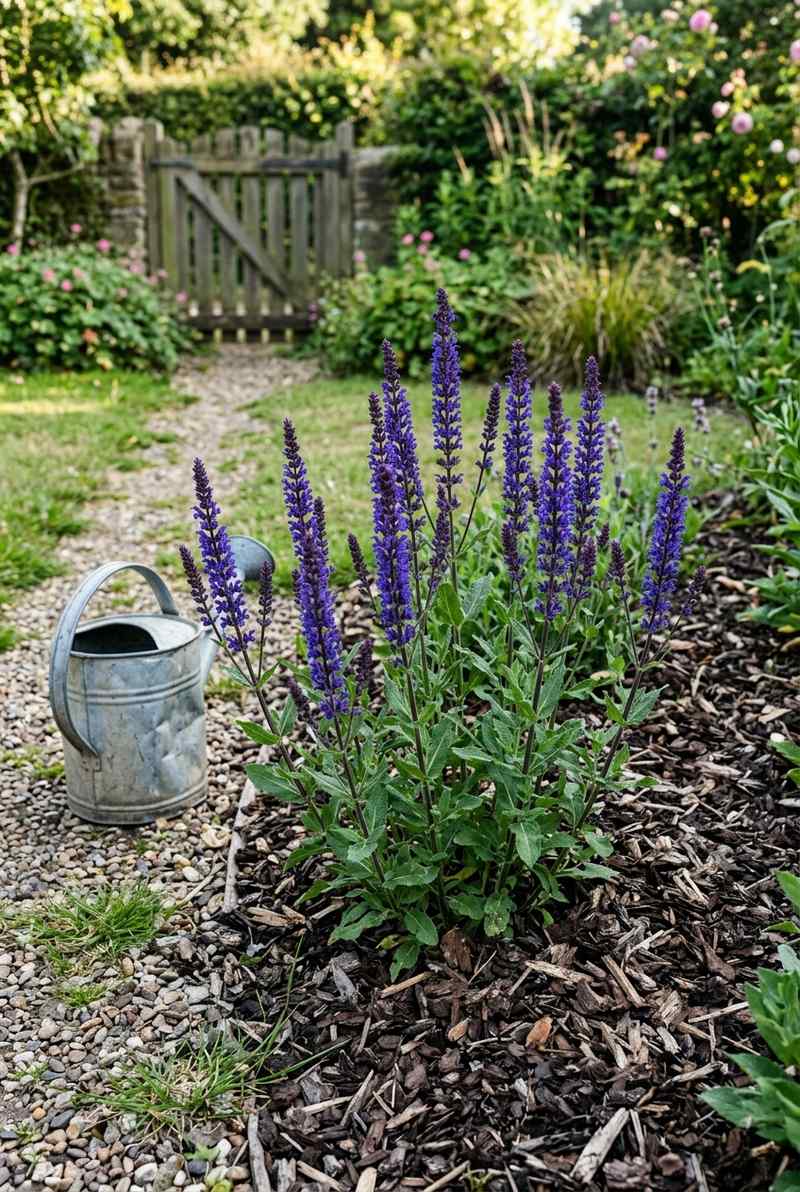
Spikes of purple, blue, or red that hummingbirds can’t stay away from. Cut spent flower stalks back after the first flush and they’ll rebloom two or three more times before frost.
‘May Night’ and ‘Caradonna’ are my favorites. Upright, tidy, and they don’t flop. Excellent alongside drought-tolerant flowers since they barely need water once established.
5. Catmint (Nepeta)
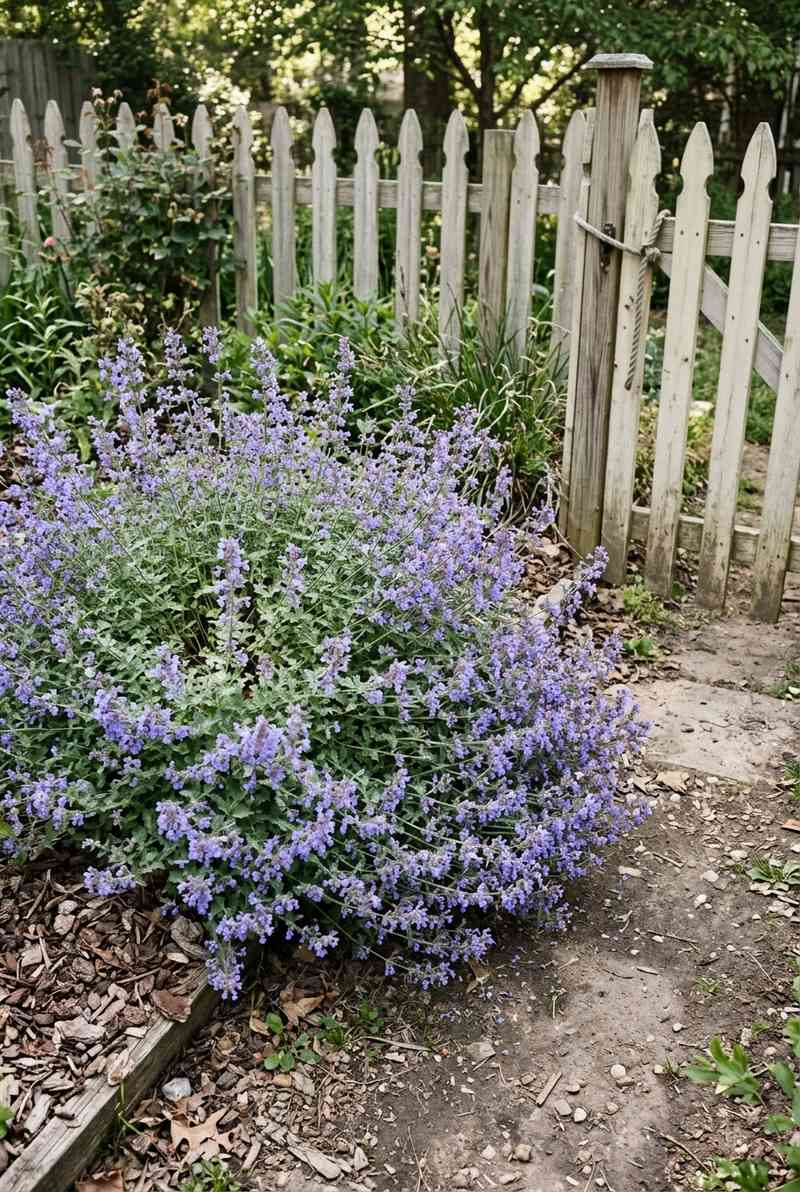
Lavender-blue flower spikes that billow over the edge of beds and paths. One of the lowest-maintenance perennials you can plant. Shear it back by half after the first bloom and it rebounds with fresh flowers within weeks.
‘Walker’s Low’ is the industry standard for good reason. Deer-resistant, drought-proof, fragrant. I use it to edge the front bed and it fills in beautifully by midsummer.
6. Russian Sage
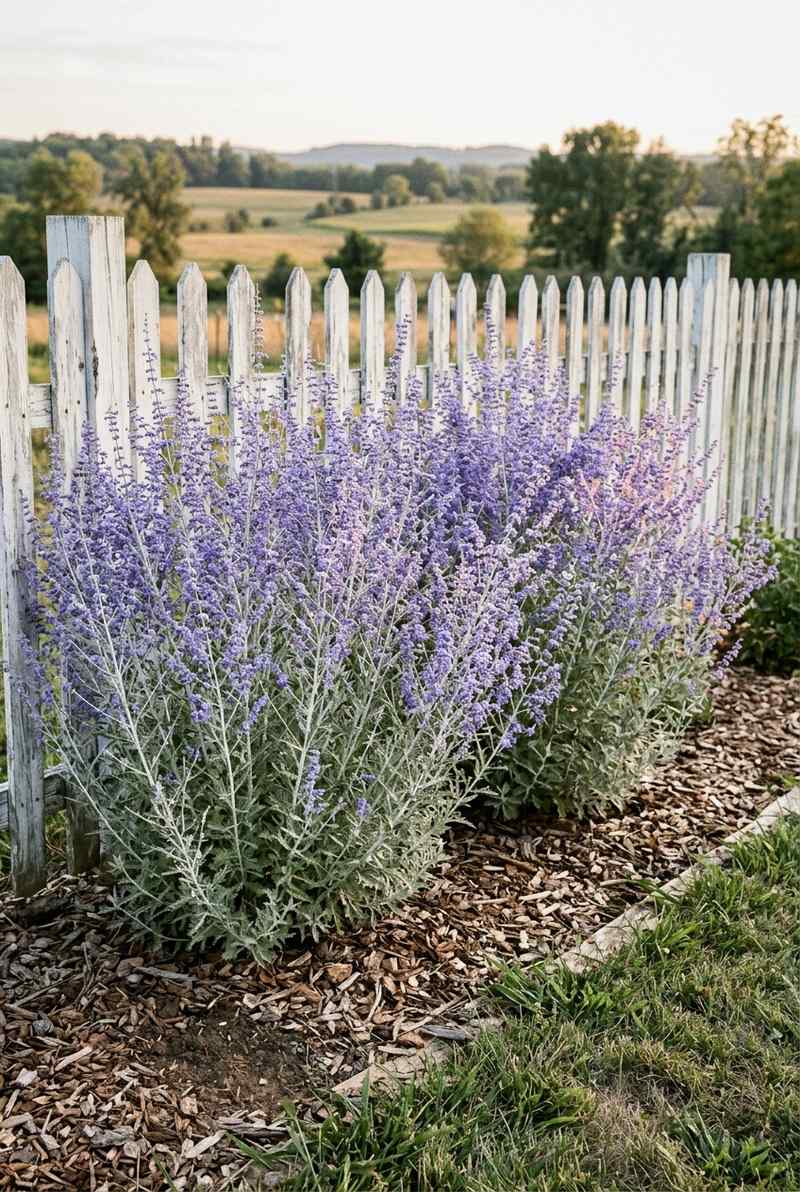
Silvery stems with a haze of lavender-blue flowers from July through October. Looks like a cloud of color from across the street. Drought-proof once established.
Needs room. Gets wide and floppy without enough sun. Full, hot, baking sun is exactly what this plant wants. Cut to 6 inches in early spring and let it regrow.
Save this to Pinterest7. Sedum (Autumn Joy)
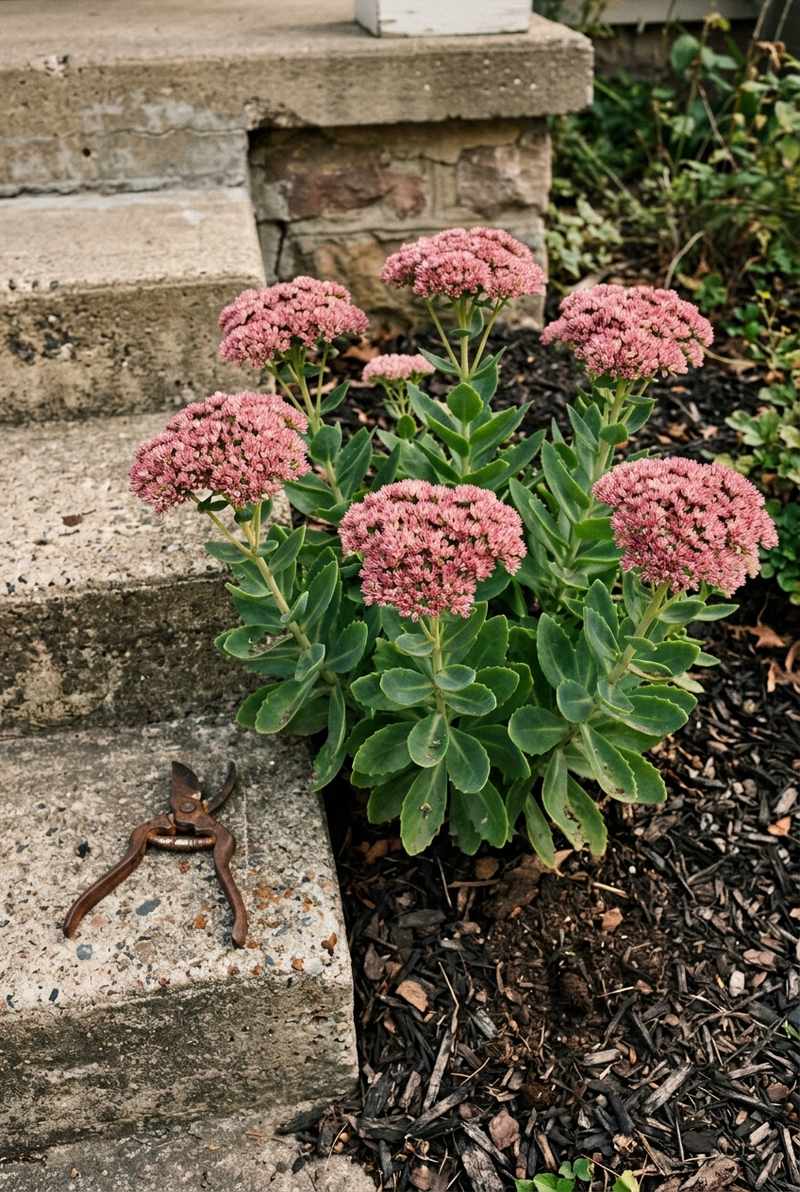
Blooms when most perennials are winding down. Flat clusters of tiny pink flowers that deepen to copper-red in fall, then dry to a warm brown that looks good through winter. Three seasons of interest from one plant.
Succulent leaves mean it barely needs water. Overwatering is the only real way to kill it. Perfect for that hot, dry strip next to the driveway where nothing else wants to grow.
8. Shasta Daisy
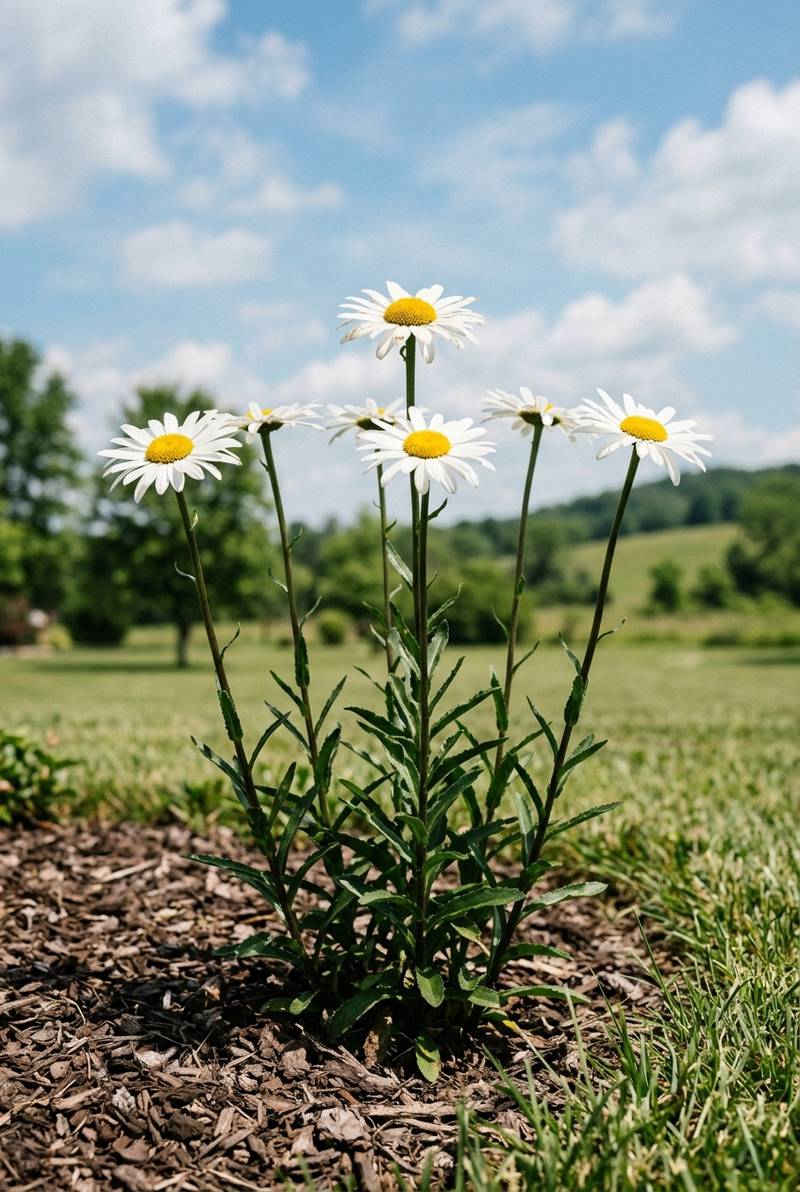
Classic white daisies with yellow centers. Nothing fancy. Just clean, cheerful, and exactly what a front yard flower bed should look like in July. Deadhead and they’ll keep going into August.
‘Becky’ is the tallest and most vigorous. ‘Snow Lady’ is compact and works well at the front of a border.
9. Blanket Flower (Gaillardia)
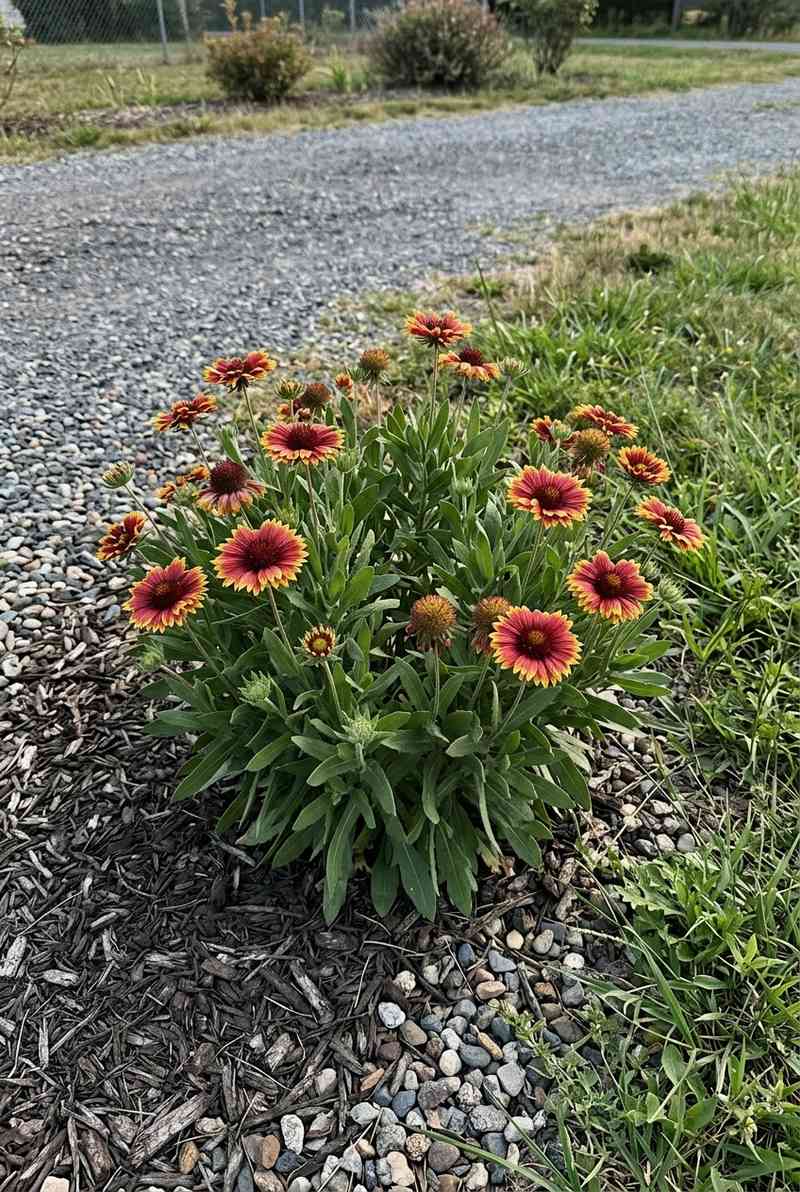
Red and yellow bicolor flowers that look like tiny sunsets. Blooms non-stop from June through frost without deadheading. Handles poor soil, drought, and heat better than almost anything on this list.
Short-lived perennial (2-3 years), but it self-seeds enough to replace itself. I think of it as a perennial that acts like an annual.
10. Coreopsis
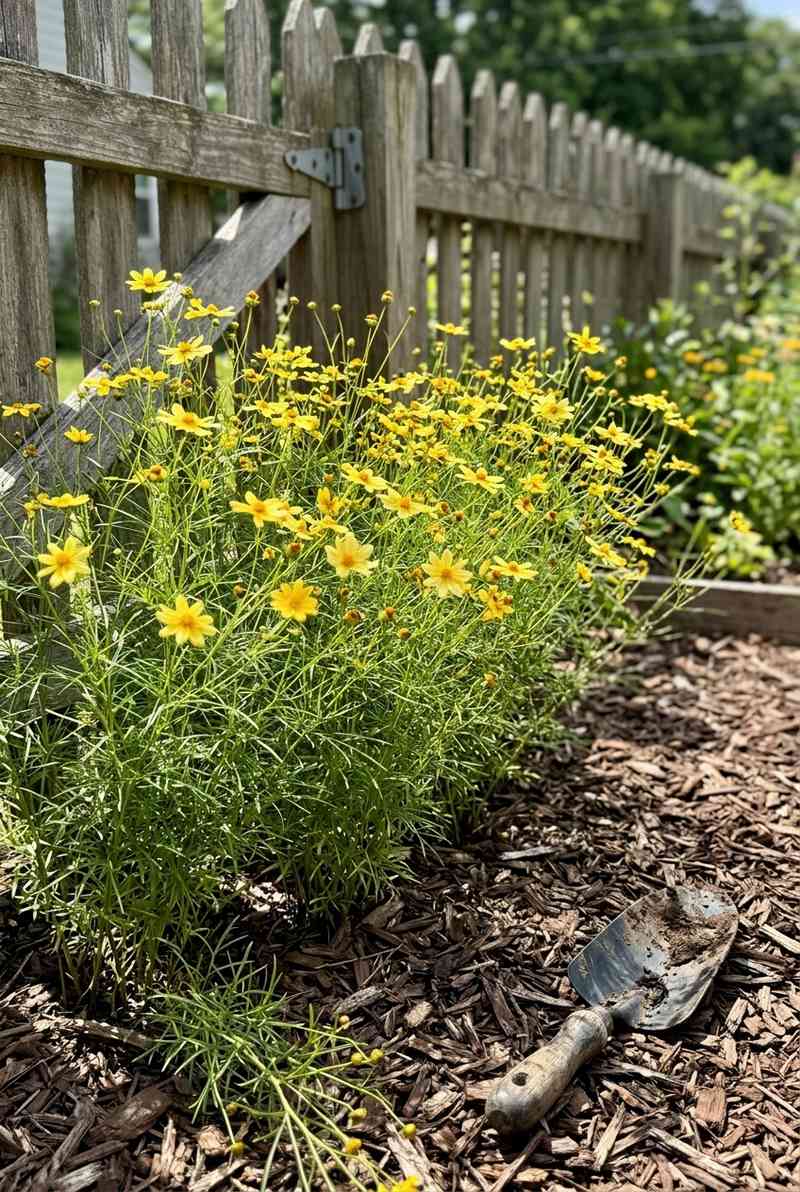
Bright yellow or bicolor flowers from early summer through fall. Native, low-growing, and one of the easiest perennials to grow. ‘Moonbeam’ (pale yellow, thread-leaf) and ‘Zagreb’ (compact) are my go-to varieties.
Deadhead occasionally to keep it tidy. Otherwise, ignore it. It prefers neglect over attention.
11. Blazing Star (Liatris)
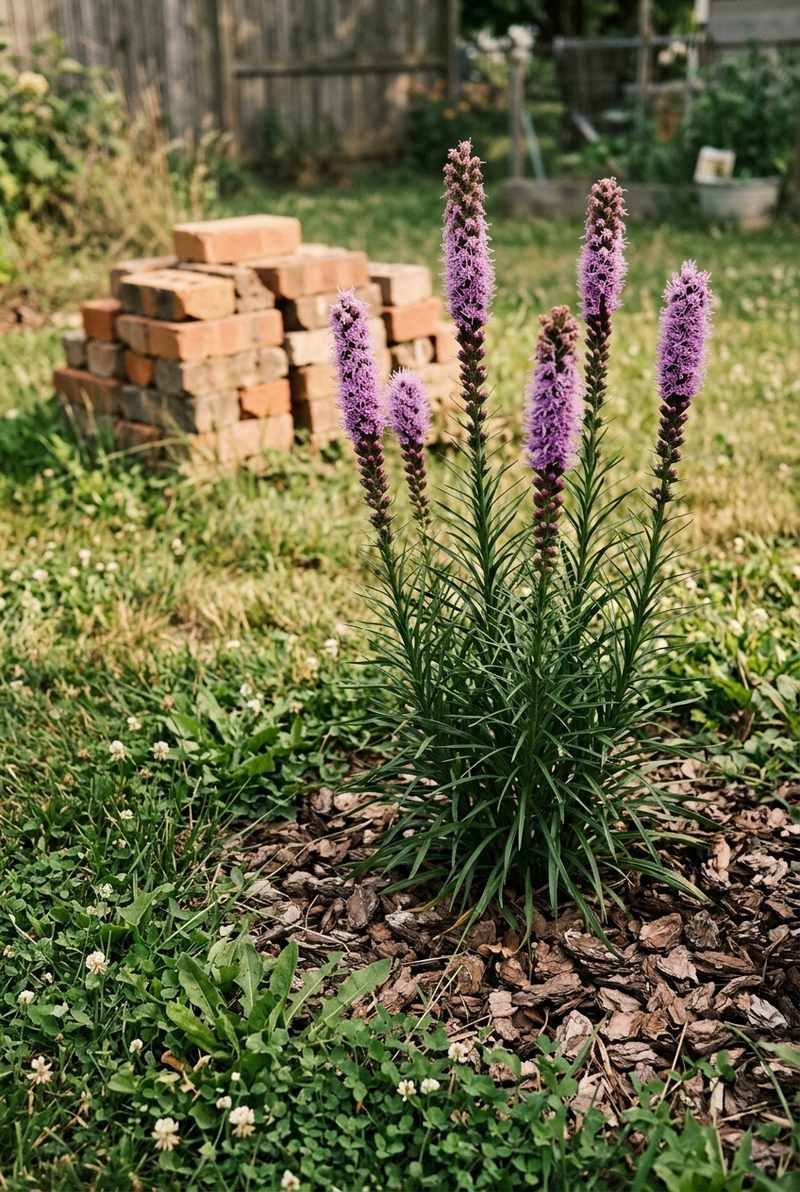
Vertical purple spikes that add structure to a front yard bed in a way no other flower on this list does. Native prairie plant. Butterflies and bees swarm it. Blooms from the top down, which is unusual and eye-catching.
Grows from a corm (like a bulb). Plant in fall or early spring. Hates wet feet, so skip this one if your soil stays soggy.
12. Bee Balm (With a Spreading Warning)
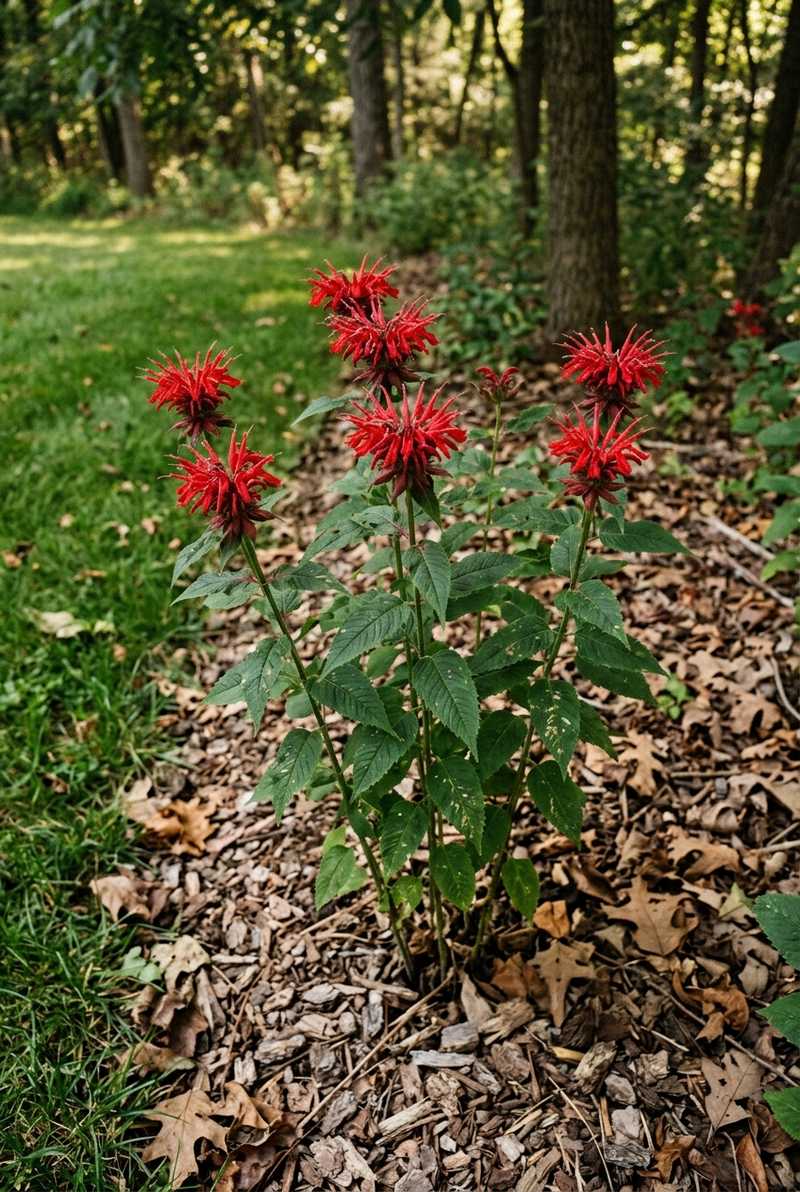
Hummingbird magnet. Bold flowers in red, pink, or purple that look striking from the street. Native.
Spreads aggressively by underground rhizomes. Not safe for a small, tidy front bed unless you’re ready to divide it every year. Give it a dedicated spot with room to roam, or contain it with a root barrier. ‘Jacob Cline’ (red) has better mildew resistance than older varieties.
13. Yarrow
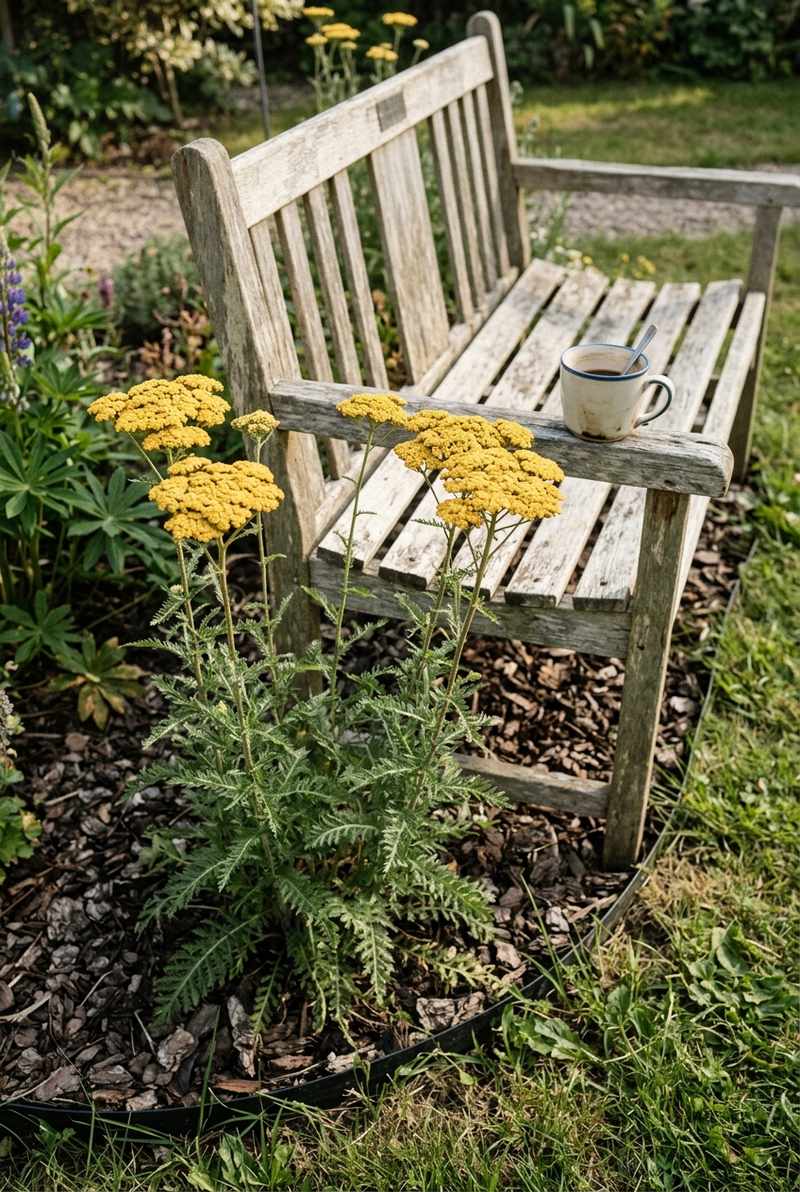
Flat-topped flower clusters in warm colors. Ferny foliage. Drought-proof and deer-resistant. ‘Moonshine’ (pale yellow) and ‘Paprika’ (red fading to gold) are the varieties I like best.
Cut spent flowers and it reblooms. Rich soil makes it floppy. Lean, well-drained soil produces sturdy stems. Another flower that prefers being ignored.
14. Penstemon
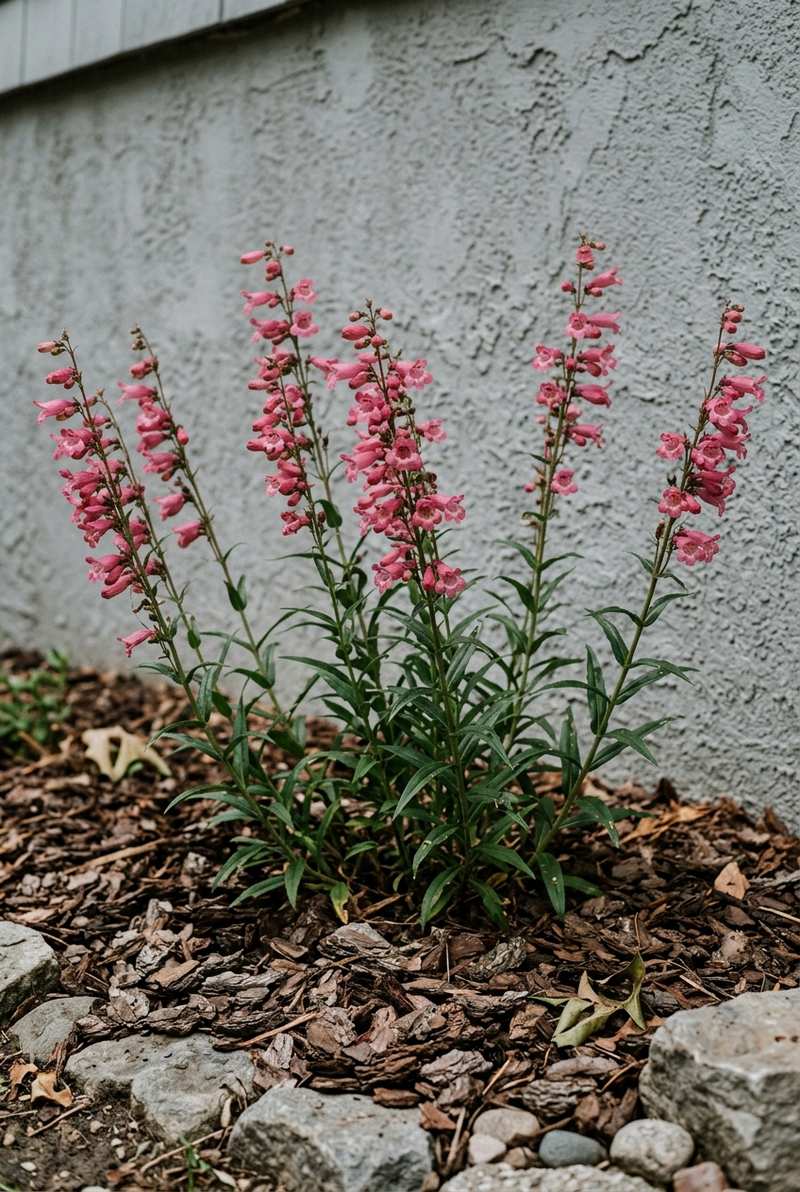
Tubular flowers in shades of purple, pink, red, and white. Native species available for nearly every region. Hummingbirds love the flower shape.
Not as well-known as coneflower or salvia, but fills the same niche with more interesting flower structure. ‘Husker Red’ has dark foliage that contrasts beautifully with light-colored neighbors. Short-lived in heavy soil. Needs drainage.
The Annuals (Plant Fresh Each Year)
Annuals die at the end of the season, but they bloom harder and longer than any perennial. Use them to fill gaps while perennials establish in years one and two, or as permanent summer color in hot spots.
15. Zinnia
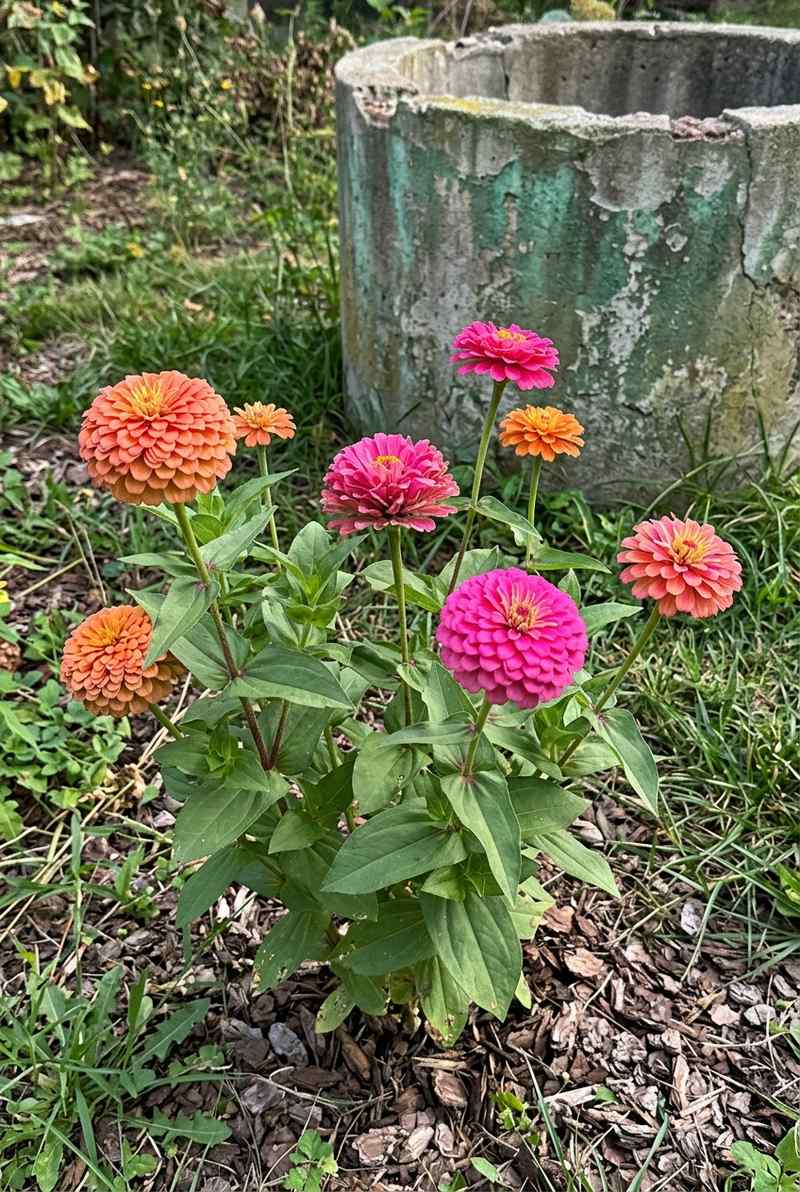
The hardest-working flower in a summer garden. Direct-sow seeds after last frost, and they’ll bloom in 6-8 weeks and keep going until the first hard freeze. Every color except blue. Cut one and two more grow. I can’t say enough good things about zinnias.
Tip
Always direct-sow zinnias. They hate being transplanted. Drop seeds right where you want them once the soil is warm. Space 8-18 inches (20-45 cm) apart depending on variety. Crowding causes powdery mildew on older leaves.
16. Marigold
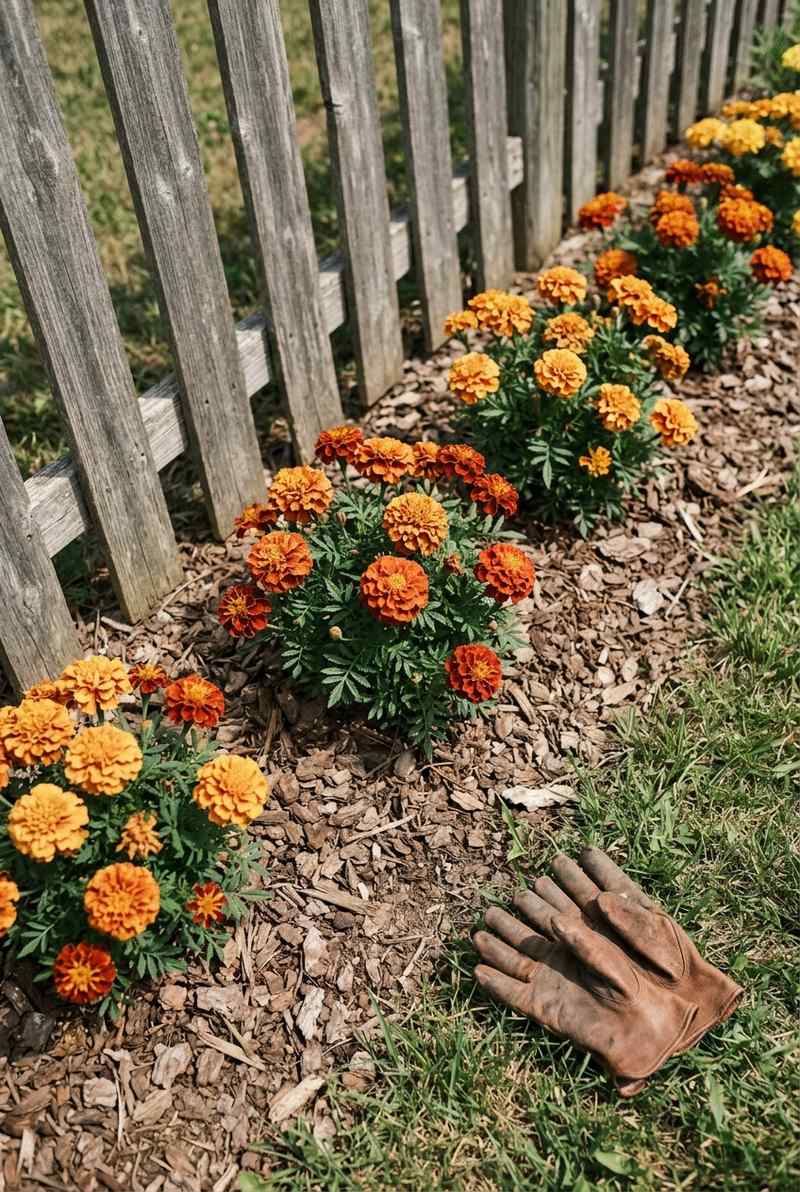
Reliable, cheap, and cheerful. Orange, yellow, red, or bicolor. French marigolds stay compact for edging. African marigolds get tall with big pom-pom blooms. Deadhead for continuous flowers.
Some gardeners plant them alongside vegetables because the scent deters certain pests. Whether that actually works is debatable, but they look good either way.
17. Lantana
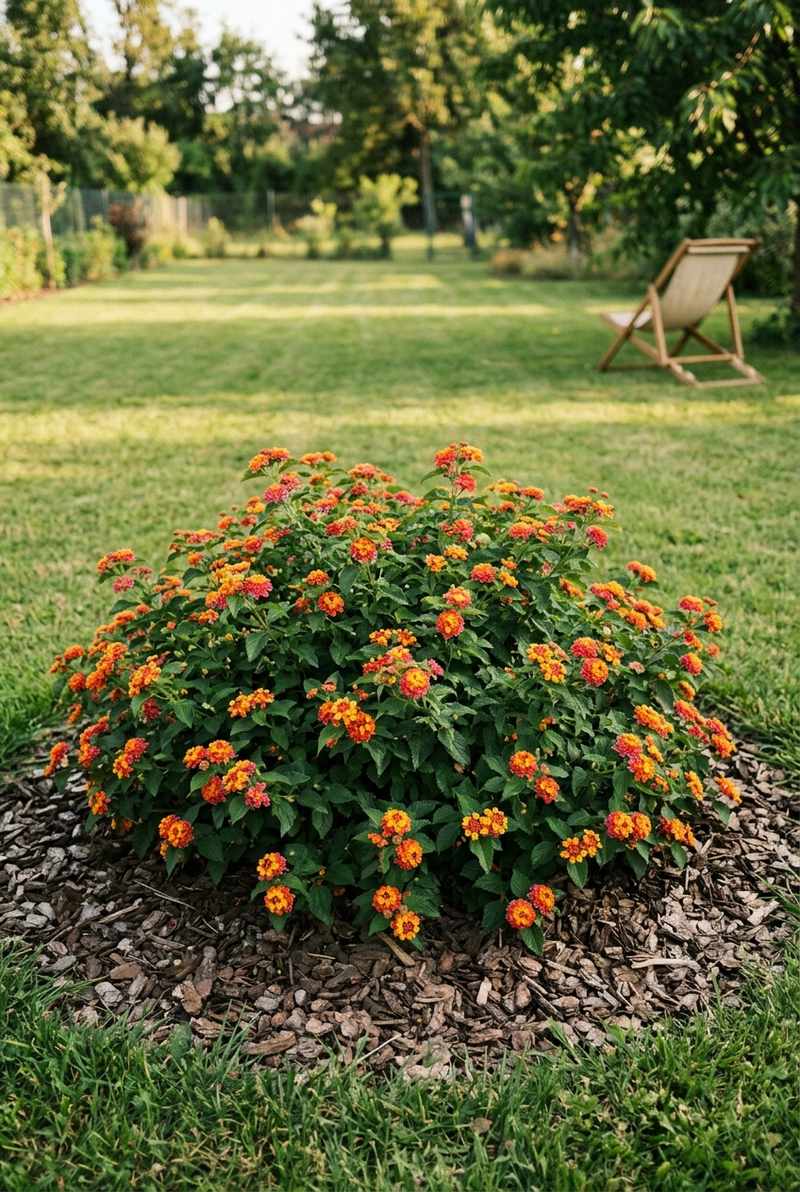
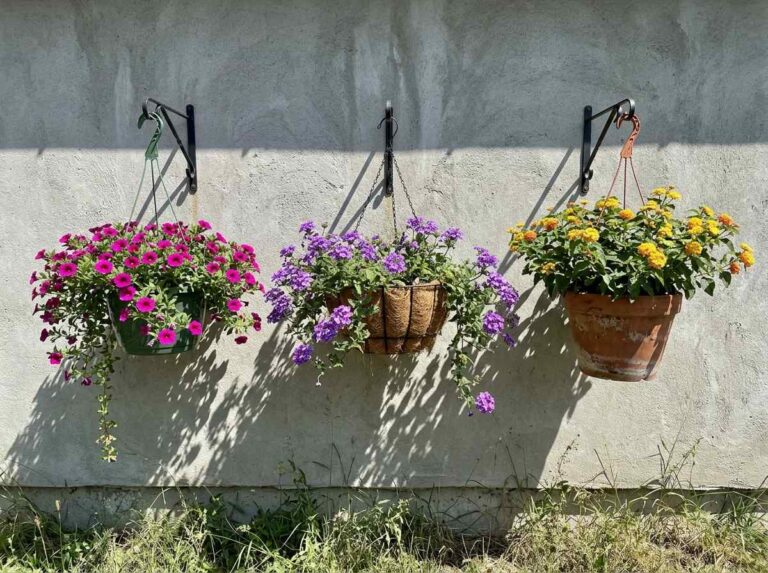
Outperforms petunias in heat with zero deadheading. Multi-colored flower clusters that shift from yellow to orange to red as they age. Butterflies swarm it. Deer won’t touch it. Handles brutal heat and drought.
Annual in cold zones, perennial in zones 8-10. If you had one failed petunia summer, try lantana next year. It won’t quit on you in August.
18. Petunia (With a Mid-Summer Hack)
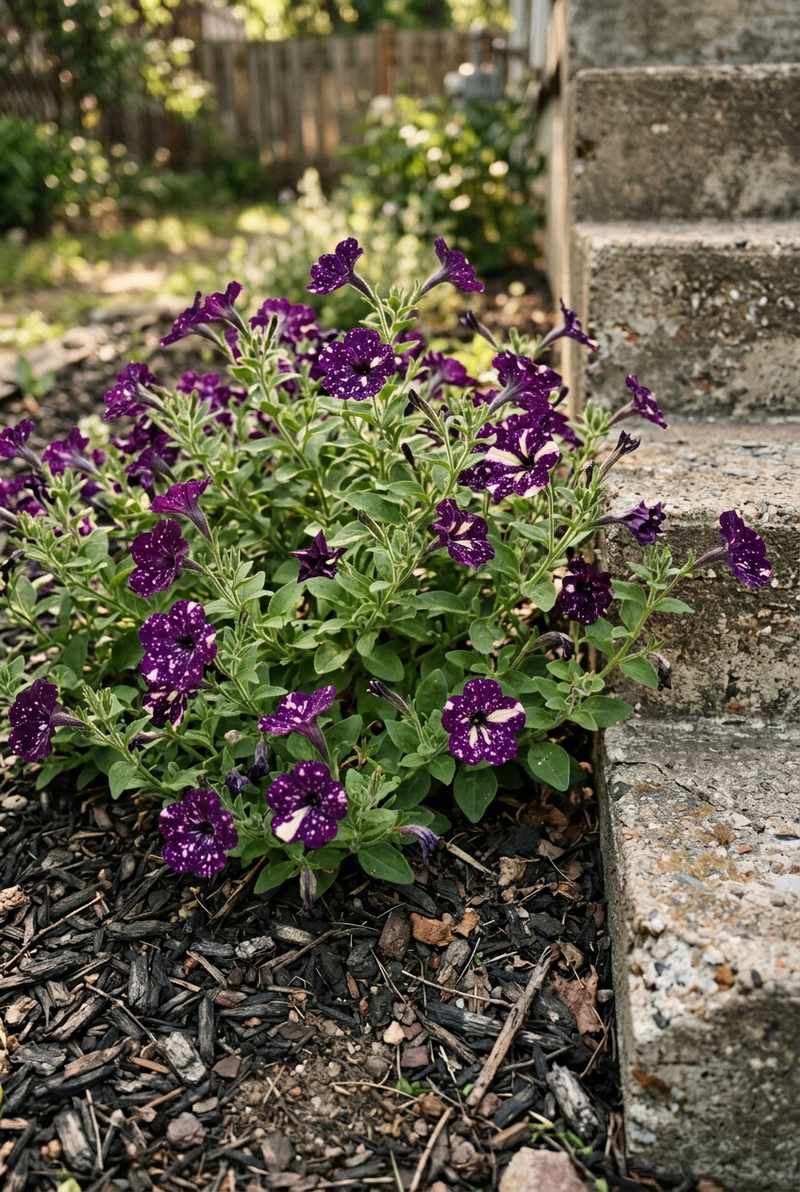
Everyone’s first front yard flower. Huge color range, inexpensive, blooms start early. The problem: they get leggy and stop flowering by mid-July in hot climates.
The fix: cut them back by one-third in mid-July. They look terrible for two weeks, then push a heavy flush of fresh blooms that lasts into October. Most people don’t know this trick. It makes petunias a completely different plant.
19. Portulaca (Moss Rose)
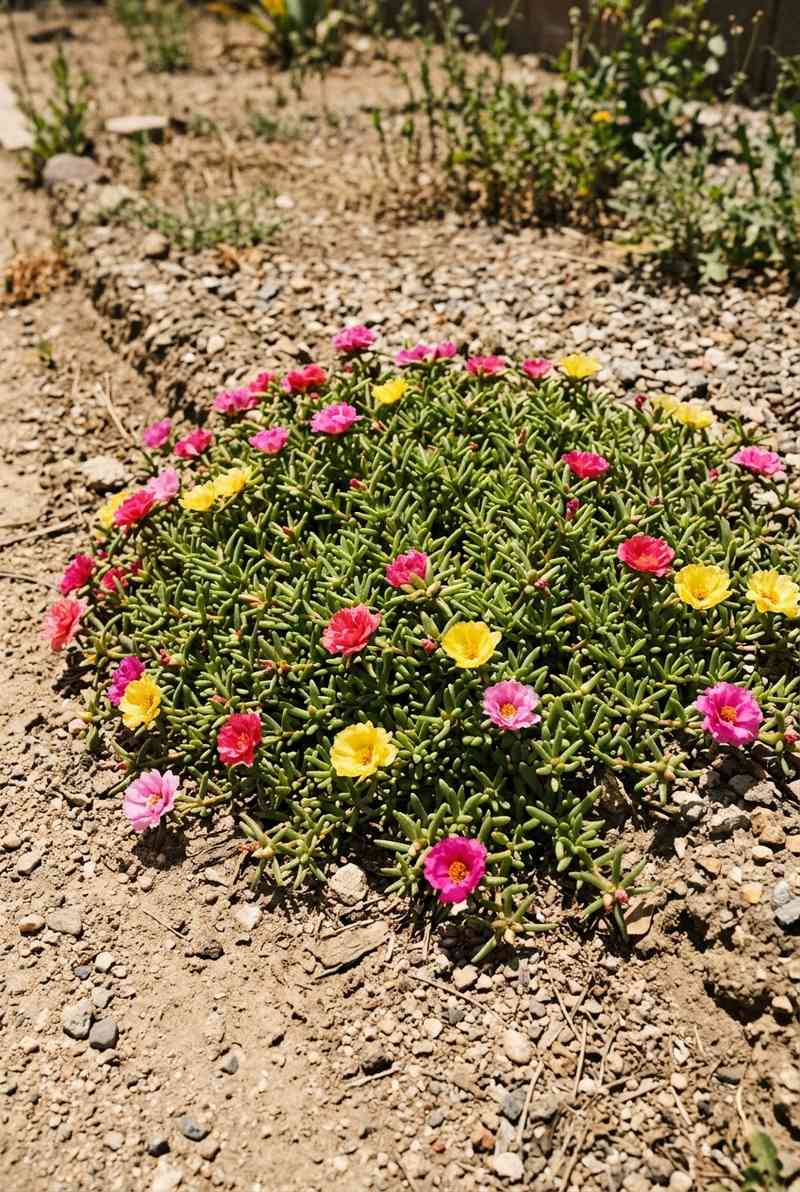
Succulent annual that thrives on neglect. Perfect for that hot, dry strip between the sidewalk and the street where nothing else survives. Rose-like flowers in neon colors. Closes at night and on cloudy days, which some people find annoying. I find it charming.
Doesn’t need fertilizer. Overwatering kills it. The less you do, the better it looks.
20. Globe Amaranth (Gomphrena)
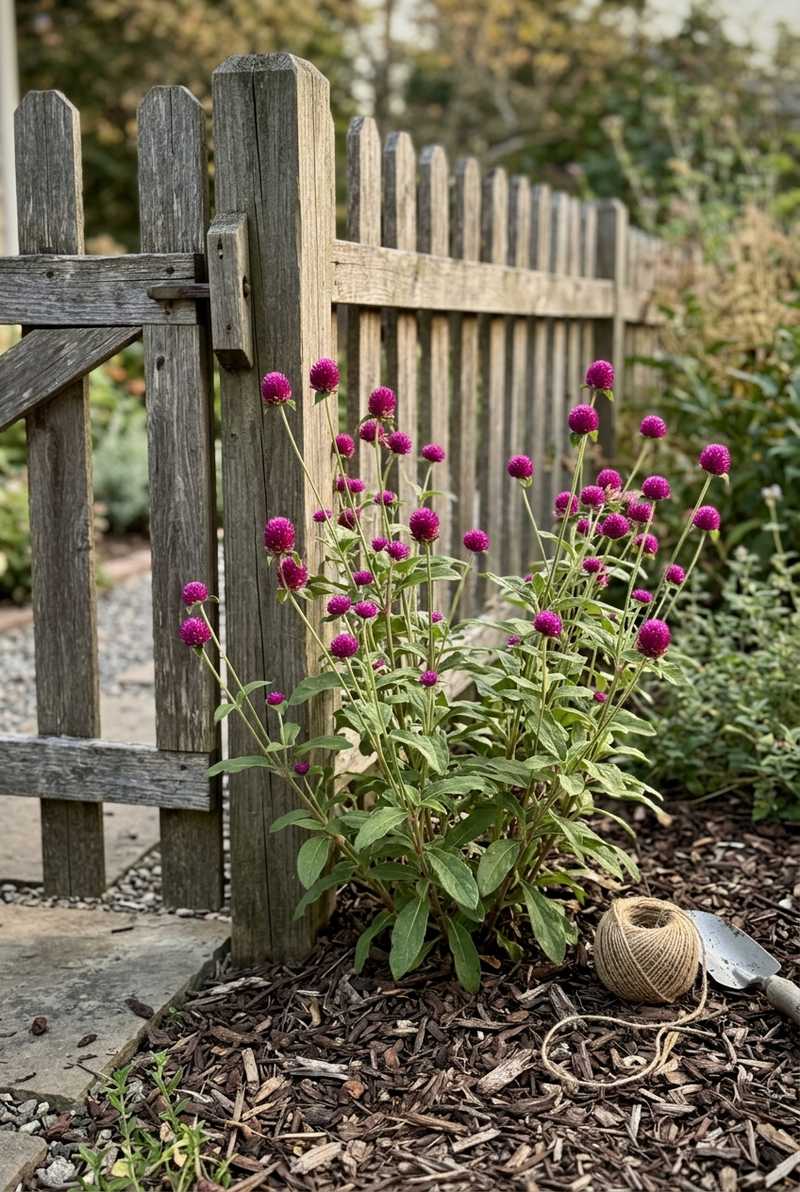
Round, clover-like blooms in magenta, purple, white, or red that look papery and hold their color long after cutting. Excellent for dried arrangements. Heat and humidity don’t faze it.
Almost entirely absent from front yard listicles, which is a shame. ‘Fireworks’ (hot pink, tall) is the variety I’d try first. Butterflies love it. Self-seeds lightly.
21. Mexican Sunflower (Tithonia)
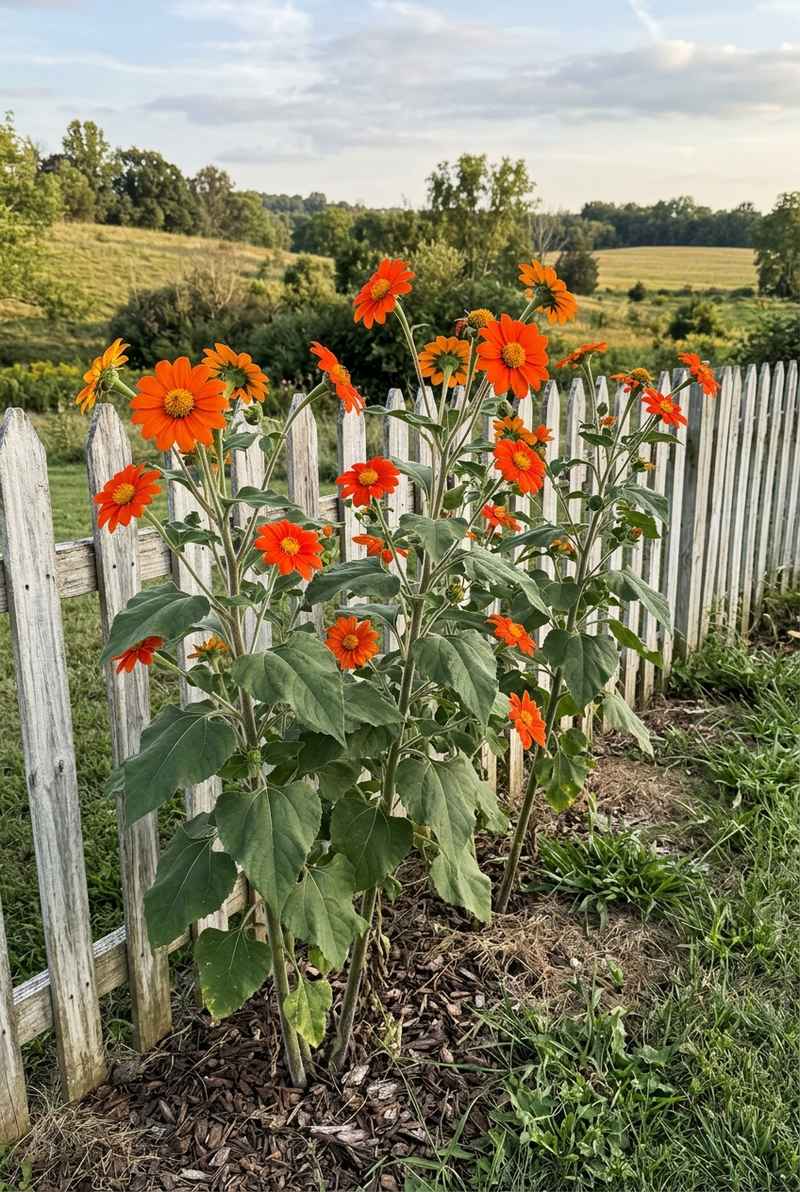
Bold. Tall. Bright orange flowers the size of your palm. This is the back-of-the-border plant that makes everything in front of it look intentional. The single best monarch butterfly magnet I’ve ever planted.
Gets big. 4-6 feet tall by midsummer. Not for small beds, but if you have a fence line or back border that needs drama, this is it. Direct-sow after frost.
22. Pentas
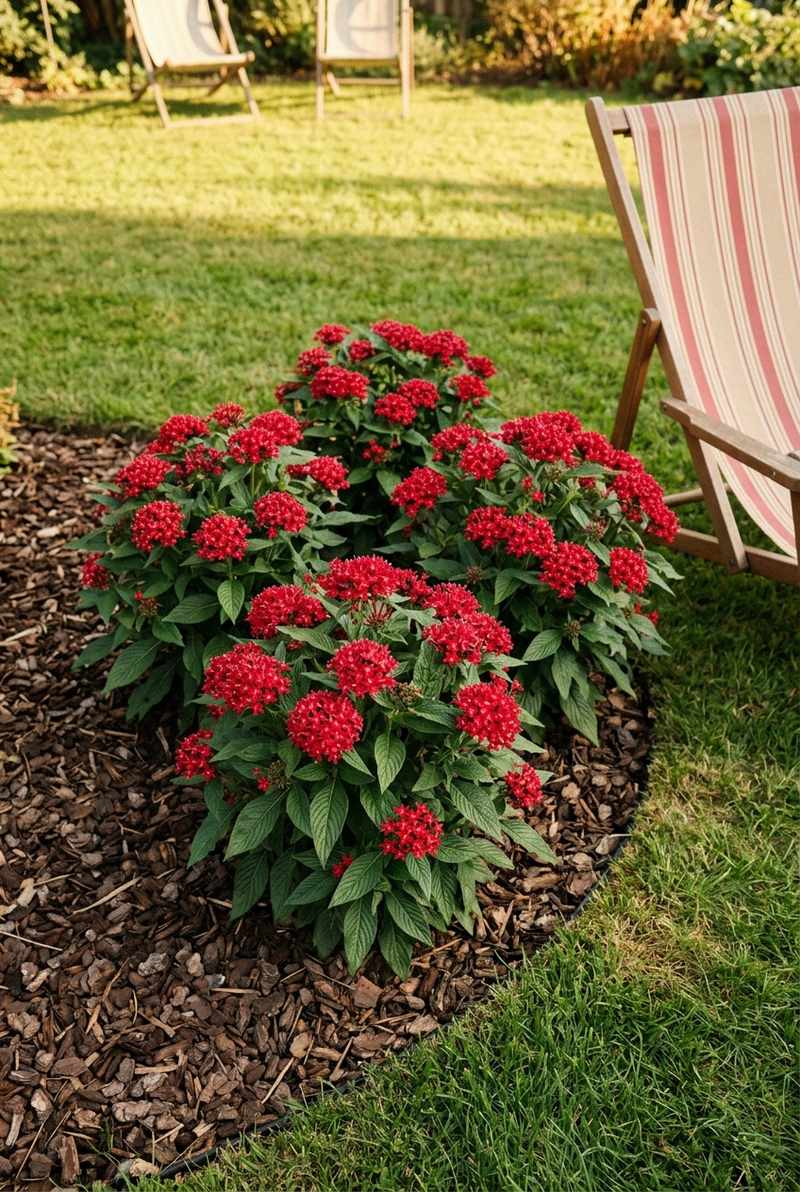
Star-shaped flower clusters in red, pink, lavender, or white. Blooms nonstop without deadheading. Butterflies and hummingbirds go to it before anything else in the bed.
Handles southern heat beautifully. Mostly seen in zone 8+ gardens but works as an annual anywhere with warm summers. Rarely listed in “front yard flower” articles, which makes zero sense. It does everything a petunia does but better in heat.
Planning for Continuous Bloom
The trick to a front yard that always has color isn’t planting more. It’s planting smarter. Pick 2-3 flowers from each bloom period and you’ll never have a dead week:
| Season | Perennials | Annuals |
|---|---|---|
| Late spring | Catmint, Salvia, Penstemon | Petunia |
| Early summer | Coreopsis, Shasta Daisy, Daylily | Zinnia, Marigold |
| Mid-summer | Coneflower, Black-Eyed Susan, Bee Balm | Lantana, Pentas |
| Late summer-fall | Sedum, Russian Sage, Blazing Star | Globe Amaranth, Mexican Sunflower |
Years 1-2: fill gaps with annuals while perennials build roots. By year 3, the perennials take over and annuals become optional accent plants. UMass Extension recommends planting at least 2-3 species per bloom season to guarantee no dead periods.
Frequent Questions
What’s the easiest full-sun flower for complete beginners?
Zinnias. Direct-sow seeds, water occasionally, enjoy flowers from midsummer through frost. Impossible to overthink. If you can water once a week, you can grow zinnias.
Should I plant perennials or annuals in my front yard?
Both. Perennials form the backbone (they come back every year) but most don’t bloom all season. Annuals fill the gaps with continuous color. A mix gives you the best of both worlds.
How many hours of sun counts as “full sun”?
Six or more hours of direct sunlight per day. Not dappled shade through trees. Everything on this list needs at least 6 hours, and most perform best with 8+.
Why aren’t my coneflowers blooming?
Probably their first year. Coneflowers spend year one building root mass and often produce few or no flowers. Year two is when they perform. Don’t pull them. Be patient.
The Bed That Finally Worked
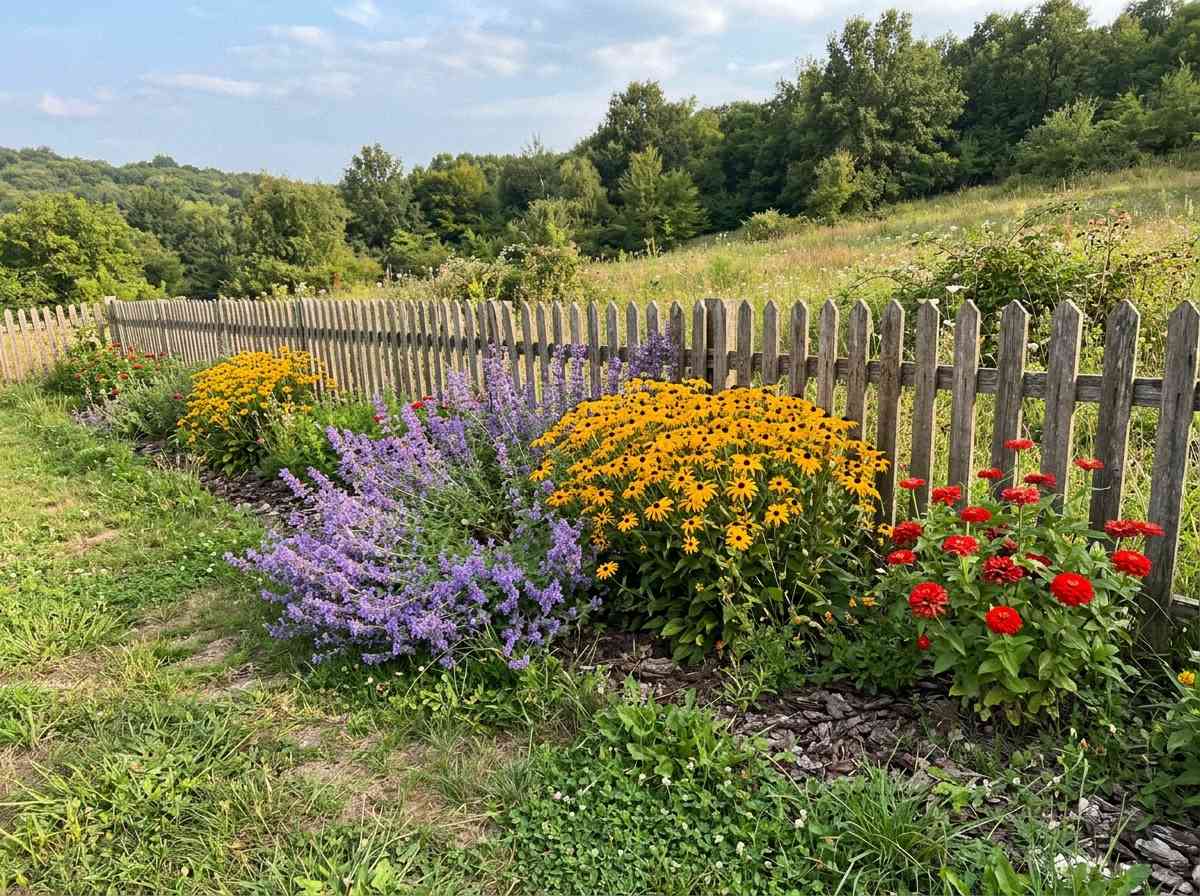
My front bed now has catmint and salvia for early color, coneflowers and zinnias for midsummer, and sedum for fall. Something’s always blooming. That two-month dead stretch from last year? Gone.
You don’t need 22 flowers. Pick five from different bloom seasons, plant them in groups of three, and you’ll have a front yard that looks alive from May through October. That’s the whole strategy.