How to Plant and Grow Lavender (Without Killing It With Kindness)
- Drought-tolerant
- Pollinator garden
- Cottage border
- Provence aesthetic
The first lavender I planted, I treated like a celebrity. I watered it every few days. I top-dressed the bed with the same bark mulch I used for the hydrangeas. I gave it compost in spring like I gave everything else.
By August it was a gray skeleton with crumbling roots.
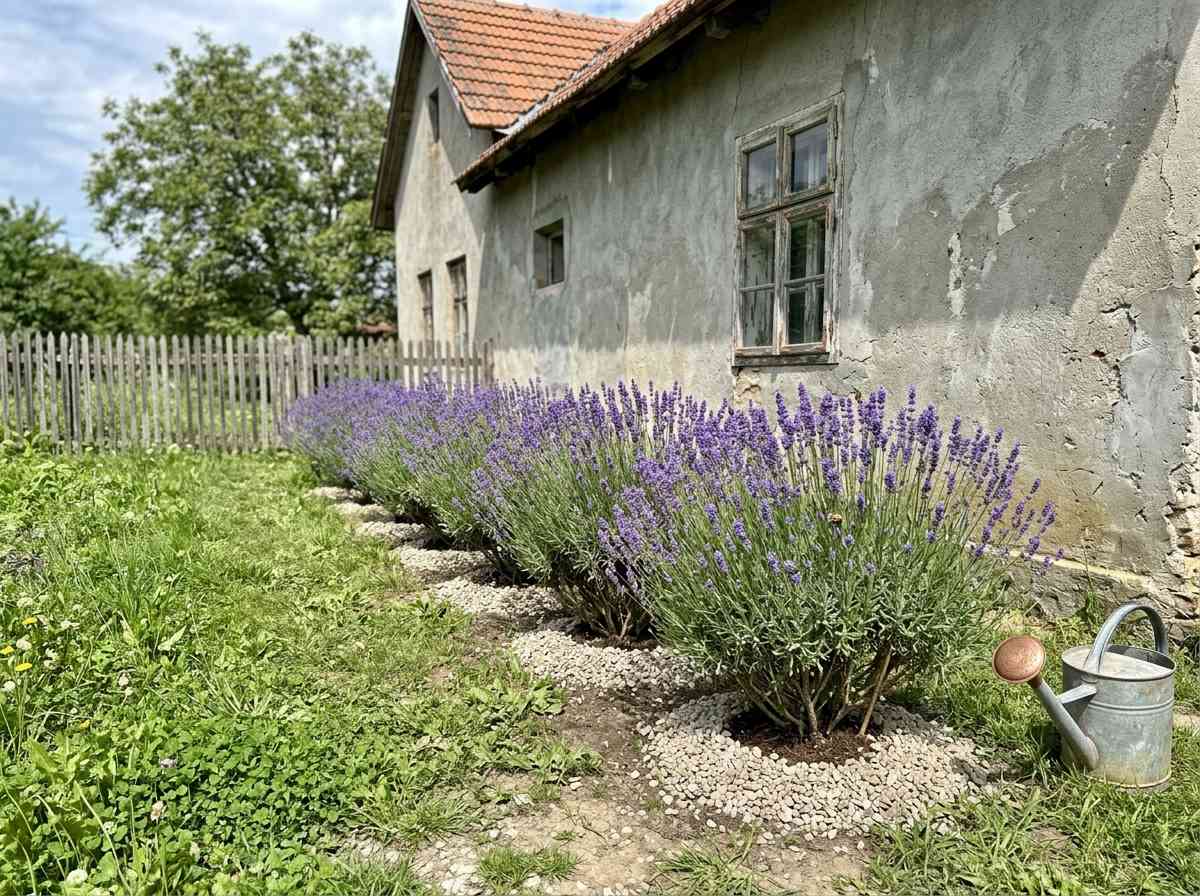
The lavender I planted the next year, I mostly ignored. Lean soil. A handful of pea gravel around the crown. A bottle of lime stirred in at planting and then not much else.
That one is on its sixth summer.
Lavender wants to be left alone. Once I let it, it gave me five months of bees, fragrance, and the purple haze every garden magazine pretends is hard to grow.
Quick Pick: Match the Variety to Your Climate
- Zones 5-6, dry: English types (Hidcote, Munstead). Hardiest. Classic fragrance.
- Humid summers, zones 5-7: Phenomenal or Grosso (Lavandin hybrids). Tougher in muggy heat.
- Hot zones 7-8: Grosso, Provence, or Vera. Heat-tolerant, long bloom, generous oil yield.
- Zones 9-11: Spanish (Anouk) or French (dentata) in the ground; English in pots.
- The one rule that beats every other variable: sharp drainage. Wet feet kill more lavender than any winter ever has.
Drainage Is the One Thing You Cannot Fake
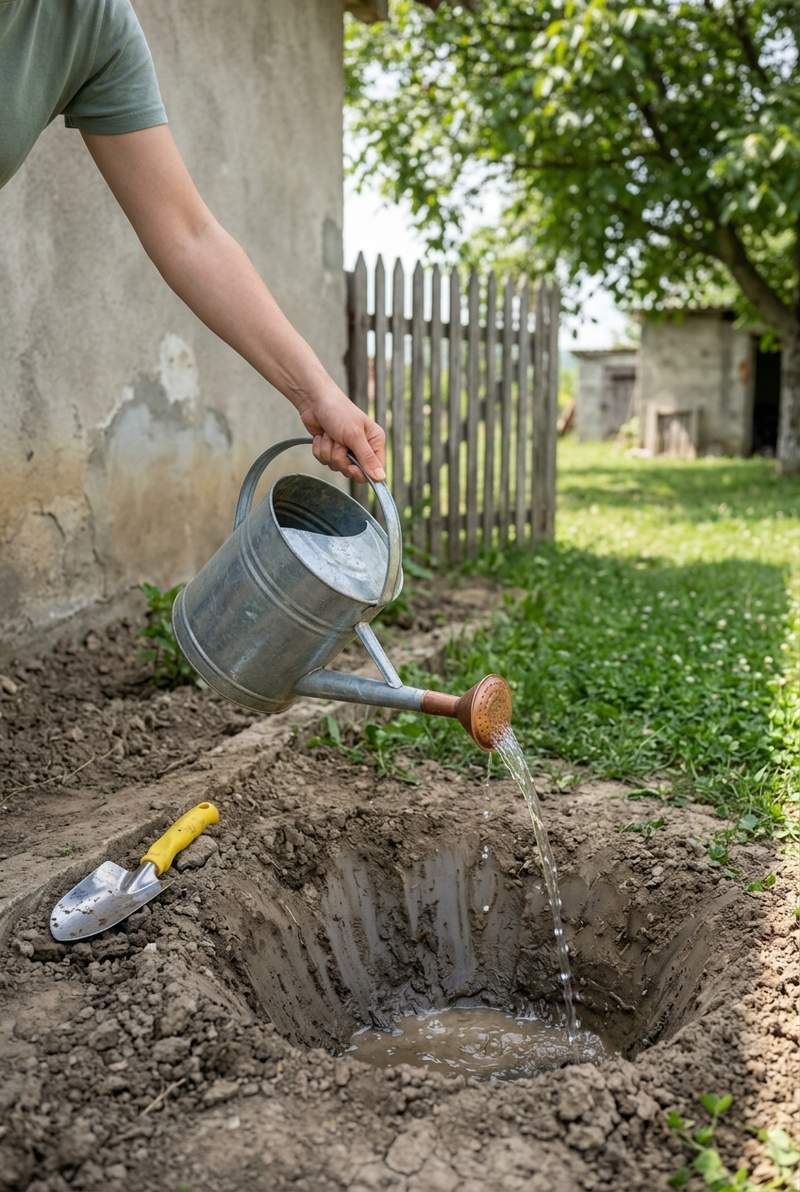
Before anything else (variety, sun, pruning, mulch), if your lavender is sitting in soil that holds water, the plant is on borrowed time.
Lavender comes from rocky Mediterranean hillsides. Thin soil, sharp drainage, and weeks between rainstorms. Roots that sit in damp ground for more than a few days at a time start to rot from a soil-borne pathogen called Phytophthora.
The plant doesn’t always show you it’s dying until it’s too late. USU Extension calls root rot the single biggest killer of lavender, and most home gardeners cause it themselves by being kind.
The fix is simple in a new bed. If you have heavy or clay-leaning soil, plant lavender on a raised mound 6 inches (15 cm) high, or in a raised bed, or on a slope where water flows away from the crown. Mix a generous amount of coarse sand or fine gravel into the planting hole.
If you’re using a container, drainage holes matter more than pot size. A small terracotta pot with three big holes and a layer of gravel at the bottom is better than a beautiful glazed pot with one tight drain.
Spot root rot early
Yellowing lower foliage with no obvious pest, soft black at the base of the woody stem, and a plant that wilts even after you water it (because the roots can’t take up water) are the signals. If you smell anything sour at the soil line, the rot is advanced. Pull the plant, throw it in the trash (not the compost), and replant somewhere with sharper drainage. Lavender does not bounce back from Phytophthora.
Pick the Variety That Matches Your Climate
Most lavender disappointment starts at the garden center. Pretty pot, no zone information on the tag, and the variety is the wrong one for where you live.
There are four lavender types you’ll actually find for sale, and they’re not interchangeable.
| Type | Zones | Best for | Notable picks |
|---|---|---|---|
| English (L. angustifolia) | 5-9 | Cold zones, dry summers, classic culinary fragrance | Hidcote, Munstead, Phenomenal* |
| Lavandin (L. x intermedia) | 5-9 | Humid climates, vigorous growth, long stems for drying | Grosso, Provence, Sensational |
| Spanish (L. stoechas) | 7-10 | Warm zones, ornamental “rabbit ear” bracts, long bloom window | Anouk, Otto Quast |
| French (L. dentata) | 8-11 | Mediterranean climates, fringed leaves, container use elsewhere | Goodwin Creek Grey |
*Phenomenal is technically a Lavandin but marketed as the toughest English-style lavender. It handles humidity better than most.
If you live anywhere with humid summers (most of the eastern US, the Southeast, the Gulf), don’t fight it with classic English types. Go straight to Phenomenal or Grosso. They were bred for vigor and shrug off the muggy heat that turns Hidcote into a sad gray pile by August.
In cold dry zones, English varieties are the gold standard. Munstead and Hidcote stay compact (12-18 inches / 30-45 cm), bloom reliably in early summer, and dry beautifully for sachets.
For a sunny front border with other full-sun flowers, lavender slots in beautifully next to coneflower, salvia, and yarrow. They all want the same conditions: hot, dry, ignored.
The Soil They Actually Want
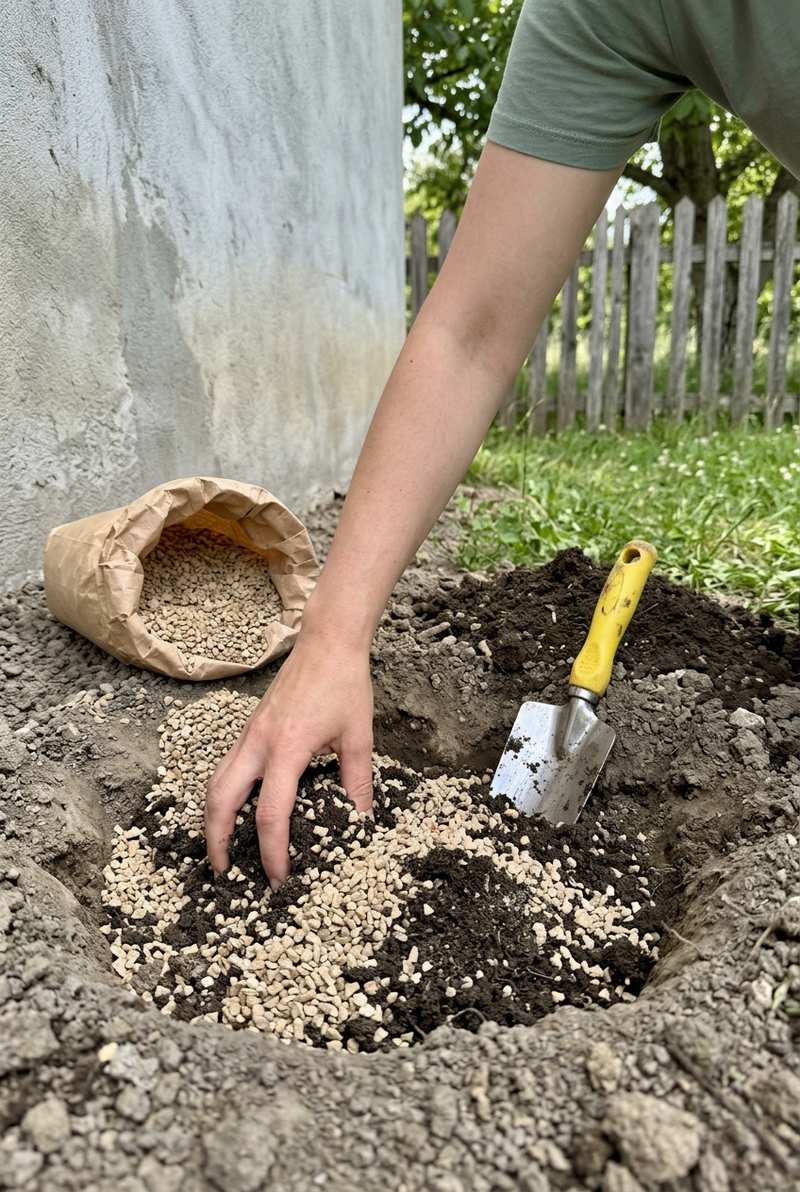
This is where most American gardeners trip up, including the version of me from year one.
Lavender wants lean, gritty, slightly alkaline soil. Soil pH between 6.5 and 7.5. Most US gardens trend neutral to acidic, especially in regions with lots of rainfall or pine trees.
A $10 soil pH test from the hardware store tells you where you stand in five minutes. If you’re below 6.5, sprinkle dolomitic lime around the planting area a few weeks before you plant. CSU Extension confirms it’s a real difference, not just folk wisdom.
Skip the compost. Skip the fertilizer.
I know that feels wrong if you’re used to feeding everything in the garden. But lavender grown in rich soil produces leafy, lush growth with fewer flowers and weaker fragrance. The plant essentially gets lazy.
If your soil is heavy clay, mix in coarse builder’s sand and small gravel at the planting hole until the texture feels like a beach with crumbs of dirt mixed in. That’s the ideal lavender bed. If you’re already growing a drought-tolerant flower bed, lavender drops right in alongside the other low-water picks.
Gravel, Not Bark
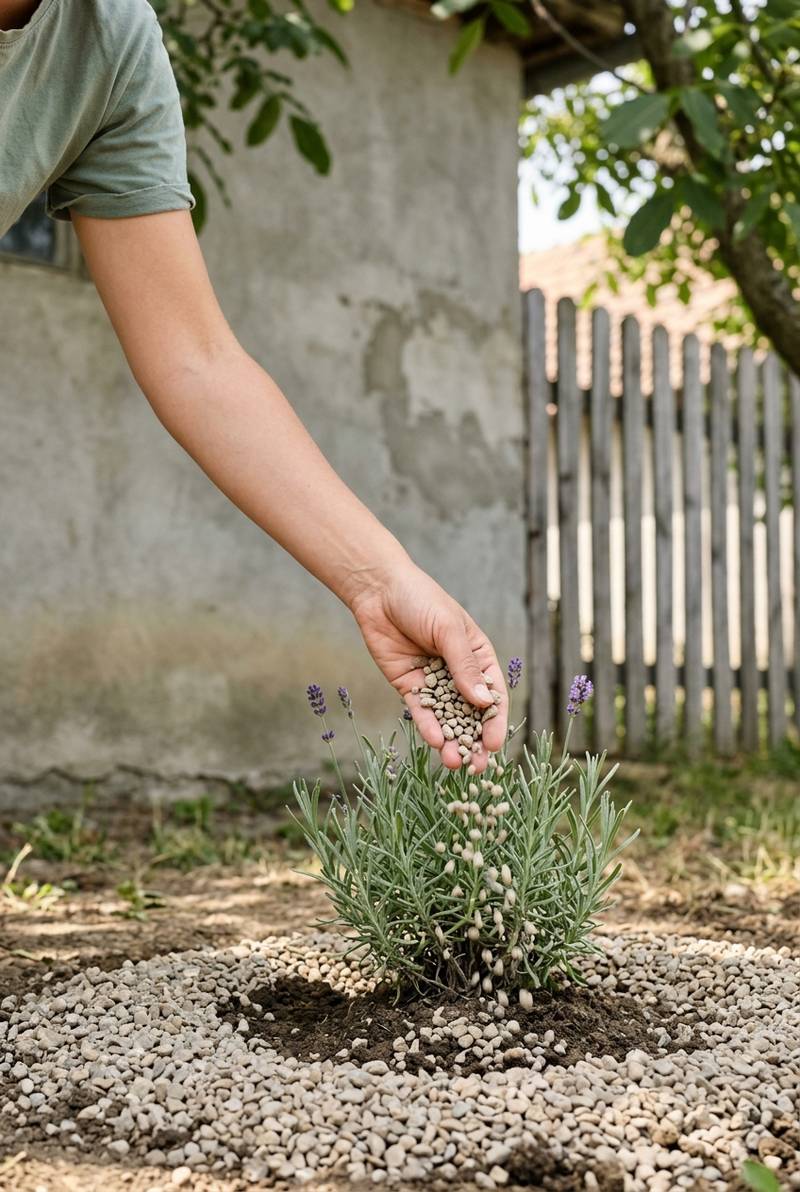
If I could go back and tell first-year-me one thing, it would be this. Skip the bark.
Bark mulch is great around hydrangeas, hostas, and most perennials. Around lavender it’s a slow killer.
Bark holds moisture against the woody base of the plant. It encourages fungal growth at the crown. WSU’s mulch guide notes that bark contains a waxy substance called suberin that can actually slow drainage at the soil surface. None of that is what lavender wants.
Pea gravel, horticultural grit, or small crushed stone is what you want instead. A 1 to 2 inch (2.5-5 cm) layer, kept about 2 inches (5 cm) clear of the woody base so the crown can breathe.
The gravel does three things at once. It reflects sunlight up into the lower foliage, dries out the soil surface fast after rain, and suppresses weeds without holding moisture against the plant.
Tip
A 5-gallon bag of pea gravel from a hardware store is around $5 and covers about three average lavender plants. That’s the cheapest fix in this entire article and it’s the single biggest change between a lavender that thrives and one that quietly rots. Apply at planting time and refresh every couple of years as it sinks in.
Water Like You’re Trying to Forget About It
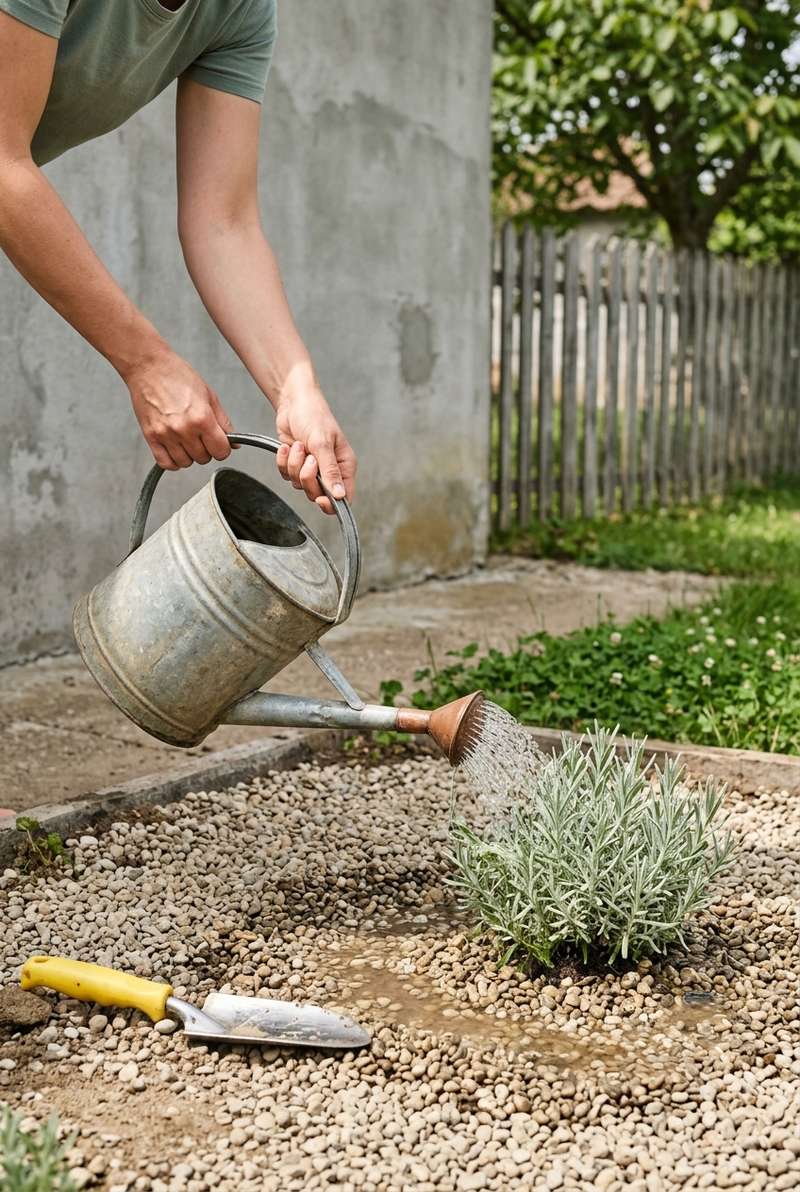
The first year a lavender plant is in the ground, it still needs help getting its roots established. Water deeply once a week, about a gallon per plant, and only if the soil is dry an inch down.
That changes by the second year.
Established lavender wants water every two weeks at most, and less than that during the bloom and right after. The plant is most productive when it’s a little thirsty.
I water mine when the leaves start to look slightly silvery and the plant looks like it’s holding its shoulders up. Then a deep soak. Then I leave it alone again.
Skip overhead watering. Wet foliage in humid air is the perfect setup for fungal disease, especially in summer. Water at the soil line and let the rest of the plant stay dry.
In winter, do nothing. Don’t water. Don’t fuss with the crown. Just leave it.
The Haircut, Not the Chop
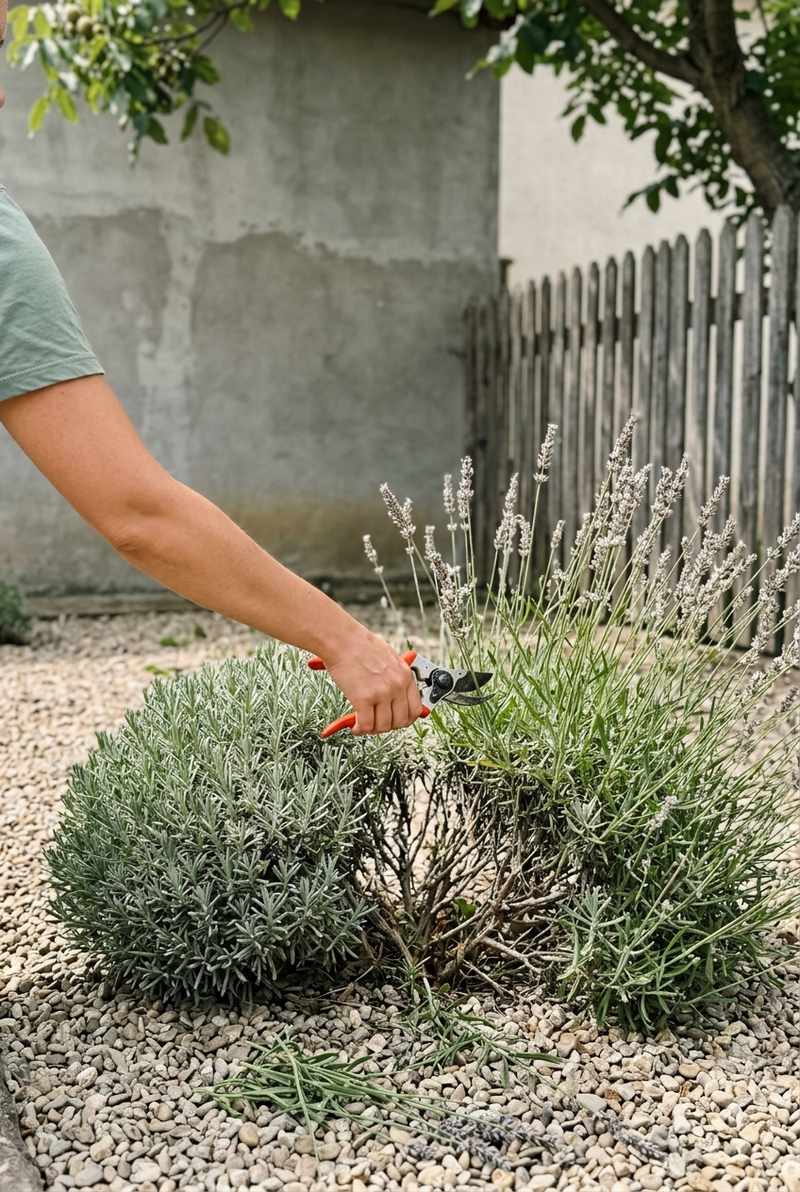
Lavender needs pruning every year, but only in a specific way. Get it wrong and the plant either turns woody and leggy or refuses to come back at all.
The rule is simple and absolute. Never cut into the old woody brown stems at the base. Lavender doesn’t sprout new growth from old wood. If you chop into the brown base, that branch is gone.
Always prune above the green growth. Take off about one-third of the soft, fresh top growth in late summer right after the main bloom is finished.
The shape you’re going for is a tight little dome. Like a small green sheep crouched in the bed.
I prune mine in mid to late August, after the bees have had their fill of the blooms. By the time fall arrives, the new growth has hardened off enough to handle frost, but the plant has had time to push fresh shoots that protect the crown.
If you have an old woody lavender that’s already a tangled mess of bare stems, the honest answer is to start over. Pull it. Plant a fresh one. Lavender that’s gone fully woody at the base doesn’t come back from a hard cut.
The Bees Will Thank You
One last reason to grow it, beyond the fragrance and the look and the dried bundles.
A flowering lavender plant in full bloom is one of the most-visited pollinator plants in any garden I’ve grown. Bumblebees, mason bees, honeybees, occasional butterflies, the rare hummingbird in late afternoon. There’s almost always something on it.
And the lean-soil rule has a beautiful side effect for fragrance.
Did you know
The strongest essential oil yield in lavender comes from plants grown in poor, dry, rocky soil under stress. That’s why traditional Provence lavender farms plant on south-facing hillsides with thin soil and minimal irrigation. The plant compensates for hard conditions by producing more aromatic oil in its leaves and flowers. Pampered lavender smells faint. Stressed lavender smells like Provence.
If you’ve ever wondered why your garden lavender doesn’t smell as strong as the kind you bought at a farmers’ market or a French shop, that’s usually the reason. They’re not growing a different plant. They’re growing it harder.
The Plant That Wants You to Leave It Alone
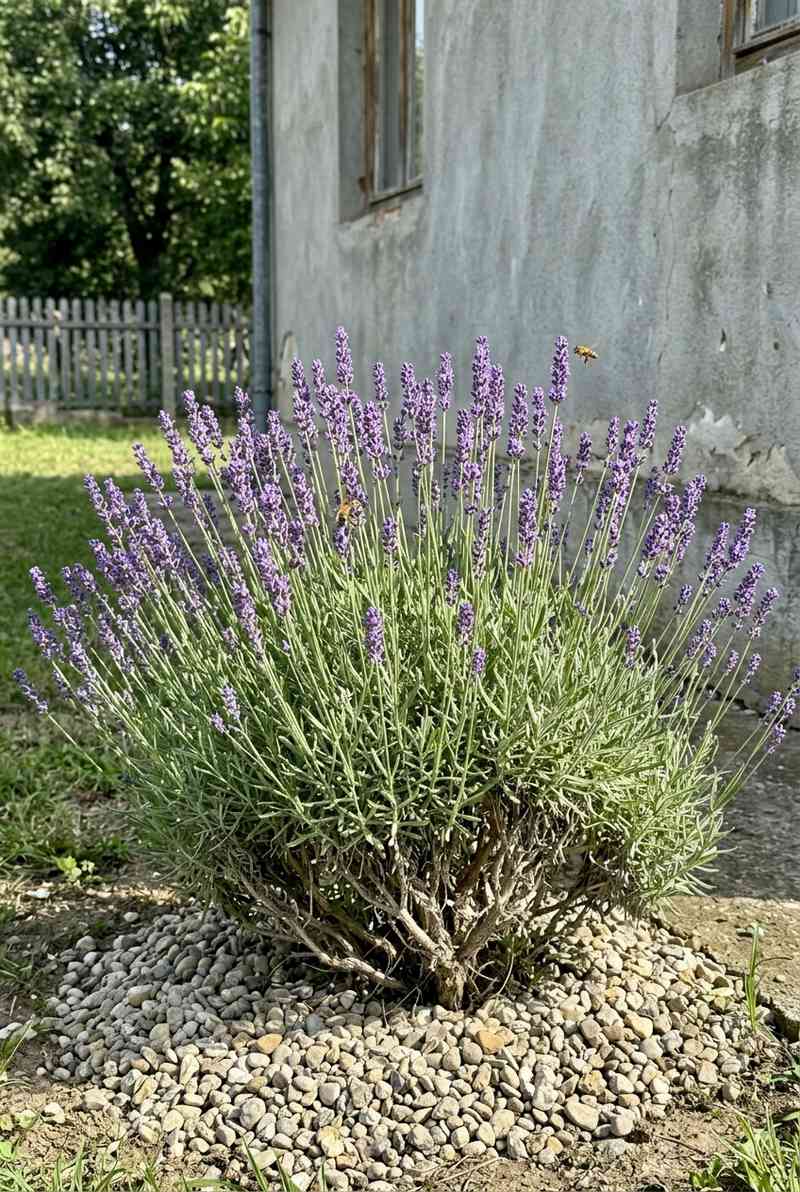
The first lavender I killed was the one I was nicest to. The one on its sixth summer is the one I’ve given the least.
Plant it lean. Mulch it with gravel. Water it like you’re trying to forget about it. Cut it back gently every August. The plant does the rest.
It’s the easiest demanding plant I grow.