13 Plant-and-Forget Shrubs That Thrive on Neglect

- Low maintenance
- Busy gardeners
- Deer resistance noted
- Zones 2-9
There’s a shrub in my side yard I haven’t touched in three years. No pruning, no feeding, no watering past its first summer… and it looks better than the plants I fuss over weekly.
That’s the standard for this list. Every shrub below earns its spot by needing almost nothing after year one.
And because “low maintenance” gets slapped on plants that absolutely aren’t, I’m also naming the fakers.
Quick Summary
- 13 shrubs that genuinely survive on neglect after their first year
- Every entry lists zones, mature size, deer resistance, and exactly how often you’ll prune
- A “fakers” table of shrubs marketed as easy that secretly aren’t
- Mix of evergreen (year-round structure) and deciduous (flowers and fall color)
- Best starter pick: Ninebark. Hardy to zone 2, native, and close to impossible to kill.
First, the Fakers
Garden centers label almost everything “easy care.” Forum threads full of frustrated gardeners tell a different story.
| Marketed as easy | The reality |
|---|---|
| Bigleaf hydrangea | Wants consistent water, afternoon shade, the right soil pH for blue color, and blooms vanish if you prune at the wrong time |
| Boxwood | Boxwood blight is incurable and its spores survive in soil for years |
| Knock Out roses | Rose rosette virus infects even “bulletproof” varieties, kills within two years, and has no cure |
| Butterfly bush | Officially invasive in several states; seeds stay viable in soil for years after removal |
I learned the hydrangea lesson personally. Killed one, then watched its replacement sulk for two summers before I moved it (the pot went straight to the shed in mild disgrace).
None of the 13 below have those traps. On to the keepers.
1. Ninebark
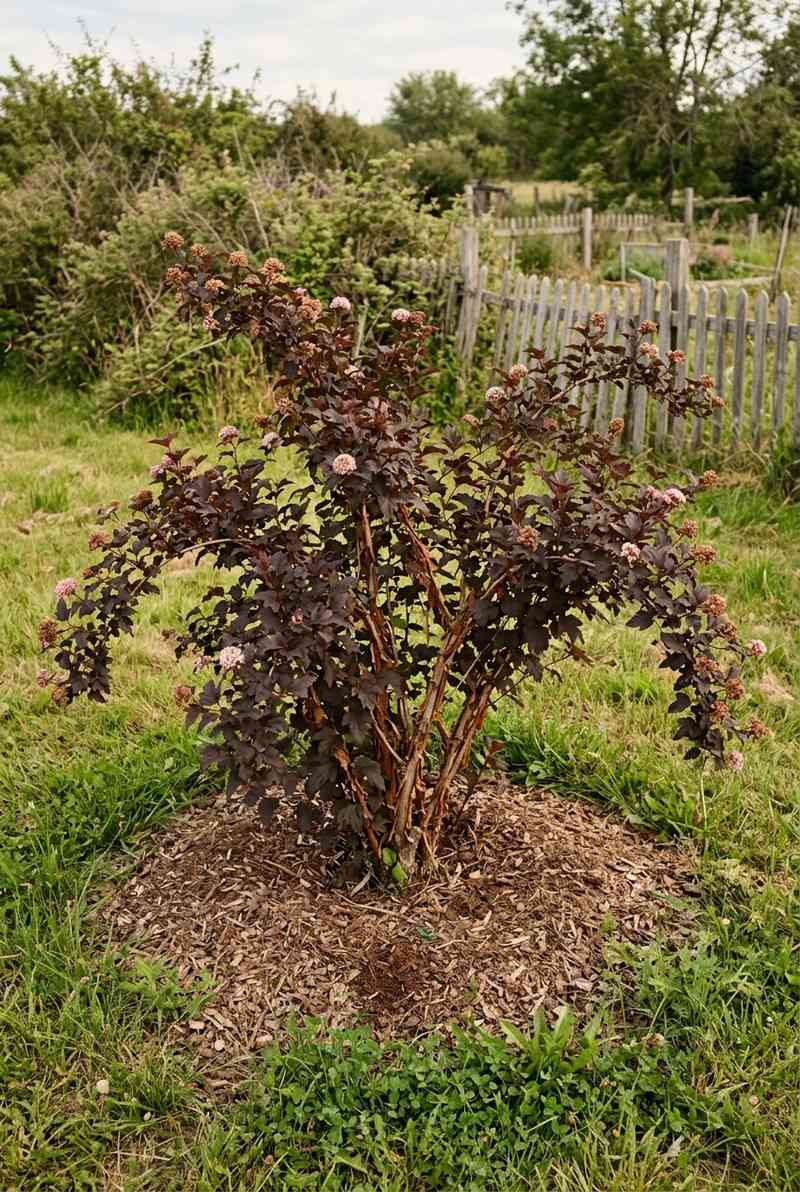
Hardy to zone 2. Let that sink in… this plant shrugs off winters that kill almost everything else in the catalog.
You get peeling cinnamon bark, white flower clusters in late spring, and dark-leaf varieties like ‘Diabolo’ that look expensive without acting like it. This is my top pick of the whole list.
2. Panicle Hydrangea
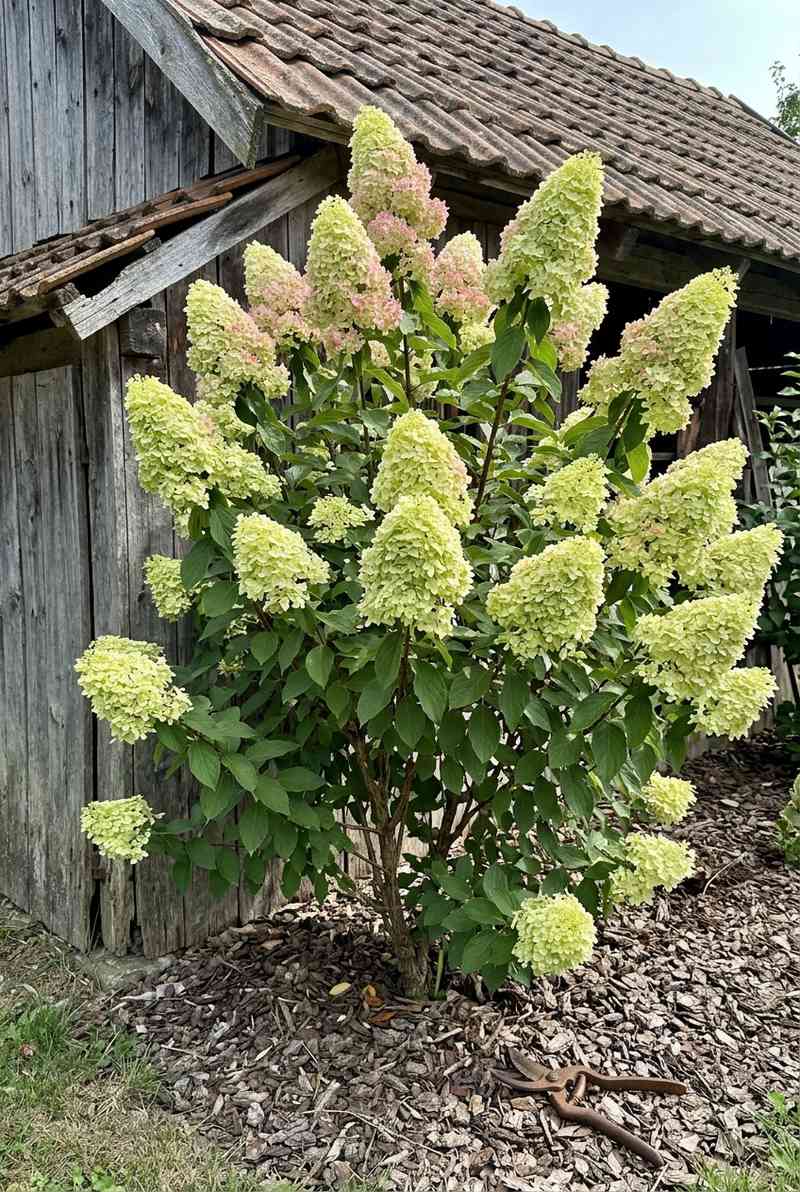
Wait, didn’t I just put hydrangeas in the fakers table? Only the bigleaf kind.
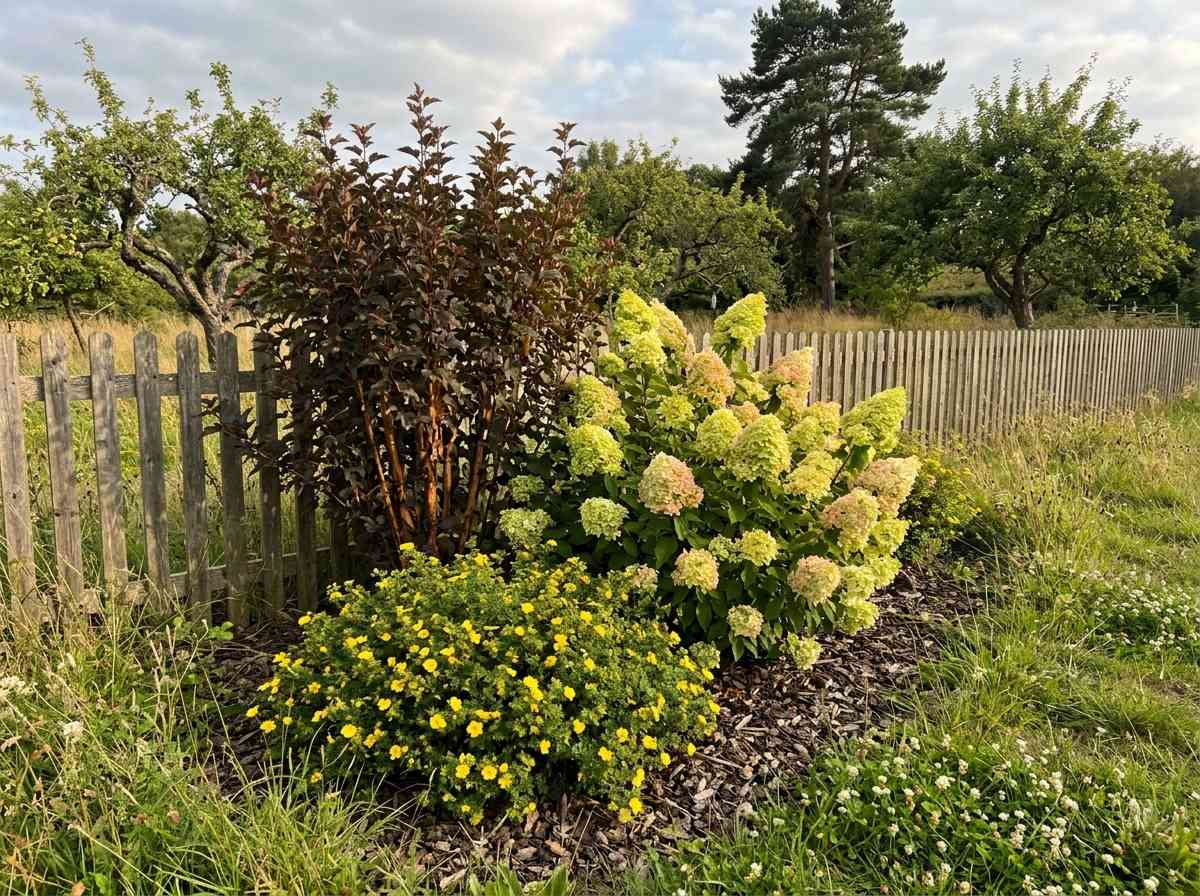
Panicle types like ‘Limelight’ are a different animal. They bloom on new wood, which means you can cut them back by a third in late winter and lose nothing. Full sun, average soil, cone-shaped blooms that age from lime to pink. The honest hydrangea.
3. Weigela
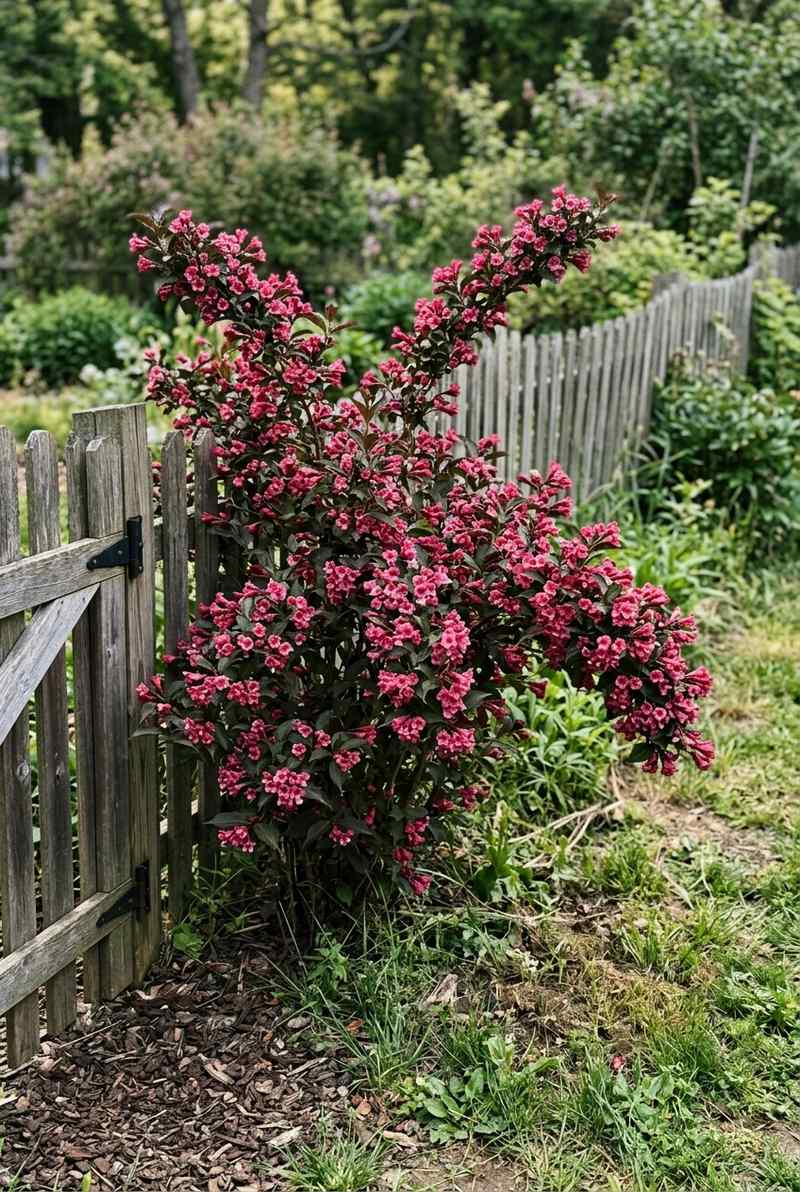
One of the most underused shrubs in American yards, and I don’t understand why.
Trumpet flowers in pink, red, or white that hummingbirds mob every May. Varieties like ‘Wine and Roses’ add dark burgundy foliage that holds all season. Plant it, water it the first summer, done.
4. Potentilla (Shrubby Cinquefoil)
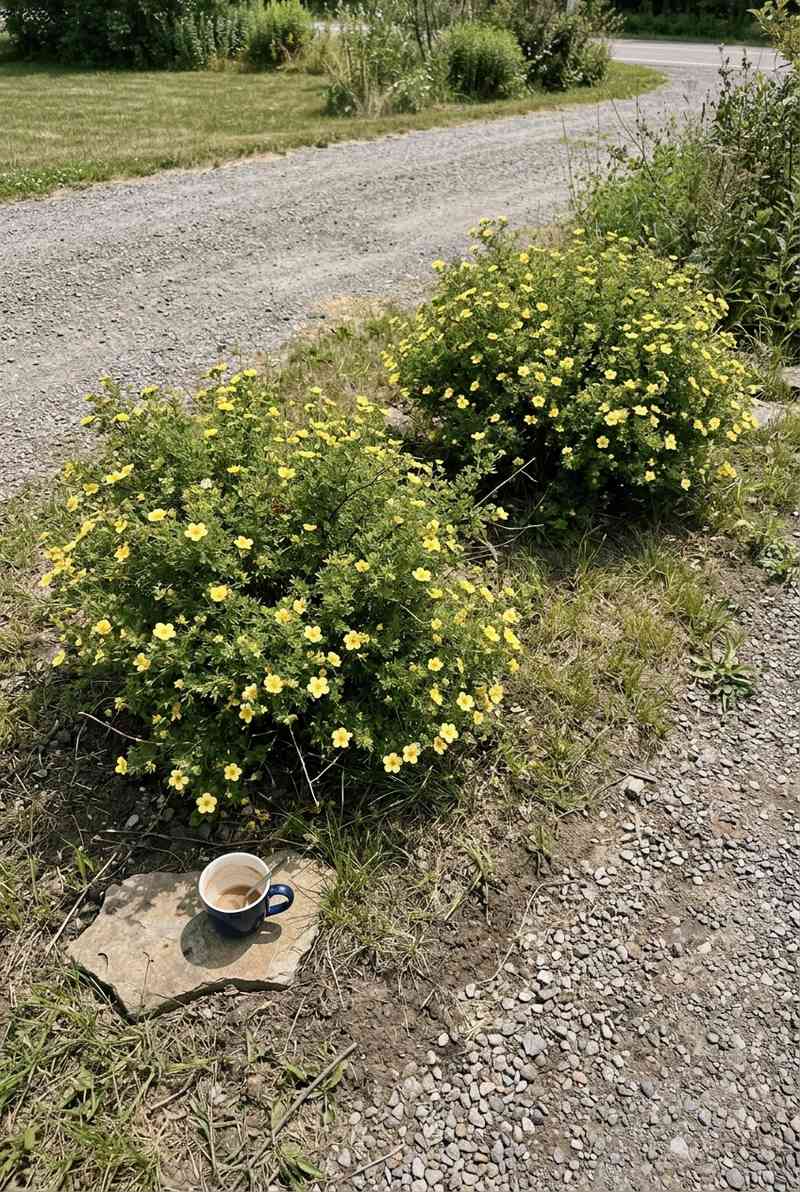
A tidy little mound that blooms nonstop from June to frost. Yellow is classic, but there are white, pink, and orange versions too.
Zone 2 hardy, deer-resistant, and small enough that it never outgrows its spot. For cold climates, this and ninebark are the two I’d hand anyone.
5. Oakleaf Hydrangea
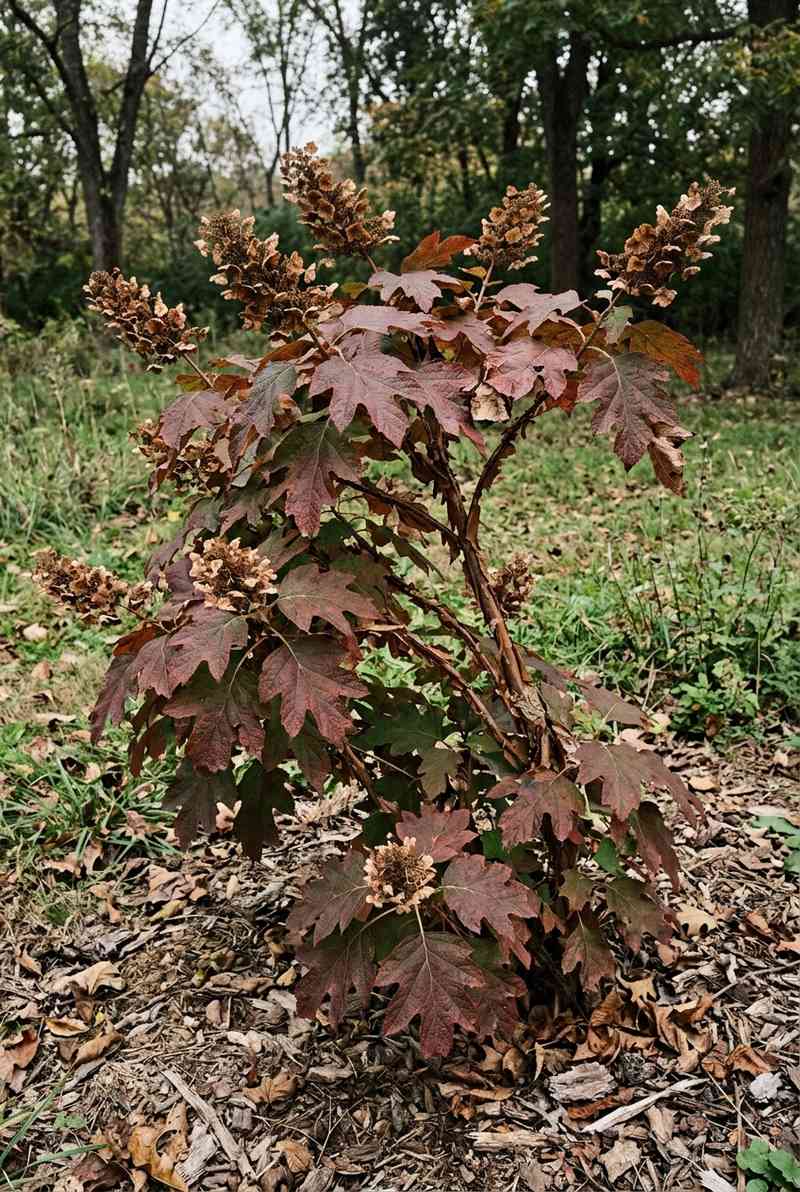
The native hydrangea with oak-shaped leaves that turn wine-red in fall, white summer cones, and peeling bark for winter. Four seasons from one plant.
One rule keeps it easy: it blooms on old wood, so if you prune in spring you’re cutting off that year’s flowers. Prune right after it blooms or, better, don’t prune at all.
6. Inkberry Holly
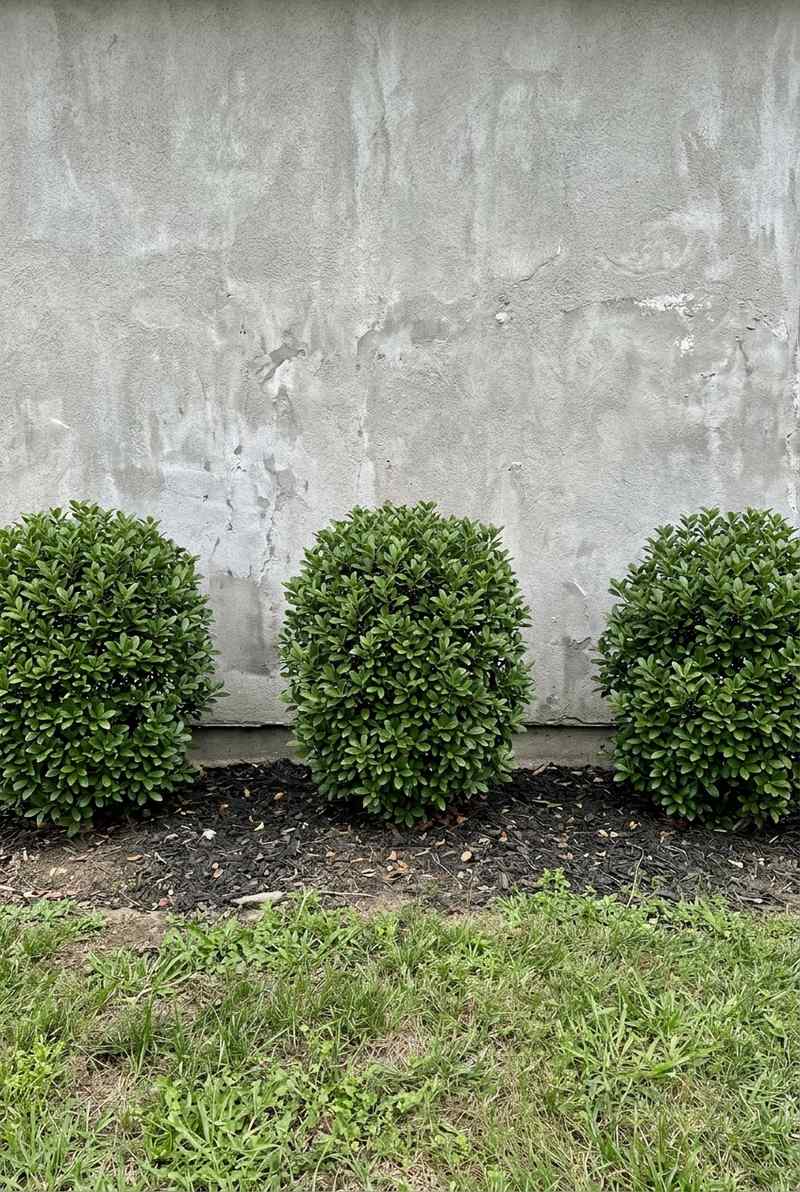
If boxwood blight has you nervous, this is the swap. Same neat evergreen look, native, and it handles both wet and dry soil, which almost nothing else on this list can claim.
Compact varieties like ‘Shamrock’ make a low hedge you’ll trim once a year. Maybe.
7. Fothergilla
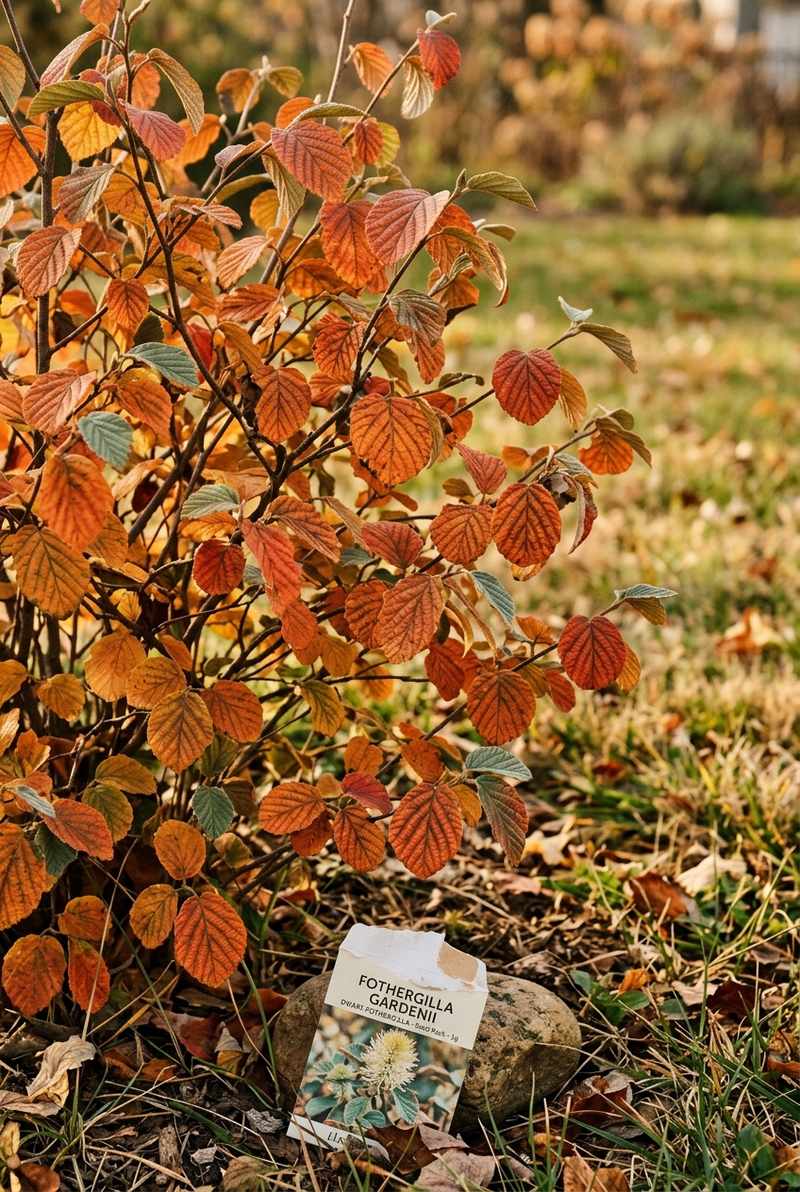
Honey-scented white bottlebrush flowers in spring, then the best fall color on this list: orange, red, and gold on the same bush at once.
It grows so slowly that pruning just isn’t part of the deal. Plant it where you can see it in October.
Save this to Pinterest8. Virginia Sweetspire
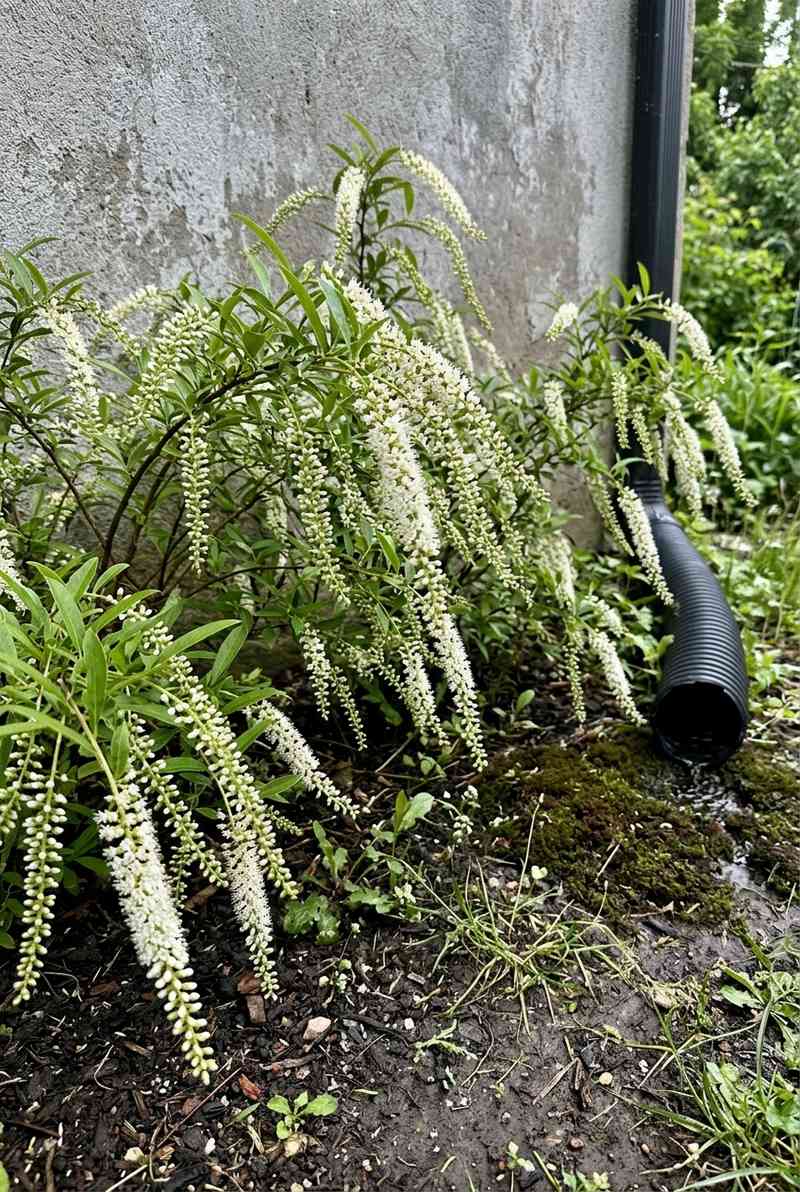
Arching white flower spires in early summer, garnet-red fall leaves that hang on into winter, and a real tolerance for damp spots where other shrubs rot.
Got a low corner that stays soggy after rain? This is your plant.
9. Arrowwood Viburnum
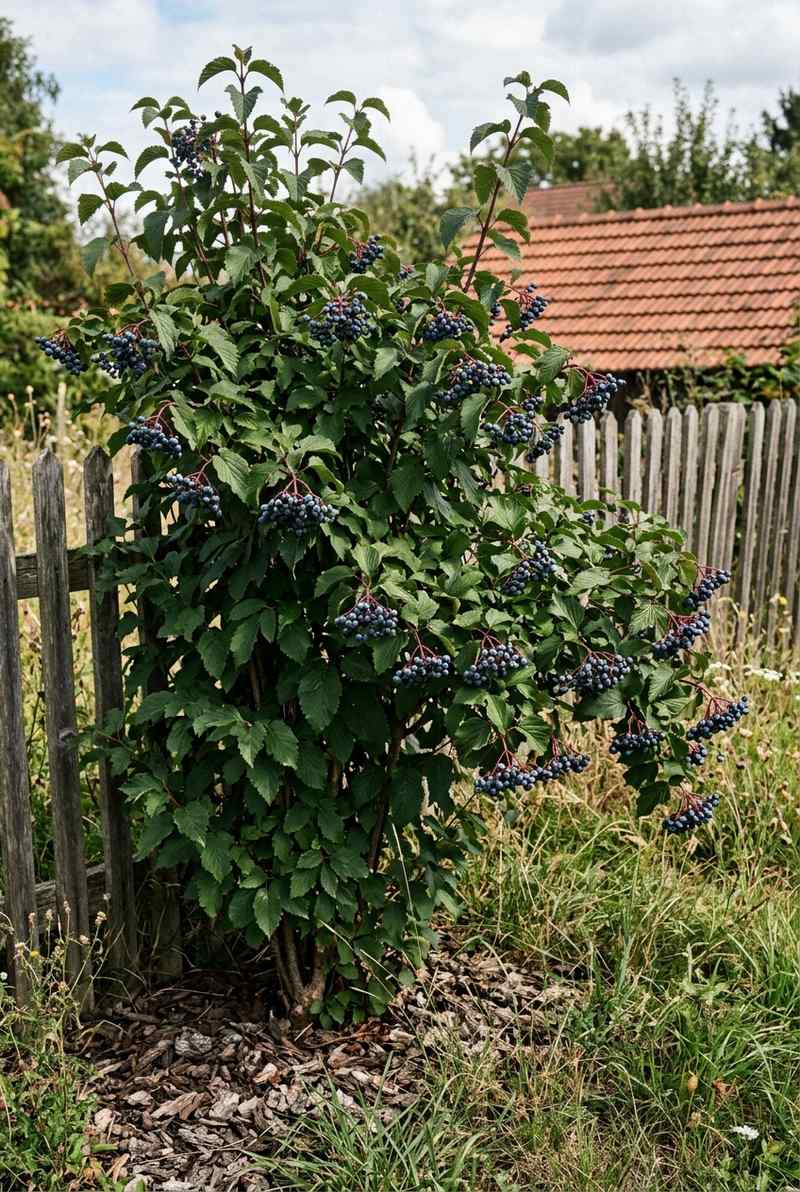
Yes, viburnum shows up on every list like this. It shows up because it works.
White spring flowers, blue-black berries that birds strip in weeks, and a dense screening habit that hides a fence line without any training. Adaptable to nearly any soil you’ve got.
10. Dwarf Korean Lilac
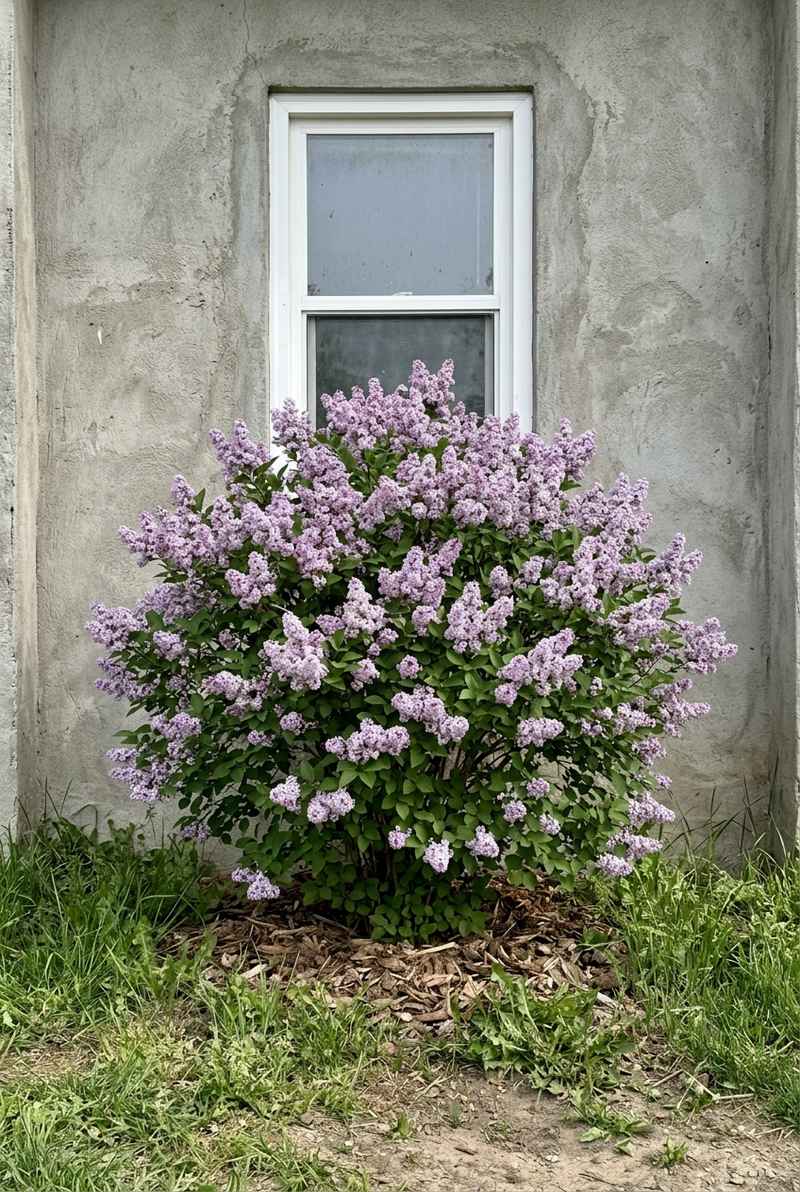
All the lilac fragrance, none of the 12-foot sprawl or mildew drama of the old-fashioned kind.
It stays tidy on its own and perfumes half the yard for two weeks every May. I’d plant it by a window you actually open.
11. Red Twig Dogwood
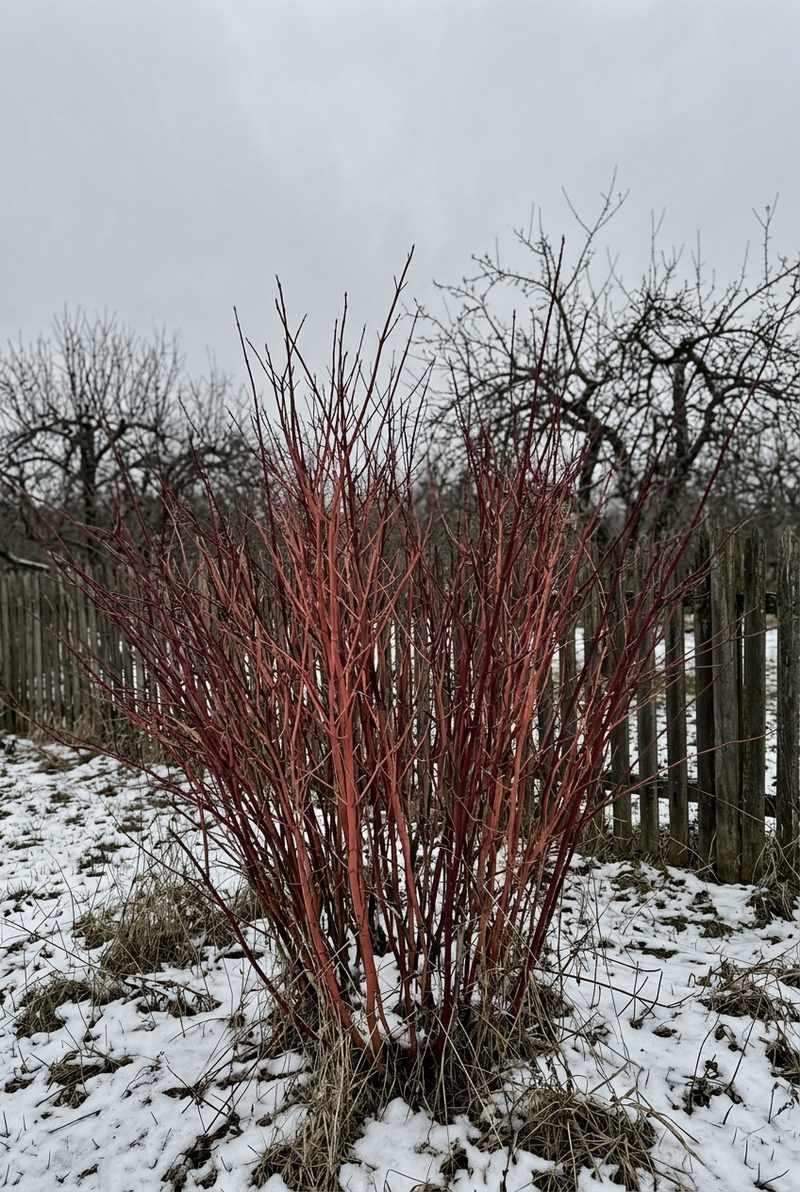
The only shrub here you plant for winter. The bare stems glow coral-red against snow, and honestly that view is worth the other three seasons of plain green.
Its one chore is the spring stem cut, because the youngest stems carry the brightest color. Five minutes with loppers, once a year.
12. Creeping Juniper
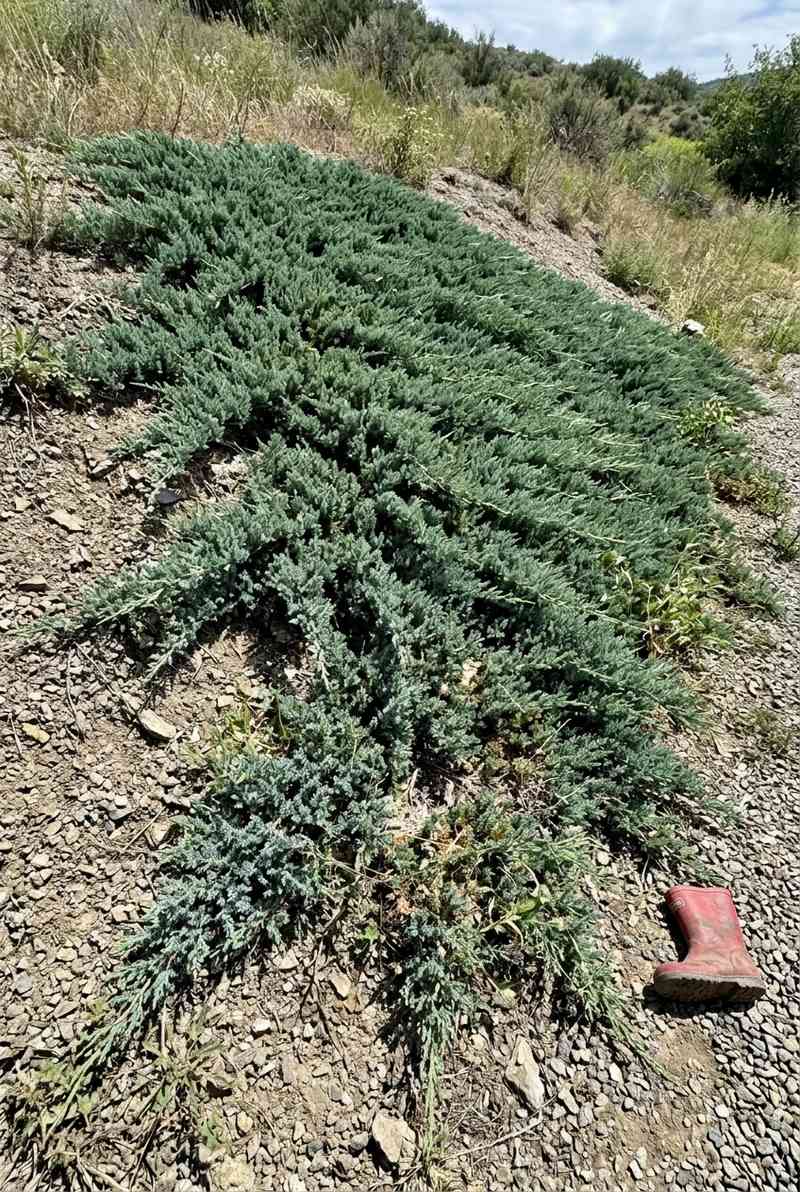
Not a classic shrub shape, but nothing beats it on a hot, dry slope where you’re tired of fighting weeds and erosion.
It carpets the ground, stays green all winter, and never asks for anything. Pairs well with the tough bloomers from my drought-tolerant flowers list on the same dry ground.
13. Aronia (Black Chokeberry)
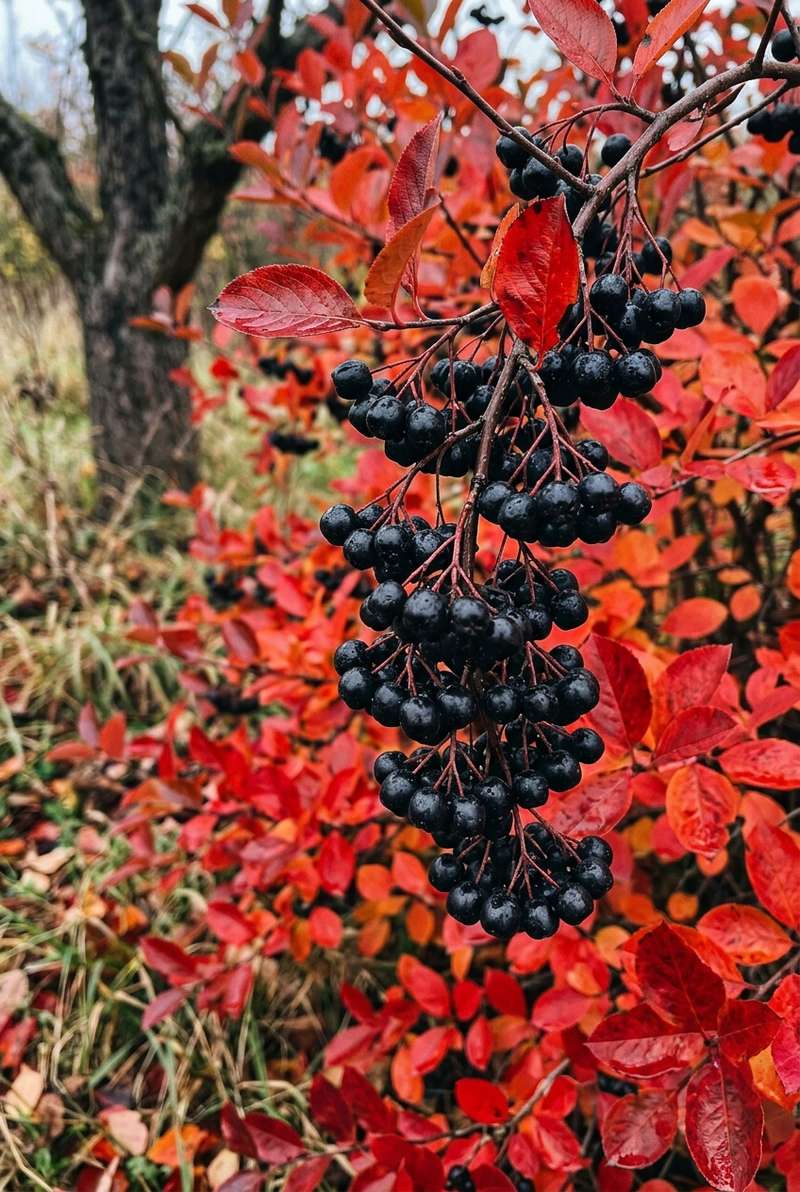
White spring flowers, glossy black berries, and scarlet fall foliage on a native shrub nobody plants. Their loss.
The berries are edible but mouth-puckeringly tart fresh. My toddler tried exactly one and made a face I wish I’d filmed. They’re much better left for the birds, or cooked into jam if you’re ambitious.
The One Job You Can’t Skip
Every “unkillable shrub disaster” I’ve seen came from the same mistake, and it happens at planting, not after.
Read the mature size on the tag and believe it. That cute 1-gallon pot can hide a plant that wants to be 8 feet (2.4 m) wide.
Keep medium shrubs at least 3 feet (90 cm) off the foundation, and large ones 6-8 feet (1.8-2.4 m). Shrubs pressed against siding trap moisture against your house, and you end up shearing them into sad cubes forever.
Space them right and the “maintenance” in low maintenance mostly disappears. If you’re also planning trees for the same beds, my small flowering trees guide uses the same logic.
Tip
Fall is a great time to plant most of these. Get them in the ground 6-8 weeks before your first frost and water weekly until the ground freezes. The roots keep establishing all winter, and an October-planted shrub often outgrows a spring-planted one by its second summer.
Shrub Questions, Answered Honestly
Why did my shrub stop flowering after I pruned it?
You probably pruned an old-wood bloomer (oakleaf hydrangea, lilac, weigela) in spring and removed buds set the previous summer. Prune those right after they flower, or not at all. Illinois Extension has a good breakdown of old wood versus new wood.
Do these need fertilizer?
No. A layer of mulch or compost each year covers it. Fertilizing tough shrubs mostly buys you extra pruning.
What about Knock Out roses? Everyone says they’re easy.
They were, until rose rosette disease spread. It’s an incurable virus carried by tiny mites, it infects even resistant varieties, and infected plants have to be dug out and destroyed. Maryland Extension explains it here. I love roses, but they don’t belong on a neglect list anymore.
How much water in the first year?
A deep soak once a week through the first growing season, more in a heat wave. After that, rain handles it except in real drought.
Three Years, Zero Regrets
That untouched shrub in my side yard is the ninebark, by the way. Still the best gardening decision I’ve made by doing nothing.
Pick two or three from this list, give them room, and let them get on with it.