13 Spring-Blooming Perennials to Plant This Fall
- Fall planting
- Spring blooms
- True perennials, no bulbs
- Zones 3-9
I planted a box of bare-root peonies one October, mostly because they were half price. By May, I understood why gardeners plan their springs in the fall.
These 13 perennials all go in the ground now, root quietly through winter, and bloom while your neighbors are still shopping for seedlings. Ordered by bloom time, earliest first.
All true perennials… no bulbs padding the list.
Quick Summary
- 13 true spring-blooming perennials, ordered by when they flower (earliest first)
- Plant everything at least 6 weeks before your ground freezes
- Roots keep growing in fall soil, so “dormant season” planting is actually active root-building
- Deer resistance and toxicity flagged where it matters
- Best starter pick: Hellebore. Blooms before everything else, handles shade, deer won’t touch it.
The Bloom Sequence at a Glance
Most fall-planting lists throw plants at you in random order. I’ve arranged these by bloom time instead, so you can plant a sequence that hands off color from late winter straight into summer.
| Blooms | Plants |
|---|---|
| Late winter (yes, winter) | Hellebore |
| Early spring | Creeping phlox, lungwort, Virginia bluebells, basket-of-gold, primrose |
| Mid spring | Bleeding heart, brunnera, candytuft, bearded iris, columbine |
| Late spring | Peony, wild geranium |
One timing rule covers all of them: get everything planted at least 6 weeks before your ground freezes. University of Vermont Extension calls a month the bare minimum, and 6 weeks is the comfortable window. Their fall planting guidance is worth a read.
And here’s the part that convinced me fall planting isn’t a gamble: roots keep growing in soil as cold as 42°F (6°C), long after the top of the plant has shut down for the year.
1. Hellebore (Lenten Rose)
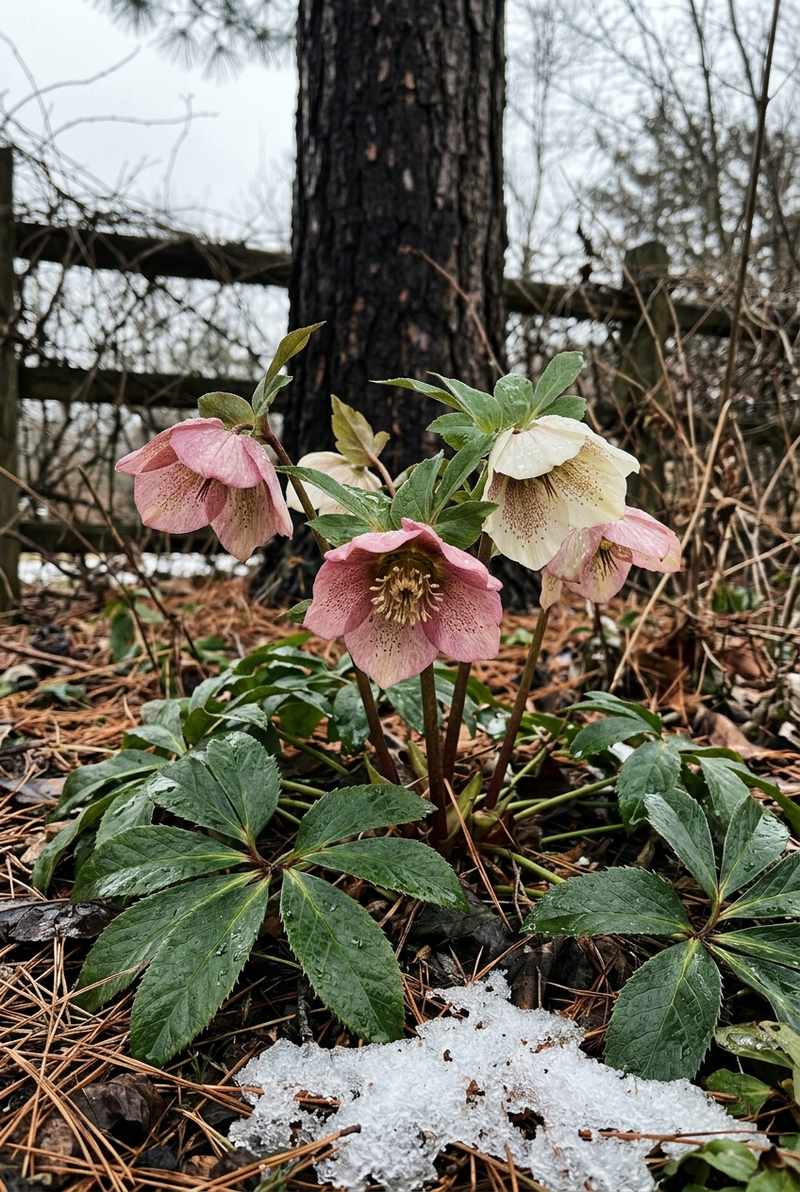
Technically, hellebores cheat. Clemson Extension lists their bloom window as late December through February, which means your “spring” garden starts while there’s still frost on the grass.
Mine bloomed through an actual snowfall their second year. I stood at the kitchen window feeling like I’d gotten away with something.
Every part of the plant is toxic, which sounds like a downside until you realize it’s why deer and rabbits leave it completely alone. This is the one I’d start with. Clemson’s fact sheet covers the details.
2. Creeping Phlox
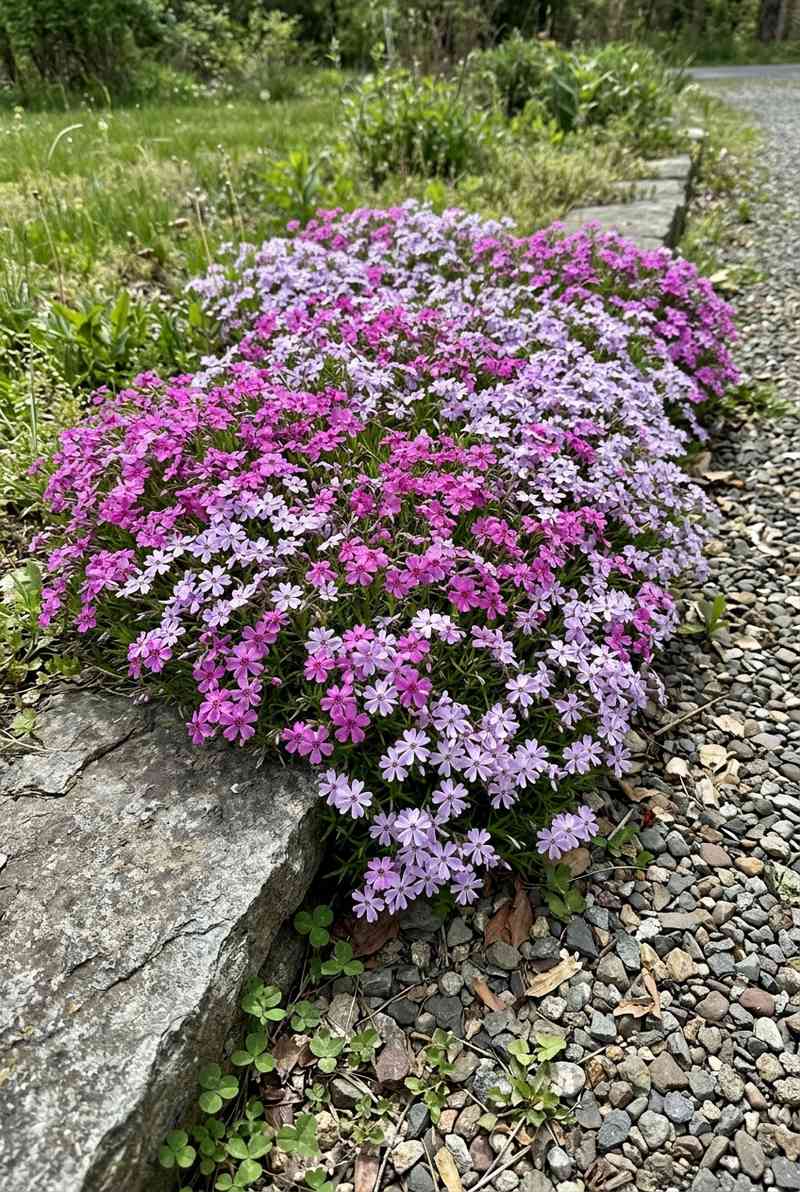
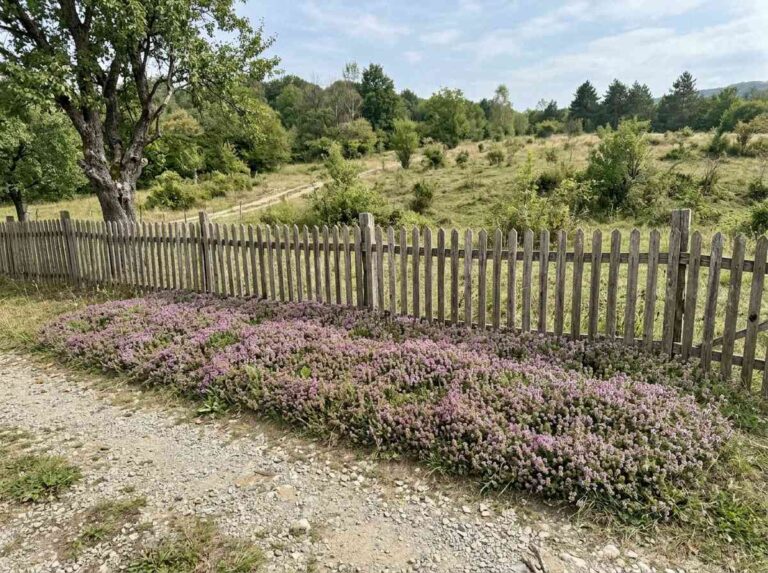
The pink and purple carpets you see spilling over retaining walls every April? This is that plant.
One caution for fall: buy potted plants, not bare roots. Bare-root phlox planted in autumn is prone to frost heaving, where freeze-thaw cycles literally push the shallow roots up out of the soil. Potted transplants with an established root ball settle in fine.
Once it’s growing, it shrugs off drought like the toughest plants in my drought-tolerant flowers list.
3. Lungwort (Pulmonaria)
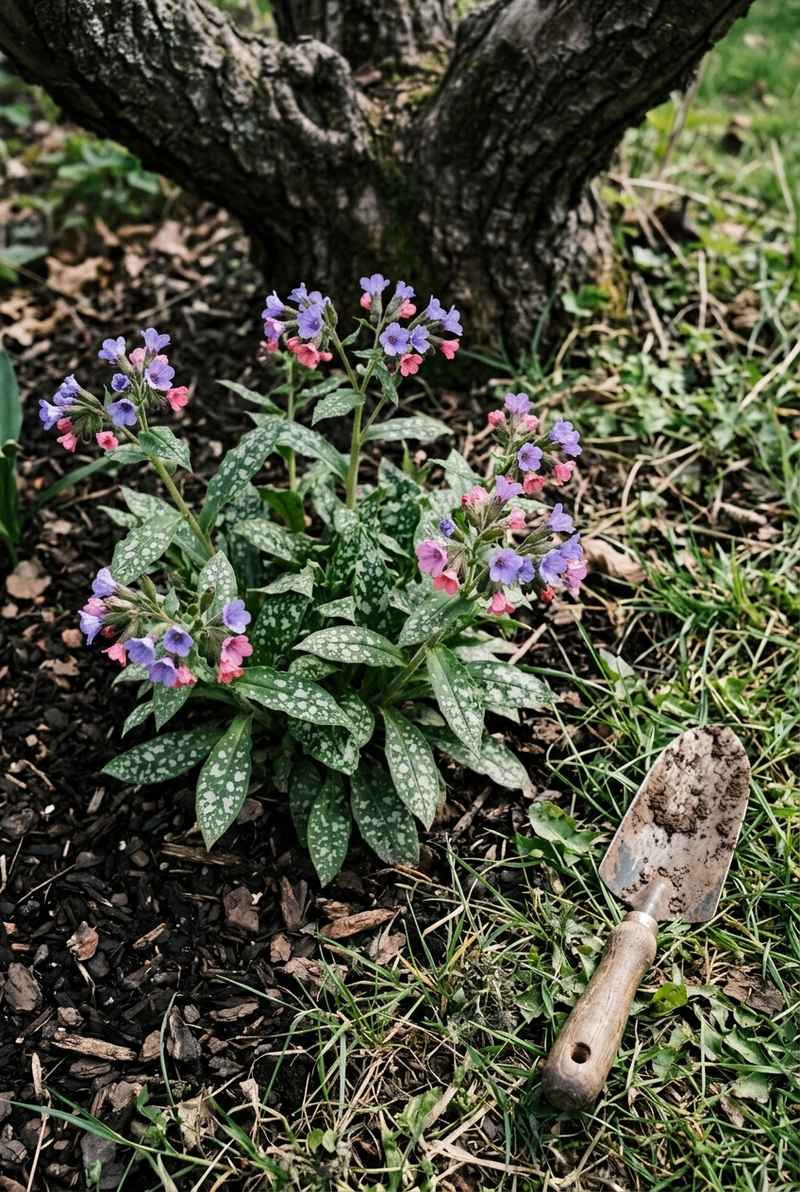
Terrible name. Wonderful plant.
The silver-spotted leaves look hand-painted, and the flowers do a trick I love: they open pink and age to blue, so one plant carries two colors at once. It’s one of the first things bees find in my garden every spring.
4. Virginia Bluebells
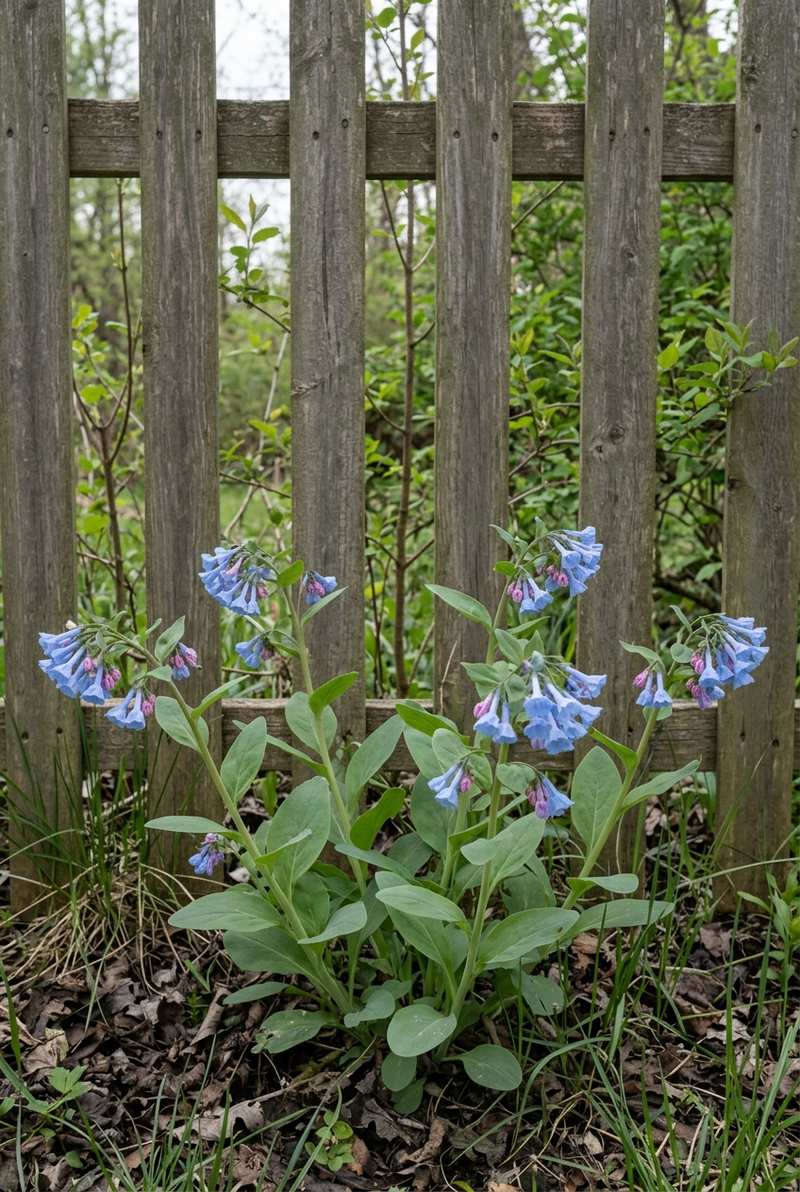
A native woodland plant with sky-blue trumpet flowers that look almost unreal in a shady corner.
Know this before you plant: it goes completely dormant by midsummer. The whole plant vanishes, leaves and all, and returns next spring. Plant it behind something that fills in later (I use wild geranium, number 13 on this list) so you’re not staring at a bare patch in July.
5. Basket-of-Gold
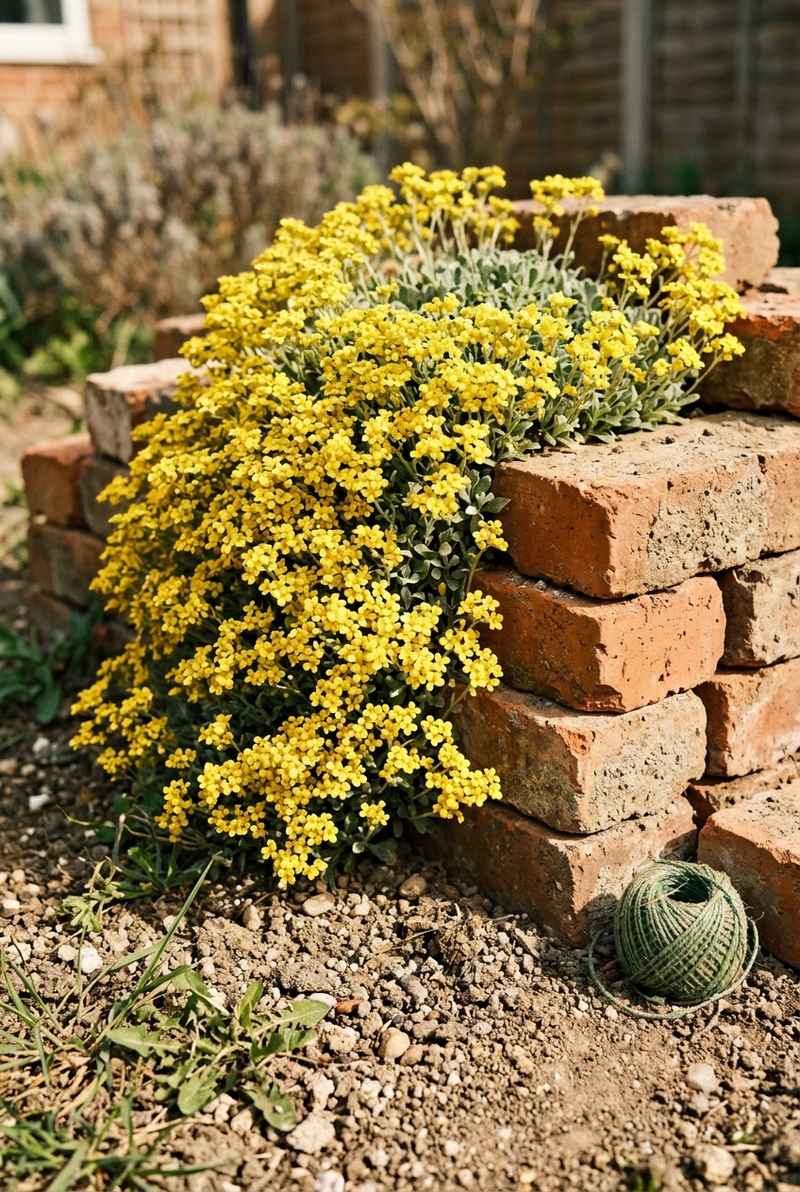
Imagine creeping phlox, but glowing yellow. It froths over rock edges and slopes in early spring and asks for almost nothing in return.
The one thing it won’t forgive is wet feet. It needs sharp drainage, so give it a slope, a wall, or gritty soil, and skip it entirely if your beds stay soggy.
6. Primrose
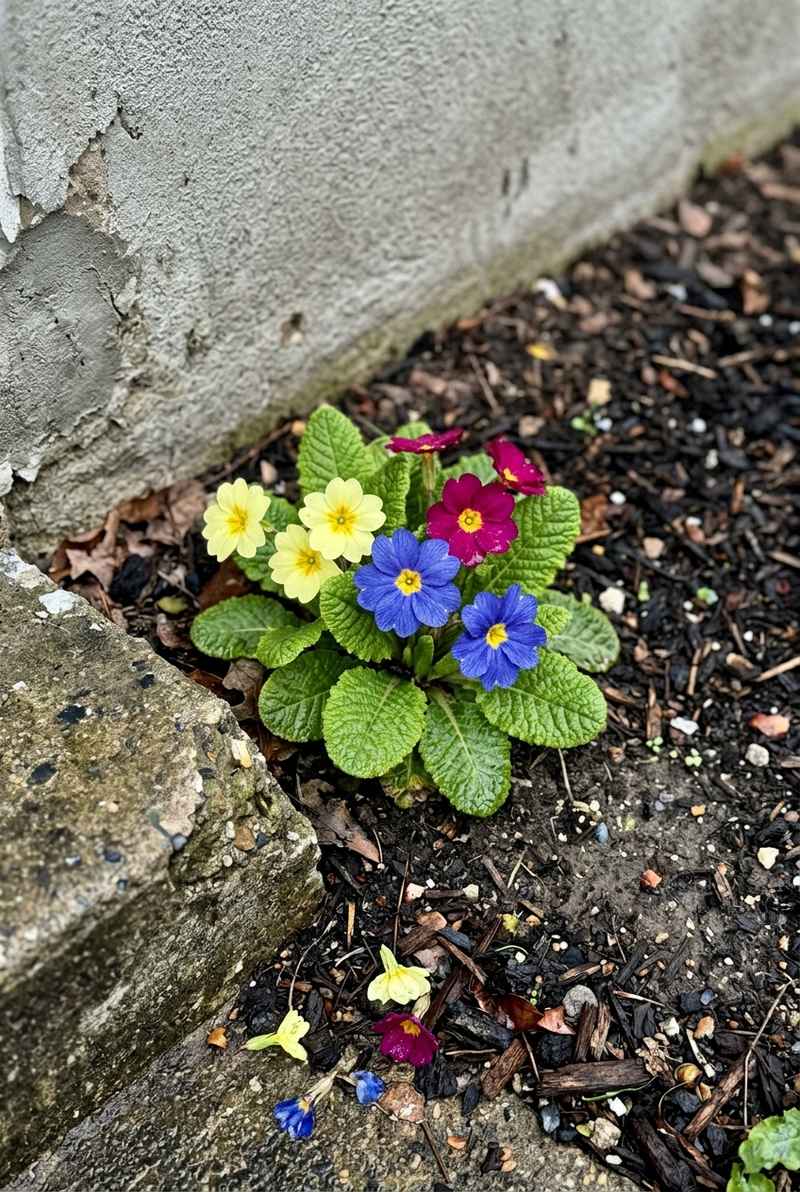
Primroses bloom in colors that look like someone spilled a candy box: butter yellow, magenta, cobalt with gold centers.
They want morning sun and afternoon shade, plus soil that never fully dries out. Give them that and they’ll quietly multiply into little colonies you can divide and spread around.
The first six carry late winter through April. The next five take over for May.
7. Bleeding Heart
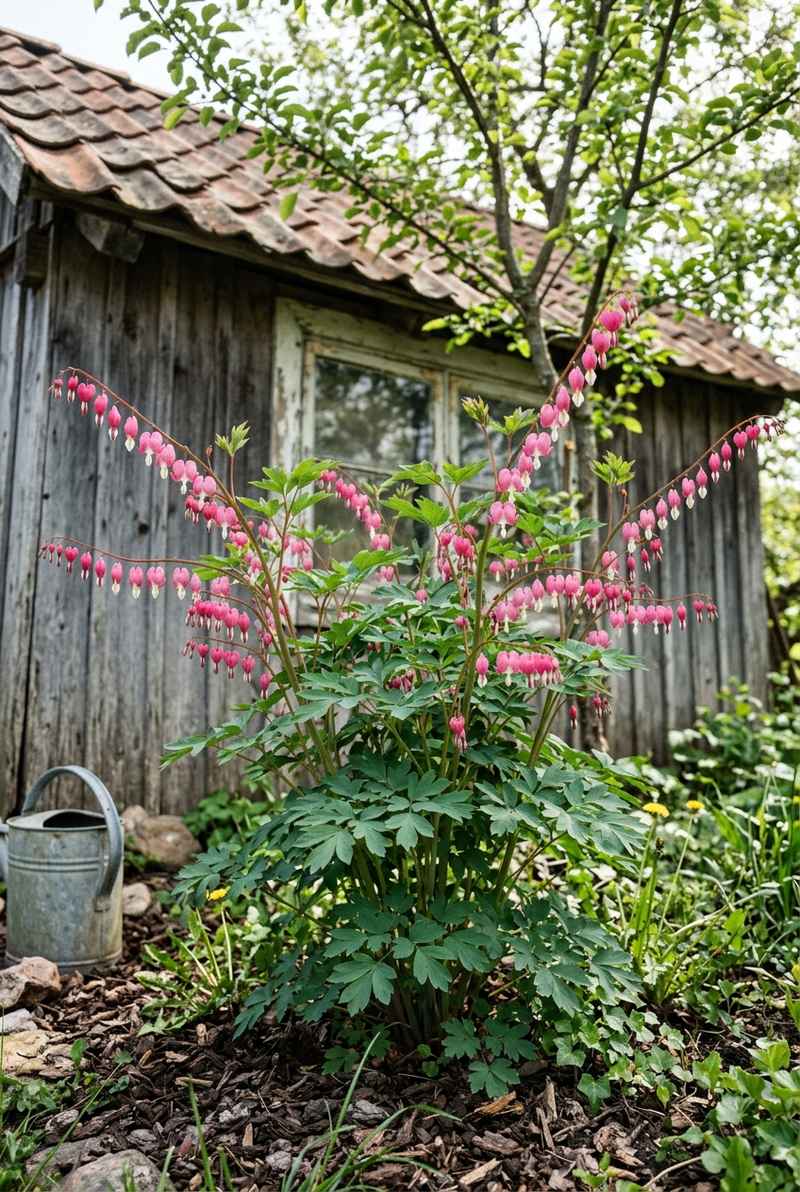
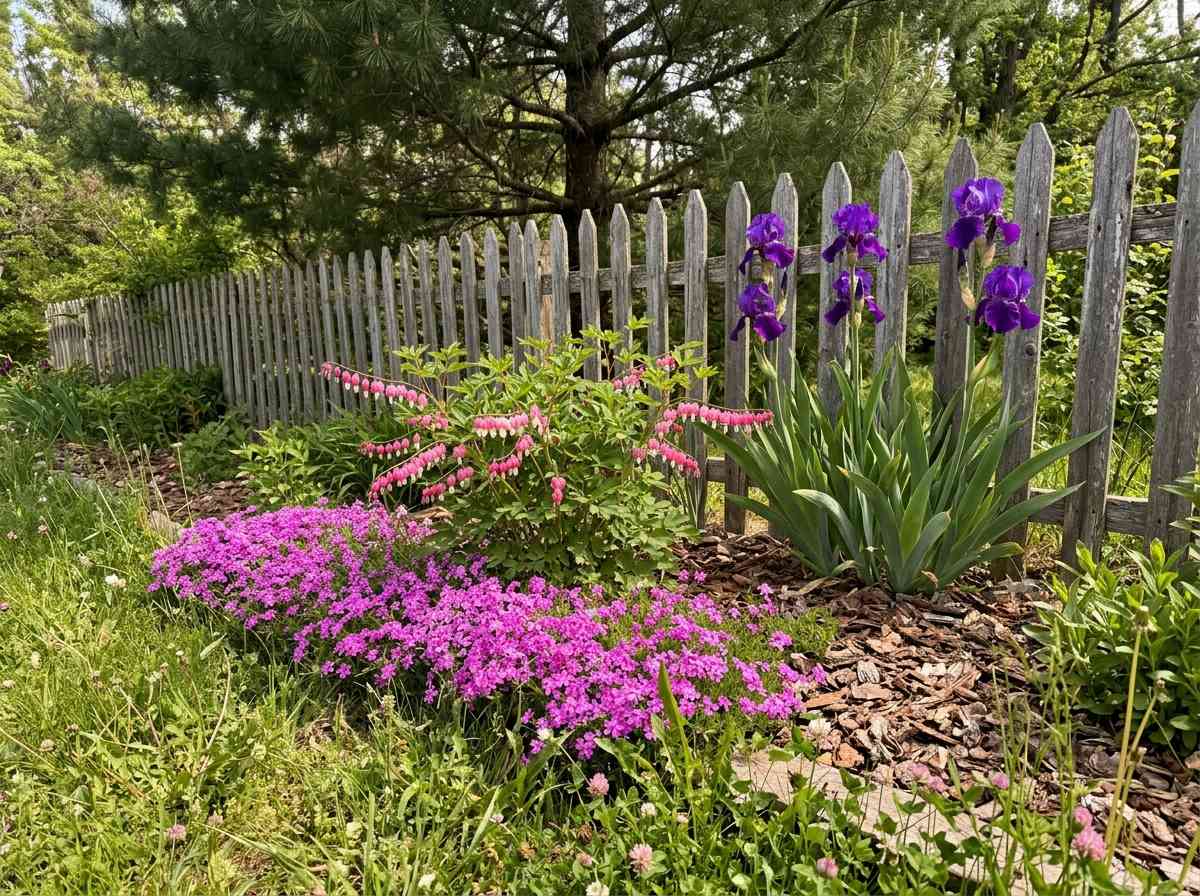
Rows of pink heart-shaped flowers dangling off arched stems. No other spring plant has a silhouette this recognizable.
My toddler calls them “the little necklaces,” which is honestly better than anything in a catalog.
Like bluebells, it fades back in summer heat, and it’s generally deer-resistant. It also earned a spot in my shade perennials list, because a plant this good deserves two mentions.
Save this to Pinterest8. Brunnera
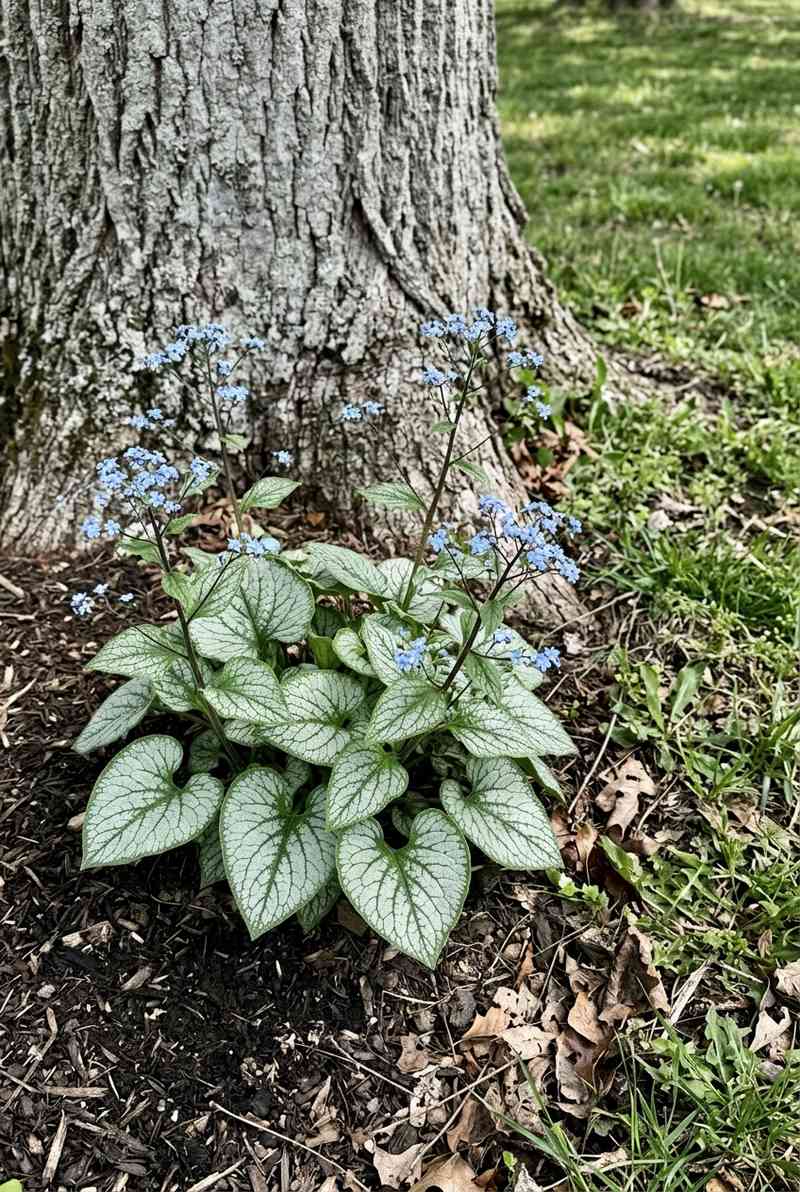
Sprays of tiny blue flowers that look exactly like forget-me-nots, floating over heart-shaped leaves. The variety ‘Jack Frost’ has silvered foliage that stays pretty long after the flowers finish.
Slugs mostly skip it. Deer too. For a shade plant, that’s a rare combination.
9. Candytuft
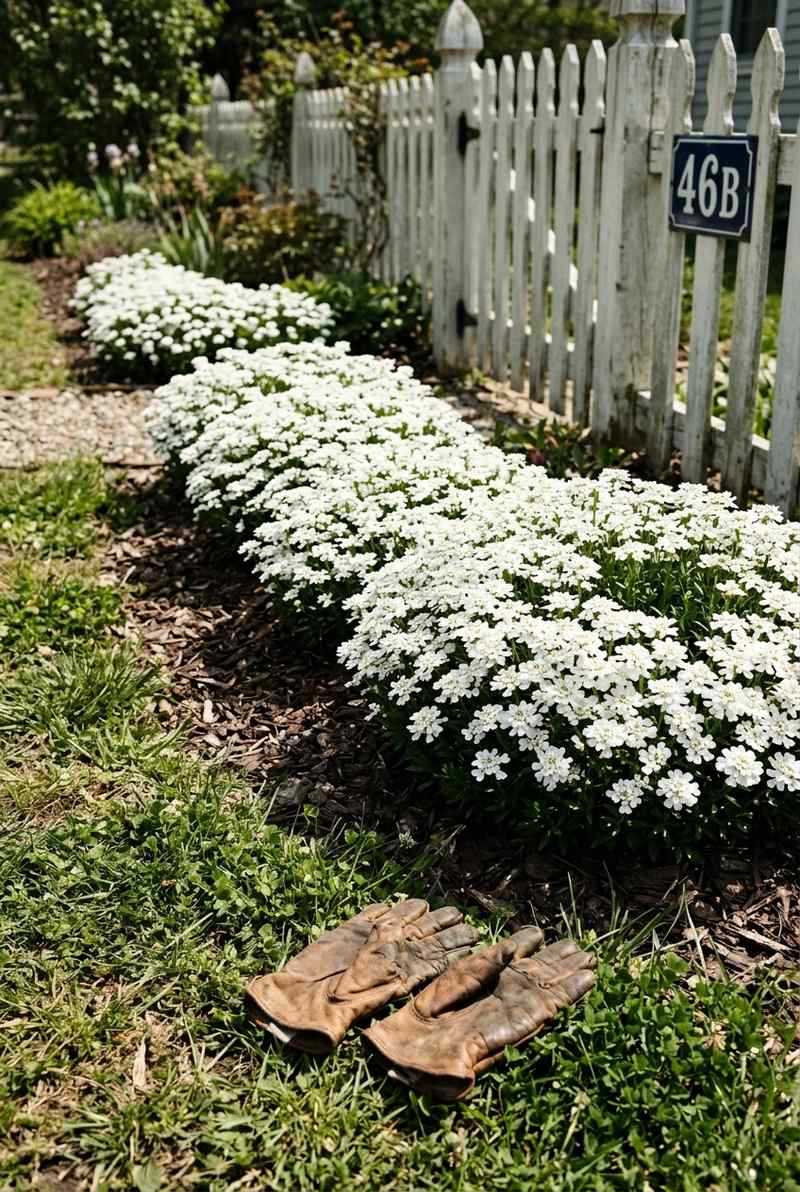
An evergreen edging plant that turns into a ribbon of pure white every spring. It softens the front of a bed the way snow softens a fence line.
Fair warning for cold climates: in zones 3-4, its semi-woody base can winter-kill if planted in fall. Up there, I’d wait and plant it in spring instead. Everyone else, plant away.
10. Bearded Iris
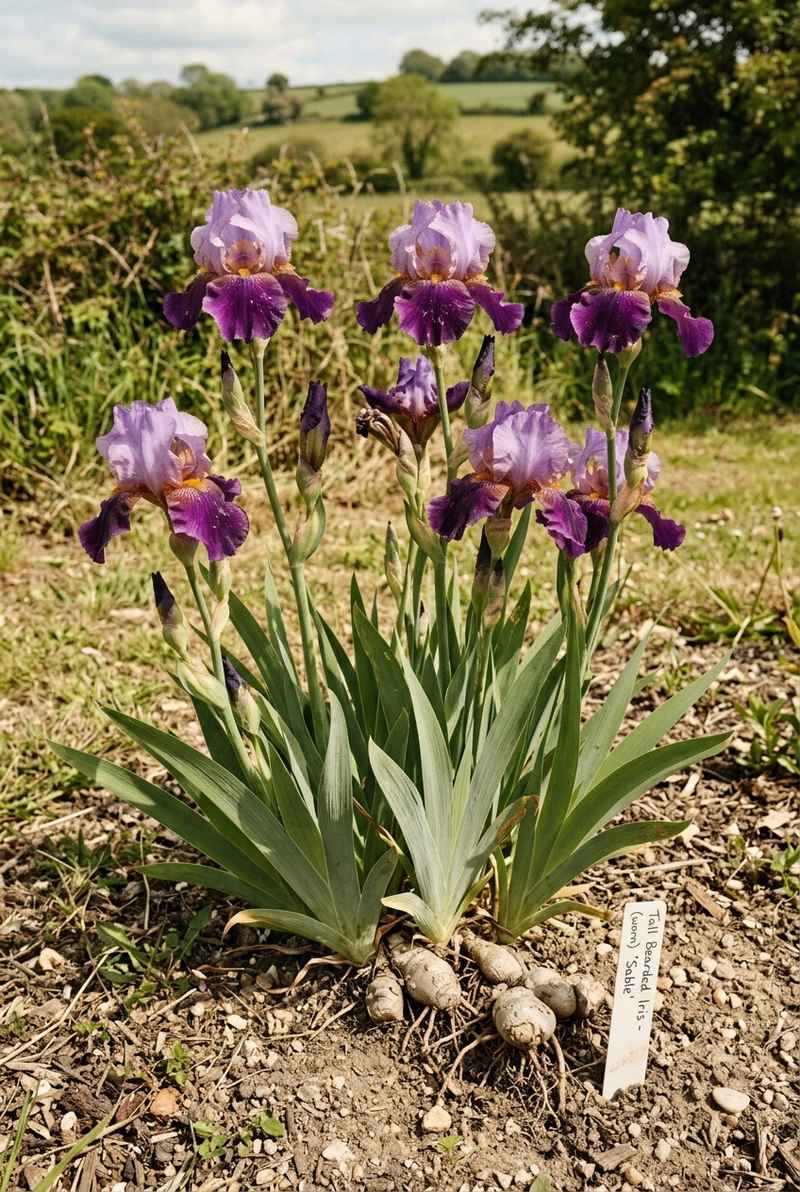
Iris rhizomes are the classic late-summer-to-fall planting job, and there’s one rule people get wrong constantly: leave the top of the rhizome exposed to the sun.
Bury it like a bulb and it sulks, rots, or refuses to flower. A thin 1 inch (2.5 cm) of soil over the roots is plenty, with the rhizome’s back showing (it looks wrong, but it’s right).
Deer-resistant, drought-tough, and available in more colors than any other plant here.
11. Columbine
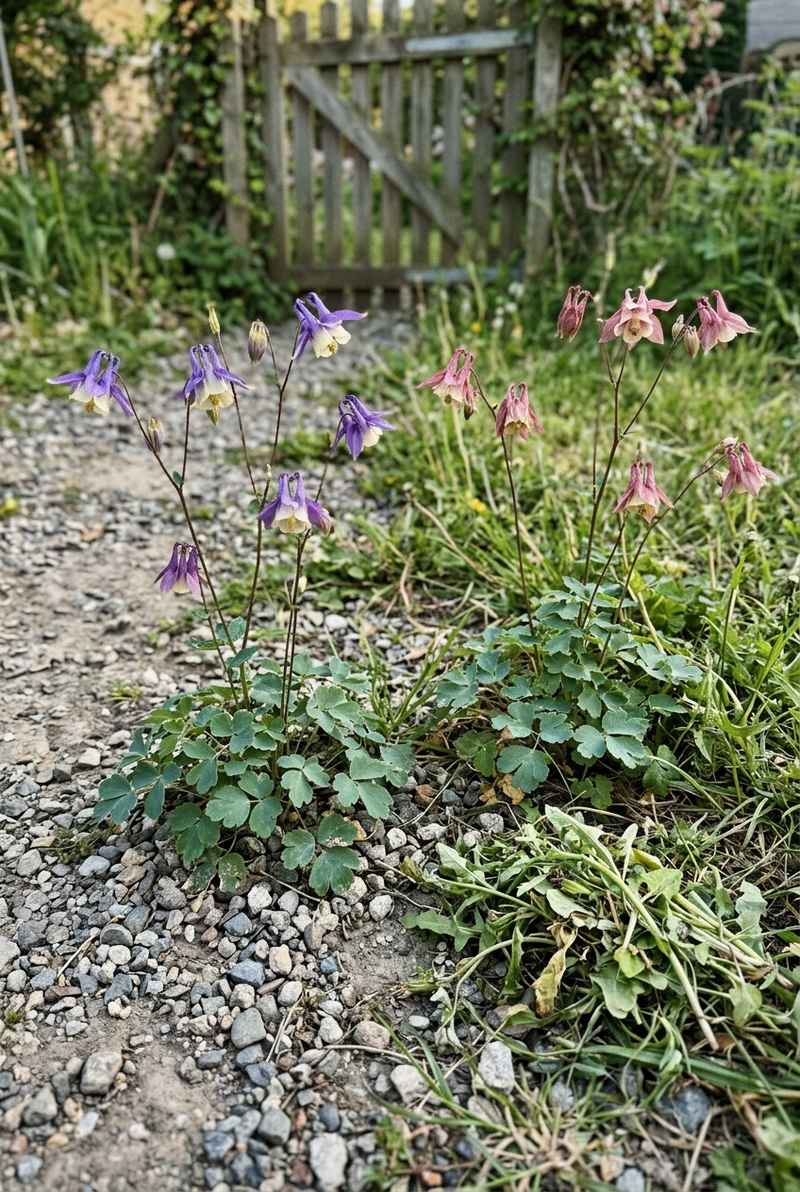
Spurred flowers in impossible color combinations, nodding on wiry stems. Hummingbirds treat them like a scheduled stop.
Individual plants are short-lived, but columbine self-seeds so cheerfully you’ll never actually be without it. The seedlings wander… and where they land is usually better than where I planted the parent.
12. Peony
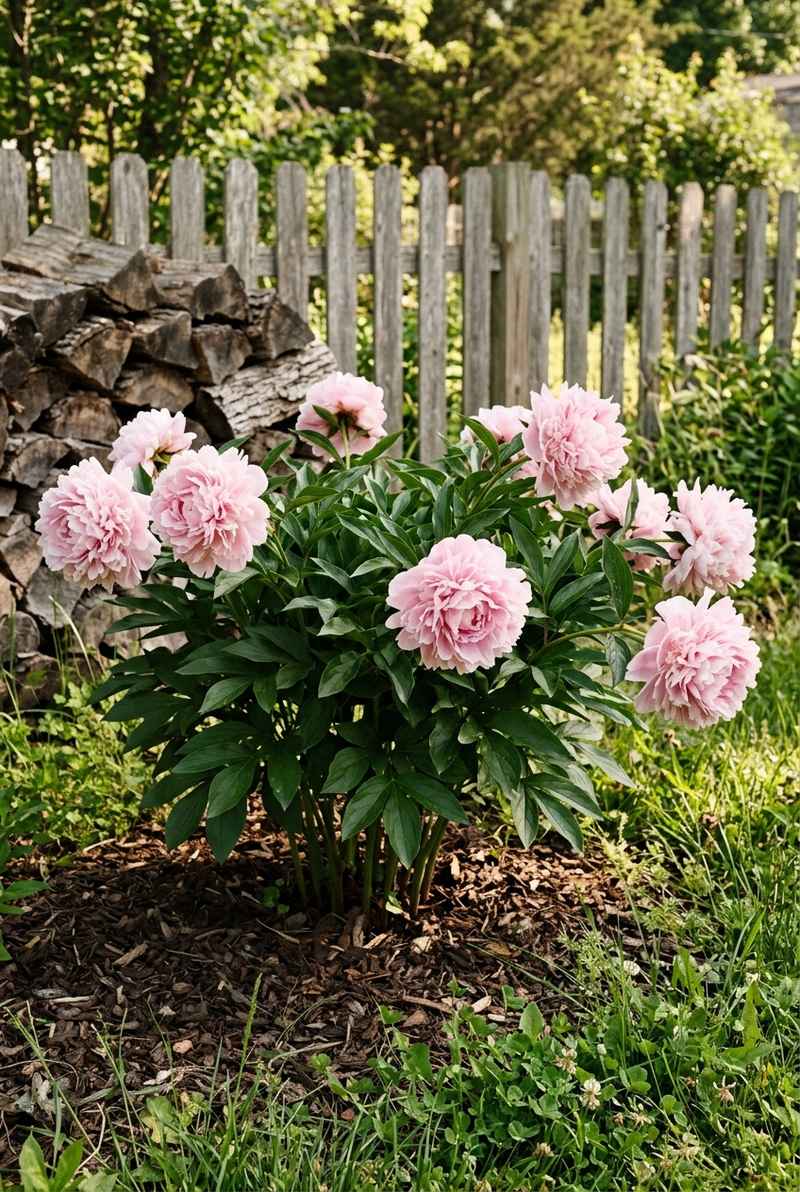
The whole reason fall planting exists, as far as I’m concerned. Nurseries ship bare-root peonies in autumn because that’s when they establish best, and fall-planted divisions usually bloom the very next spring.
Planting depth decides everything. Set the eyes (the pink buds on the root) 1 to 2 inches (2.5-5 cm) deep, no deeper. Even half an inch too deep can cost you years of flowers, and it’s the number one reason people write “my peony never blooms” posts.
Shallower in clay, deeper end in sandy soil. Measure it (seriously, use a ruler).
Then leave it alone for decades. Peonies outlive the people who plant them.
13. Wild Geranium (Cranesbill)
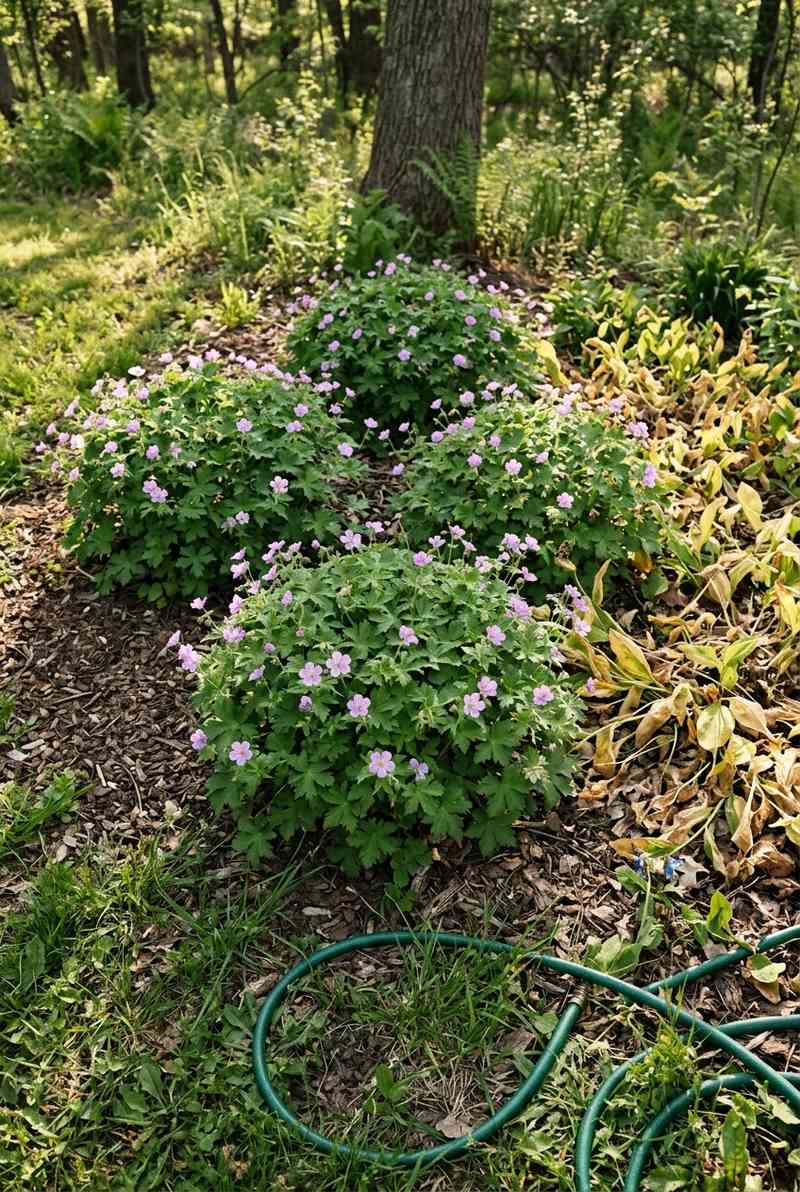
The quiet closer of the spring season. Mounds of cut foliage, five-petaled flowers in pink, purple, or blue, and a habit of filling gaps without ever becoming a problem.
I plant it next to Virginia bluebells specifically because it spreads into the space they leave behind in summer. One bed, two shifts.
How to Pick Your Three
Don’t plant all 13 your first fall. Pick one early bloomer, one mid, one late, and you’ll have four months of color from three plants.
My combination would be hellebore, bleeding heart, and peony. Shade, shade, sun, and a bloom season that runs from February snow to June roses. If your whole yard is shady, swap the peony for wild geranium and browse my shade perennials guide for more options.
And once spring wraps up, the summer-long bloomers take the handoff.
Tip
Whatever you plant this fall, water deeply once a week until the ground freezes. Fall rain usually isn’t enough on its own, and those roots are doing their most important work right now.
Fall Planting Questions I Get Asked
When is it too late to plant perennials in fall?
Count back 6 weeks from when your ground typically freezes. That’s your comfortable deadline. A month before freeze is the absolute minimum, and past that, pot the plant up and wait for spring.
Will they bloom the first spring?
Most of these will, though lightly. Fall-planted peony divisions usually flower the next spring, while bearded iris often waits until year two for a full show. First-year modesty is normal, not a mistake.
Should I mulch new fall plantings?
Yes, 2-3 inches (5-7 cm) after the ground cools, but keep it pulled back from the crown of the plant. Piling mulch against the stems (the “volcano” look) traps moisture and invites rot.
Why fall instead of spring?
Cool air, warm soil, and no summer drought stress. The plant spends its energy on roots instead of leaves, so by the time spring arrives it’s already established and ready to flower.
What May Looks Like When You Plant in October
Those half-price peonies from my first October are still blooming, bigger every year. Fall planting is the closest thing gardening has to a letter you write to your future self.
Write a good one.