How to Prune Hydrangeas (When to Cut Back Each Type)

- All 6 hydrangea types
- Exact timing windows
- Beginner ID guide
- Zones 3-9
My neighbor cut her hydrangea to the ground one October because “that’s what you do in fall.” The next summer it grew into a gorgeous green mound… with not one single flower.
That’s the cruel part of hydrangea pruning: the mistake happens in fall, and the punishment doesn’t show up until June. But the whole confusing mess comes down to one question, and once you can answer it, pruning takes ten minutes a year.
The Short Version
- Bigleaf, oakleaf, and climbing hydrangeas bloom on old wood: prune right after flowering, never in fall or spring
- Panicle and smooth (Annabelle) hydrangeas bloom on new wood: prune in late winter, as hard as you like
- Rebloomers like Endless Summer do both: barely prune them at all
- Deadheading spent flowers is safe on every type, any time
- Not sure which you have? Don’t prune anything until you’ve done the 60-second ID below.
Answer One Question Before You Touch the Pruners
Does your hydrangea bloom on old wood or new wood?
Old-wood types build next year’s flower buds on this year’s stems, starting in late summer. Those buds sit on the branches all winter, waiting. Cut those stems in fall or spring and you’ve thrown away every bloom before it opened.
New-wood types grow their flower buds fresh each spring, on brand-new stems. You can cut them hard in winter and lose nothing.
Same genus, opposite rules. That’s the entire reason hydrangea pruning has a reputation.
And it’s why generic advice like “prune shrubs in early spring” quietly kills a summer of hydrangea flowers in yards everywhere.
Which Hydrangea Do You Have? The 60-Second ID
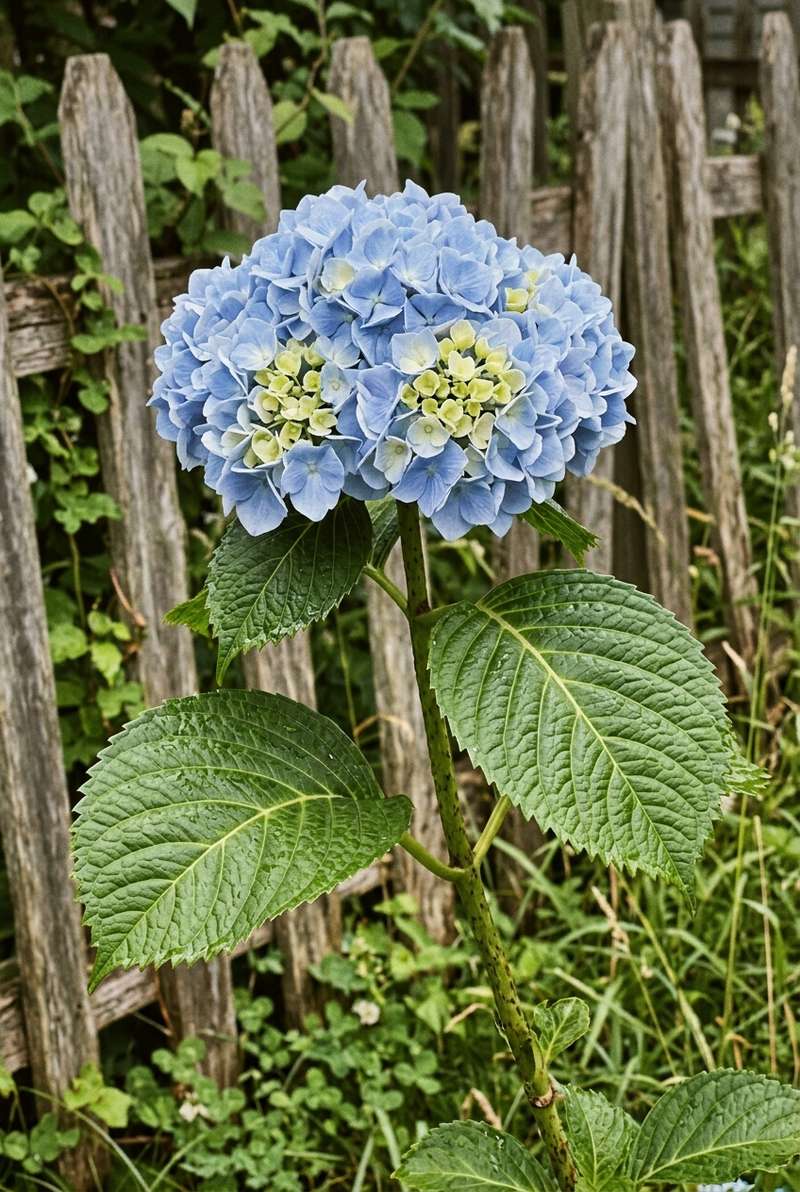
Lost the plant tag? Look at the flowers and leaves.
| What you see | What you have | Blooms on |
|---|---|---|
| Round mophead or flat lacecap flowers, thick shiny heart-shaped leaves | Bigleaf | Old wood |
| Oak-shaped leaves that turn red in fall, white flower cones | Oakleaf | Old wood |
| A vine climbing a wall or tree | Climbing | Old wood |
| Cone-shaped flower clusters, narrow rough leaves, often 3 per node | Panicle (Limelight, PeeGee) | New wood |
| Big white snowball heads, matte leaves, slender floppy stems | Smooth (Annabelle) | New wood |
| Mophead flowers, tag says Endless Summer or “reblooming” | Rebloomer | Both |
Winter shortcut: old-wood types carry visible fat buds on their stem tips through winter. New-wood types show bare sticks until spring. Go look; it’s weirdly satisfying to check.
The Two Safe Windows
Everything about timing fits in this one table.
| Type | Prune when | How much |
|---|---|---|
| Bigleaf, oakleaf, climbing | Within 2-4 weeks after flowers fade, done before Aug 1 | Light: up to 1/3 of stems |
| Panicle | Late winter to early spring, before new growth | Up to 1/3-1/2 of last year’s growth |
| Smooth (Annabelle) | Late winter to early spring | Down to a 12-18 in (30-45 cm) framework |
| Rebloomers | Deadhead only, tidy dead stems in spring | Minimal |
Common mistake
Pruning old-wood hydrangeas as part of “fall cleanup.” Next year’s buds are already on those stems by late summer. The plant will leaf out beautifully in spring and never flower, and you won’t know until June. After August 1, put the pruners away for bigleaf, oakleaf, and climbing types.
Cold-climate note: “late winter” means when hard freezes are mostly done but the plant hasn’t budged yet. That’s March in zone 5, February in zone 8. Weather signals beat calendar dates.
Cutting the Old-Wood Types Without Losing a Bloom
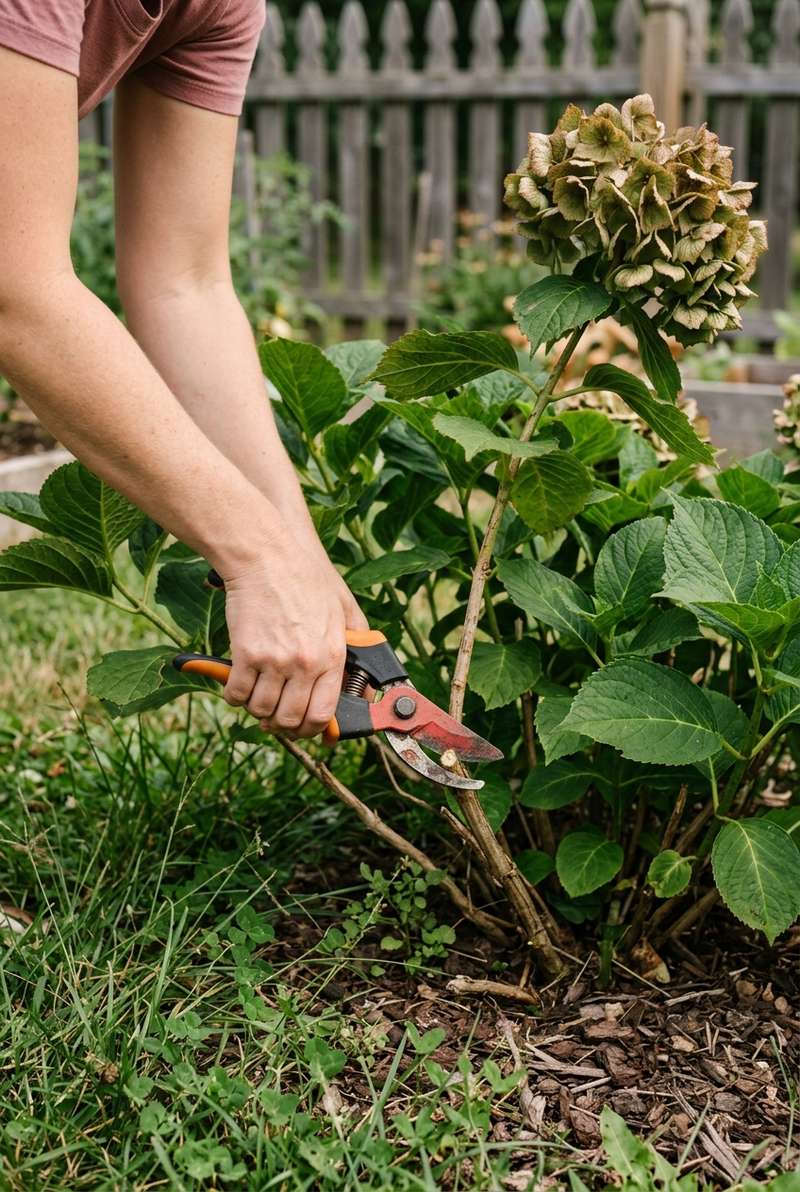
The window opens the day the flowers fade in early-to-mid summer. Here’s what I do with my bigleaf, in order:
First, dead wood comes out at the base. Scratch a stem with a fingernail… green underneath means alive, brown means compost.
Then remove up to a third of the stems, choosing the oldest, weakest, and worst-crossing ones, cut at ground level. That opens the shrub without shocking it.
Stop there. Old-wood types don’t want a haircut, they want an edit. Oakleaf and climbing hydrangeas need even less: dead wood out, one or two wayward branches shaped, done.
The first summer I did this to my bigleaf, it felt like I hadn’t pruned at all. The next June it bloomed harder than any year before. Restraint was the whole trick.
Tip
Deadheading is always safe, on every type, in every season. Snip just the spent flower head above the first pair of leaves. That’s grooming, not pruning, and it can’t cost you blooms.
New-Wood Types: The Ones You Can’t Really Ruin
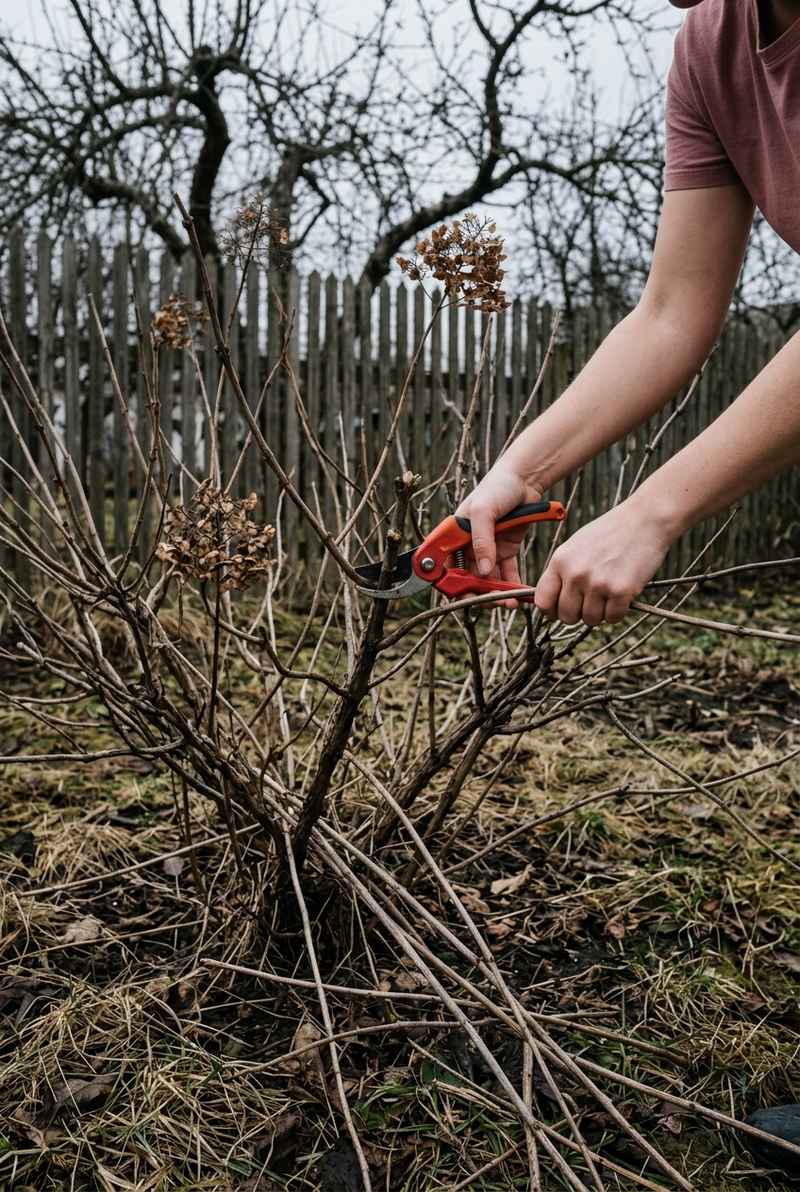
Panicle and smooth hydrangeas are the forgiving ones, which is why they made my plant-and-forget shrubs list and the fussy bigleaf didn’t.
Panicle: in late winter, cut back to a sturdy framework about 2 ft (60 cm) off the ground, removing up to half of last year’s growth. The thick base holds this summer’s heavy cones upright.
Annabelle: everyone tells you to cut it to the ground each spring. Don’t. Scalping it yearly forces skinny new stems that flop face-first into the mud under the first heavy bloom (the famous Annabelle flop). Leave a 12-18 in (30-45 cm) framework instead and the stems stay standing.
The Rebloomers That Confuse Everyone
Endless Summer and other reblooming bigleafs carry buds on both old and new wood, which sounds like a free pass. It half is.
Prune one hard in spring and it still blooms, just months later and lighter, because you deleted the early old-wood flush. The winning move is barely touching them: deadhead, remove dead stems, and let the plant do the double-blooming it was bred for.
Rescuing an Overgrown Monster
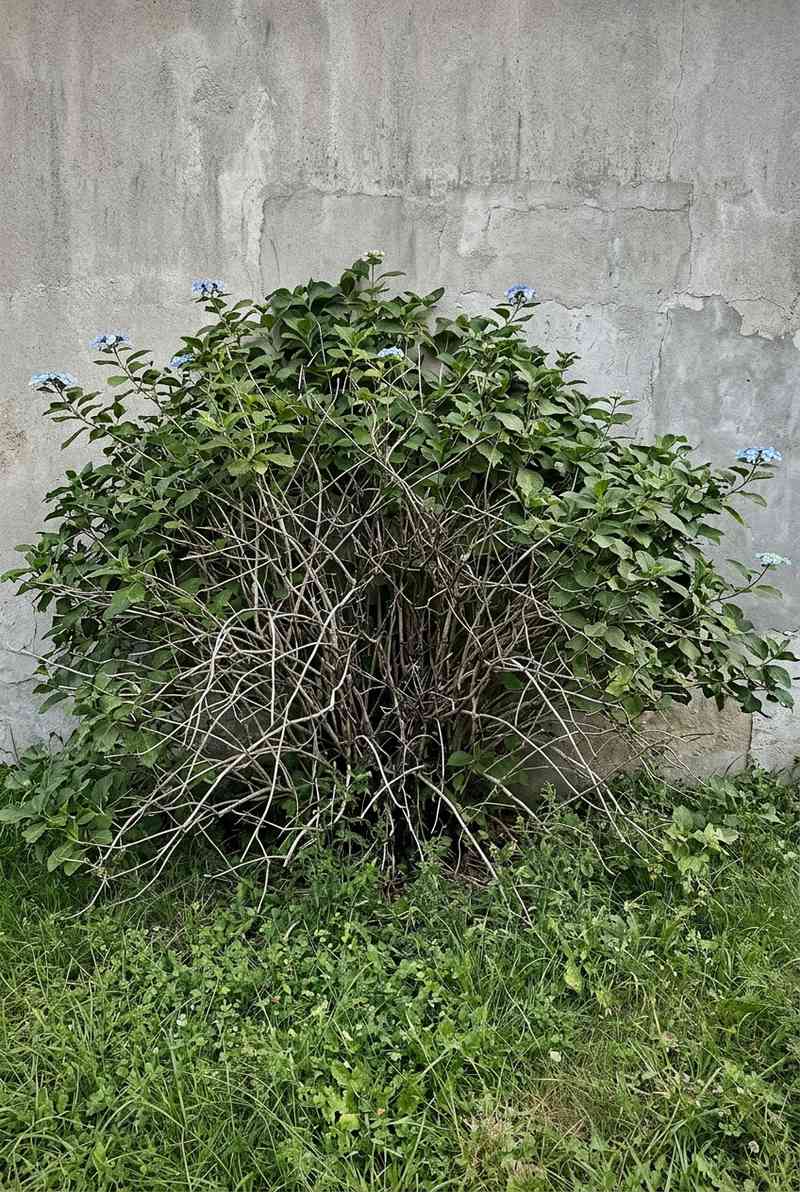
Inherited a ten-year tangle from the previous owners? Same rules, stretched over time.
Remove a third of the oldest stems at the base each year for three years. By year three you have a fresh shrub and you never went a summer completely bloomless. Cutting the whole thing down at once works on new-wood types, but on old-wood types it can mean a year or more with zero flowers while it rebuilds.
Patience beats drama here. Three short sessions, three years, no sad summers.
When Winter Steals the Blooms Anyway
Sometimes you prune perfectly and still get no flowers. In zones 3-5, that’s usually winter killing the exposed old-wood buds, not anything you did.
The fix is a fall jacket: a chicken-wire ring around the shrub stuffed loosely with leaves, or burlap wrapped around the stems. Take it off after the last hard frost. And if a late frost nips the sprouting tips, trim back only to the next firm healthy bud… don’t scalp the whole plant in a panic.
Still no blooms after all that? The problem list is longer than pruning alone, and I walked through all of it in why your hydrangea isn’t blooming.
Questions From the Pruning-Anxious
Is deadheading the same as pruning?
No, and the difference matters. Deadheading removes only the spent flower head and is safe anytime. Pruning removes stems and wood, and that’s where the timing rules apply.
I already cut my hydrangea to the ground. Did I kill it?
Almost certainly not. Hydrangeas regrow from the roots reliably. A new-wood type will bloom this summer like nothing happened; an old-wood type will likely skip one season of flowers, then return to normal.
Should I leave the dried flower heads on over winter?
On panicle types, I always do. The dried cones look beautiful frosted, and snipping them in late winter costs nothing since you’re pruning then anyway. On bigleaf in cold zones, old heads even give the buds below a little frost cover.
What tools do I need?
Clean, sharp bypass pruners for anything under a finger’s thickness, and loppers for old base stems. Wipe blades with rubbing alcohol between shrubs; it takes ten seconds and stops disease from hitching a ride.
Ten Minutes a Year, That’s the Whole Job
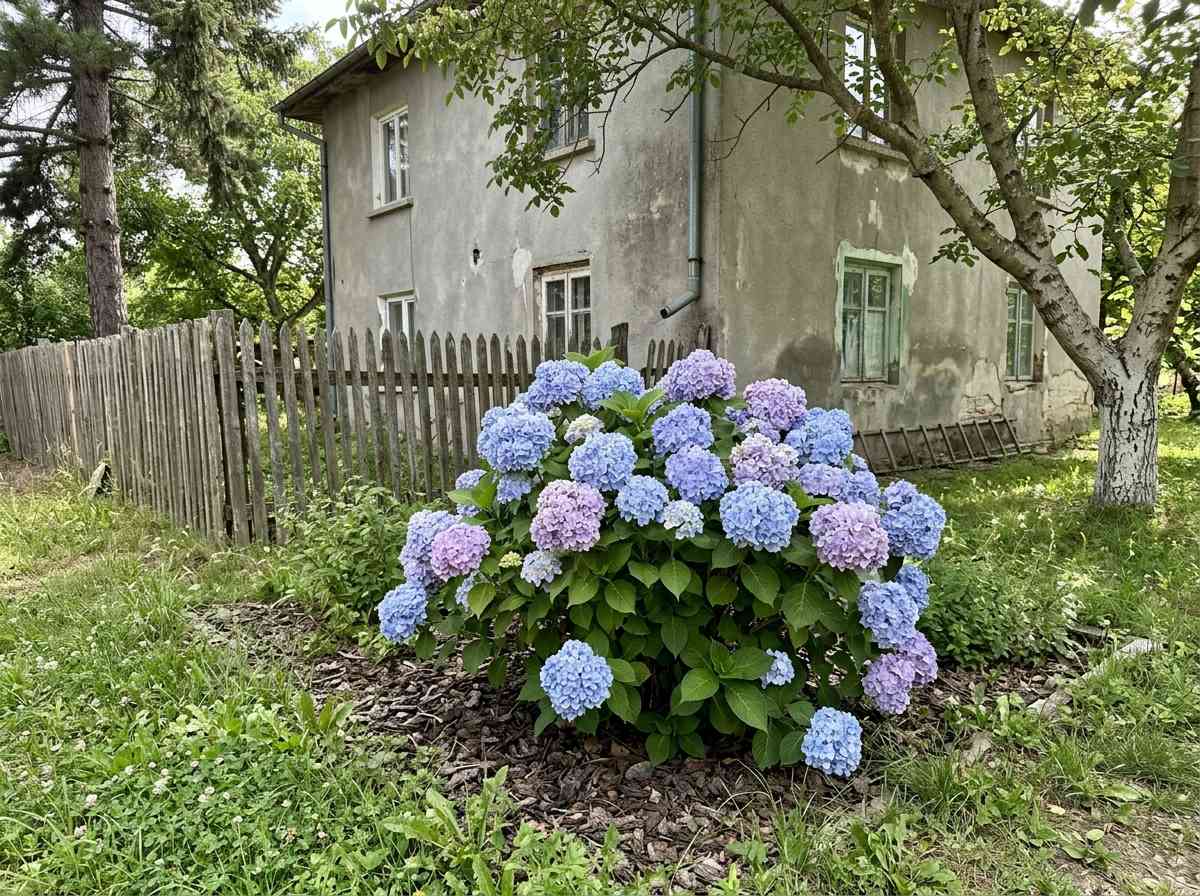
My neighbor’s hydrangea, by the way, came back the summer after next, covered in blue mopheads. She now prunes it in July and lectures other neighbors about old wood. The conversion is complete.
Figure out which type you have, mark its one window on the calendar, and the most confusing shrub in gardening becomes one of the easiest. For sources with the full research behind these timings, Maryland Extension and Minnesota Extension are the two I trust.